

Air pollution is not just an outdoor problem. Even inside our homes, we can be exposed to high concentrations of air pollutants. Long-term exposure to indoor air pollution can cause the development of acute and chronic diseases, and the WHO estimates that it caused over 3.2 million deaths in 2020.
To protect our health and ensure that our families are breathing safe air, here’s what you need to know about the major sources of indoor air pollution:
Using unsafe cooking fuels
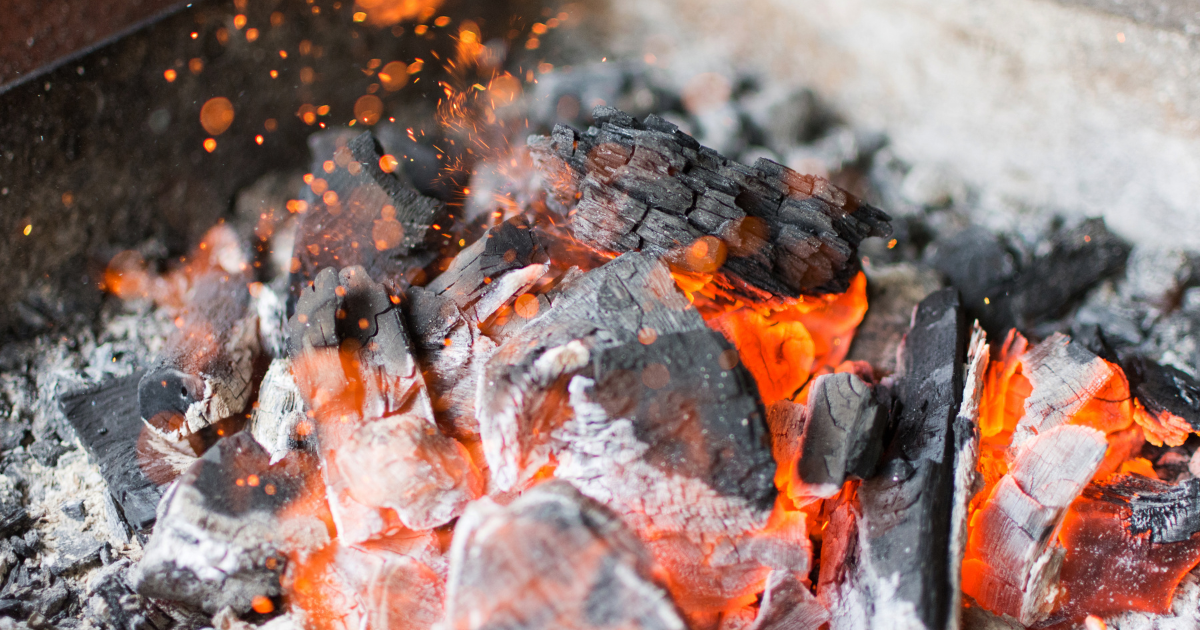
According to the World Health Organization (WHO), 3 out of 10 people globally do not have access to clean cooking fuels, and around 2.4 billion people use inefficient cooking stoves fueled by kerosene, biomass, and coal. These fuels and stoves generate harmful air pollutants, including particulate matter (PM), nitrogen dioxide (NO2), carbon monoxide, and formaldehyde. High concentrations of these pollutants can be toxic to people and pets, causing a variety of health problems, including respiratory infections, heart disease, and cancer.
Smoking or Vaping Indoors

Smoking or vaping indoors is extremely harmful to your health and the health of the people around you. Secondhand smoke may cause serious health problems for nonsmokers, including heart disease, stroke, lung cancer, asthma attacks, and reproductive health problems in pregnant women.
Vaping or using of E-Cigarette can increase the amount of PM 2.5, making the indoor quality unsafe. The study on the Effects of Electronic Cigarettes on Indoor Air Quality and Health shows that e-cigarette aerosols contain a variety of chemicals, including Propylene Glycol, Vegetable Glycerine, nicotine, carbonyls, aromatic VOCs (volatile organic compounds), trace metals, and TSNAs. The concentrations of most chemicals are lower in e-cig aerosols than in traditional cigarette smoke. However, e-cig aerosols are still harmful and can cause a variety of health problems, including respiratory irritation, addiction, and cancer.
Pets
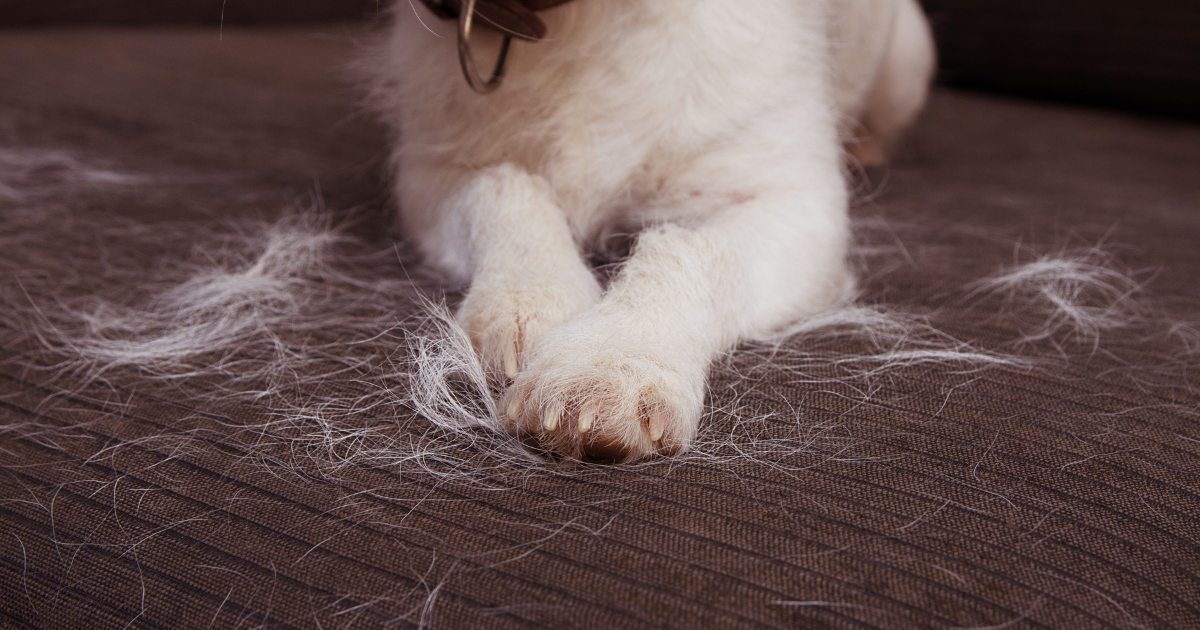
Some people may have an allergic reaction to animals, which can cause a stuffy nose, sneezing, runny nose, or even asthma attacks in people with existing asthma. It is commonly thought that pet hair, fur, or feathers cause these allergies, but the Asthma and Allergy Foundation of America says that they are actually caused by proteins in pet dander, saliva, and urine. When these proteins enter the airways, such as the mouth, nose, and eyes, they trigger an allergic reaction.
Molds
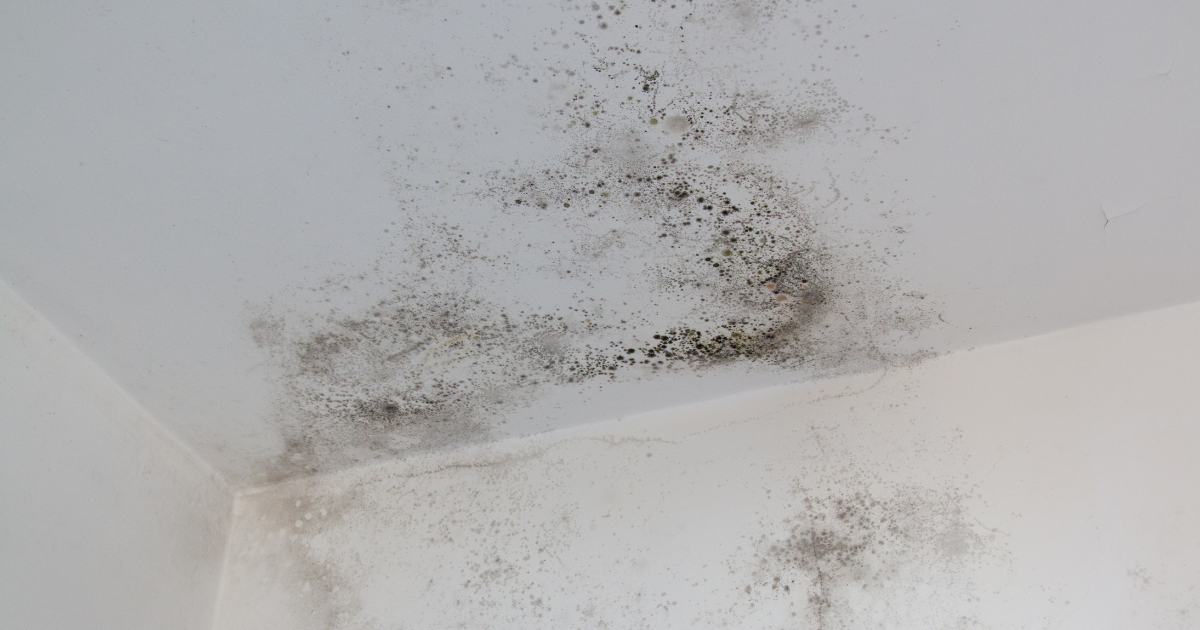
Mold growth on the walls of your home can also affect indoor air quality. Mold grows in moist environments, such as areas with leaks from roofs, pipes, or walls. Mold releases allergens that can cause allergic reactions in sensitive people.
According to the study about the Respiratory and Allergic Health Effects of Dampness, Mold, and Dampness-Related Agents, indoor dampness and mold exposure have been linked to a variety of respiratory and allergic health problems, including asthma development, worsening, and prevalence, as well as shortness of breath, wheezing, coughing, respiratory infections, bronchitis, allergic rhinitis, eczema, and upper respiratory tract symptoms.
Cleaning Chemicals

Some of the cleaning products you use may contain volatile organic compounds (VOCs), according to the American Lung Association. VOCs are chemicals that can evaporate at room temperature and react with ozone to form other pollutants, such as formaldehyde. Exposure to VOCs can contribute to chronic respiratory problems, allergic reactions, and headaches.
Some example of this cleaning supplies are the following but not limited to:
- Aerosol spray
- Air fresheners
- Chlorine Bleach
- Detergent and dishwashing liquid
- Dry cleaning chemicals
Outdoor Air Pollution

If your home is near sources of air pollution, such as busy roads or industrial factories, or if activities that produce air pollutants, such as burning waste materials, are taking place nearby, this can affect indoor air quality by entering your home’s air passageways. Consider air purifiers to maintain good indoor air quality.
BOTTOMLINE:

Indoor air pollution comes from a variety of sources and these pollutants may cause harm to the health of people.
Do you wonder about the simple solutions which you may do to prevent indoor air pollution? Click here to learn the Complete Guide to Breathe Safe at Home.
Free Guide to Breathing Safe
Want to learn more about breathing clean air? Join thousands more and stay up to date on protecting your health.

