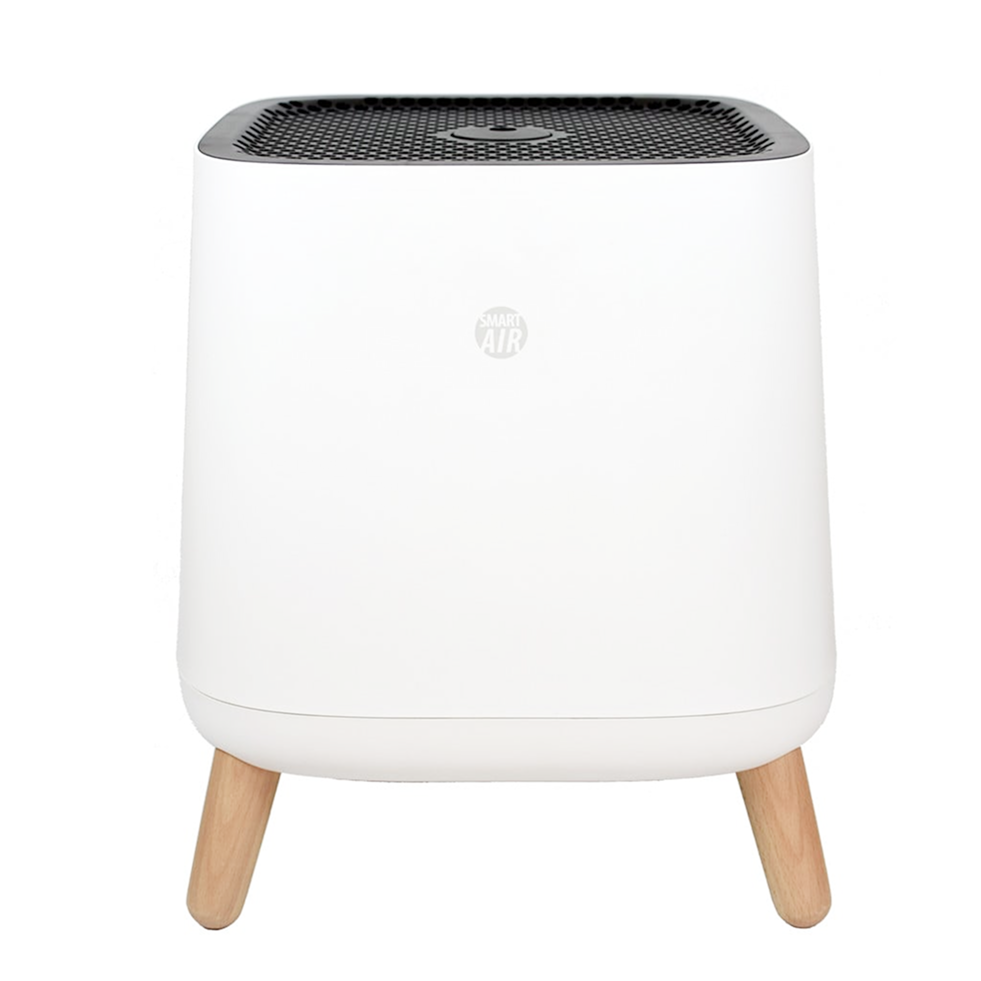
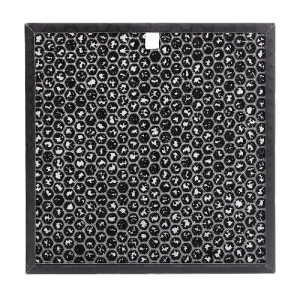
Sqair Activated Carbon Filter
Replacement activated carbon filter for the Sqair air purifier.
- Carbon filters capture dangerous gases and odors.
- Removing formaldehyde, benzene, smoke, and bad smells.
In stock
How Does Activated Carbon Work?
Activated carbon contains millions of microscopic pores that create an enormous internal surface area. As air passes through the filter, gas molecules stick to the carbon’s surface through a process called adsorption, helping remove unwanted chemicals and odours from the air.
Activated Carbon Removes Cigarette Smoke
Smart Air tested a Cannon air purifier with and without a carbon filter.
Everyday activity can release more than particles
Helps reduce cooking fumes and odors
Frying, grilling, and other cooking methods release particles, gases, and odors. Activated carbon helps adsorb gaseous pollutants that HEPA filters alone can’t capture.
Helps remove smoke-related gases
Wildfire smoke contains both particles and gases. A carbon filter helps reduce gaseous pollutants and odors that pass through particle filtration.
Neutralizes unpleasant odors
Activated carbon adsorbs odor-causing gases and molecules, helping keep your home smelling fresher.
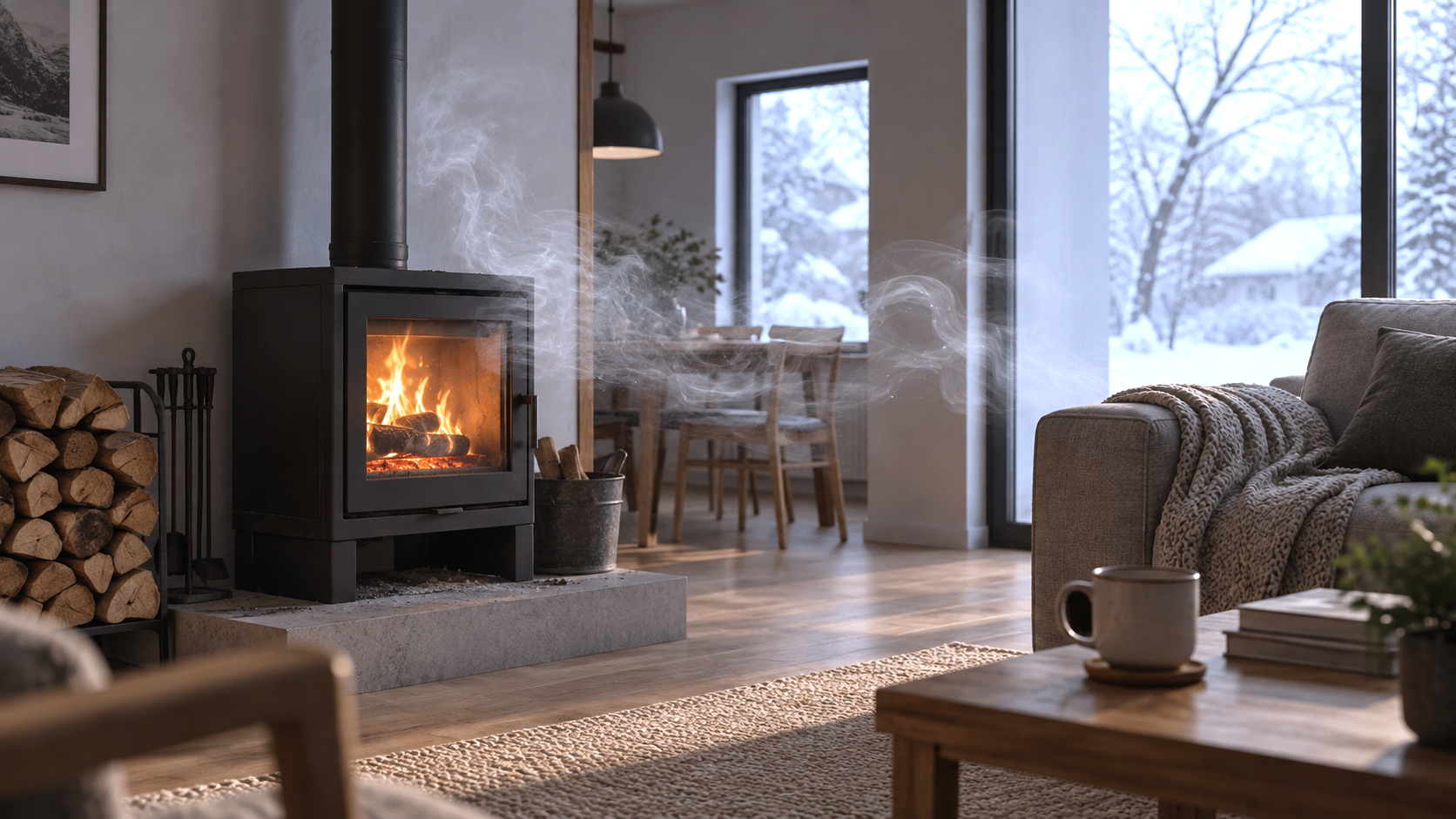
Wood burning releases more than smoke
Burning wood can release gases and VOCs including carbon monoxide, benzene, formaldehyde and acrolein, alongside fine particles. Activated carbon helps reduce certain gaseous pollutants and odors.
Keep indoor smoke away from the family
Smoking indoors releases harmful particles and gases that can linger in the air. Carbon filtration helps reduce gaseous pollutants and odors after smoking.
New home, new sources of VOCs
Fresh paint, flooring, adhesives and other building materials can release formaldehyde, benzene, toluene and xylene into indoor air. Activated carbon helps adsorb certain VOCs.
Burning candles affects indoor air quality
Candle combustion can produce formaldehyde, benzene, toluene, and acetaldehyde, as well as fine particles. Activated carbon helps reduce certain gaseous pollutants and odors.
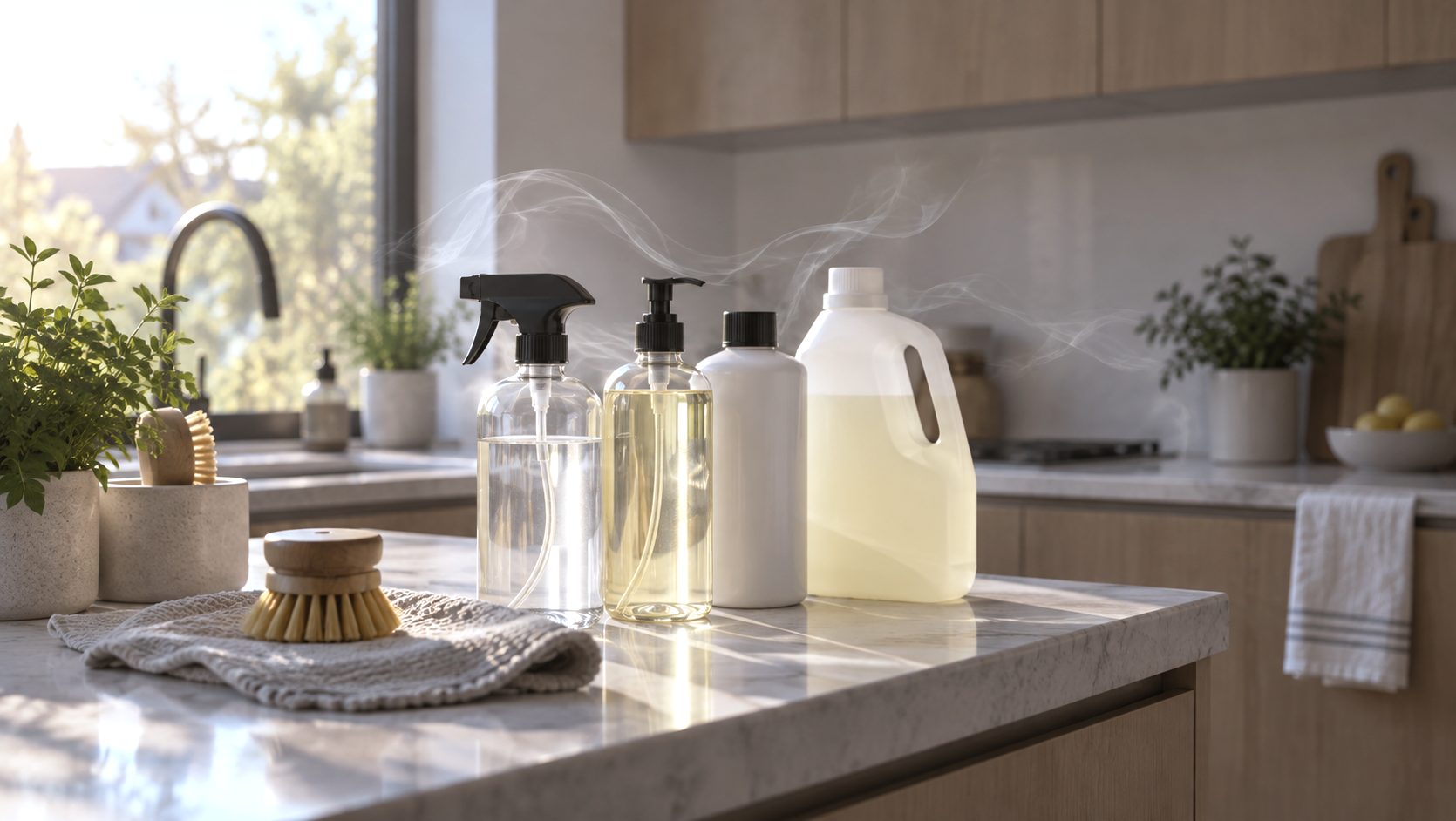
Cleaning products release more than fresh scents
Products such as disinfectants, detergents and air fresheners can release ethanol, isopropanol, limonene and other VOCs into indoor air. Activated carbon helps adsorb certain gaseous pollutants and odors.
You can't see them but they are in the air
Formaldehyde
A harmful gas commonly released from new furniture, flooring, paint, and building materials that can irritate the eyes, nose, and throat.
Benzene
A volatile organic compound (VOC) found in vehicle exhaust, tobacco smoke, paints, adhesives, and some cleaning products.
Smoke
Captures smoke-related gases and odours from cooking, cigarettes, fireplaces, and wildfire events for fresher indoor air.
VOCs (Volatile Organic Compounds)
A group of airborne chemicals emitted by paints, cleaning products, solvents, furnishings, and household products that can affect indoor air quality.
Household Odors
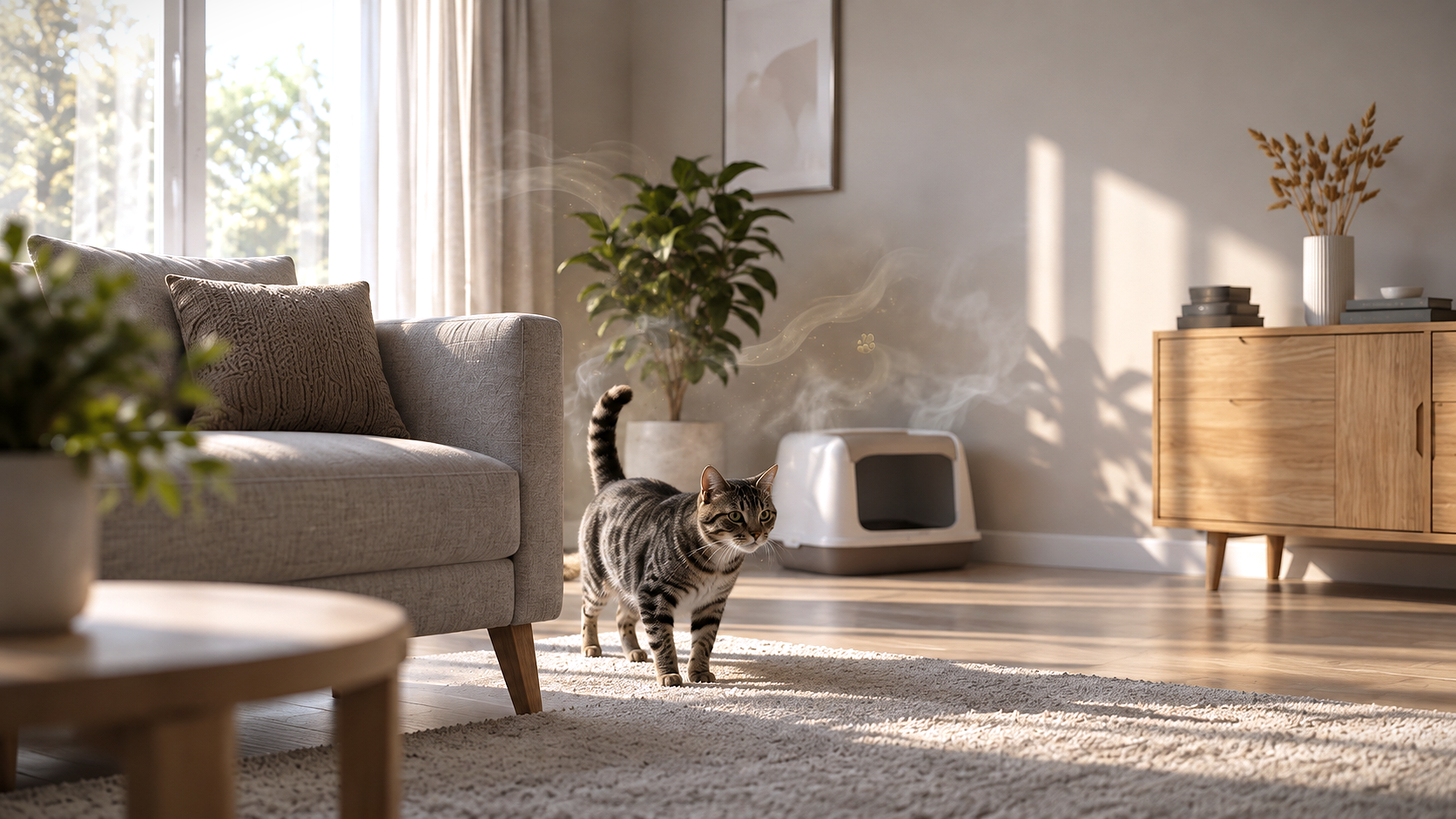
Helps reduce lingering smells from cooking, pets, rubbish, smoke, and everyday household activities.
Technical Specifications
Product Name
Sqair Activated Carbon Filter
Material
Activated Carbon Pellets
Lifespan
Depending on the air quality in your area, periodically smell the carbon filter to check for any unpleasant odors.
Dimensions (L x W x H)
255 × 255 × 11mm
Net weight
120g
Frequently Asked Questions
How do I know when to change my carbon filter?
Carbon filter lifespan is very difficult to predict as every house has differing levels of background VOCs.
As such, we recommend what we call the “smell test” to know when to replace a carbon filter. To run your smell test:
- Open your purifier and remove the carbon filter
- Hold the middle of the carbon filter up to your nose (within 1-3cm) and smell the carbon filter
- If you smell a sour, acidic or chemical smell, then this means your carbon filter is saturated and should be replaced.
Perform the above 3 steps on a regular basis (every 1-2 weeks) to tell when to replace your carbon filter.
What’s the difference between pellet-style and foam-style carbon filters?
What’s important for a carbon filter is
a) the total weight of carbon used (increases the lifespan)
b) the total area of carbon available (increases the CADR)
So foam style carbon filters may well have a higher CADR short term, but a drastically reduced lifespan. Another ‘pro’ is lower air resistance, which allows more air through. But this is at the detriment of lifespan and possibly CADR.
NOTE: above CADR all refer to f-CADR or ‘formaldehyde CADR’. That is, CADR for VOCs not p-CADR (CADR for particulates/PM2.5).
Are carbon filters recyclable?
Theoretically, carbon filters can be reactivated, but reactivation requires a high temperature (600-900ºC), making it impractical.
If you want to utilise or dispose of carbon filters in a more environmentally friendly way, you can first disassemble the filter, then take out the activated carbon particles and dispose of them separately. You can also check if the local recycling plant offers activated carbon recycling.
Activated charcoal is also helpful (if not heavily polluted) for growing flowers and vegetables (it helps to control the soil humidity and pH).
How can I tell if I have a VOC problem?
Try a simple “poor man’s VOC test”: take a sniff around your home. If you notice strong chemical smells—like plastic, a new car, fresh paint, or new furniture—you may have elevated VOCs indoors.
Note: Smell alone cannot confirm VOC levels or tell you which VOCs are present. A VOC monitor or professional testing is needed for accurate measurement.
Frequently Bought Together
Certified B Corp™ | Clean Air Social Enterprise
Got a Question? We are here to help
If you don’t find an answer in our FAQ page, please contact us below.
You’ll get a response within 48 hours