Clean Air for Kids started with Ruth Brooker, a mother in Bristol who wanted to make school safer for her children. Her younger son was going through cancer treatment, and she worried about the viruses and poor air in crowded classrooms.
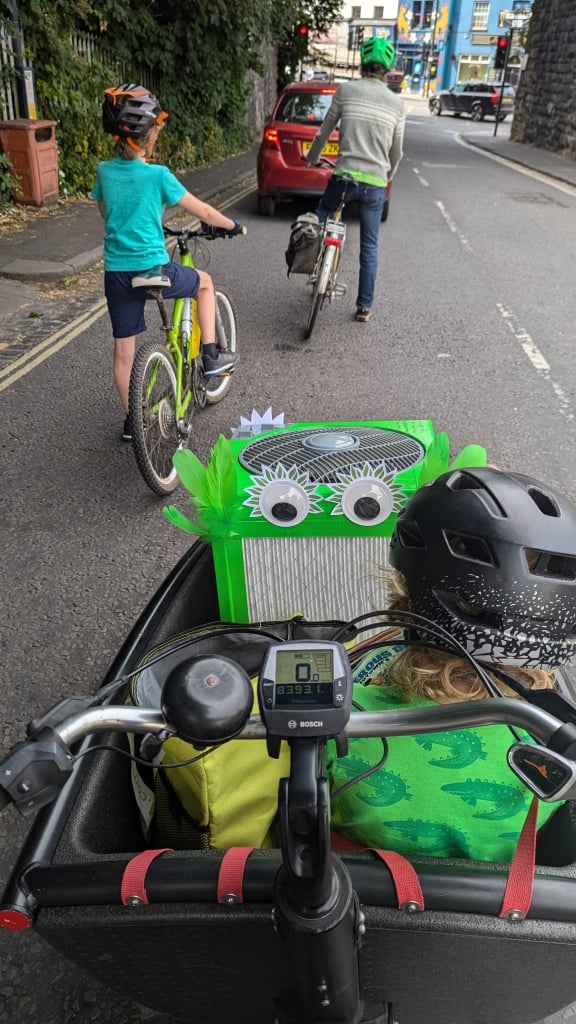
In 2022, Ruth built a DIY air purifier, a Corsi-Rosenthal Box. The next year, she made a video with her kids to show other families how simple it was to build one. Then she asked a bigger question: why shouldn’t every classroom have cleaner air?
Today, Ruth is asking schools, councils, and the government to do three simple things: use air filters, open windows, and check the air. We spoke to her about how it all started, what schools can do first, and why Clean Air for Kids ended up on a mural at Europe’s largest street art festival.
How did Clean Air for Kids begin?
It was launched last year, but really its origins go back to November 2019, when my little son who was then 2yrs old, developed blood cancer. This was obviously devastating and a big shock to us. Then in March 2020 the whole world fell off its axis, but I had my child going through intensive chemotherapy.
We spent eight months confined at home or in hospital, but eventually that year, his older brother had to return to school. I began furiously reading and learning about how we could make this as safe as possible. My son’s treatment lasted for years, so eventually he needed to begin school as well. But that felt like such a challenge, knowing that chicken pox, strep A, Covid-19 and flu were in high circulation in the densely packed classrooms. I learnt a lot about the realities of classroom air! Luckily our school has been very supportive.
I built my first DIY air filter (a Corsi-Rosenthal Box) in 2022. And the following year me and my kids spent our half-term holiday making a video to help other kids learn about how easy it was, and to hopefully inspire them to make a filter too.
Over these years, whilst intensively talking to our primary school, I became aware that it would help to be more than one lone voice in my community.
I felt the need to be flanked by scientists, who were prepared to validate what I was saying. To back me. Otherwise there’s a risk you can be dismissed or brushed away.
What also struck me was that I’d been working hard to help improve the air in our school, but what about all the other children in Bristol city? What about those kids who don’t have anyone advocating for them? I’d learnt that the benefits went far beyond just getting my son his education. This focus on air quality could be transformative for society. We could all benefit from not picking up relentless infections and breathing in less pollutants.
So my original goal, was to ask the city council for air filters to be put in all of Bristol city’s schools and for better understanding of ventilation backed up with an education policy. Since then, the campaign has grown to other regions all across the UK. It’s a parent-led kitchen table revolution.
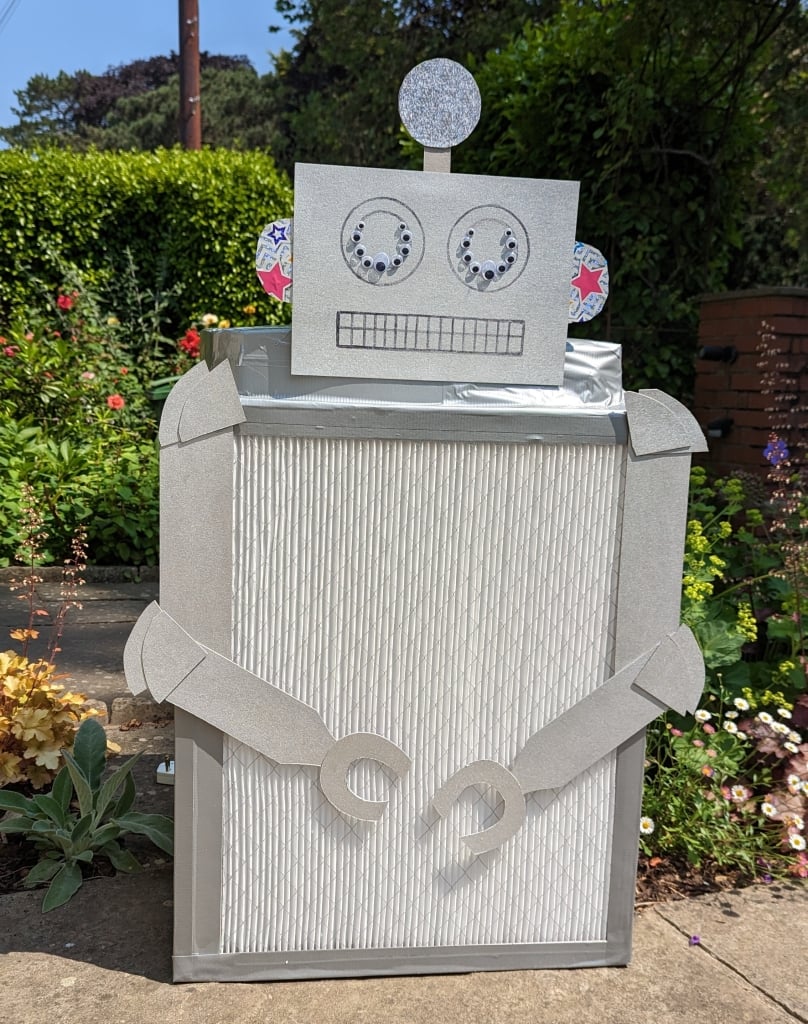
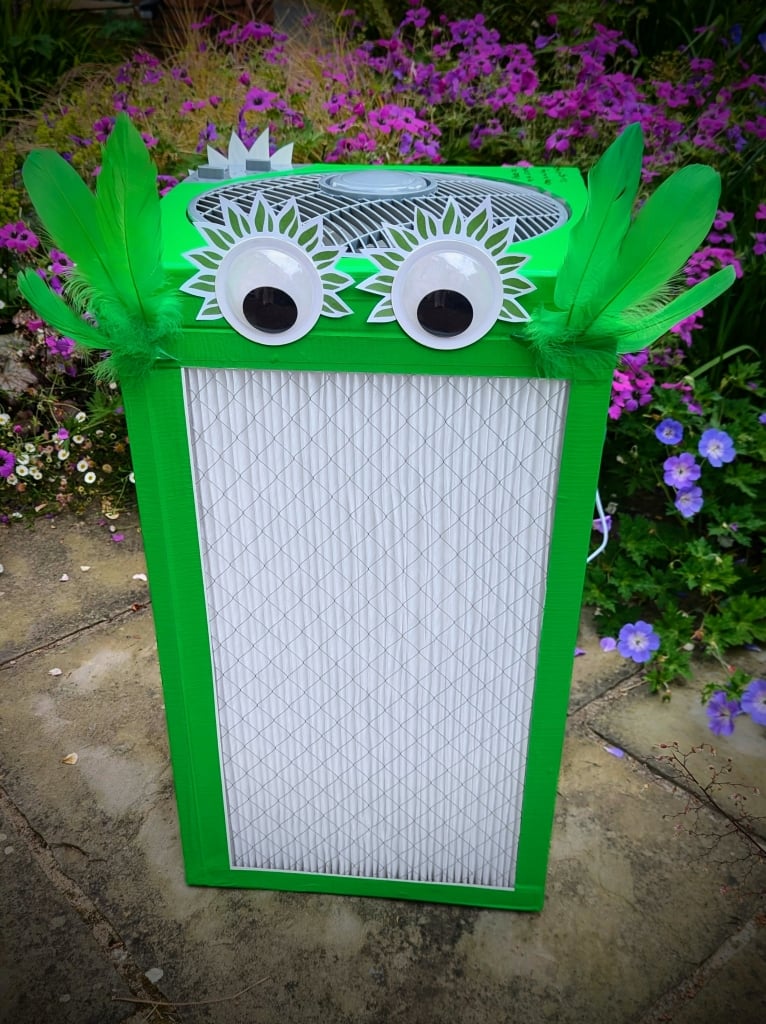
What is your main goal today?
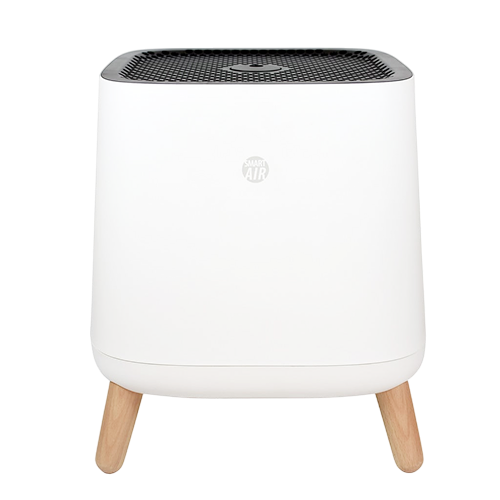
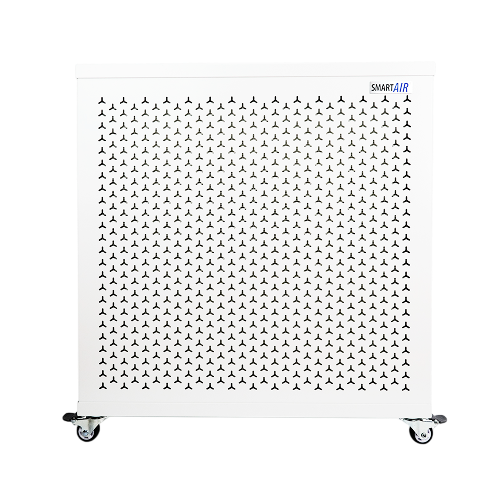
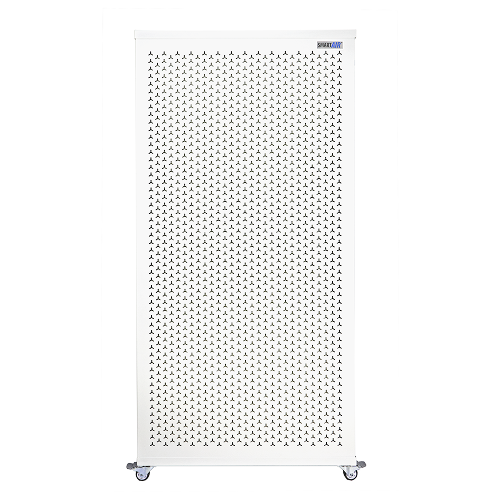
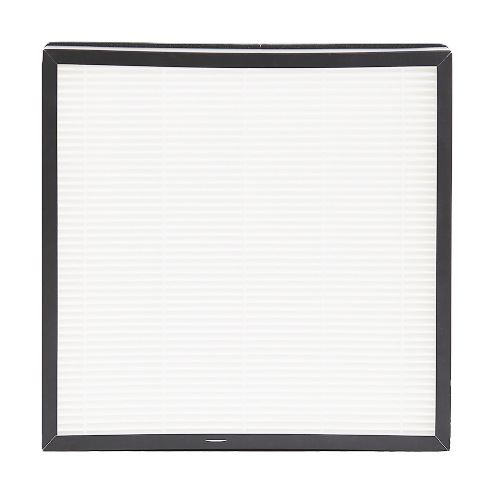
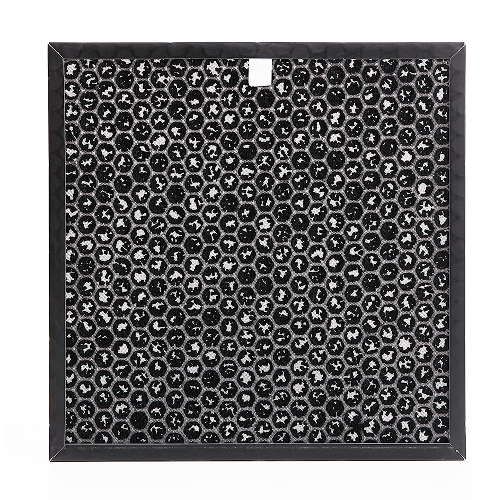
Right here and now, the main goal is for the UK government and/or regional councils who have the power, to develop an education policy that supports cleaner air in schools and to invest in air filtration. By simply adding an air filter to each classroom, monitoring air quality and regularly opening windows, we could significantly reduce the number of coughs, colds, and covid-19 infections that our kids catch at school. It would also increase attendance and improve their concentration.
I’m also keen on educating the kids. As we’ve seen with the climate movement, we need to give the next generation the knowledge on air quality. We breathe in 11,000 litres of air every day. I can only hold my breath for 1 minute! We depend on air but somehow give it very little consideration.
Why is clean classroom air important? Why are air filters helpful in classrooms?
For so many reasons! Better attendance, less sickness and better exam results. It also affects the adults in the building too, so less sickness amongst school staff equals less reliance on temporary teachers, which leads to a better learning experience for the kids. I don’t know about you but when I was at school, my classmates (not me obviously!) used to mercilessly tease the supply teachers and muck about, wasting time. So it’s important for kids’ education to have the maximum time with their teachers that know them well.
Ventilating properly and installing air filters is inexpensive and can be done immediately. There really is no downside, and it makes no sense to procrastinate.
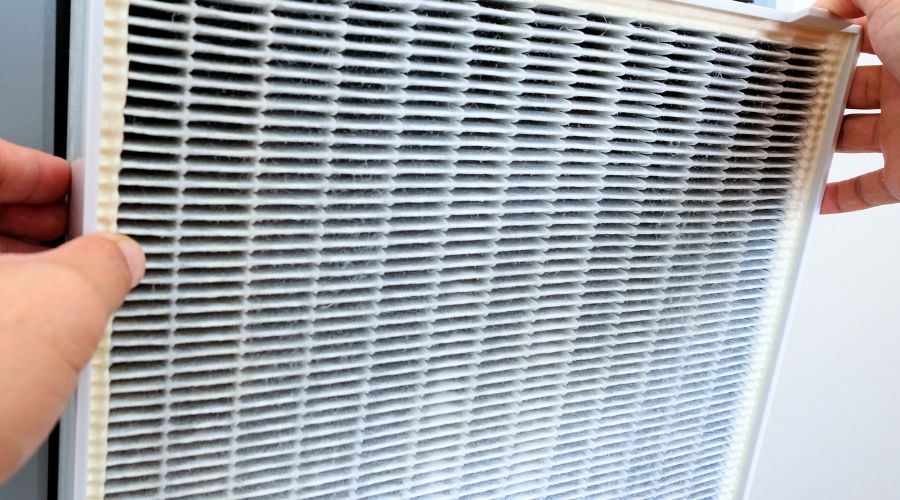
I like to think of air filters as the lungs of the room, continuously pulling in air and reducing the pollutants that we don’t want the children or their teachers breathing in, significantly helping to make the space safer for them all. They also provide consistency. During winter, ventilation really is terrible. The old school buildings are terribly cold, and their windows are often never opened during the school day. Having the filters on isn’t a replacement for ventilation, but they can really help keep the room safer under these circumstances.
What simple things can schools do first?
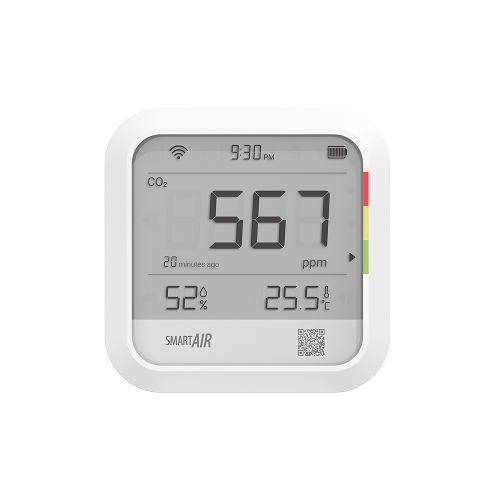
The government spent £69m on co2 monitors here in the UK but they are largely not used now. A great place to start would be to get them out, dust them off and start logging some data about what’s going on in all the classrooms. We really need to see the routine opening of windows in schools, even in winter, if only for a few minutes. This should be built in to the structure of the school day. A good pattern to establish would be a blast of shock ventilation at breaktimes and lunch. When the children go outside, open all the windows and doors to flush out the stale air. Sustained behaviour change is hard, so this would need to be supported by good communication and expectations, from head teachers and senior leadership teams. The school staff need to understand why this is important.
And of course, if air filters are present in school, please turn them on!
I would also like to see a change in approach to sickness policies. Currently parents are somewhat encouraged to send children in sick and attendance under any circumstance, is rewarded. Poorly children and teachers must stay at home, recover and avoid spreading their illness to others.
How can parents support clean air at school?
I would encourage any parents who care about air in schools, to try and link up with others in their community. Then start conversations with their school staff, particularly the head teacher. And if they live in the UK, they can sign our petition on the Clean Air for Kids website, and write to their member of parliament.
There are also template letters available on the website to make this easy.
How do you help families understand clean air?
I’ve been attending festivals and school fetes where I help children to make and decorate pinwheels (a simple children’s toy windmill made out of paper). They are symbolic of air movement and a good creative introduction to talking about air quality. When they’re finished the kids love seeing them spinning round in the breeze. While the kids are busy doing art, it’s a good time to get a good friendly chat going with the parents, find out what they care about, what they know about air and then get them to do a short quiz with their kids. It’s really interesting. I try and tell them a bit about classrooms and help them understand the problem.
If they are really interested I give them a flyer to take away and give to their school.
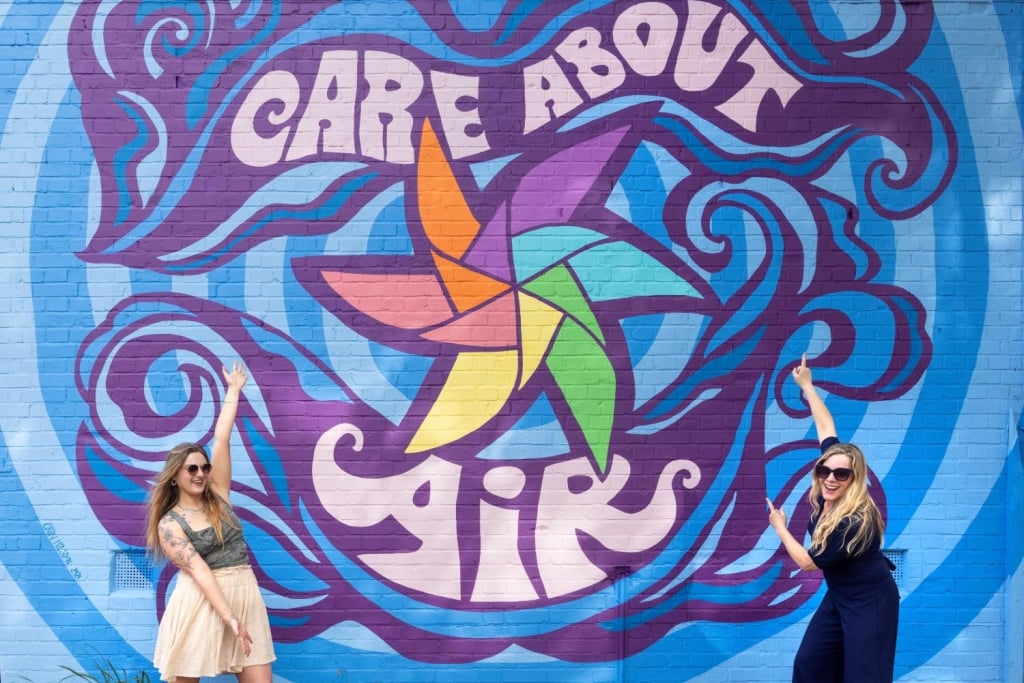
Can you tell us about your mural project?
This was such a fun project. It did get a bit stressful as we didn’t have long to get the design and messaging right. But we got there, I think.
Upfest is a big deal here in Bristol. It’s Europe’s largest street art festival with artists arriving from all over the world. There’s such a buzz in the streets around it. Previous events have had up to 80,000 visitors walking around so it’s a great opportunity to reach different audiences. Lots of children were stopping and asking questions as it was being painted.
I spend a lot of time talking and planning with passionate people who, on various levels, understand why air quality is important.
I wanted to side-step out of the silo. To enter a different space.
I love facts and data, but this doesn’t always cut through when I’m talking to other parents, teachers or kids.
Art can connect us, spark curiosity.. and drop-kick this into a place where we could meet and communicate with people who really won’t have given the air we’re breathing, much thought.
So far, the mural makes people smile and helps start a positive conversation. Last week I was about to have a pretty difficult discussion with our school business manager. Showing her this helped us begin with a chuckle. It’s certainly given me a bit of hope.
What is your hope for the future?
I love to imagine a future where I can see widespread understanding in society of air quality. That it’s just expected. It’s not just some niche topic that I alone happen to be excessively animated about! I want to see information and change in hospitals and schools certainly. But also recreational places that enhance our quality of life. It really is morally unacceptable that those in our communities who have health vulnerabilities should have to be excluded from these spaces.
Ultimately, I just want my kids to be safe, healthy and to enjoy being part of their school community.
Website – cleanairforkids.co.uk · Instagram – clean.air4kids.uk · LinkedIn – Ruth Brooker
Free Guide to Breathing Safe
Want to learn more about breathing clean air? Join thousands more and stay up to date on protecting your health.