People often think of trees and green space help improve air quality and filter out pollutants, but how much do they actually help? And which tree is best for the job?
Trees aren’t Filters
First, we need to stop thinking that trees are filters. They’re not. The biggest effect they have on particles is to serve as a place for particles to land. They’re more like a runway than a filter.
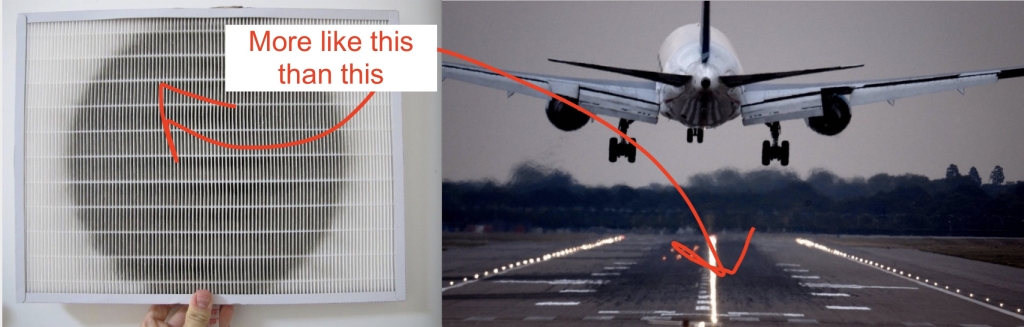
And why would they be filters? Why would trees have evolved to suck up our pollution?

Effect of Greenspace on Particulate Air Pollution
Let’s get to the numbers. Scientists estimated how much greenspace in major cities reduces PM2.5 (other studies: 1, 2). PM2.5 is particles that come from things like burning coal. These particles can lodge deep in our lungs.

The results were underwhelming. Across 10 US cities, the effects ranged from 0.05% to 0.24%.
That’s NOT 24%. No, that’s as much as a quarter of one percent. Party time!

Let’s look at the greenest city in the study, Atlanta. Atlanta is 52.1% covered in trees!
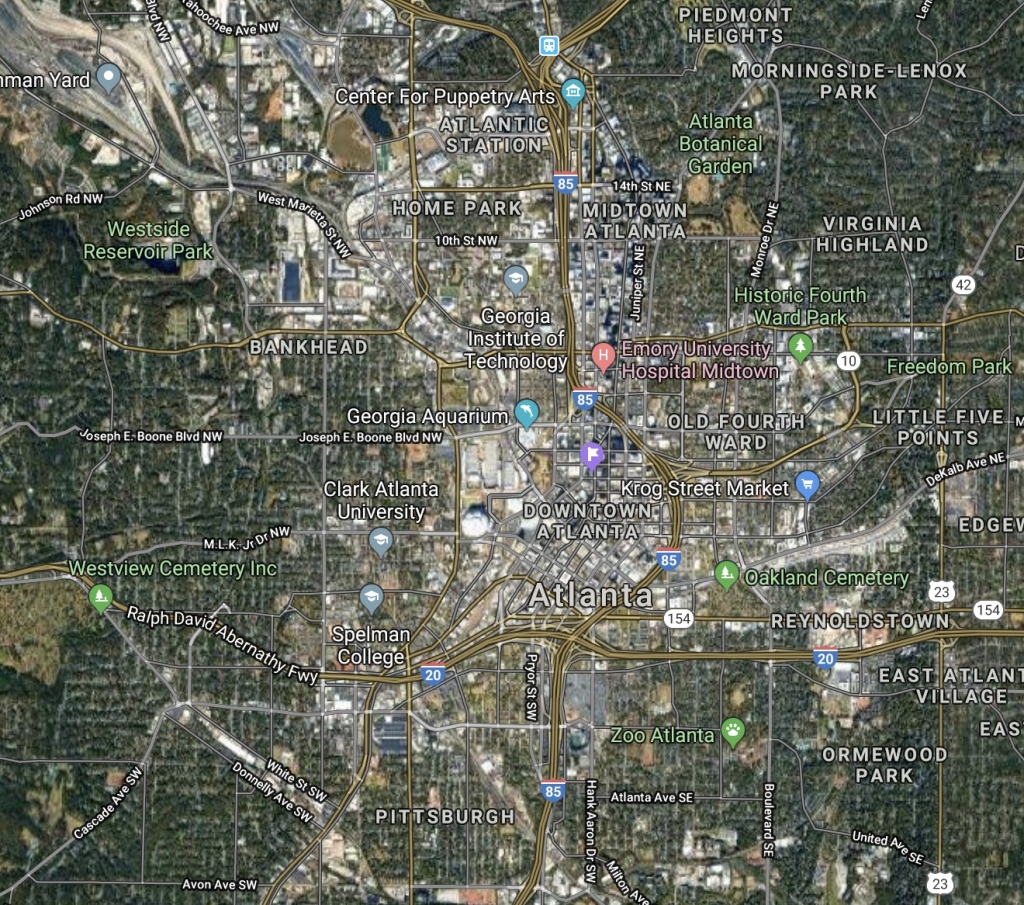
Yet even that high amount of tree cover reduces PM2.5 pollution by 0.24%, according to the study. If Atlanta wanted to reduce pollution by a modest 10%, they would have to cover the entire city TEN TIMES over in trees.
Little Particle Runways
That tiny effect mostly comes from when particles land on the tree, NOT the tree sucking up particles.
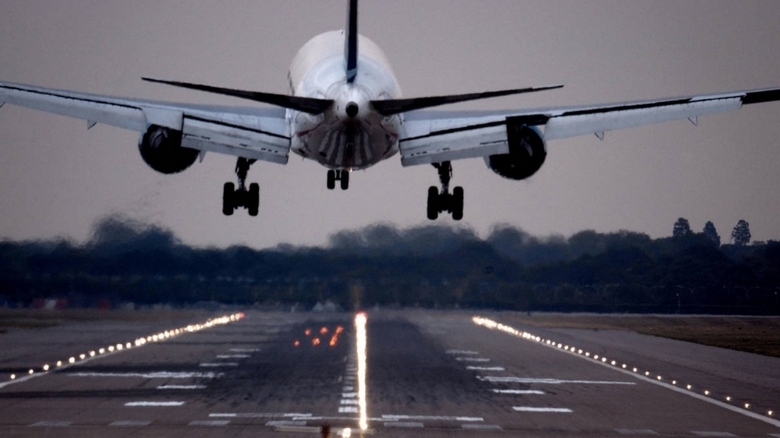
But hey, researchers found that some trees are better runways than others, so we can talk about better trees and worse trees.
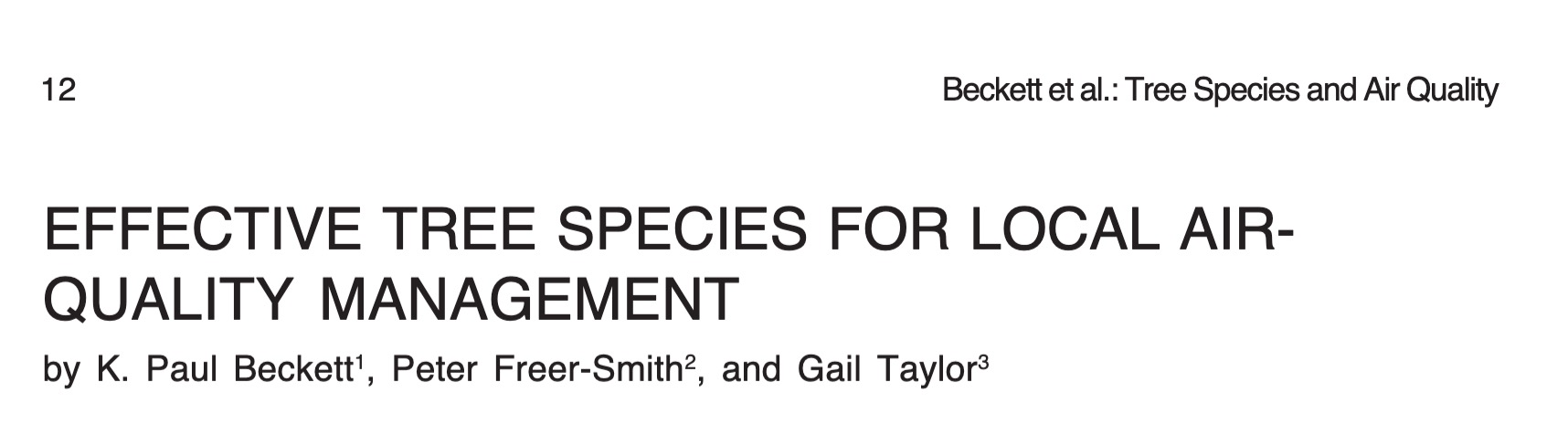
Scientists in the UK plucked leaves from different kinds of trees, washed them, and measured how much particulate was on them.
The Gold Medal: Pine trees were the clear winner. They captured about twice as much particulate as leafy trees because pine needles (1) stick around all year long, (2) have a larger surface area, and (3) have an arrangement that tends to create turbulent air flow around the needles, which makes particles more likely to stick than smooth air flow.

Silver Medal: Another factor that mattered was having a rough surface on the leaves. The researchers found that broad-leaved trees with rough leaf surfaces capture more particles. For example, the whitebeam tree has rough leaves and captured more than twice as much as the poplar trees, which have smooth leaves.
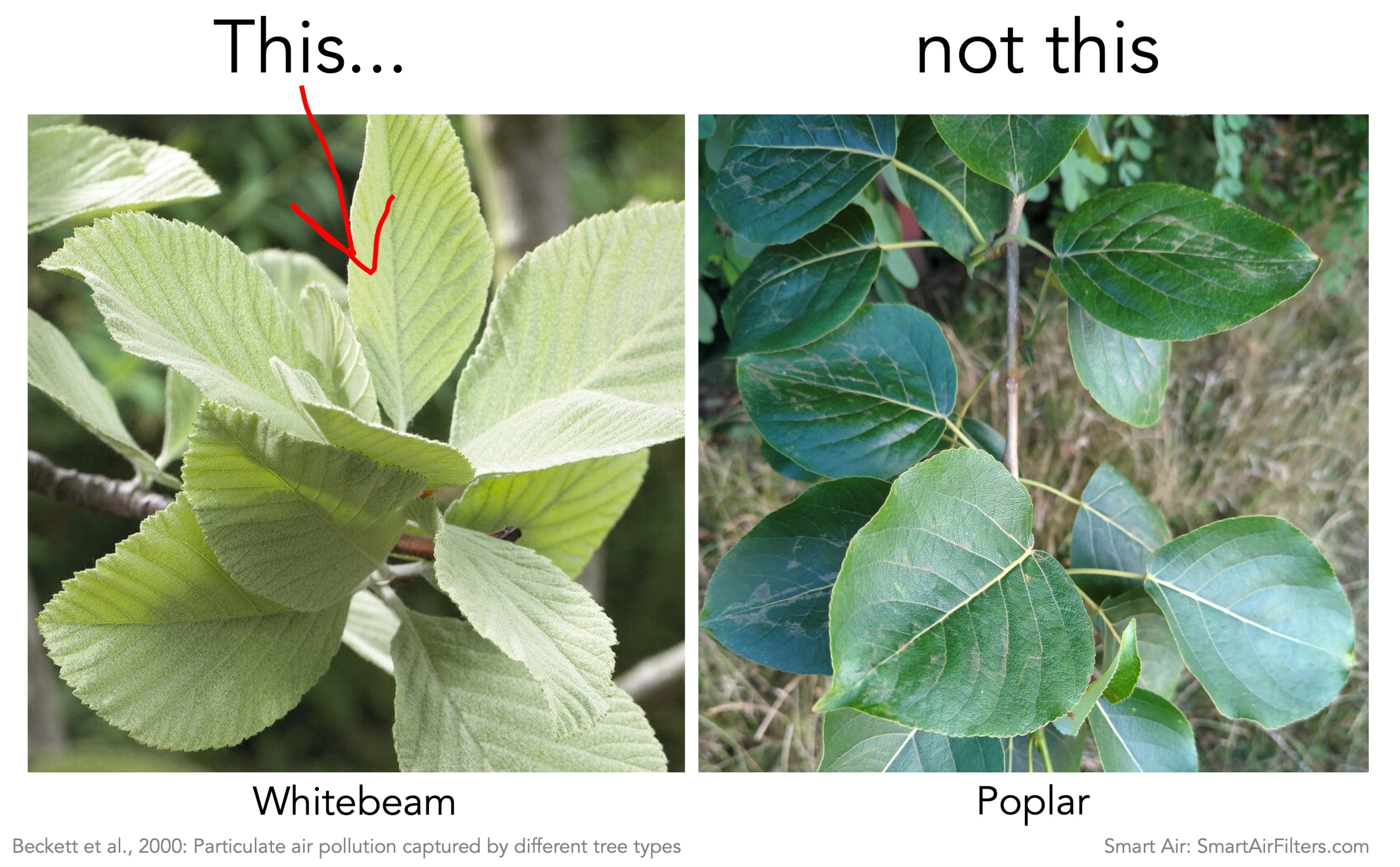
Pine trees and trees with rough-textured leaves captured the most air pollution particles, but trees overall have a small effect on PM2.5 pollution.
P.S. What about other kinds of pollution?
Particulate is an important pollutant, but it’s not the only type of air pollution. Perhaps trees have a bigger effect on gas pollutants like ozone or NO2. I haven’t seen studies on gas pollutants. There’s also CO2, which isn’t so directly harmful, but warms our planet. Trees help store carbon dioxide.

P.P.S. Other uses for trees: Blocking sandstorms
In fairness, trees can help in other ways. One way China used trees to fight air pollution is by blocking sandstorms from blowing into Beijing.
Trees can also keep cities cooler, which could reduce energy use and therefore pollution. Trees could also reduce ozone pollution because ozone forms more when it’s hot out.
Free Guide to Breathing Safe
Want to learn more about breathing clean air? Join thousands more and stay up to date on protecting your health.