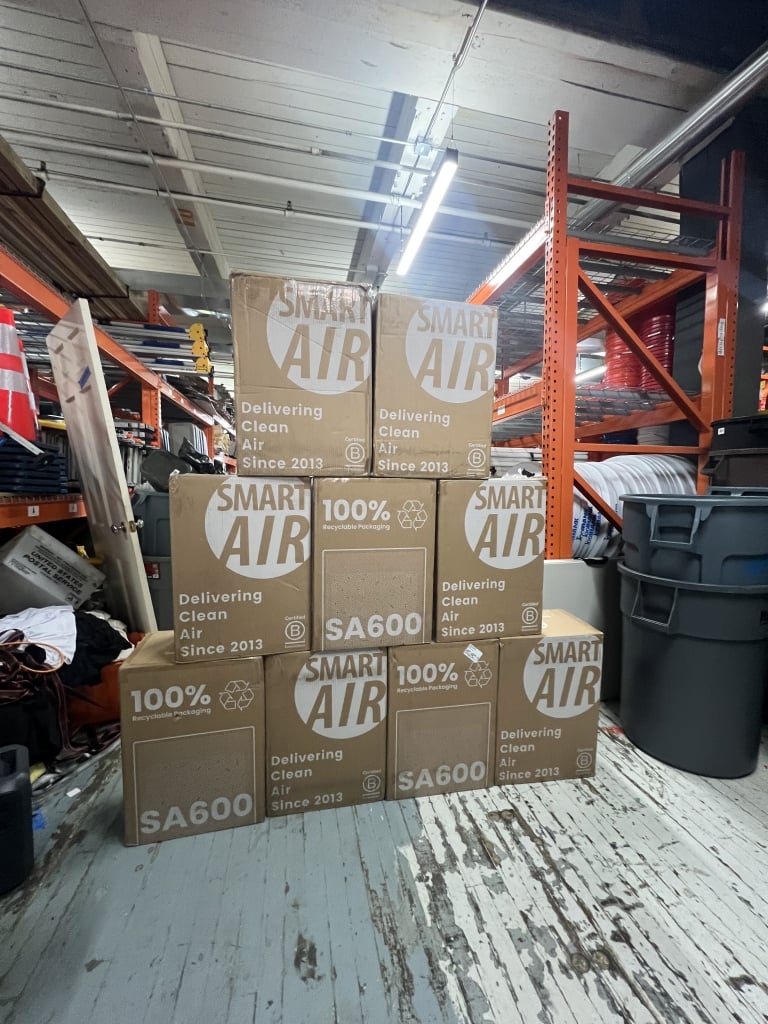
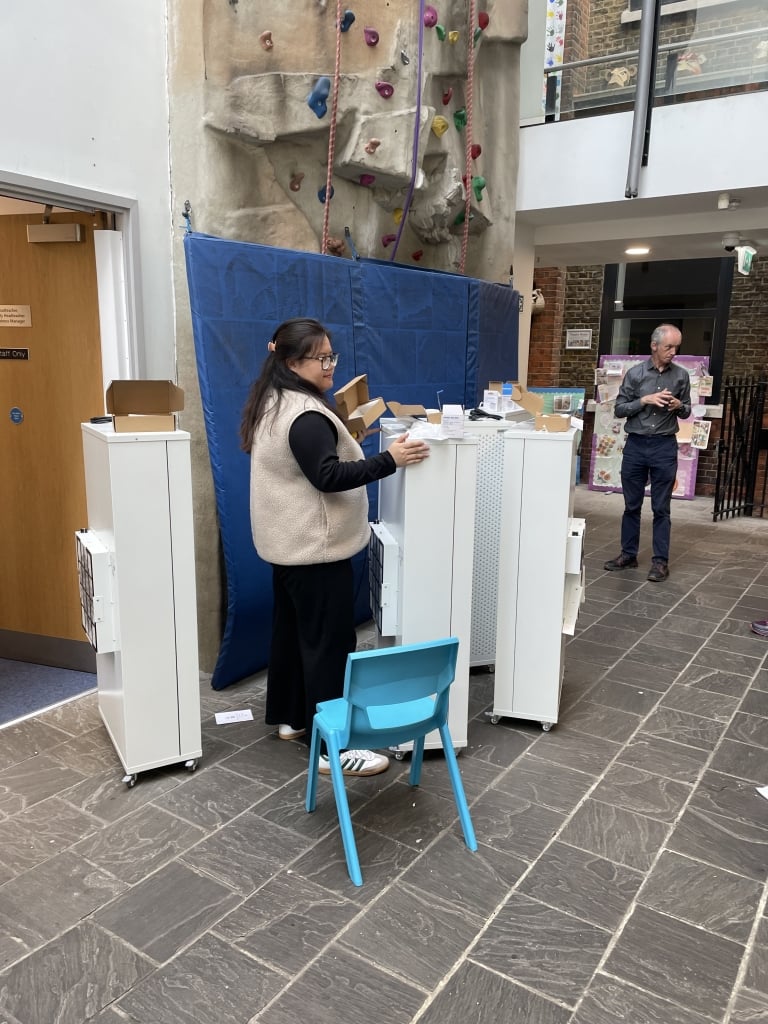
A study conducted by WSP for the Greater London Authority (GLA) found that commercial air filtration systems can reduce PM2.5 in classrooms under real-world conditions. The research, conducted across five London primary schools in 2024, evaluated the effectiveness of air filtration systems and their suitability for everyday classroom use.
Testing Air Purifiers in Classrooms
The study was conducted by WSP, a global professional services firm specializing in engineering, environmental consulting, and infrastructure, on behalf of the GLA. It aimed to assess whether air filtration could measurably reduce pupils’ exposure to PM2.5 and be practical for wider use in London schools.
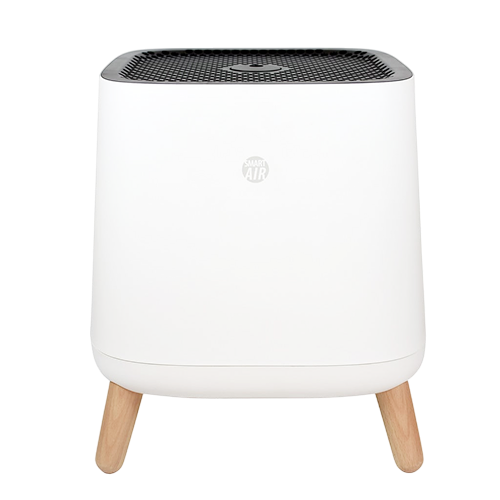
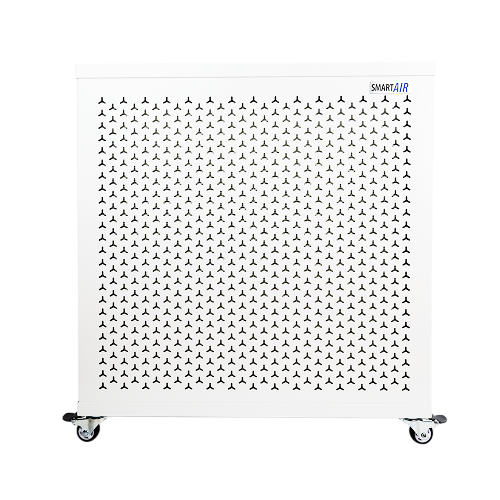
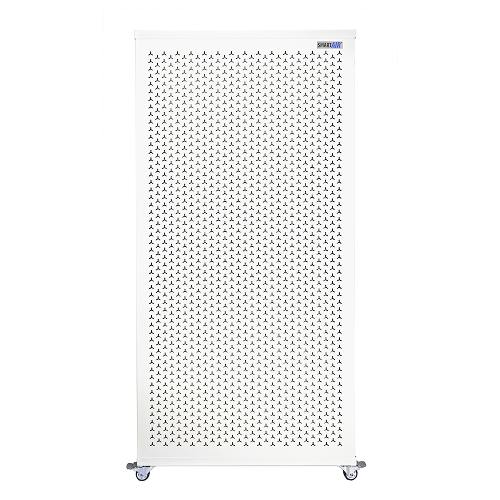
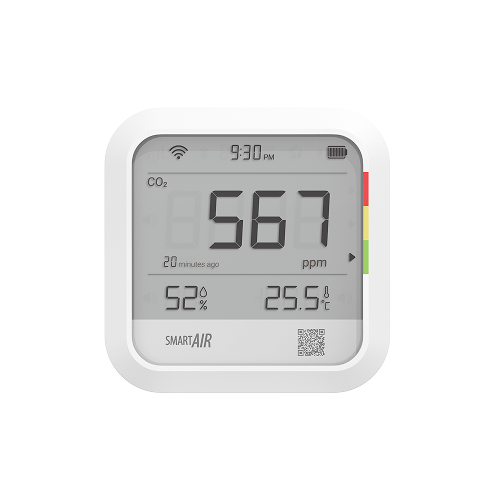
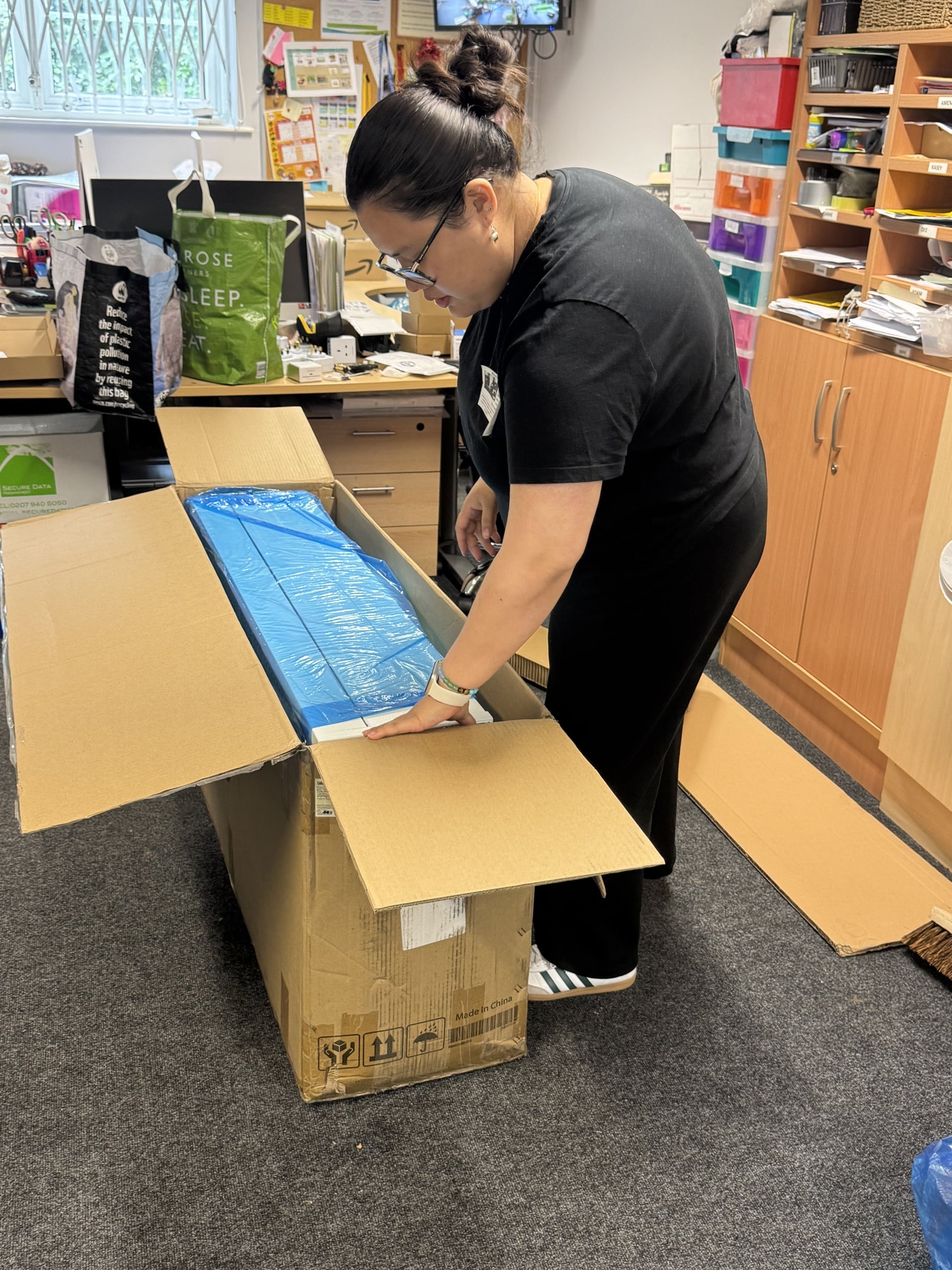
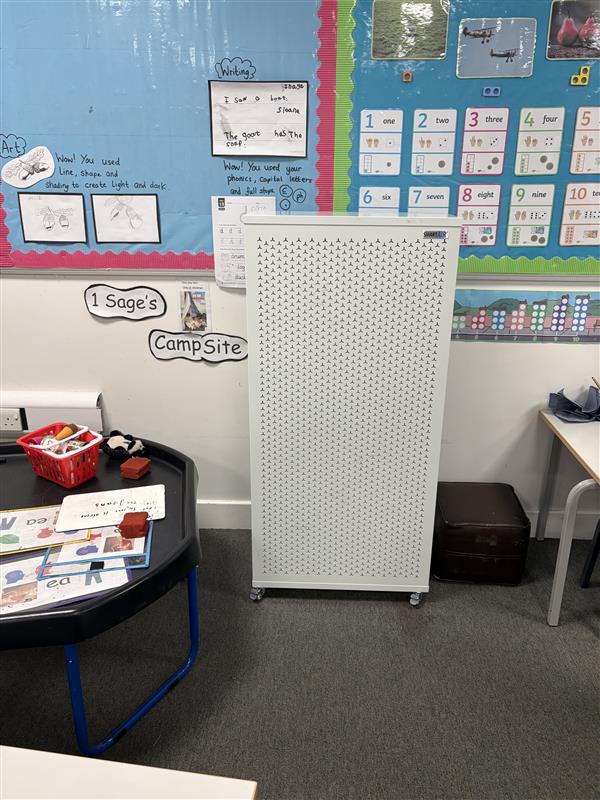
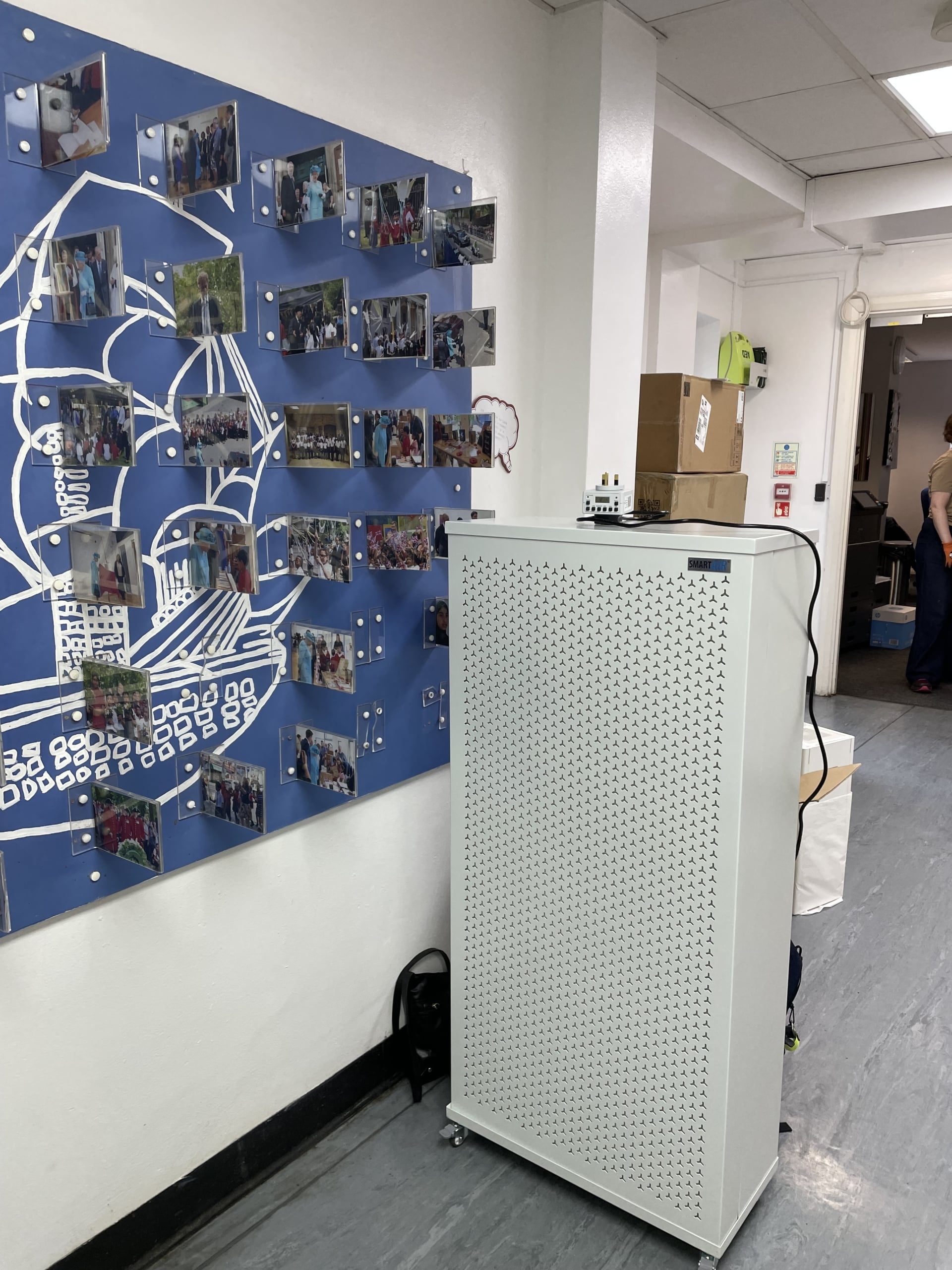
WSP installed Smart Air Blast air purifiers alongside filtration systems from other companies in primary schools, using air quality monitors to continuously measure PM2.5 concentrations in filtered classrooms and compare them with unfiltered control classrooms. The evaluation also considered practical factors such as noise, equipment placement, classroom safety, and potential disruption to lessons, providing insights into both the effectiveness and feasibility of air filtration in real school environments.
Key Findings: Up to 68% Lower PM2.5 in Most Classrooms
The study found that 10 of 11 classrooms with filtration systems had lower PM2.5 than their unfiltered classrooms.
The largest measured reduction was at Old Bexley Church of England Primary School, where Smart Air Blast Air Purifier recorded a 68.39% lower average PM2.5. The medium commercial system achieved a maximum reduction of 50.8% at the same school.
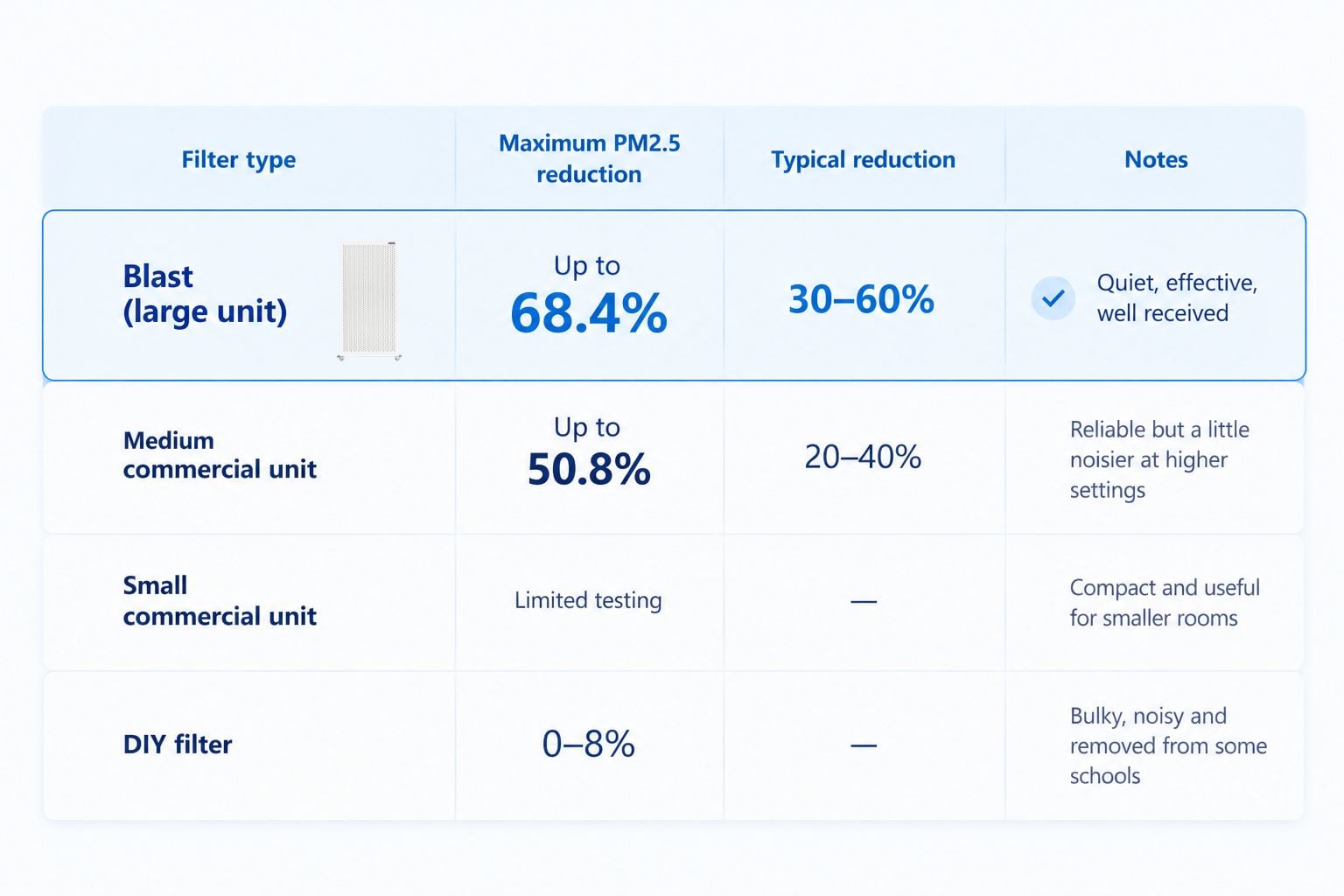
The report found that air purifiers were generally effective at reducing classroom PM2.5 and were well received by school staff. Staff reported no disruption to classroom activities.
However, the results also highlighted the importance of classroom conditions. Open windows and doors, placement, room location, and whether air purifiers remained switched on could influence filtration performance.
Supporting Cleaner Air in London’s Schools
Following the pilot, the Mayor of London announced a £2.7 million School Filters Programme in October 2025, aiming to bring air filtration to at least 200 London schools. Smart Air was selected as a project partner, supporting the wider effort to improve classroom air quality and help children breathe cleaner air where they learn.
Today, more than 200 schools across the Greater London Authority’s program are using Smart Air purifiers. Built for durability and long-term use, the Smart Air Blast is designed to serve schools for years to come. We hope this initiative will inspire more schools across the UK to invest in cleaner classroom air, helping create healthier learning environments where students can focus on learning and thrive.
Free Guide to Breathing Safe
Want to learn more about breathing clean air? Join thousands more and stay up to date on protecting your health.