Smart Air has identified the “10 Most Polluted Cities in Germany” based on 2024 data. If you’re in Germany and concerned about air quality, this article is for you!
Scroll down to see the complete list of Germany’s most polluted cities, along with their annual PM2.5 levels in micrograms per cubic meter (µg/m³). Remember, the WHO recommends an annual limit of 5 µg/m³.
Data Source: EEA
Rankings: Top 10 Most Polluted Cities in Germany in 2024
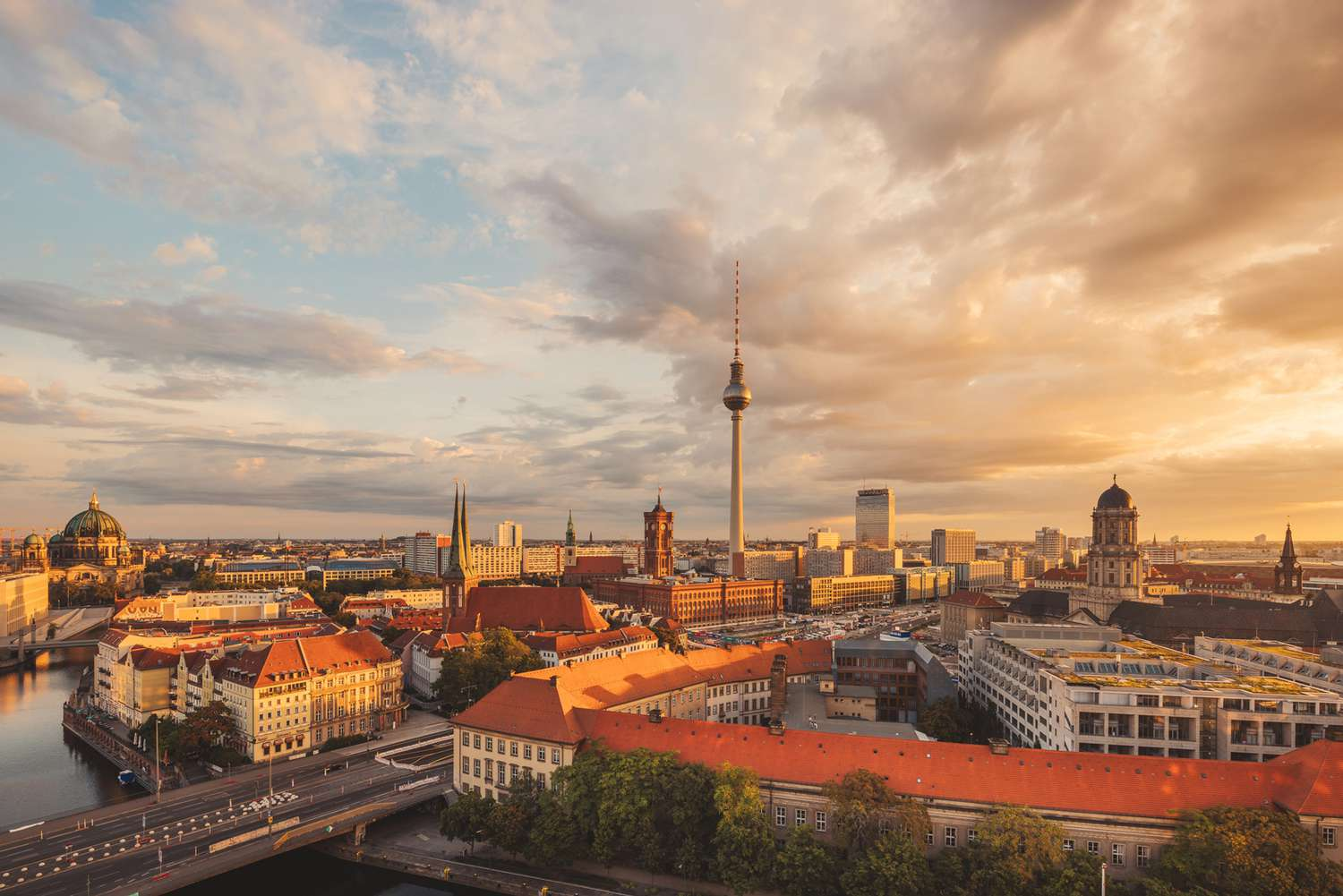
1. Berlin (10.5 µg/m3)
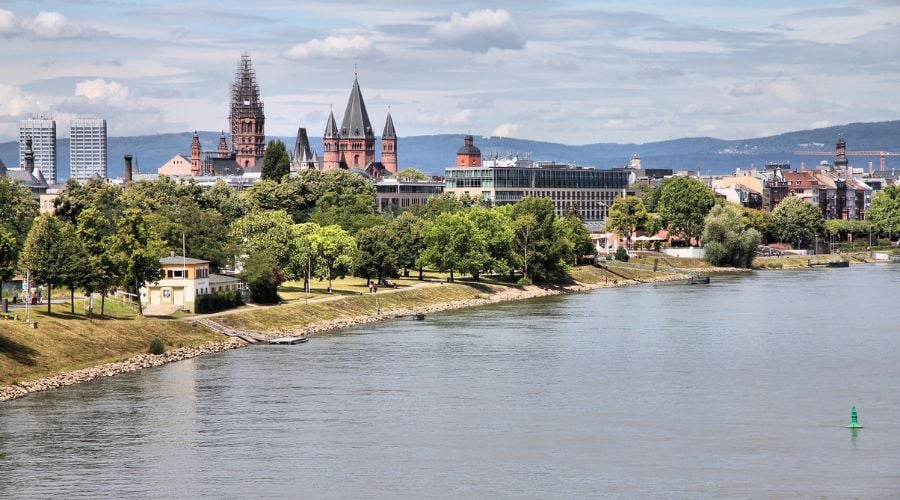
2. Mainz (8.9 µg/m3)
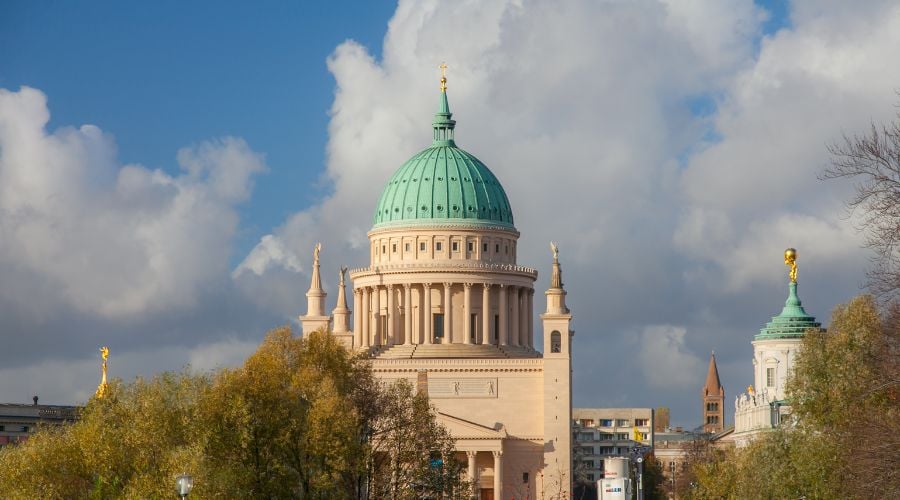
3. Potsdam (8.9 µg/m3)
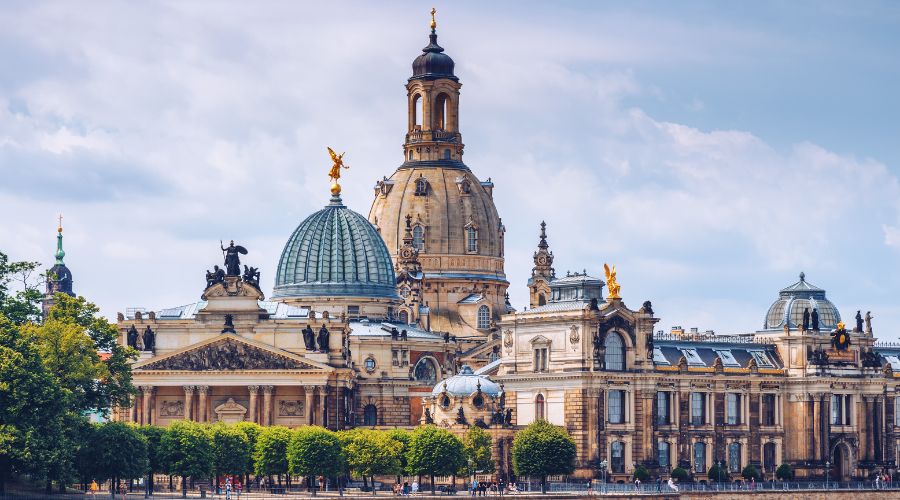
4. Dresden (8.6 µg/m3)
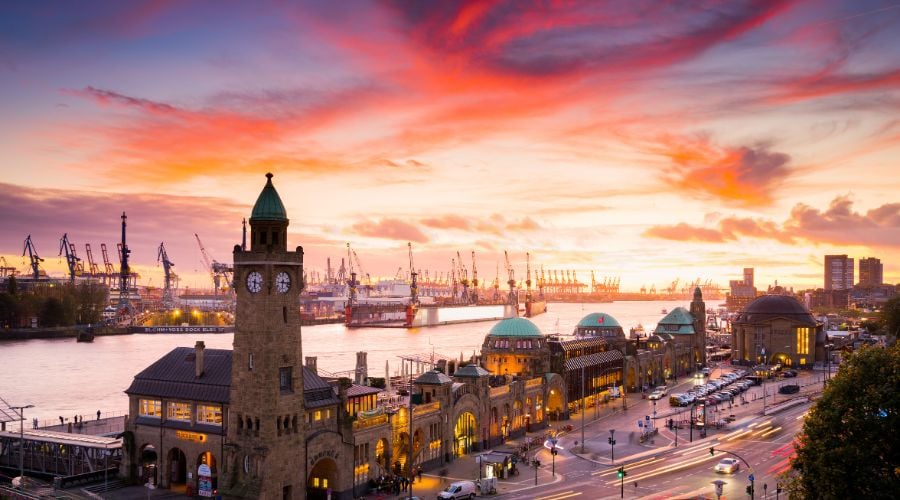
5. Hamburg (8.6 µg/m3)
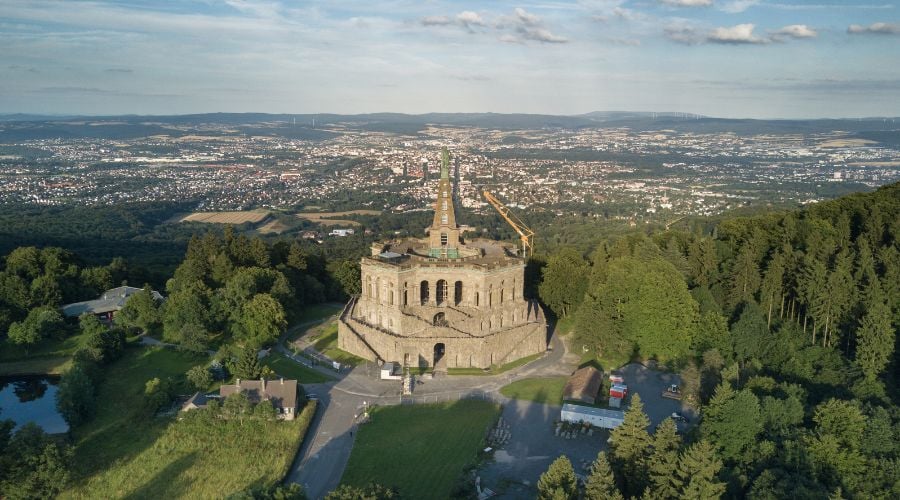
6. Kassel (8.6 µg/m3)
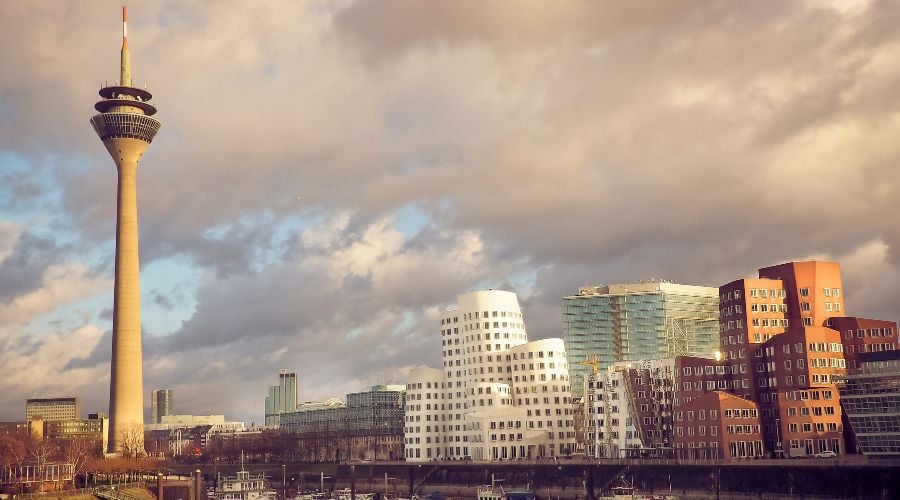
7. Düsseldorf (8.4 µg/m3)
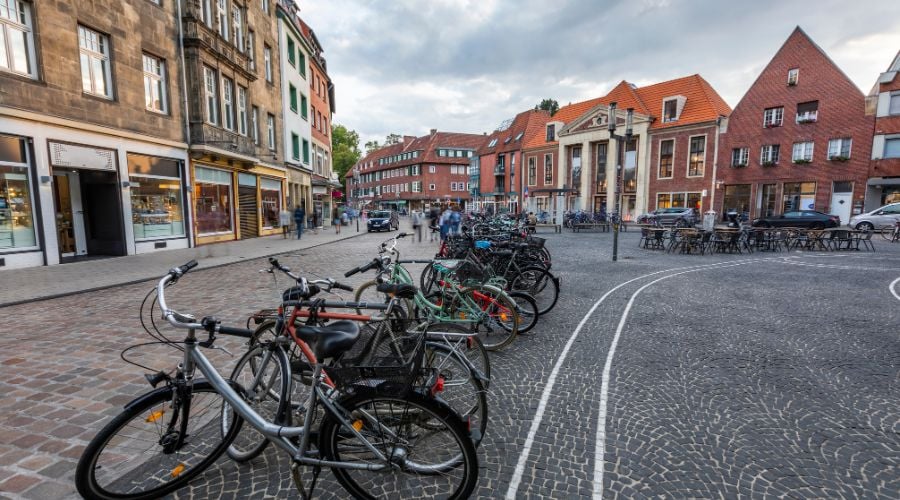
8. Münster (8.4 µg/m3)
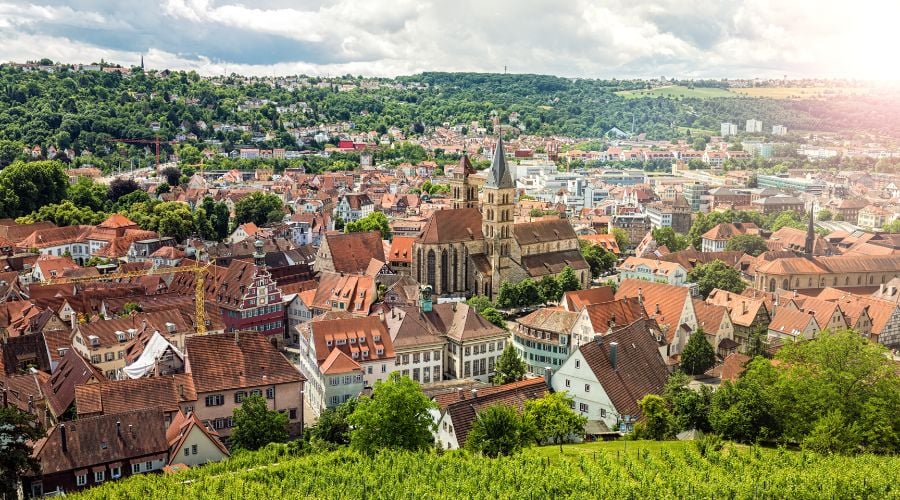
9. Stuttgart (8.4 µg/m3)
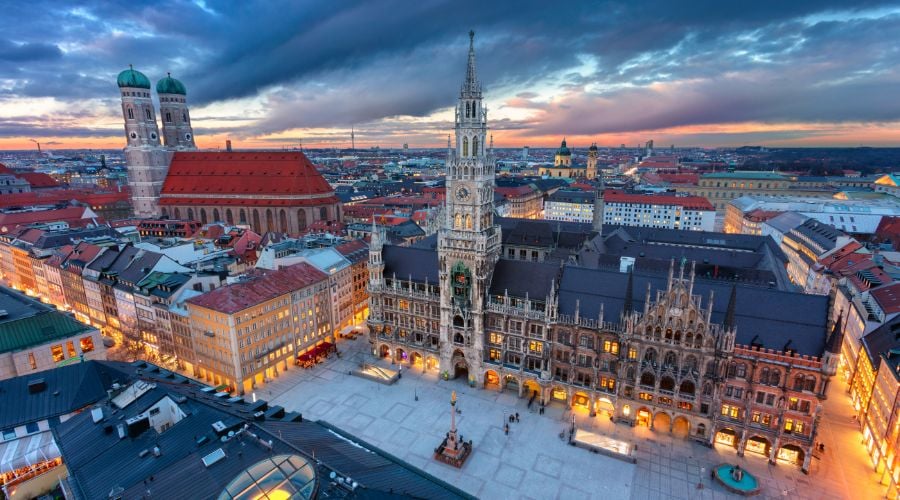
10. Munich (8.2 µg/m3)
Read more: The 15 Least Polluted Cities in the European Union
Results: Germany’s Most Polluted Cities
Most of the cities on the list are large urban centers with dense populations and significant traffic congestion, both of which contribute to air pollution.
Berlin, Hamburg, Munich, Stuttgart, and Düsseldorf are among Germany’s largest and most industrialized cities. Even smaller cities like Mainz, Potsdam, and Münster are regional capitals or university hubs, which see heavy daily commuter traffic.
How Air Pollution Was Measured to Find the Most Polluted Cities in Germany
There are various pollutants (both particles and gases) that can be found in the air. One of the most commonly tracked pollutants is very small, fine particles called PM2.5.
These small pollutants are under 2.5 micrometers in width and are considered to be one of the more dangerous pollutants due to their ability to enter deep into the lungs and bloodstream. Studies have shown that PM2.5 raises blood pressure, inflammation, and rates of heart attacks and strokes. The above rankings of the most polluted cities in Germany were based on their 2024 average PM2.5 pollution levels.
Free Guide to Breathing Safe
Want to learn more about breathing clean air? Join thousands more and stay up to date on protecting your health.