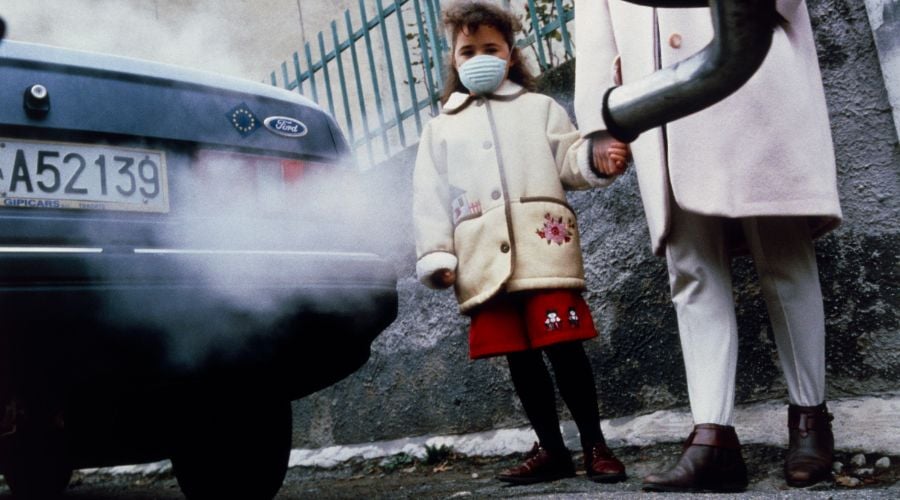
Can air quality impact your food allergies? This article gets to the bottom of how particles in your air can impact on food hypersensitivity and will help you know how to protect yourself and reduce the impact of food allergies on your body.
Can Indoor Air Quality Affects Food Allergy Risk in Children?
One study conducted in China, researchers examined 2,500 children aged 3 to 6 and found out that 1 in 7 children had food allergies.
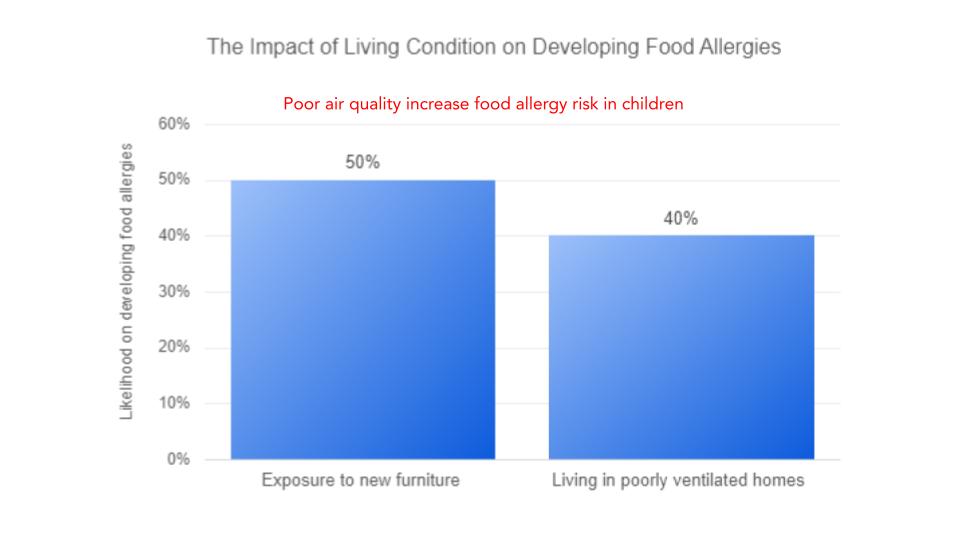
Exposure to fumes from new furniture or living in poorly ventilated homes increased the risk of food allergies by 50% and 40%.
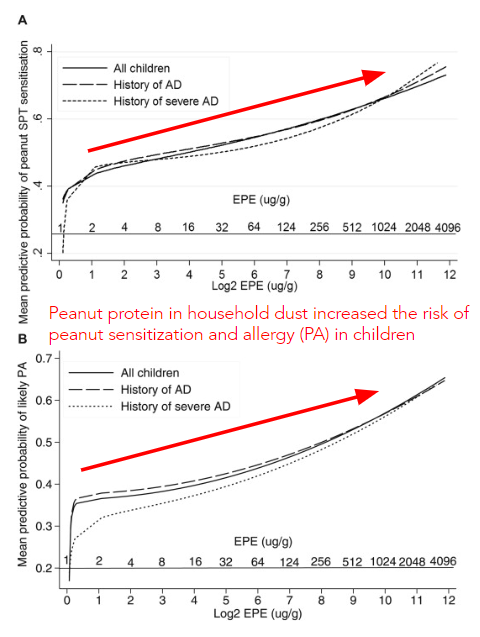
Another study found that more peanut protein in household dust increased the risk of peanut sensitization and allergy (PA) in children.
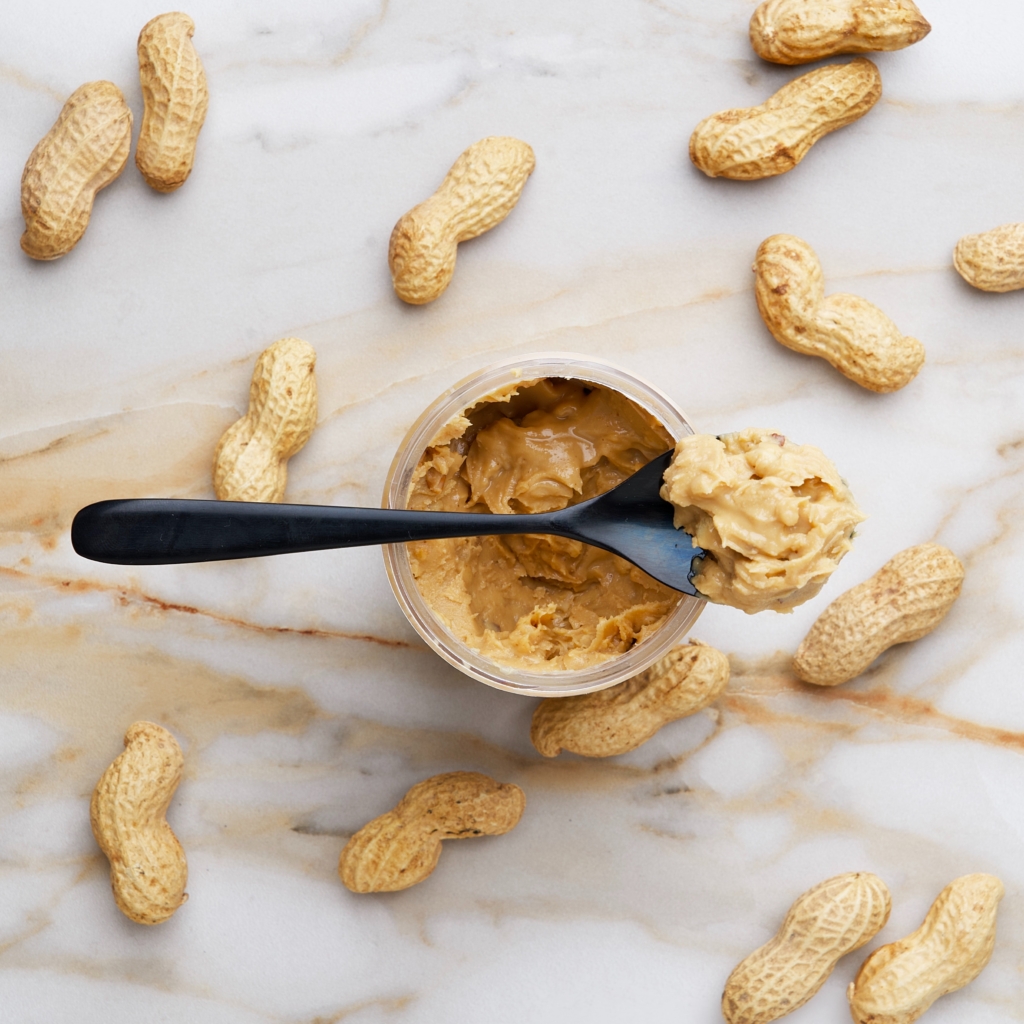
Exposure to peanuts through a compromised skin barrier, especially in children with atopic dermatitis (AD), may cause peanut sensitization.
Can Air Purifiers Reduce Food Allergy Risk?
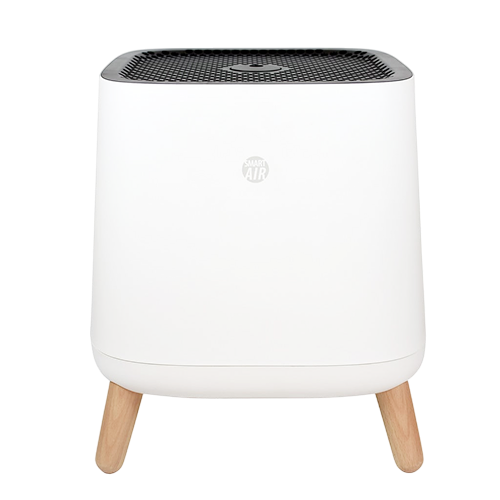
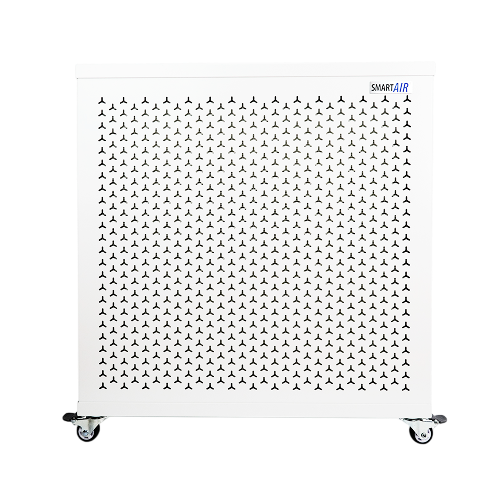
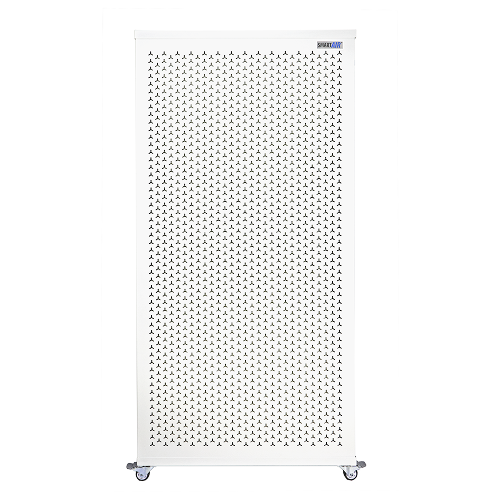
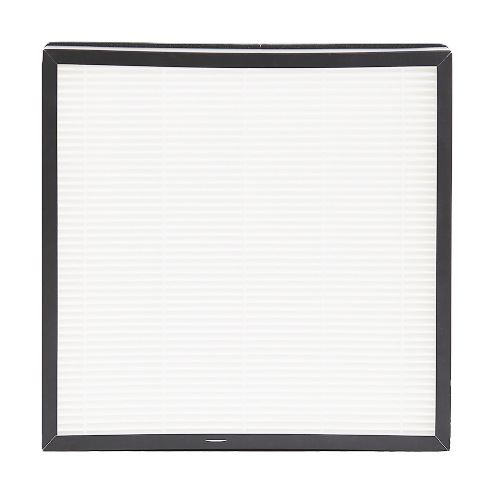
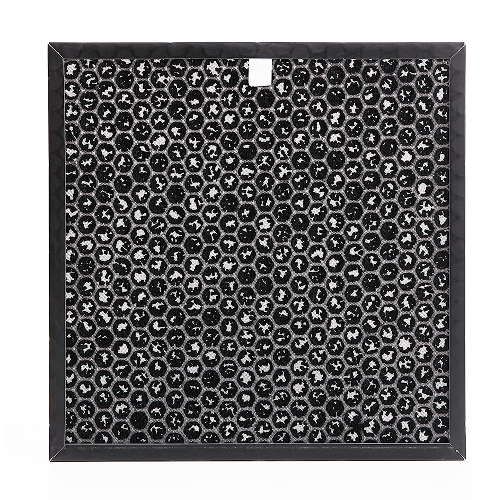
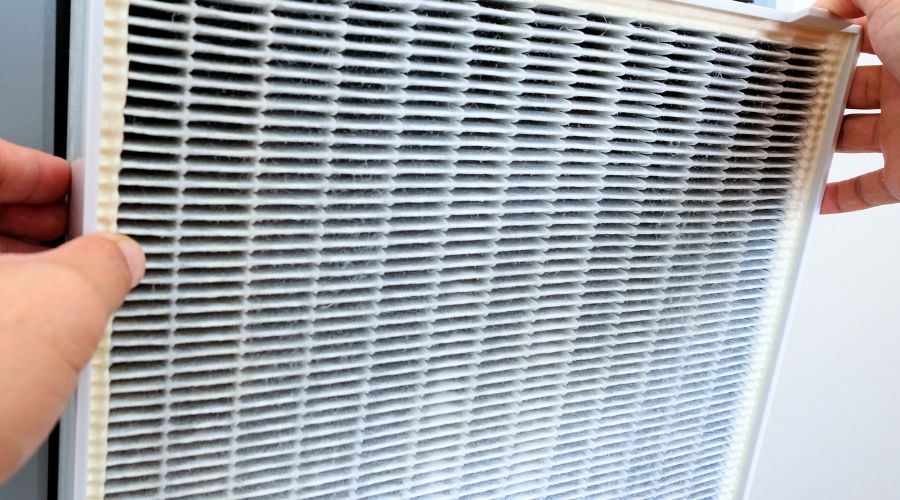
While there is no direct evidence that air purifiers reduce food sensitization and allergies, using an air purifier alongside regular cleaning can reduce household dust and potentially lower allergen levels.
HEPA air purifiers have been shown in studies to decrease dust mite allergens and PM levels, improving quality of life for those with allergic asthma.

Children exposed to air pollution in early years are at a higher risk of developing food allergies and air purifiers can be part of the solution.
Free Guide to Breathing Safe
Want to learn more about breathing clean air? Join thousands more and stay up to date on protecting your health.