
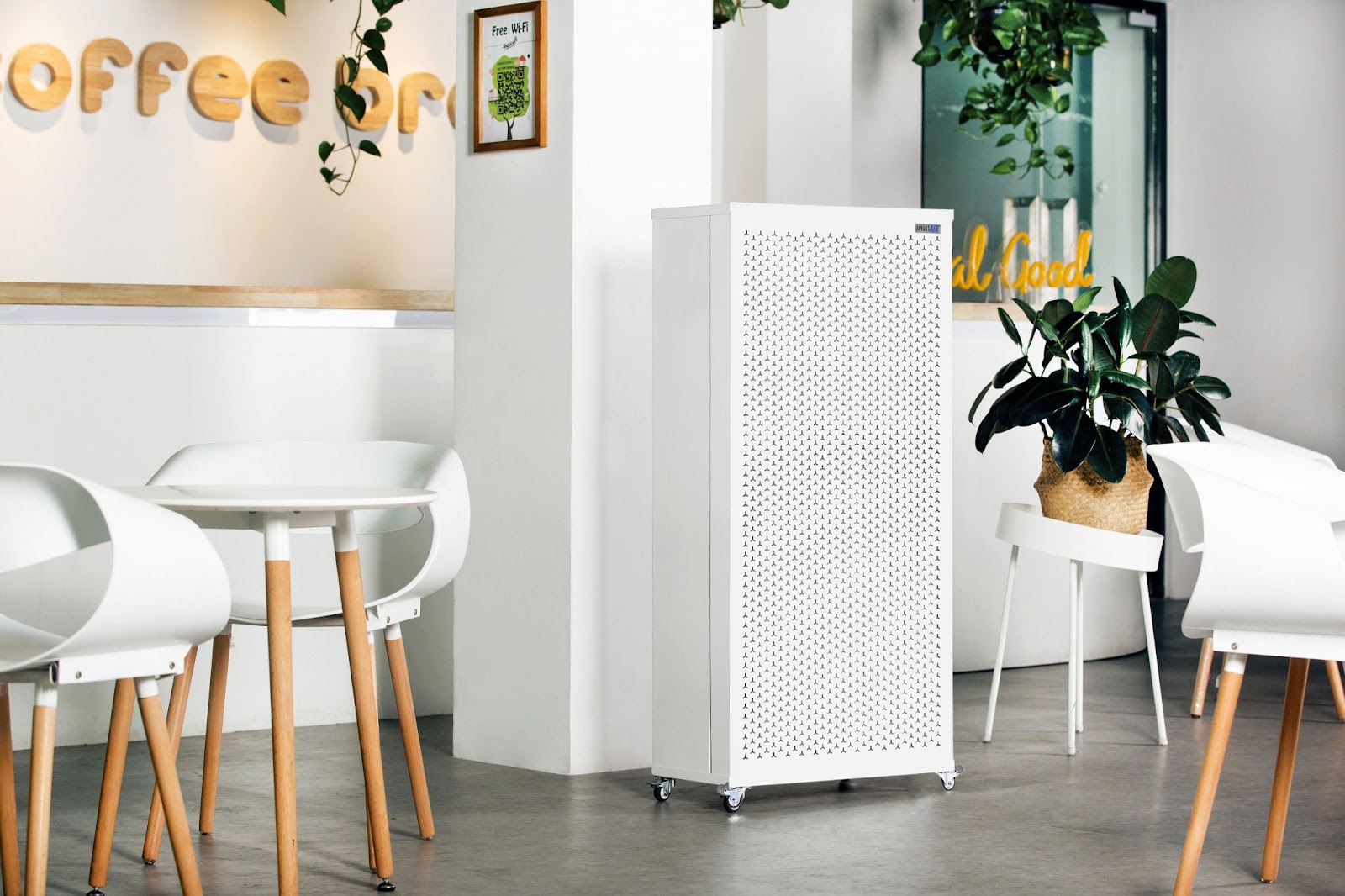
Air purifiers have become essential tools in our pursuit of cleaner and healthier indoor air. They are designed to filter out particles, viruses, bacteria, and various airborne contaminants, ensuring that we can breathe safe air. While many air purifiers boast innovative features, this article will delve into why you won’t find these particular features in Smart Air products.
Ionizers on Air Purifiers
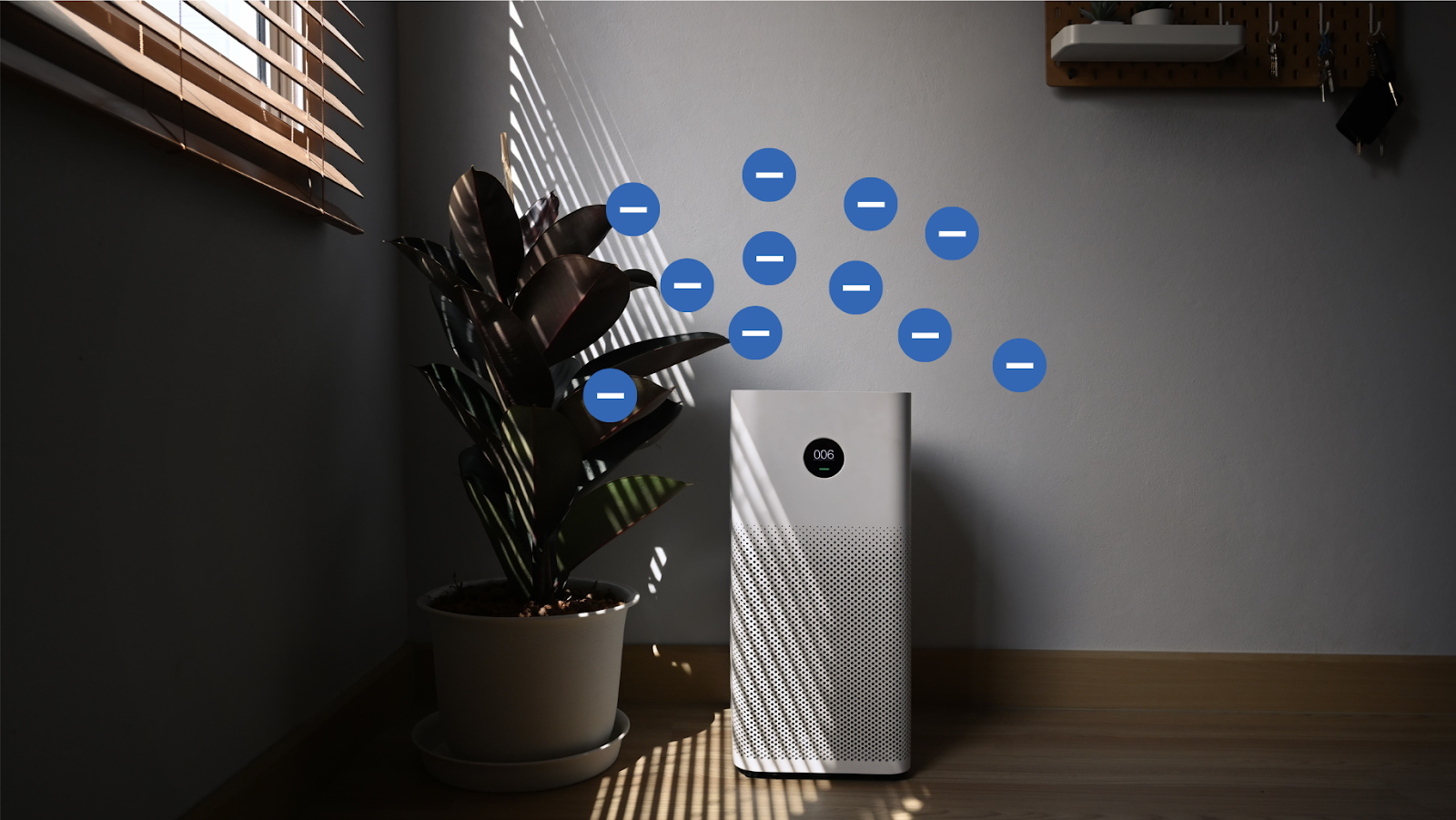
Ionizers are one of the features you might find in some air purifiers. They operate by releasing negative ions into the air, which, in turn, attract and capture positively charged particles like dust, allergens, and contaminants. However, there’s a catch – these attracted particles often end up settling on surfaces like beds, walls, and floors, rather than being effectively removed from the air. This limitation affects their overall efficiency in improving air quality.
Furthermore, ionizers have a downside: they can generate ozone and volatile organic compounds (VOCs), potentially posing health risks when used in enclosed spaces. See how ionizers work here.
UV Light on Air Purifiers
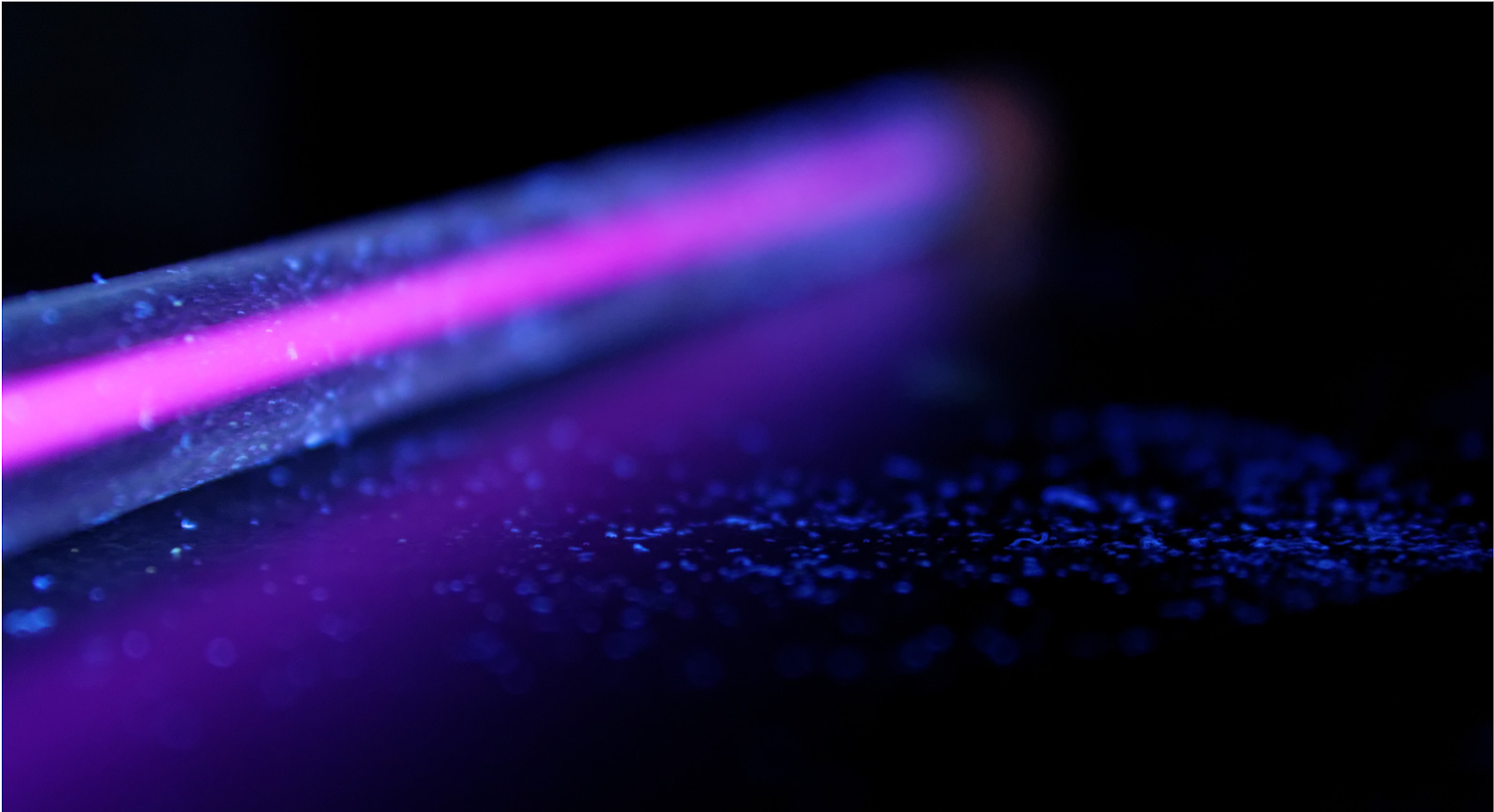
UV-C (short-wave ultraviolet) light is another technology commonly utilized for its germicidal properties.UV-C light (200-280 nm) effectively deactivates bacteria, viruses, and mold, reducing their presence in the air. However, it’s important to note that UV-C light requires sufficient exposure time to be effective in eliminating these organisms.
While UV light is a valuable addition to air purification, it often accompanies HEPA (High-Efficiency Particulate Air) filters, capturing up to 99.9% of viruses and bacteria in a single pass. Nevertheless, using UV light in air purifiers comes with challenges,, including rapidly losing effectiveness, additional operating costs, maintenance difficulties, and the potential to damage HEPA filters.
Built-in Air Quality Monitor
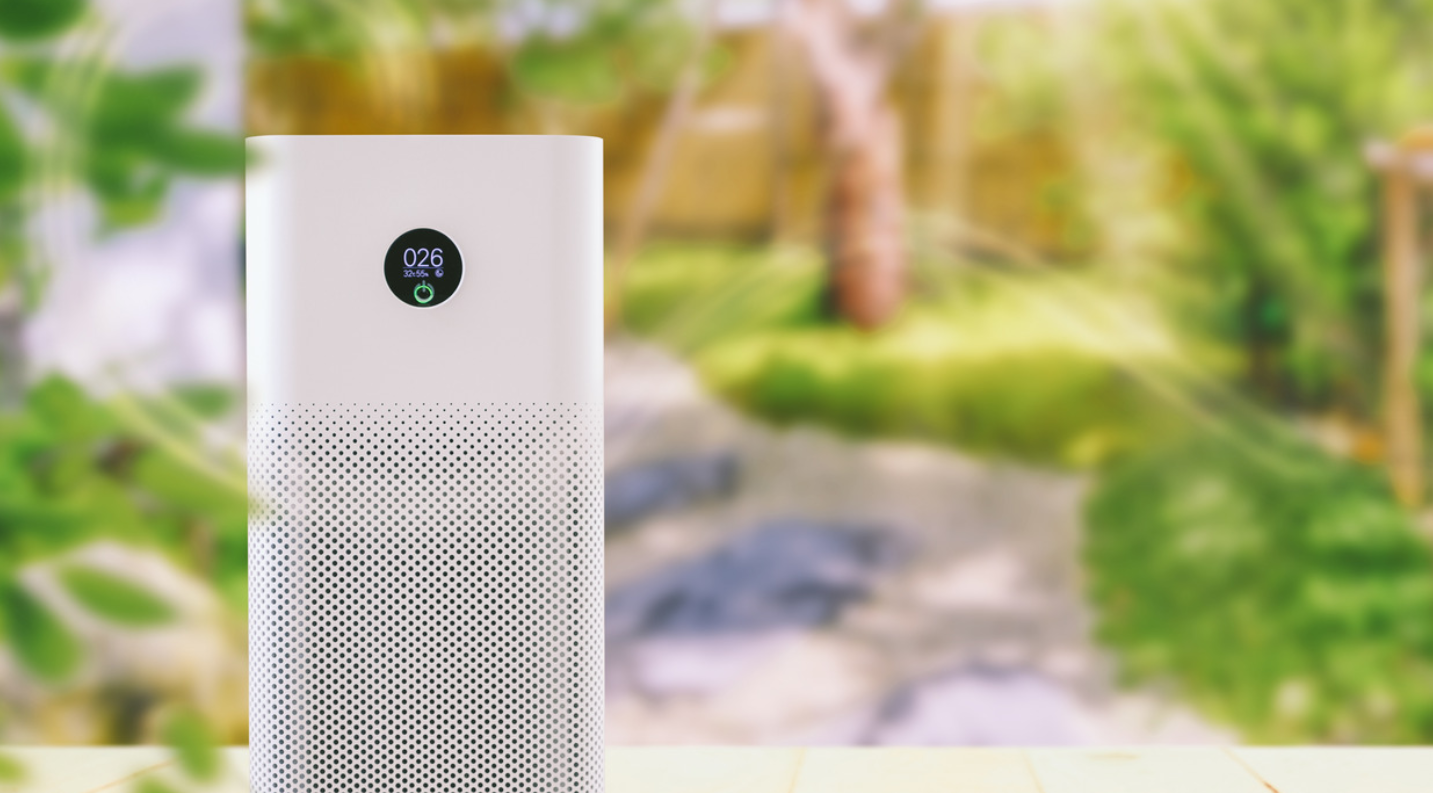
Some air purifiers are equipped with built-in air quality monitors, allowing users to assess air quality in their enclosed spaces and measure PM 2.5 levels. However, it’s essential to note that these built-in monitors may not always provide precise measurements for the entire area where the air purifier is located. Positioned near the air purifier’s clean air output, these air quality monitors may result in consistently low PM 2.5 readings, compromising accuracy.
Read more: Why Air Purifiers With Built-in Air Quality Monitors Are a Bad Idea
If precise air quality measurements are paramount, you may consider investing in a portable air quality monitor, which offers more comprehensive and accurate data for a broader assessment of the air in an indoor environment.
Other Filtration Stages
Image source: https://www.shopping-07.top/products.aspx?cname=hepa+and+charcoal+air+purifier&cid=1You may even come across models that tout an impressive-sounding “multi-filtration system.” While these systems may sound fancy, it’s important to understand their specific functions and limitations.
One example of an air purifier filtration system feature is photocatalytic oxidation (PCO), which relies on photocatalyst material such as titanium dioxide combined with UV-C light to handle volatile organic compounds (VOCs). It’s good at that job, but it can’t effectively deal with common allergens like pet dander or pollen. Also, as PCO gets older, you might need to replace the photocatalyst for it to work well.
So, when you’re in the market for air purifiers with PCO or similar systems, make sure they suit your specific air quality needs. They have strengths, but they’re not a one-size-fits-all solution.
SO WHY DOES SMART AIR PURIFIERS DON’T HAVE THESE FEATURES?
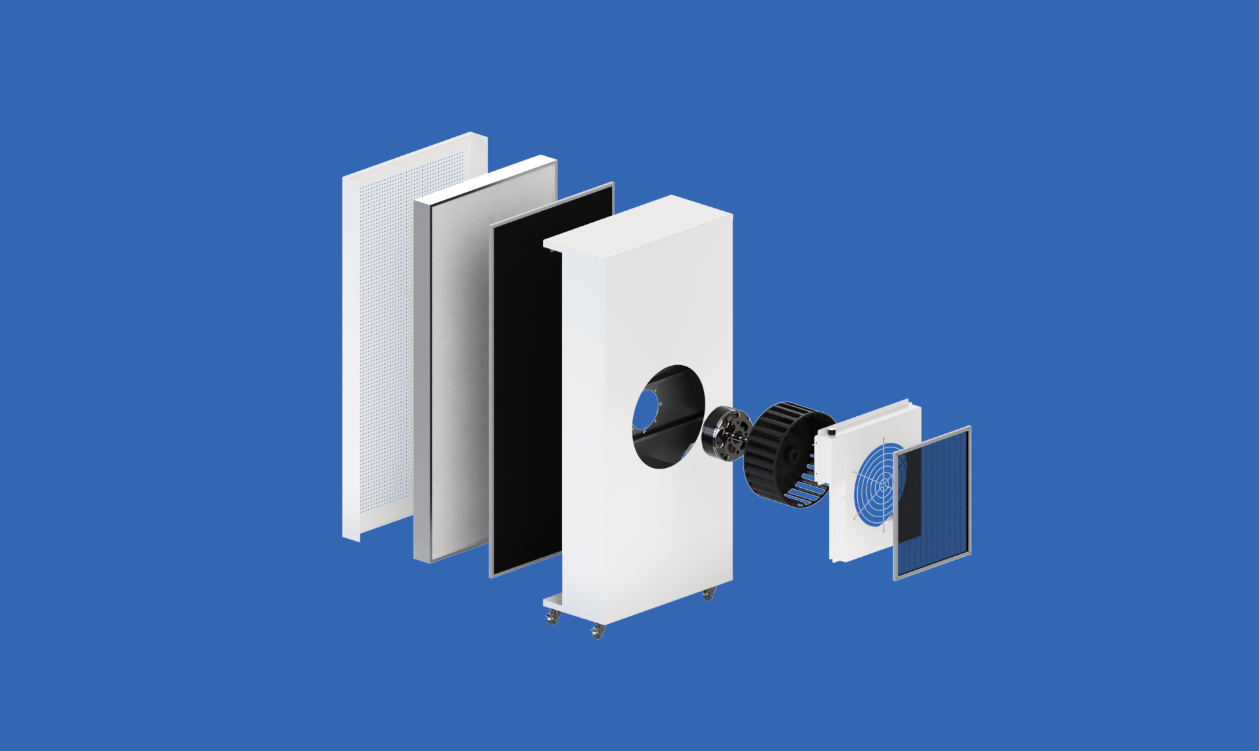
At Smart Air, we believe in keeping things simple and cost-effective. We understand that an air purifier can work effectively with just a HEPA filter and a fan. HEPA filters are highly efficient at removing particle pollutants, including viruses and bacteria, without the need for additional features.
For those dealing with VOC or odor issues, Smart Air purifiers can be equipped with an activated carbon filter to capture chemical pollutants.
Bottom line: Why UV Light, Ionizers, and Other Innovative Features aren’t Present in Smart Air Air Purifiers?
At Smart Air, we are all about affordable, simple, and effective clean air options. We deliver reliable air purification without unnecessary gimmicks.
Free Guide to Breathing Safe
Want to learn more about breathing clean air? Join thousands more and stay up to date on protecting your health.

