
The ventilation and air circulation in a space can affect the persistence of viruses in the air. Data shows that having good indoor ventilation can reduce the chance of virus transmission. Armed with that knowledge, can something as simple as opening a door or a window help to fight COVID-19 and reduce coronavirus transmission indoors?
How Long Does Virus Stay Active in the Air?
Take COVID as an example, it loses 90% of its ability to transmit from person to person within 20 minutes in the air according to a study from the University of Bristol. If we have fresh air coming in, does it mean we won’t get infected?
Recommended Air Changes Per Hour
Before we can say how effective opening windows is, we need to know what our target for indoor ventilation is.

In a typical home, ventilation rates of 0.35–1 air changes per hour are recommended. For an office it’s approximately 2–3 air changes per hour. However for areas with potentially high levels of viruses (like hospitals), the CDC recommends a ventilation rate of 6-12 air changes per hour.
Learn more: what are the recommended ventilation rates for homes, offices, schools and shops »
So, can opening windows achieve that level of ventilation?
Open Windows to Increase Indoor Airflow
Data shows that opening windows in hospitals can improve air circulation by almost 20 times, from 1 air change per hour up to 20. That’s great!

However, that was only the case for ‘old-fashioned’ hospitals with large windows and doors. When scientists tested more modern hospitals with smaller windows, they found ventilation rates were half those of the older hospitals.

However, for both the modern and old-fashioned hospitals, opening the windows increased the air changes per hour above the 6-12 ACH recommended by the CDC.
Opening Windows in Real World Homes
That’s for hospitals, which are designed with high ventilation in mind. But how about at home? Scientists from the US tested the effect of opening windows on the ventilation in a home in Cary, NC.

They found that opening windows almost doubled the air changes per hour throughout the house. From a baseline of 0.2 ACH, air changes increased to 0.35 ACH. That’s much lower than the 20 times increase found when opening windows in the old-fashioned hospitals. However, changes per hour increased to just within the ASHRAE recommended range of 0.35 – 1.0 ACH.

If the goal is to reach the CDC’s recommended ventilation rate of 6 – 12 ACH and reduce COVID-19 transmission, then opening windows alone is not enough.
Opening Doors to Increase Indoor Airflow in Real-World Homes
If windows don’t give a high enough air flow, then how about opening doors? The scientists in the US also studied this. The scientists simulated a real home by opening the door from 3 to 60 times per hour, as if people were entering and leaving the home. Here’s what they found:

However, they found a smaller change in ventilation when they opened the doors fewer than 12 times per hour. Opening the door 12 times per hour increased the ventilation rate by about 40%. Opening the door every minute (60 times per hour) almost doubled the house’s ventilation rate.
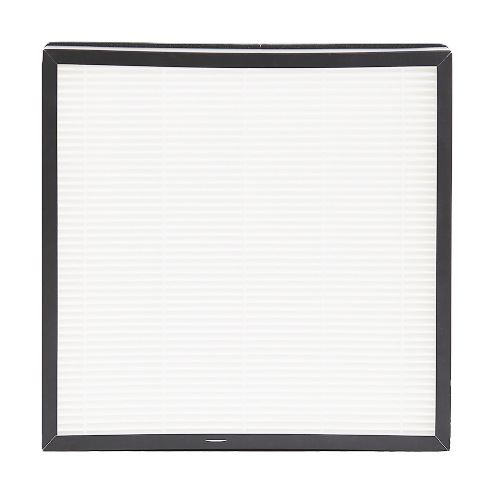
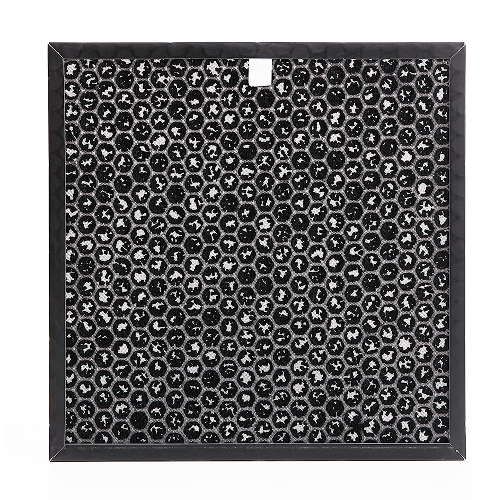
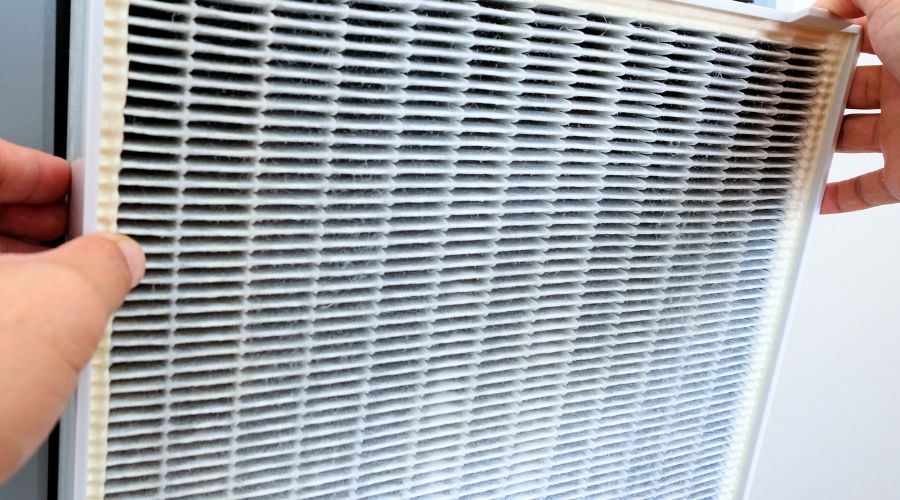
That’s on par with opening the doubling in ventilation that occurred when opening windows. However, it’s still a long way off 6-12 air changes per hour the CDC recommends. If air changes in the order of 6-12 really are required, then the best ways to achieve this may be turning up the fan in the house’s HVAC system, using a fan to blast air out a window, or installing an air purifier.
Advantages & Disadvantages of Opening Windows & Doors
Opening doors and windows seem like simple, easy ways to increase a room’s ventilation. But there are other downsides. Here’s a summary of the advantages and disadvantages of opening windows and doors to increase ventilation:
Advantages:
- Quick & Easy: Most buildings already have windows or ventilation systems!
- Can double the ventilation in most homes, or much more in places with bigger windows.
Disadvantages:
- Difficult to control ventilation direction, although adding a fan may help.
- Bringing in more outdoor air will make it more expensive to heat or cool the air.
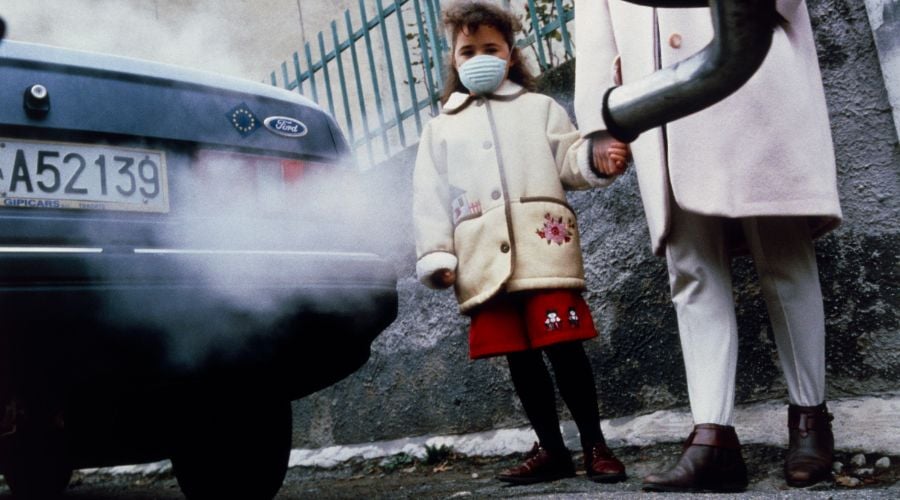
- Allows unfiltered outdoor air into the building [1], which is not great for places with outdoor air pollution.
- Not all buildings have windows that can be opened.
Free Guide to Breathing Safe
Want to learn more about breathing clean air? Join thousands more and stay up to date on protecting your health.






I work a bar door is left open and 50 degrees outside is that good? Gets very cold inside