Cities in China have consistently ranked among the most polluted in the world. Just how bad is it? Smart Air analyzed 2025 pollution data from 169 cities in China to find the most polluted cities in China.
Rankings: Most Polluted Cities in China (2025)
1. Hotan Prefecture, Xinjiang Province (115.7 μg/m3)
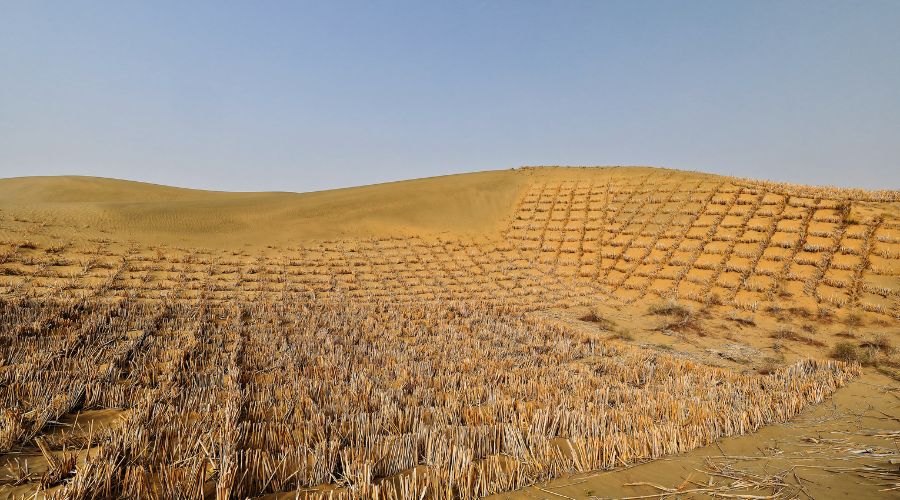
2. Kashgar Prefecture, Xinjiang Province (92 μg/m3)
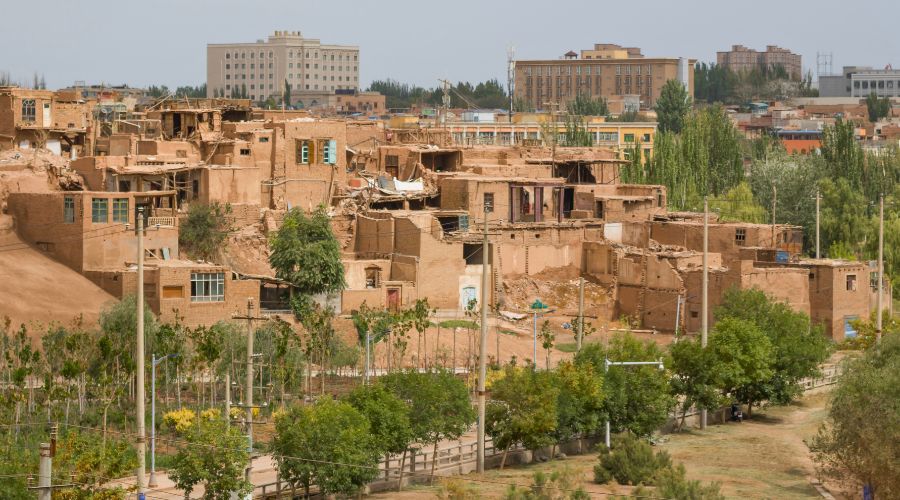
3. Aksu, Xinjiang (75.7 μg/m3)
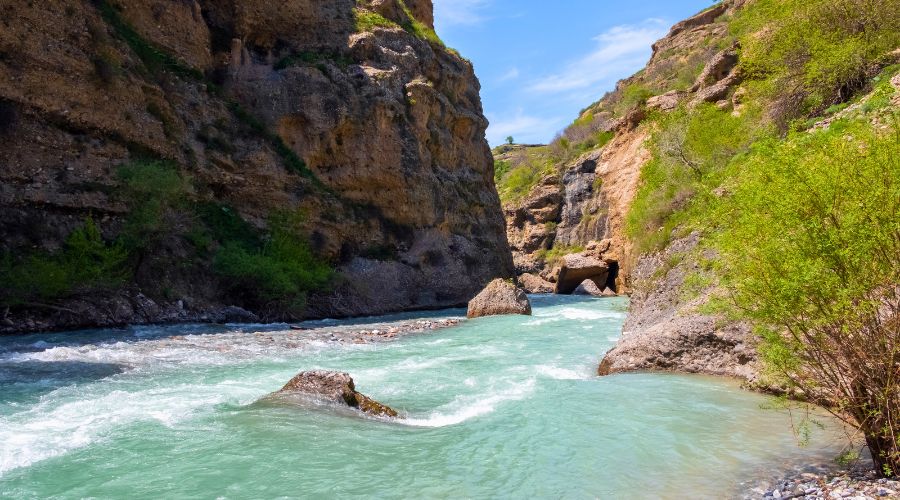
4. Wujiaqu, Xinjiang (52.1 μg/m3)
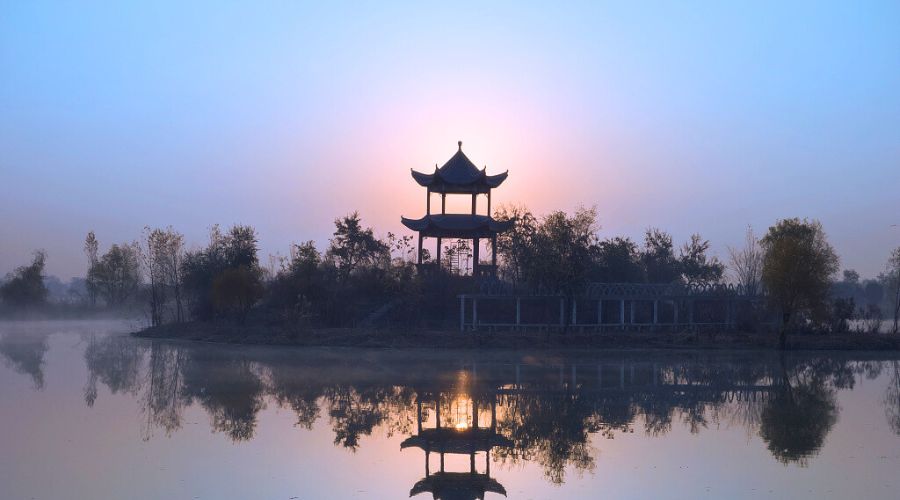
5. Turpan, Xinjiang (46.3 μg/m3)
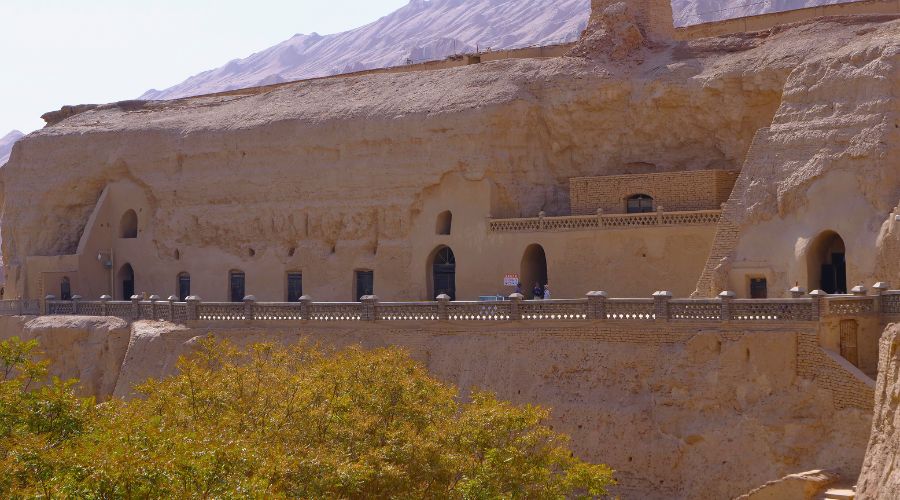
6. Xianyang, Shaanxi (45.1 μg/m3)
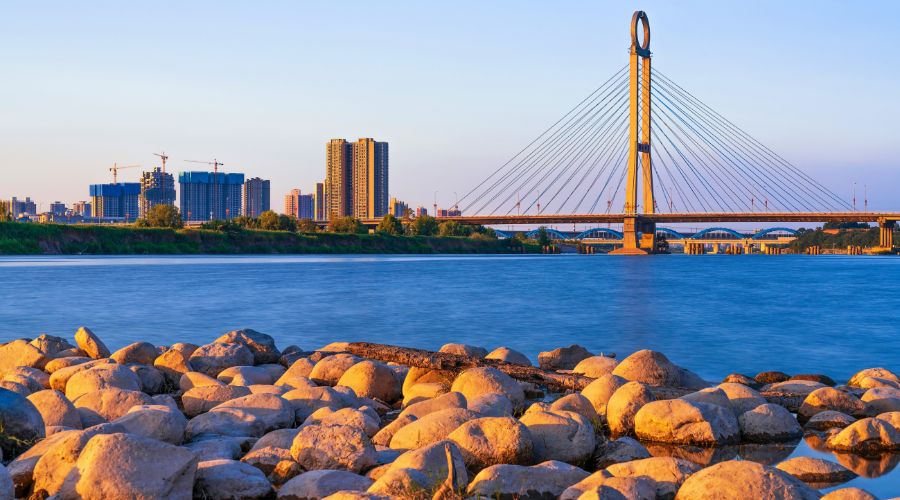
7. Anyang, Henan (45.1 μg/m3)
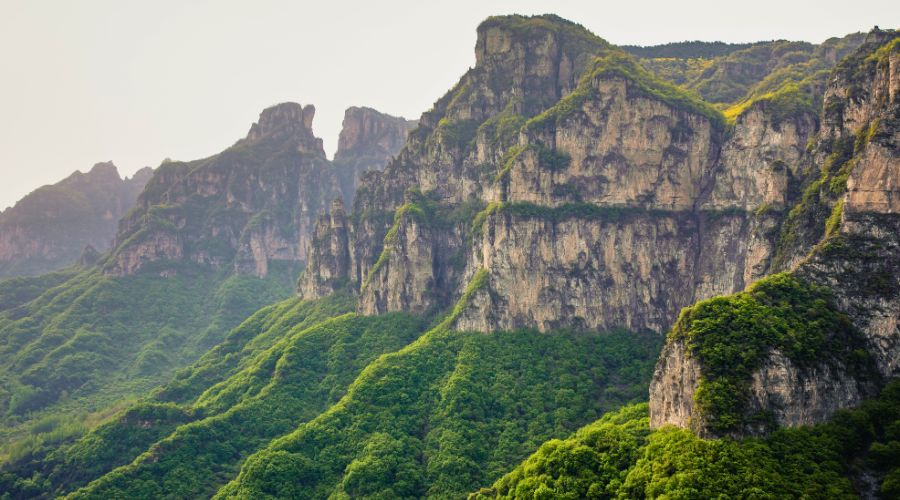
8. Luohe, Henan (45.1 μg/m3)
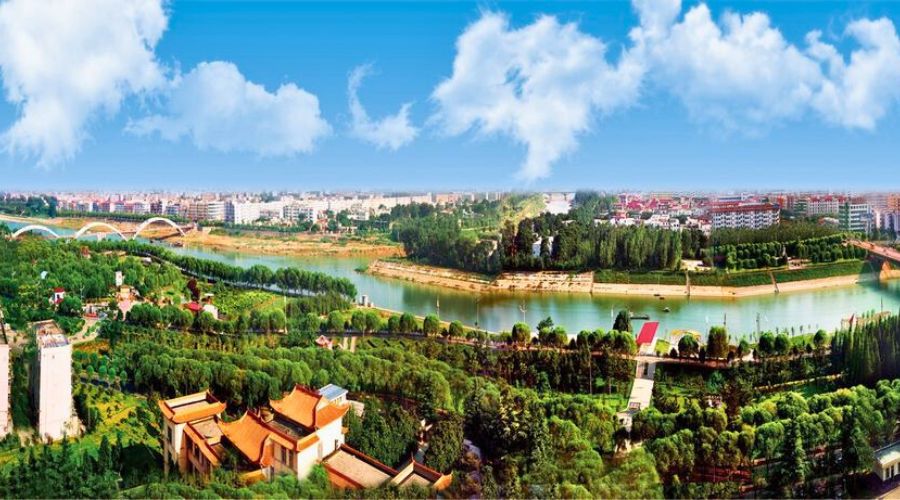
9. Xuchang, Henan Province (44.9 μg/m3)

10. Kaifeng, Henan (44.4 μg/m3)
Results
The most severe levels are concentrated in Xinjiang province, where Hotan (115.7), Kashgar (92), Aksu (75.7), Wujiaqu (52.1), and Turpan (46.3) dominate the top of the list. These exceptionally high readings are largely influenced by desert geography, dust storms from the Taklamakan Desert, and arid climate conditions, in addition to local industrial and urban emissions.
Beyond Xinjiang, several cities in Henan province (Anyang, Luohe, Xuchang, Kaifeng) and Shaanxi (Xianyang) also appear in the high-pollution category, with PM2.5 levels around 45 µg/m³. These regions are part of China’s industrial and coal-reliant northern belt, where winter heating emissions, heavy industry, traffic density, and basin-like topography contribute to pollutant accumulation.
From a health perspective, all cities in this list are significantly above the WHO annual guideline of 5 µg/m³, and even exceed China’s own national air quality standard (35 µg/m³ annual average for Grade II areas). Levels above 50 µg/m³ represent serious long-term exposure risks, including increased respiratory and cardiovascular disease.
How Air Pollution Was Measured
There are various pollutants (both particles and gases) that can be found in the air. One of the most commonly tracked pollutants is very small, fine particles called PM2.5.
These small pollutants are under 2.5 μg in width and are considered to be one of the more dangerous pollutants due to their ability to enter deep into the lungs and bloodstream.
Recommended limits
The limit that is closely aligned with what studies show about the health effects of pollution is the annual limit of 5 μg/m3.
Free Guide to Breathing Safe
Want to learn more about breathing clean air? Join thousands more and stay up to date on protecting your health.