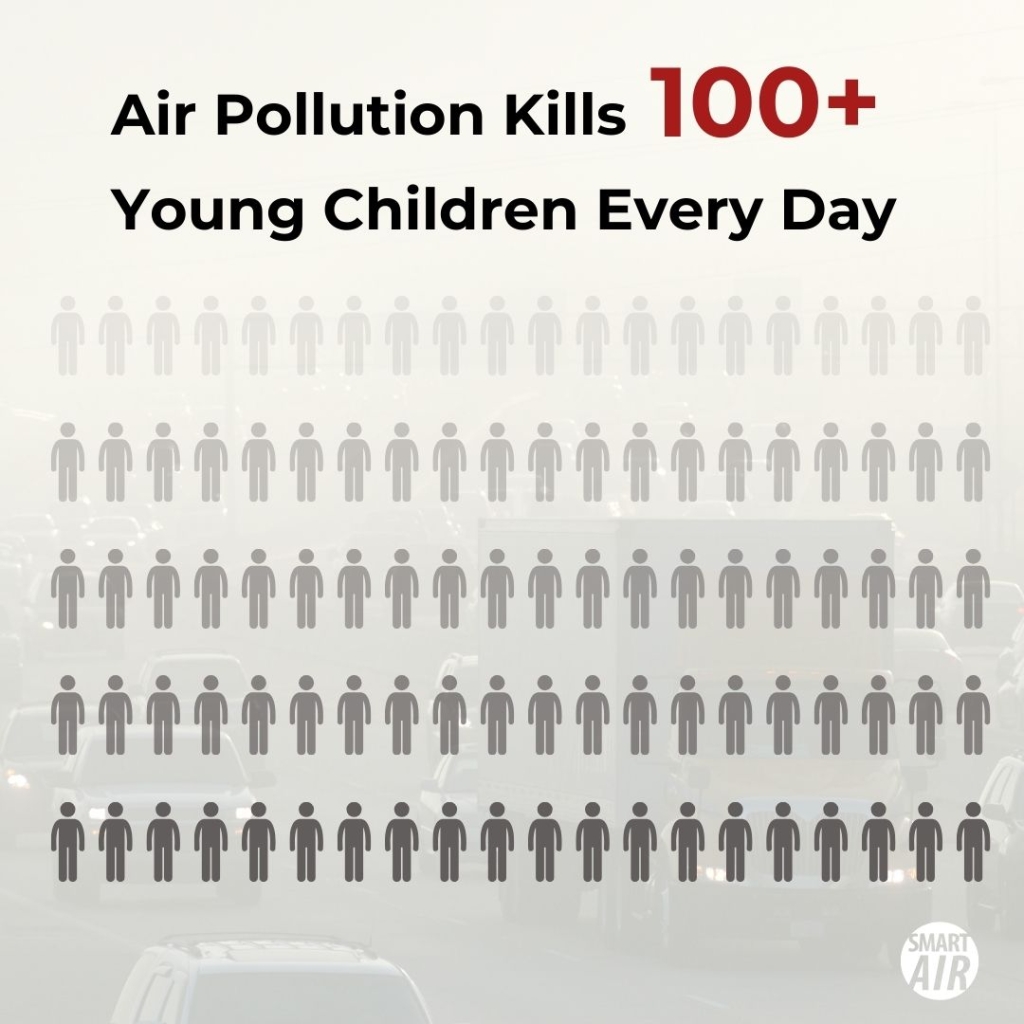
The Scale of the Air Pollution Crisis in East Asia
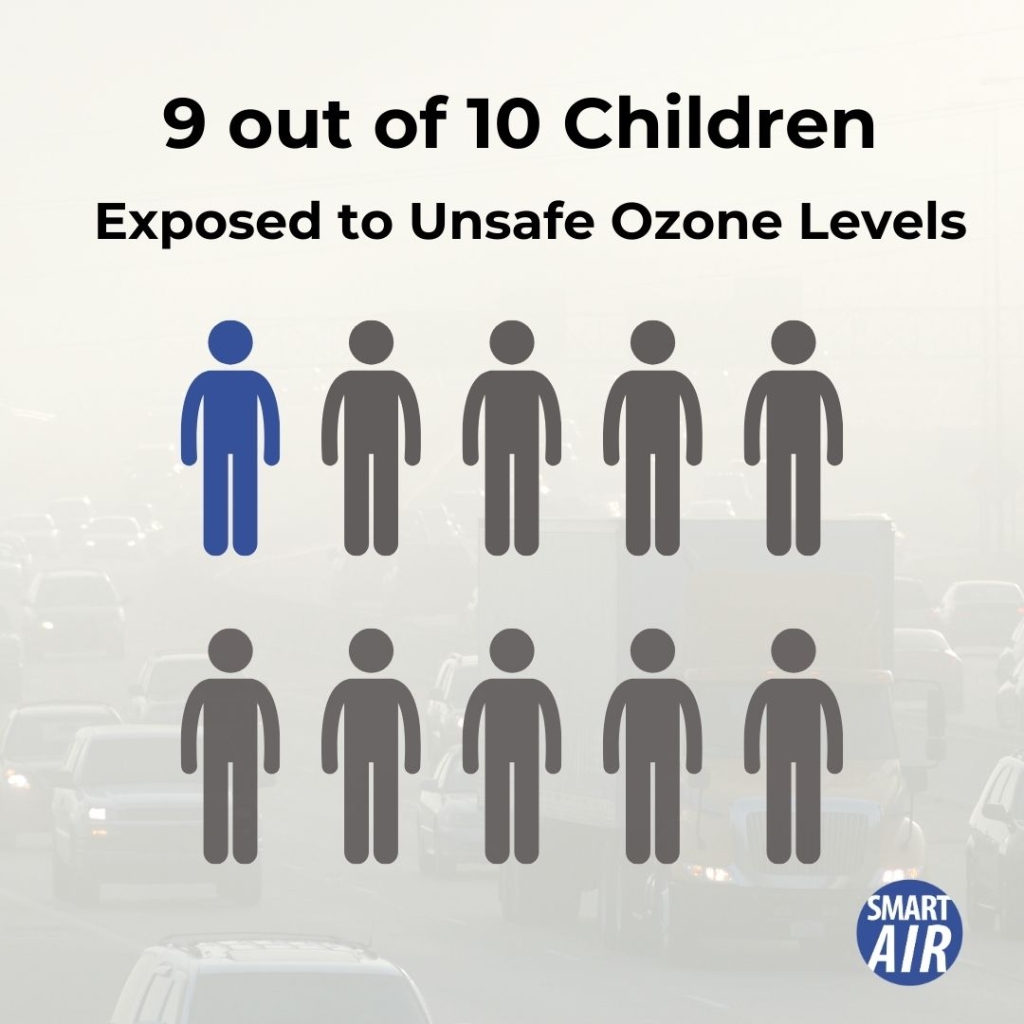
How Air Pollution Affects Children’s Health
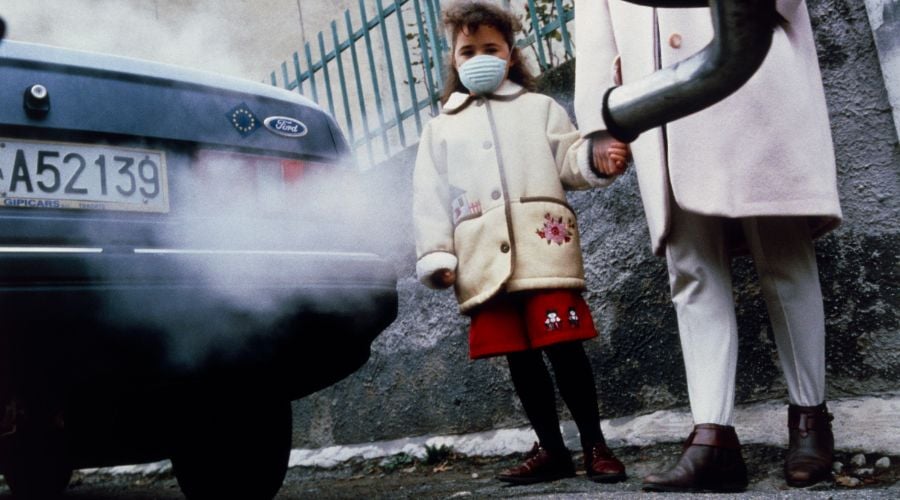
Air pollution doesn’t just make it harder to breathe, it harms children at every stage of life. Before birth, toxic air increases the risk of low birth weight and premature delivery, meaning some babies start life at a disadvantage before they even take their first breath. Once born, young children breathe faster than adults and are closer to ground-level pollution. That makes them extra vulnerable to problems like asthma, lung damage, and cognitive delays.
The effects don’t stop in childhood. Over time, exposure to air pollution increases the risk of chronic illnesses like diabetes and heart disease. The air kids breathe today shapes their health for decades to come.
The Sources of Pollution
In East Asia and the Pacific, three major sources dominate the problem.
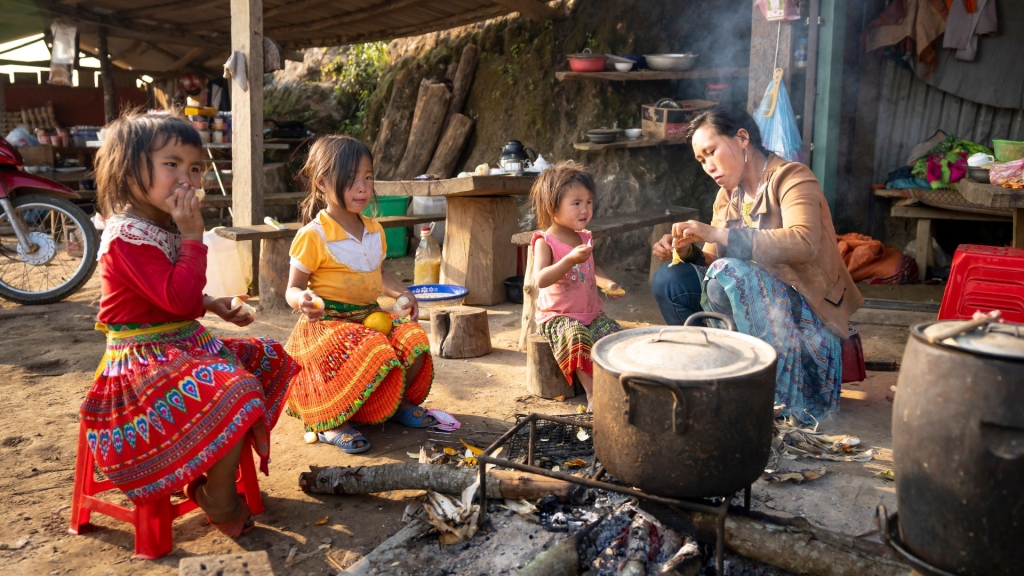
Household pollution is a major culprit, with more than half of child deaths from air pollution linked to indoor smoke. Many families still rely on solid fuels like wood and charcoal for cooking and heating, filling homes with harmful pollutants.
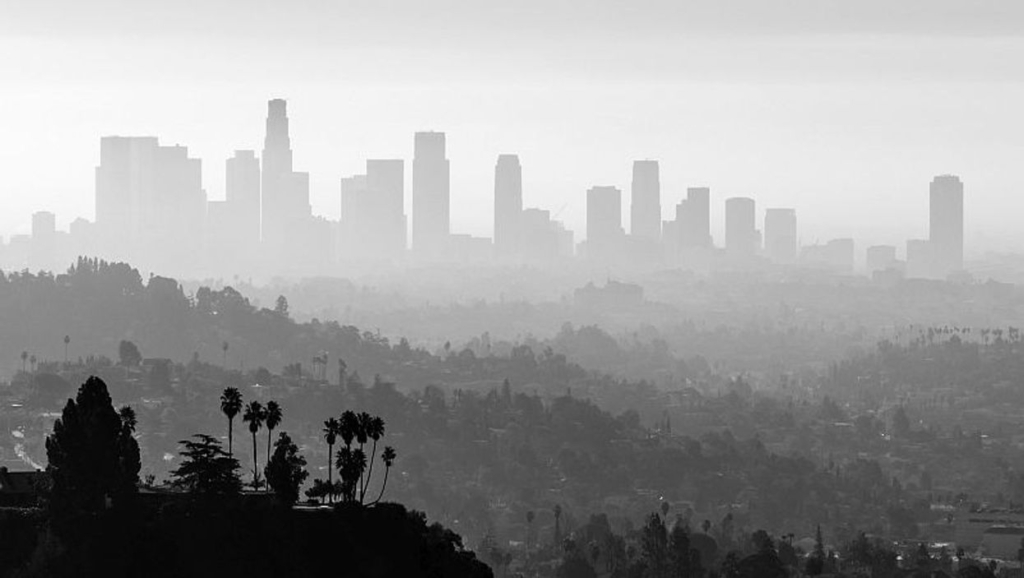
Fossil fuels and industry contribute significantly to air pollution. Burning coal, oil, and gas for power and transportation releases dangerous levels of PM2.5 and NO₂, poisoning the air children breathe every day.
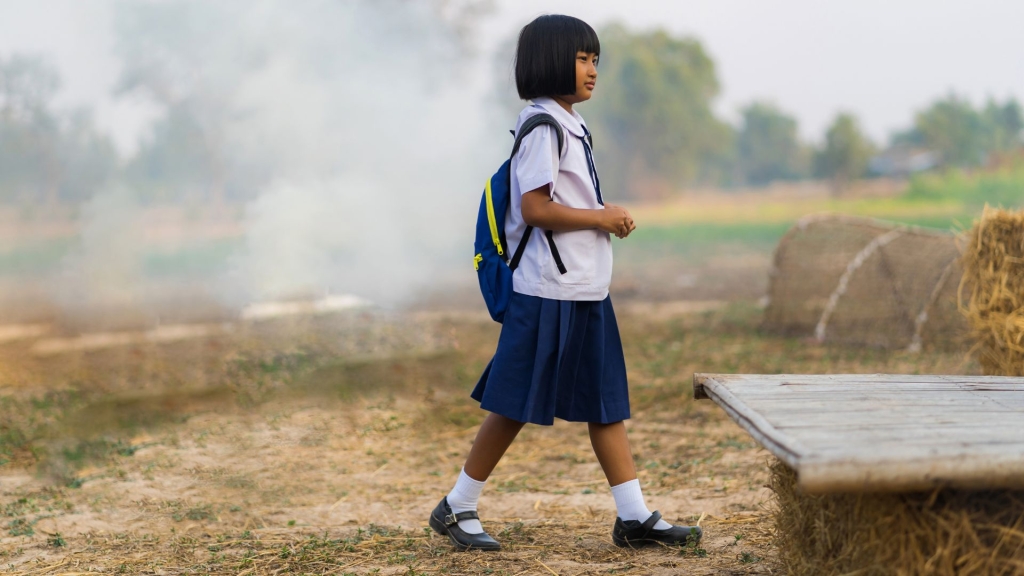
Burning waste and crops is another widespread issue. Whether from agricultural practices or unmanaged waste disposal, these fires send additional pollutants into the air, worsening the crisis.
Beyond Health: The Broader Impact of Air Pollution
Air pollution isn’t just harming children, it’s hurting entire societies.
The economic toll is enormous. In 2019 alone, air pollution cost East Asia and the Pacific $2.5 trillion, roughly 9.3% of the region’s GDP. That’s money lost to medical bills, lost productivity, and school absences.
Healthcare systems are overwhelmed by pollution-related illnesses, stretching resources that could be used for other medical needs. Meanwhile, when kids miss school due to breathing difficulties or long-term health issues, their education suffers. And when air pollution affects brain development, it limits their future opportunities in ways we can’t afford to ignore.
Every child deserves to breathe clean air. And every breath we protect today means a healthier, brighter future for generations to come.
Are we ready to fight for it?
Free Guide to Breathing Safe
Want to learn more about breathing clean air? Join thousands more and stay up to date on protecting your health.