Millions of people live with chronic illnesses, including asthma, cancer, auto-immune conditions, and long-COVID, and they all face an invisible threat: poor indoor air quality. Plum Stone, founder of The Safer Air Project, is on a mission to change that. Discover how Plum’s new charity fights for safer air in all buildings, protecting everyone’s health. Tune in to learn how we can all breathe easier, together.
What sparked the idea for The Safer Air Project?
I have both a professional and personal family experience that has led me to found The Safer Air Project. In 2004, during the first SARS pandemic, I wrote my undergraduate dissertation on learning the lessons of pandemics of the past to prepare for pandemics of the future. I then studied for a masters in Public Health Nutrition at the London School of Hygiene and Tropical Medicine, where I became fascinated by the effectiveness of government policy in delivering various public health goals.
After completing my masters, I began working in health policy and public affairs, with experience in the UK Parliament, international public affairs agencies and in-house for patient advocacy organisations. I have worked across a wide range of health advocacy campaigns including to secure the endorsement of the World Health Organization for the recognition of World Hepatitis Day, on delivering socially inclusive end-of-life care and spent most of the last decade as head of policy and public affairs for a cancer charity.
At the start of the pandemic I was living in the UK with my young family. Before the country went into lockdown, we all became sick and I lost my sense of taste and smell for two weeks. 10 days after our symptoms began, my 3-and-a-half-year-old daughter suffered a prolonged status epilepticus seizure and was hospitalised. It was several hours before she woke up from the buccal that eventually stopped the seizure, the longest hours of my life. Over the next fortnight she continued to be very unwell, with a range of other challenging symptoms, and required several additional trips to hospital.
Both my daughter and I were ‘previously healthy’ and had no known risk factors for serious illness. Unfortunately, by April 2020, I began developing neurological and cardiovascular symptoms that we now know to be long COVID, which persist today. Adding to our family risk, my husband also has an auto-immune disease that means he needs a transplant and therefore remains at significantly increased risk from any infection.
As a result of my family’s experience and my almost 20-year history working in public health advocacy, I have spent many hours awake at night focusing on the policy solutions to create a safer and more inclusive environments for families like mine. The answer seems so simple – the pandemic is ultimately fuelled by indoor transmission in poorly ventilated buildings and improving indoor air quality is therefore the obvious solution to making shared indoor air safer for everyone to breathe.
As an example, in the same way we’ve acted to make our communities accessible for people who use wheelchairs by installing ramps, we need to make our indoor air safe for everyone to breathe.
So, with everything you’ve learned about indoor air quality, what are some things you do in your daily life to keep the air clean for yourself and your family?
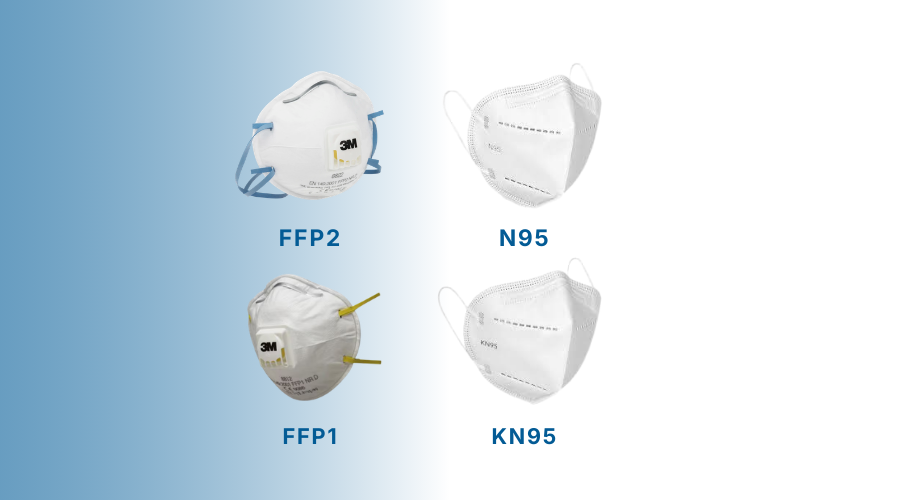
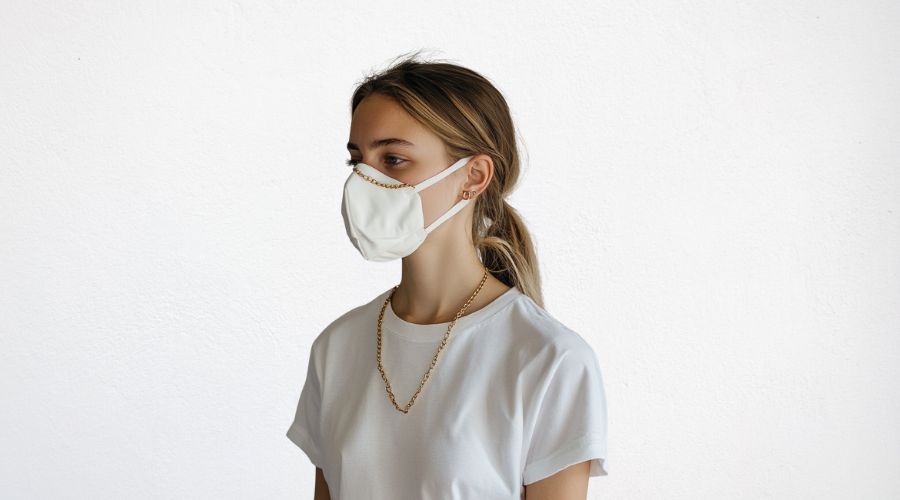
I’ve learned a lot over the last four years about how I can protect the health of my family, and those around us, when it comes to the air we breathe. We bought masks early on in 2020, but they were cloth and surgical masks as I really didn’t understand enough about airborne transmission at that stage, especially when public health messaging was really focused on hand washing!
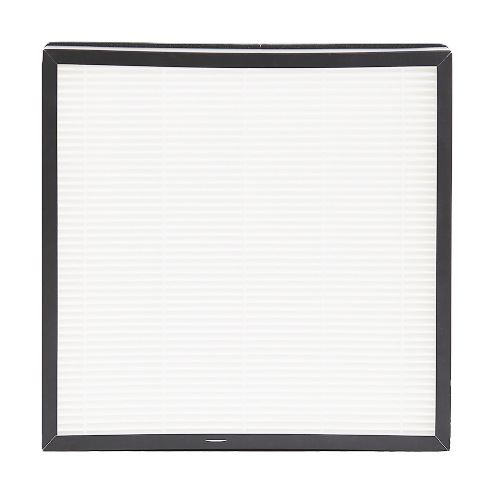
Over the course of the first year I learned a lot and I am thankful to the many experts sharing research and knowledge about airborne transmission on X (Twitter) – especially helping to understand about how viruses like SARS-CoV-2 hang in the air like smoke in poorly ventilated spaces. As a result we bought better masks and our first HEPA filters and, by the time the kids went back to school in March 2021, my son’s preschool gladly accepted the donation of a HEPA filter. Oddly, my daughter’s primary school declined the offer; that was surprising and frustrating, but a very common experience.
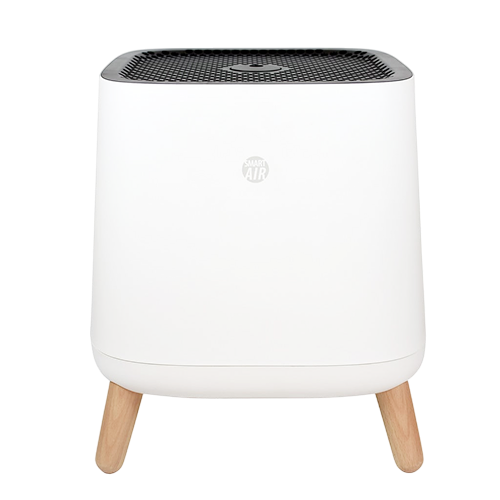
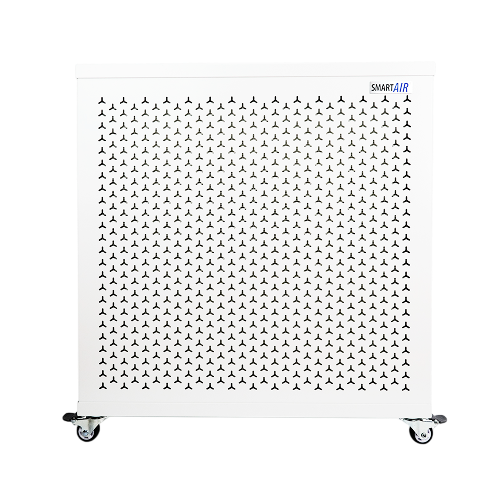
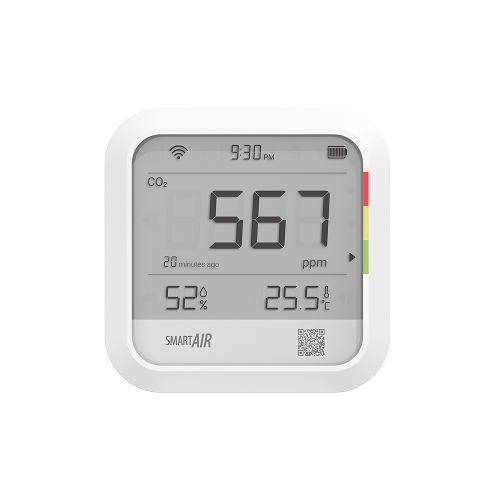
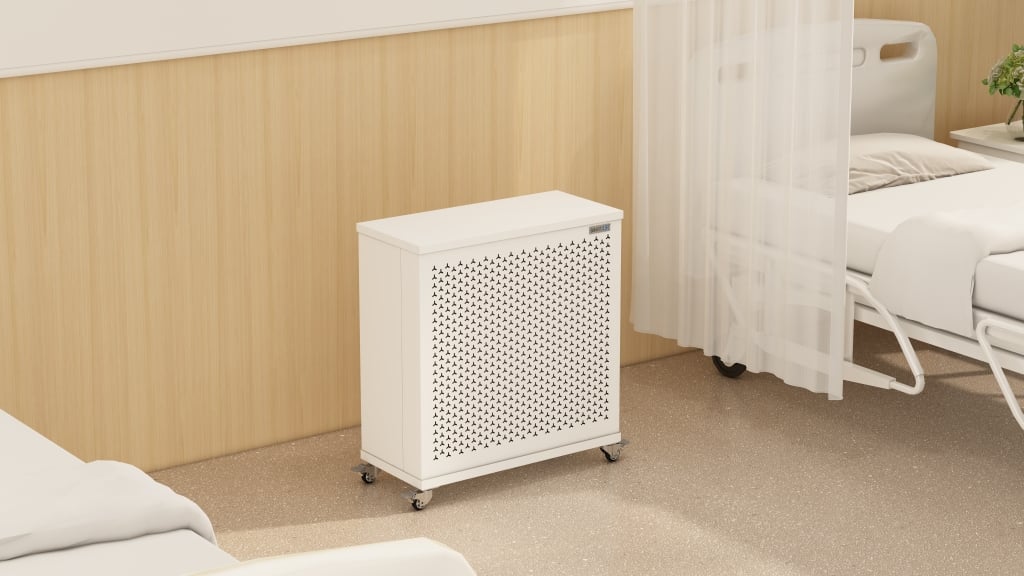
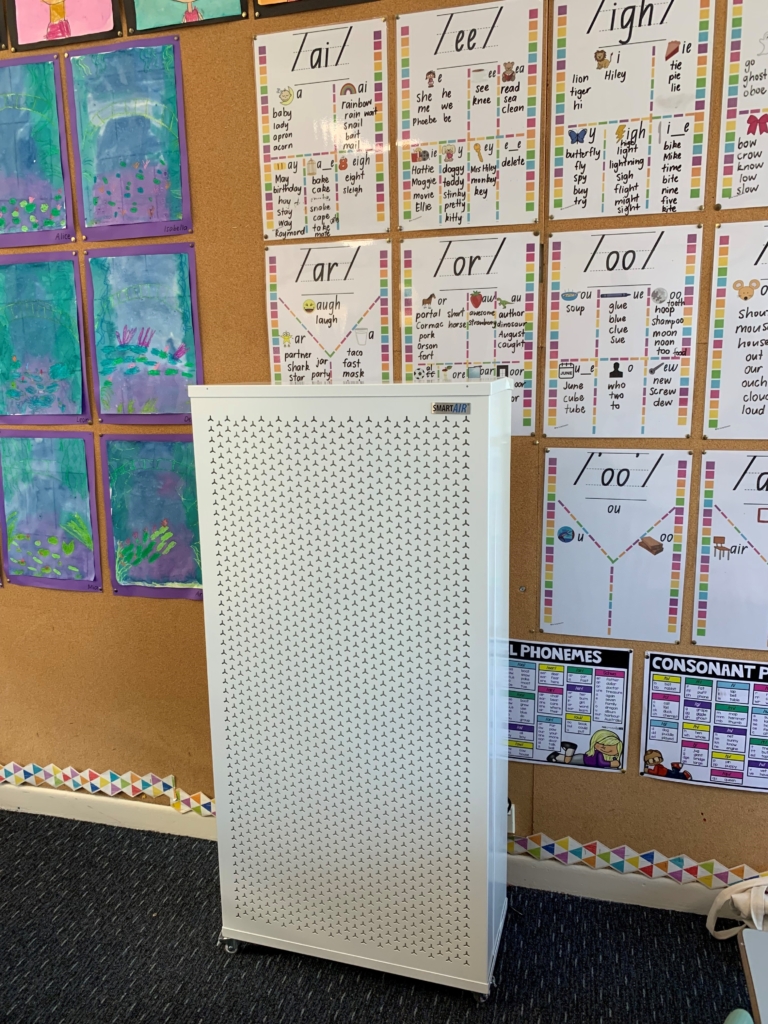
So common, that when we moved back to Australia in December 2021 and I began having the same conversations with our new preschool and primary school exactly the same thing happened! I was finally successful in getting a SmartAir Blast MKII into my daughter’s primary class in June 2023, after 18 months of hard won advocacy. Now she’s moved up a year and my son has joined and they both have them in their classrooms and I’ve even been able to put a Birdie CO2 monitor into my son’s kindy classroom!
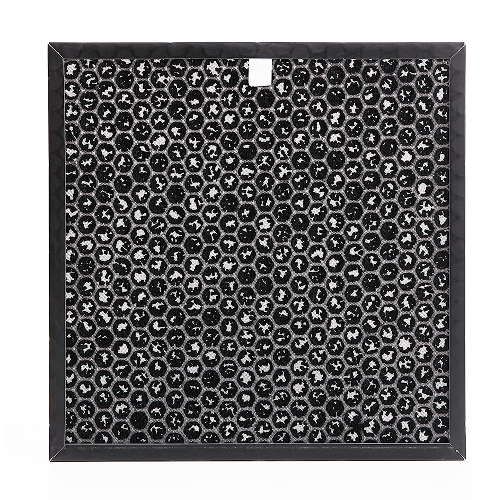
Outside of school we monitor how safe the air is with indoor air quality (IAQ) monitors, both at home and when we’re out and about. We have a variety of HEPA filters and Corsi-Rosenthal boxes throughout our house, and we’ve even replaced the car cabin air filter to a HEPA grade filter which is also helpful when we experience bushfires (and controlled burns). In addition to these IAQ tools we also wear respirators indoors, we also use nasal sprays, and we continue to test and isolate if we get sick so that we can protect each other.
The Safer Air Project seems to be doing both things at once – raising awareness about the importance of good indoor air quality and giving organizations practical tools. How do you manage to balance the “hey, air quality matters!” message with the “here’s exactly how to fix it” toolkit?
People living with chronic health conditions need safe access to indoor environments, without risk of infection by airborne viruses and, to do so, we need to make our shared air safe. So we have created the Safer Air Project as a health promotion charity to address the challenges of access and inclusion experienced by people living with chronic health conditions, and to ensure that indoor air is safe for everyone to breathe.
People living with chronic health conditions need safe access to indoor environments, without risk of infection by airborne viruses and, to do so, we need to make our shared air safe.
Right now we are working with organisations that already get the value of equity, diversity, inclusion and belonging practices to their businesses and helping them understand that for people with chronic illnesses IAQ is also an accessibility and inclusion issue. We hope that these early adopters will help drive the competitive progress by others, and in turn drive governments to act on mandating IAQ standards.
While there are a number of organisations who are advocating for health-based inclusion, there are none in Australia that are advocating for the safety of people with chronic health conditions through safe indoor air, despite the ongoing pandemic. There are however a few similar organisations emerging in other countries, such as the UK and the USA, and we are already in discussion with them for future collaboration and partnership.
So, The Safer Air Project talks about clean air as an inclusion matter. Seems to be a hit! Why do you think this approach resonates so well, even with IAQ experts?
Everytime I speak to someone new about the Safer Air Project and what we’re trying to do, even if it’s someone who’s been working in indoor air quality for a couple of decades, as soon as you say ‘safe indoor air is an accessibility and inclusion issue for people living with chronic health conditions’ they immediately get it.
One of our expert advisors described it as opening a window in their mind and now that they are looking at IAQ from that perspective it’s so obvious, and I think this is the case for a lot of people. They’re so used to working in IAQ, and they absolutely get the health and productivity gains that improving IAQ can achieve, they’ve just never thought about people being excluded from indoor spaces because of poor IAQ. And of course, that’s something that is new for many of us too.
Before the pandemic began in 2020, I knew about the risks of poor outdoor air quality, but I’m really sorry to say I’d never considered the risks of poor IAQ. Now that I understand those risks, especially how the transmission of airborne viruses can have such terrible consequences, it seems so obvious to me that we can actually do something about it. I’m grateful that in telling our story, others who are much more experienced in how to deliver safe IAQ are stepping in to help!
So I’m extremely hopeful that if we can get IAQ seen as the accessibility and inclusion issue that it is, and we can get organisations to understand how it’s impacting their workforces, we will be able to work together to make their indoor spaces safe for everyone. This will have a huge impact on reducing the transmission of airborne viruses now and into the future, and of course brings other benefits to businesses (and governments) from productivity gains and reduced absenteeism.
Where can people get the info and see if they can be part of the solution?
We recently launched our website which is available at saferairproject.com and of course people can follow our journey on LinkedIn, X (Twitter) and other social channels.
We’re actively looking for businesses who have already taken steps to create safer indoor air environments and who can see the value in promoting these actions from an accessibility and inclusion perspective and would love to work with them to do so. We welcome all support for making indoor air safe for everyone to breathe.
Free Guide to Breathing Safe
Want to learn more about breathing clean air? Join thousands more and stay up to date on protecting your health.