
Every year, millions of Americans watch 4th of July fireworks, but those fireworks create air pollution that lingers well into the next day, according to a new study. This new study may prompt some cities to reconsider using old-fashioned fireworks and replacing them with newer technologies like drone shows.
Tracking Firework Pollution
Researchers at the National Oceanic and Atmospheric Administration measured the impact of fireworks by tracking data from 315 air quality monitoring sites all over the United States. Then they compared air pollution on those days to similar summer days without fireworks.
One city they tracked was Anaheim, California. In Anaheim, tiny airborne particles called “PM2.5” peaked around 9pm at 75 micrograms per cubic meter. By comparison, the World Health Organization’s daily limit is 15 micrograms, which means Anaheim peaked at over 5 the limit.

Independence Day Air Pollution Increases By 42%
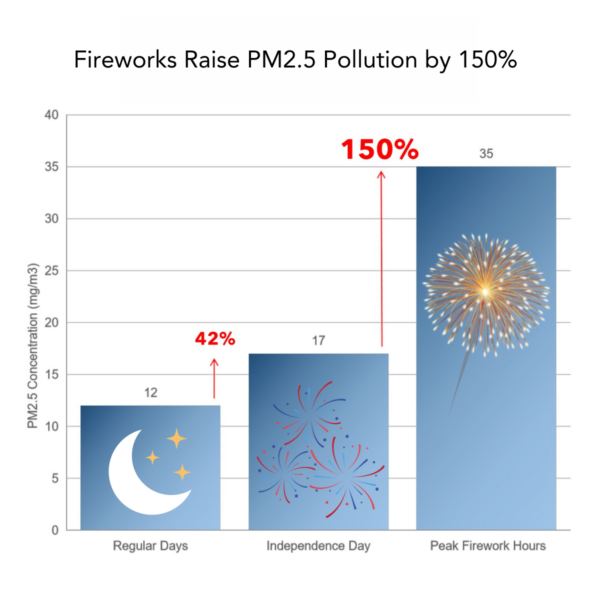
Next, the researchers looked at the average across all the sites across the US. On regular days, the US averages 12 micrograms of PM2.5. On Independence Day, the US averages 17 micrograms, a 42% increase over regular days.
At the peak of firework hours, the increase is more dramatic. Peak fireworks average 35 micrograms, which is 150% over normal.
How Long Does Firework Pollution Last?
The researchers also looked at how long it takes pollution to get back to normal. After the peak from 9 to 10 pm, pollution took 14 hours to get back to normal.

Remember that these are averages over many air quality monitoring sites. At sites closer to the fireworks shows, the numbers reach even higher. For example, one monitoring site near a fireworks shows reached nearly 500 micrograms.
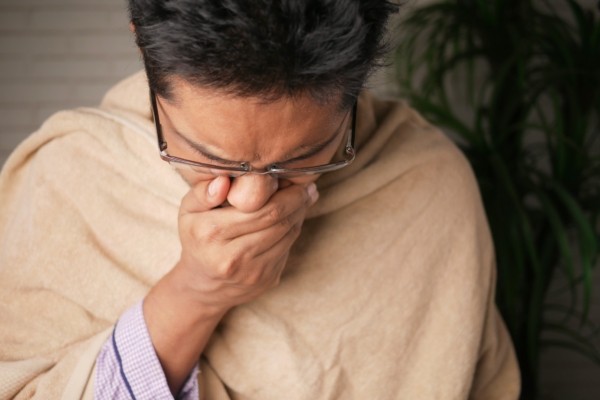
It is hard to quantify the health effects of this type of short-term air pollution exposure. However, research has found that even young, healthy people experience immediate health effects from air pollution. For example, college students exposed to changes in air pollution experienced increases in inflammation, blood pressure, and disturbances to heart rate rhythm.
What Kinds of Air Pollution Do Fireworks Create?
Every firework uses chemicals to create its size, color, and sound. These chemicals are packed into a tube, which contains gunpowder, colorants, and explosives.
When fireworks light up the sky, they release millions of combustion particles and gases into the air. While this study tracked tiny pollution particles, fireworks also create larger pollution particles called “PM10” and chemical gases called volatile organic compounds (VOCs).

How To Protect Yourself From Firework Pollution?
- Stay indoors, where air pollution is typically 30-40% lower. Keep windows and doors closed.
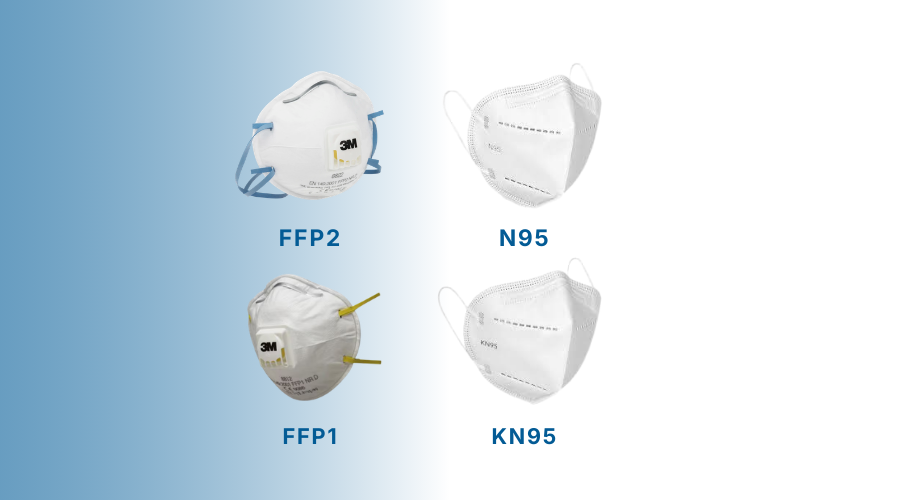
- Wear masks to filter out the ultra-fine particles (preferably N95, but surgical masks are better than nothing).
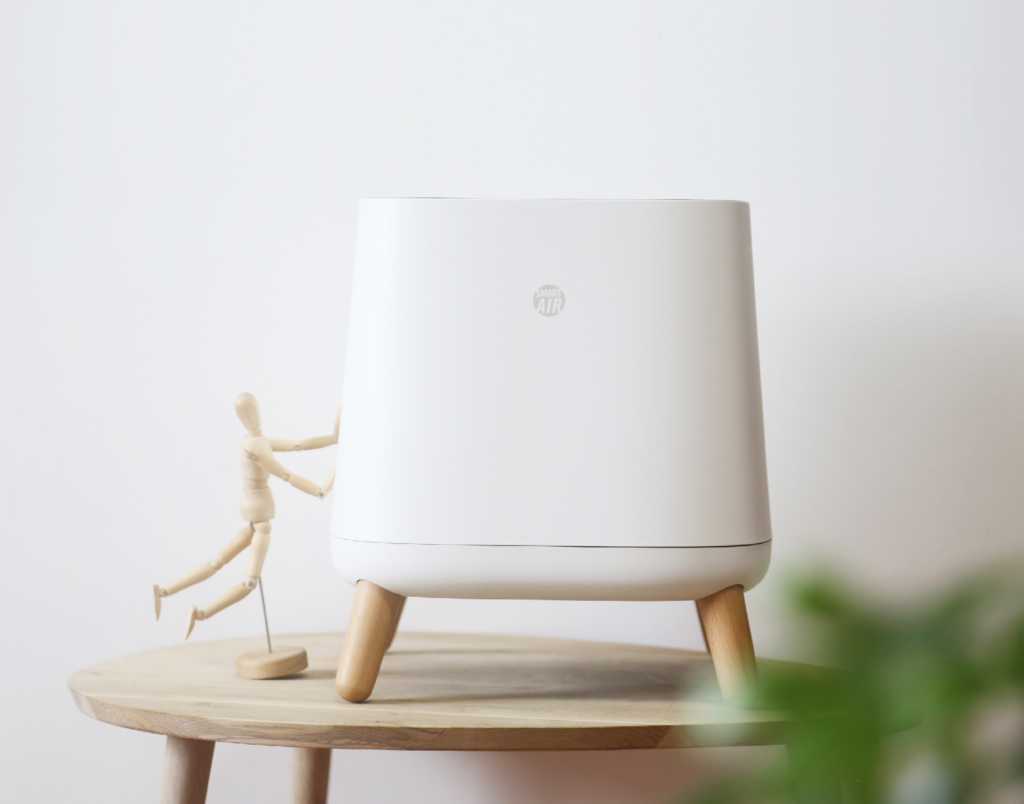
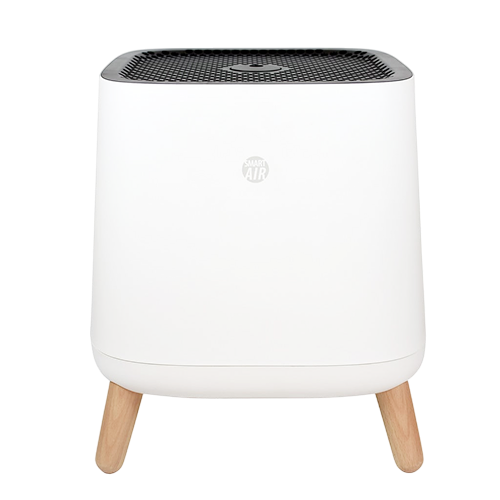
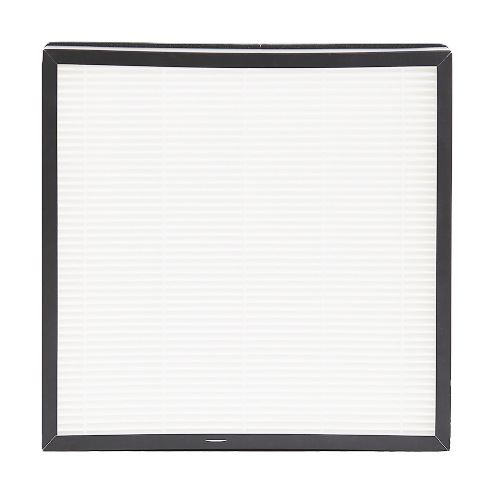
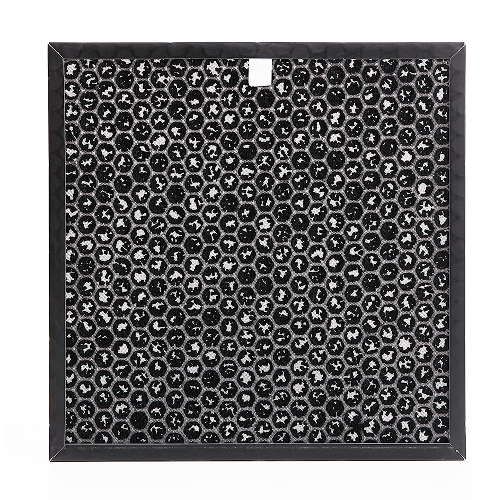
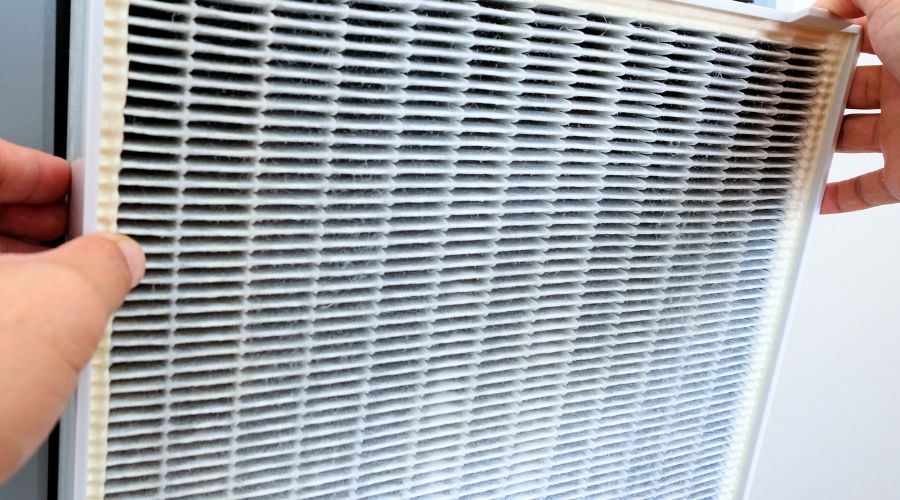
- Use an air purifier with a HEPA filter to remove ultra-fine particles and a carbon filter to remove dangerous VOCs.
Fireworks on the Fourth of July raised PM2.5 by 42% and took 14 hours to return to normal level.
Free Guide to Breathing Safe
Want to learn more about breathing clean air? Join thousands more and stay up to date on protecting your health.





WOW !