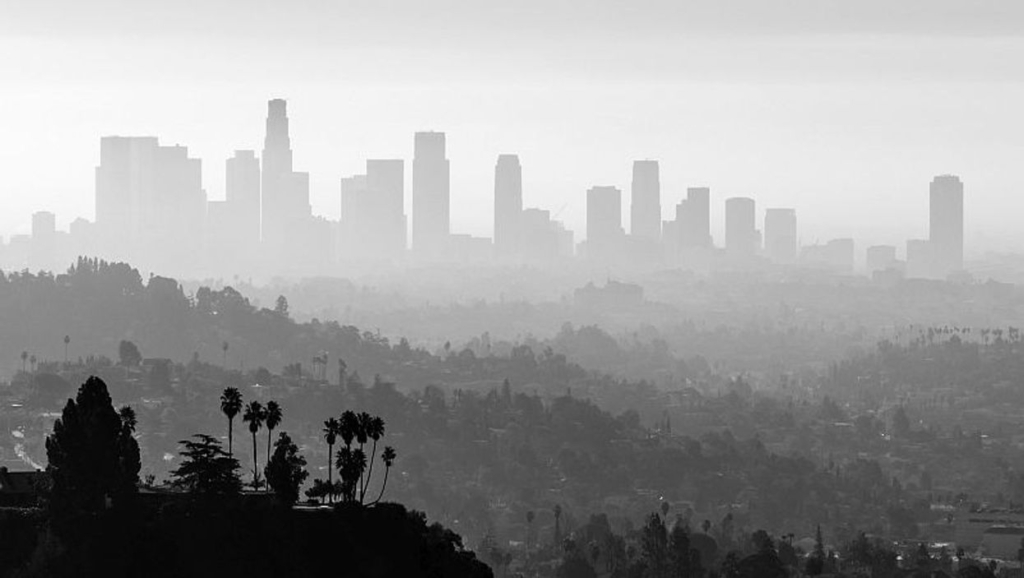
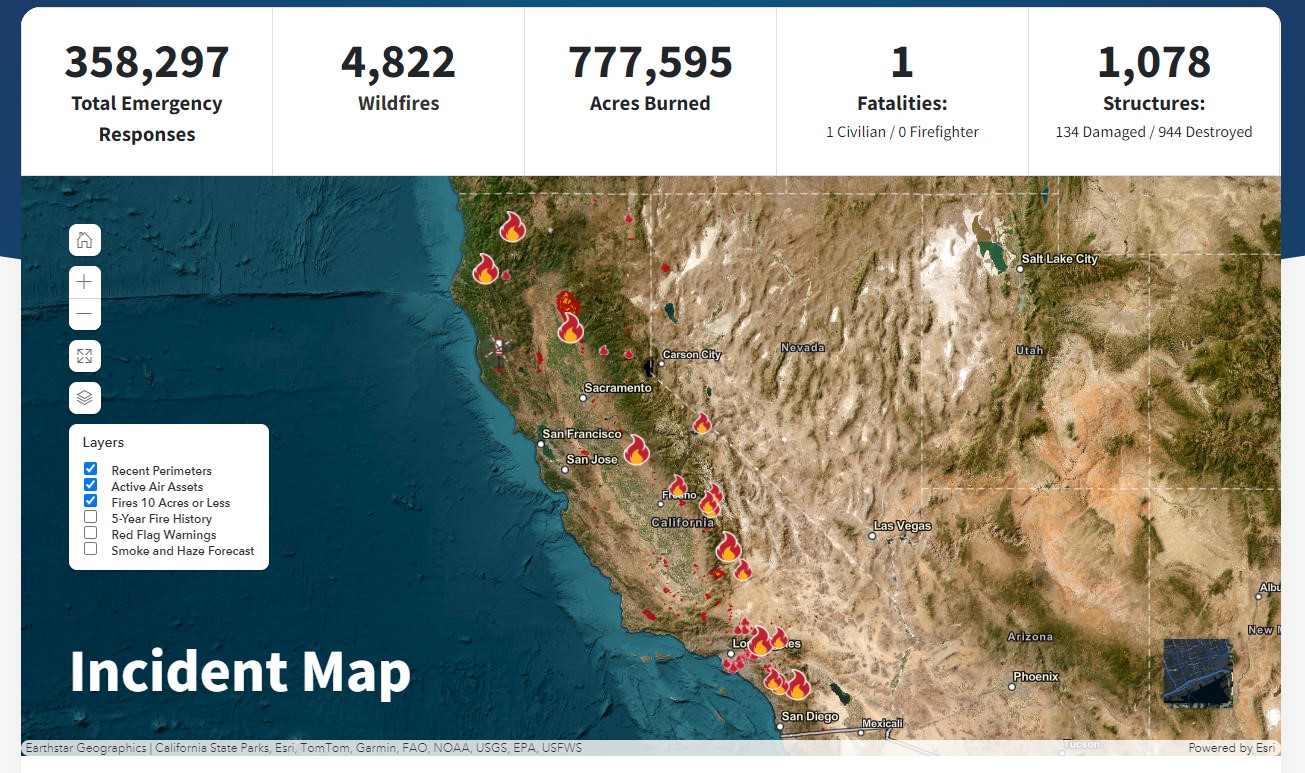
Wildfire season is here again, and where there’s fire, there’s smoke. The United States faces over 50,000 wildfires each year, and in the last five years alone, more than 32 million acres have burned. This widespread burning significantly impacts air quality, particularly in the Western US.
Wildfire Smoke Accounts for 50% of PM2.5 in the Western US
Wildfire smoke is a major contributor to fine particulate matter pollution, known as PM2.5. These tiny particles, less than 2.5 μm in diameter, can penetrate deep into the lungs and even enter the bloodstream.
Studies have found that wildfire smoke can account for between 25% to 50% of PM2.5 pollution across the United States, with the highest levels observed in the western regions.
Over 50,000 Premature Deaths in California
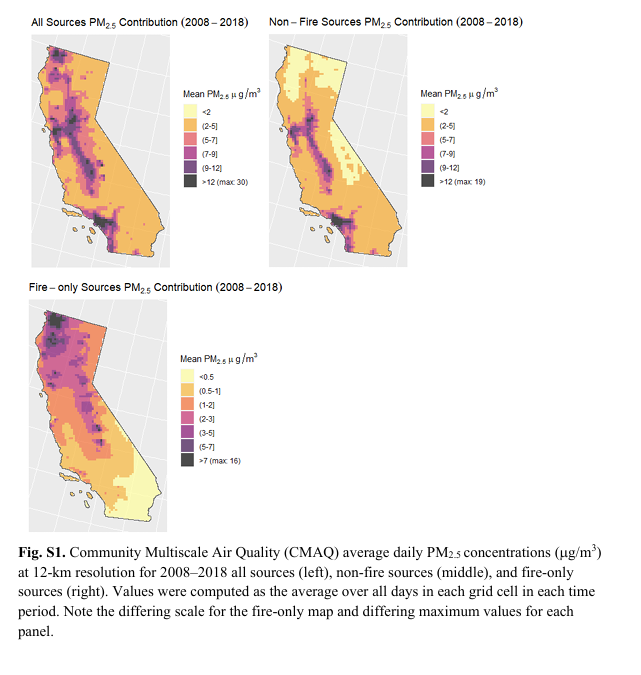
A study aimed to quantify the long-term health impacts of smoke exposure from California wildfires between 2008 and 2018. Researchers modeled statewide levels of PM2.5 from wildfire smoke and analyzed mortality data by ZIP code.
They found that up to 55,710 premature deaths were attributable to wildfire-related PM2.5 exposure during this period. This equates to an economic loss of over $400 billion.

Why is Wildfire Smoke So Dangerous?
The PM2.5 from wildfire smoke differs from typical urban PM2.5. Wildfire PM2.5 contains a higher proportion of carbon, including 5-20% elemental carbon and over 50% organic carbon. These particles also have more polar organic compounds, which generate free radicals. Free radicals can cause increased inflammation and oxidative stress in the body, leading to various health issues.
Read more: Wildfire Smoke 10x More Dangerous Than Typical PM2.5, Study Shows
Free Guide to Breathing Safe
Want to learn more about breathing clean air? Join thousands more and stay up to date on protecting your health.