
Air pollution is an invisible problem with very real consequences. Whether you’re a business, an individual, or just someone who enjoys breathing (so, everyone), keeping an eye on outdoor air quality is crucial for health, productivity, and even regulatory compliance.
At our office, we’ve been monitoring the air outside with the AirGradient Open Air monitor, and the results have been eye-opening. The screenshots below show that PM2.5 levels on Horseferry Road have been well above the WHO’s recommended limit of 5 µg/m³, often reaching unhealthy levels.
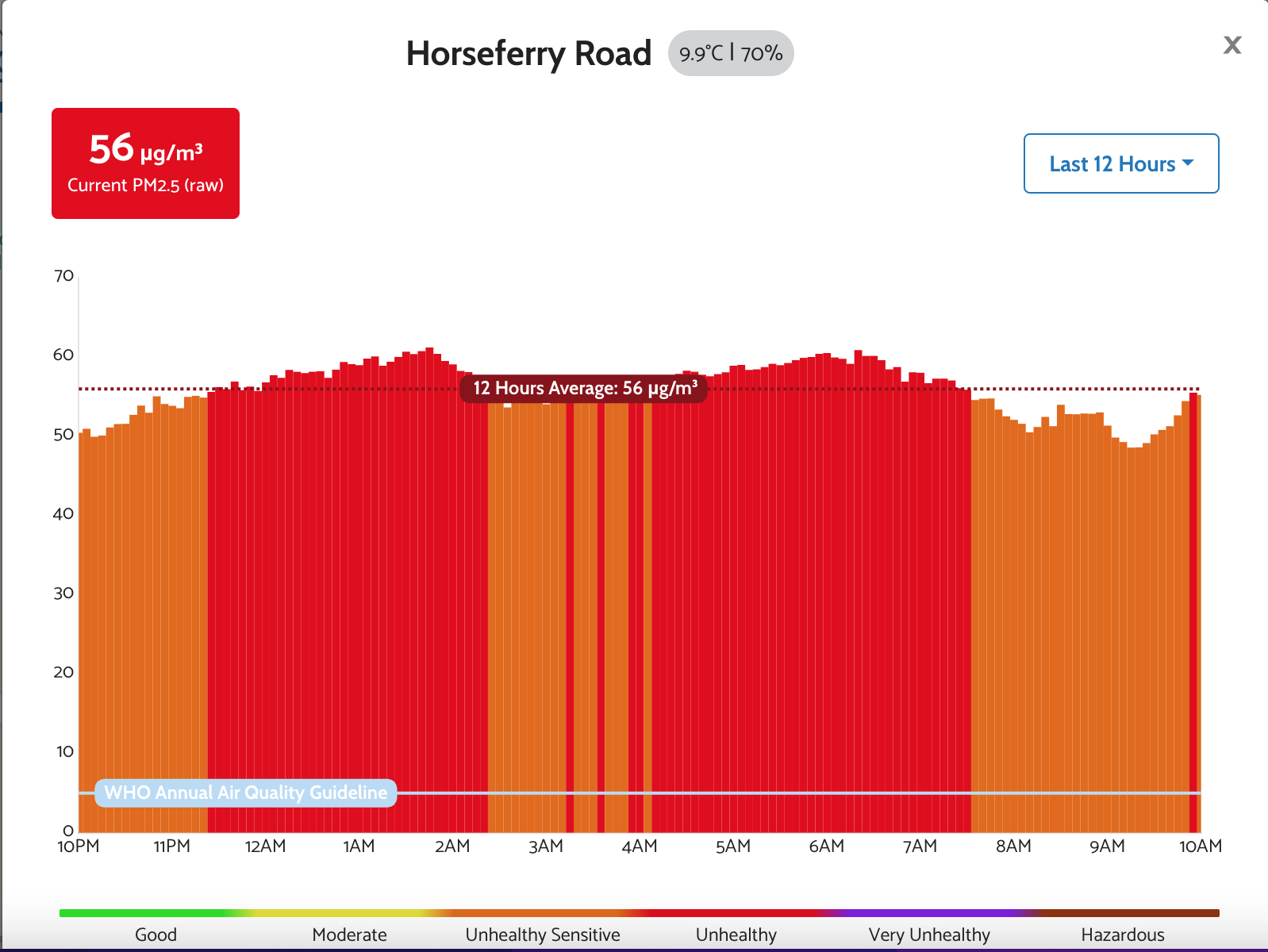
Fig 1: Raw PM 2.5 data for the past 12 hours
Over the past week, the average PM2.5 was 25 µg/m³, while in the past 24 hours, it was 41.9 µg/m³, which is five times over the WHO limit (5 µg/m³).
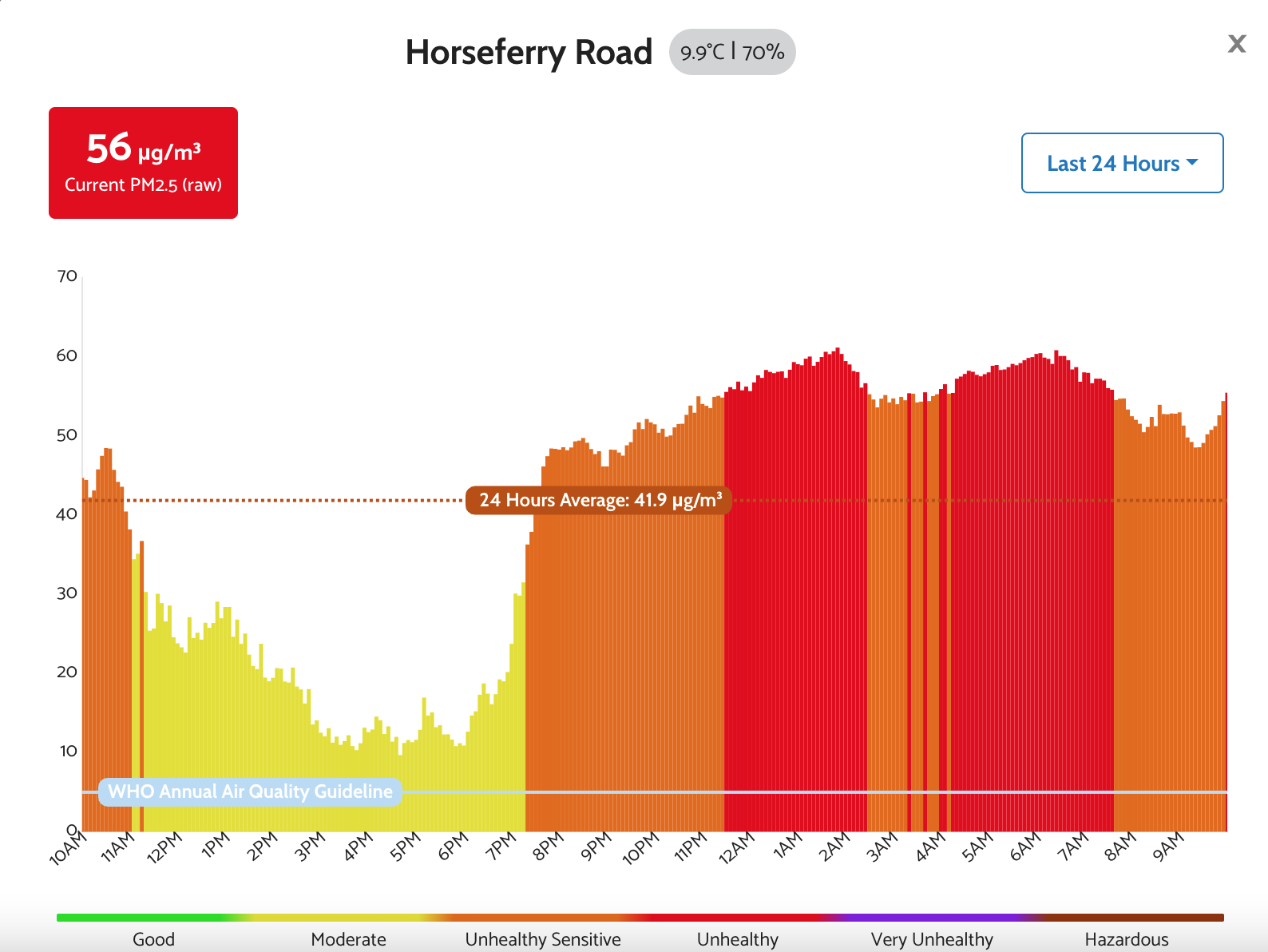
Fig 2: Raw PM 2.5 data for the past 24 hours
Why does outdoor air monitoring matter?
Health impacts: Long-term exposure to high PM2.5 levels is linked to respiratory diseases, heart conditions, and even cognitive decline. Did you know? Air pollution contributes to up to 36,000 premature deaths in the UK every year. The tiny particles in polluted air can penetrate deep into our lungs and even enter the bloodstream, increasing the risk of strokes and heart attacks.
Workplace well-being & productivity: Poor air quality isn’t just an outdoor problem. Polluted air seeps into buildings, affecting employees’ concentration, increasing sick days, and reducing overall well-being. In 2023, work absences cost the UK a staggering £32.7bn in lost productivity. And with long-term sickness on the rise, businesses are losing more money every year. If nothing changes, this could soar to £66.3bn by 2030.
Research from Harvard University found that workers in offices with cleaner air perform better on cognitive tasks compared to those in spaces with higher pollution levels.
Community and environmental responsibility: By monitoring the air, businesses and individuals can advocate for cleaner air, support local initiatives, and push for policies that prioritise public health. Data-driven awareness is key to change. The more people who understand how bad air pollution really is, the more pressure there is for solutions like low-emission zones, green infrastructure, and stricter air quality regulations.
Real-time data: It’s easy to ignore pollution when we can’t see it. But real-time air quality monitoring changes that. When businesses and individuals can see pollution levels spiking in real-time, it becomes clear that air pollution isn’t just an abstract issue, it’s happening here and now.
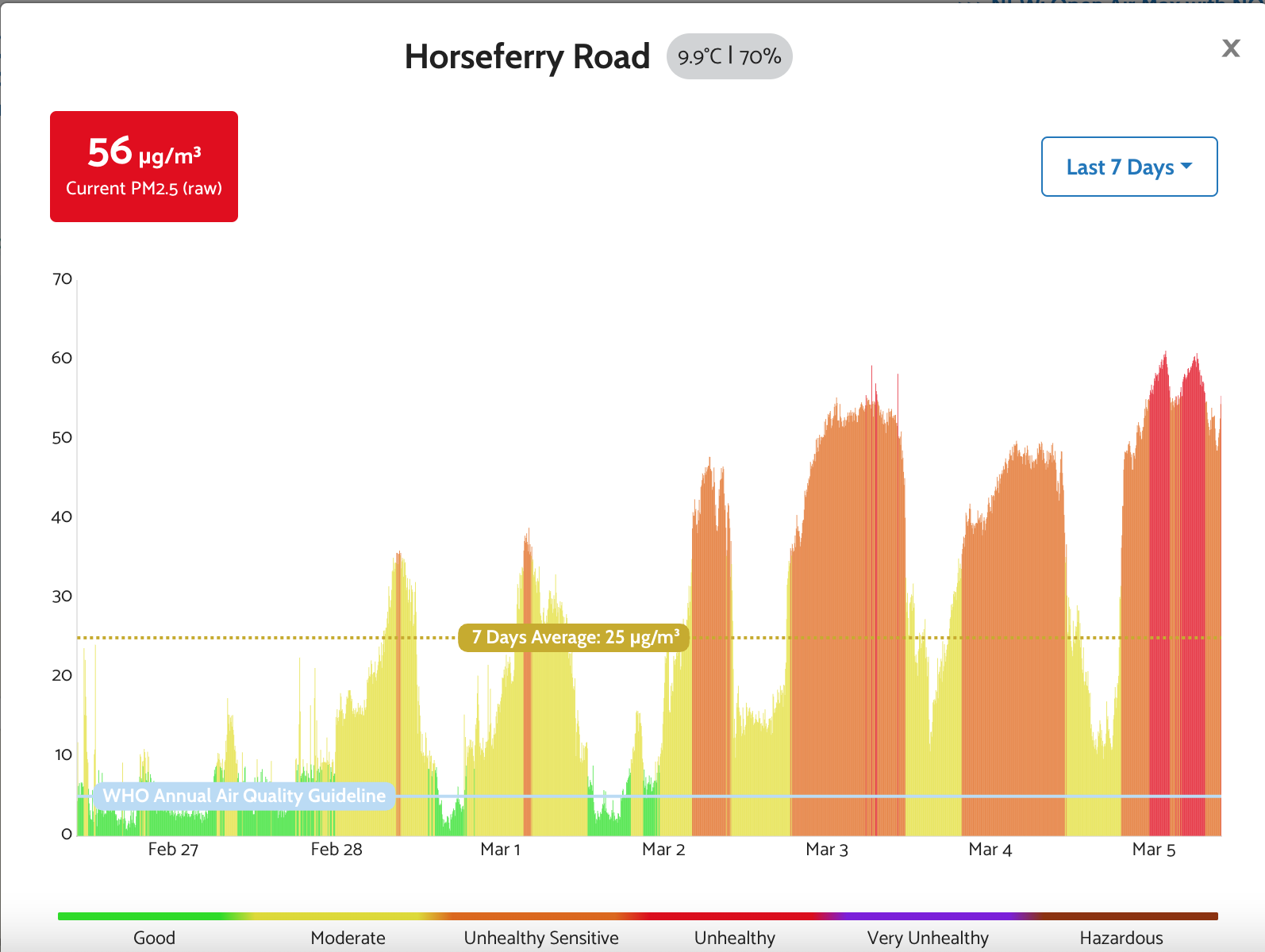
Fig 3: Raw PM 2.5 data for the past 7 days
For example, our own monitoring on Horseferry Road shows how pollution levels fluctuate throughout the day. Rush hour spikes are a clear reminder of how traffic impacts air quality, and nighttime trends show how emissions linger even when the streets are quieter. Having this data means we can make better choices, like closing windows, turning on air purifiers, adjusting, and advocating for cleaner air for all.
Air pollution isn’t just a problem for people with asthma or lung conditions, it affects everyone. The more we monitor, the more we can take action to protect our health and our environment. Knowledge is power, and in this case, it’s also breathability.

