
The difference between P2 and N95 masks is so small that most users will not notice anything amiss. The P2 rating is the standard in Australia and New Zealand similar to the US N95 mask rating.
What is a P2 Mask?
A P2 respirator mask is a type of mask that blocks very small particles made both by machines and by heat. This makes them popular because they’re good at stopping around 94% of all the tiny particles in the air.
If you’re using a P2 mask, it keeps you safe from small bits of stuff made by machines, like when you’re grinding, cutting, sanding, drilling, or sawing. It also shields you from extremely tiny bits made by heat, like those from welding or bushfires.
These masks are also approved for use in places like hospitals to protect against viruses and other harmful germs in the air. So, they’re useful for stopping things like COVID-19 and other diseases from spreading.

P2 vs N95 Masks
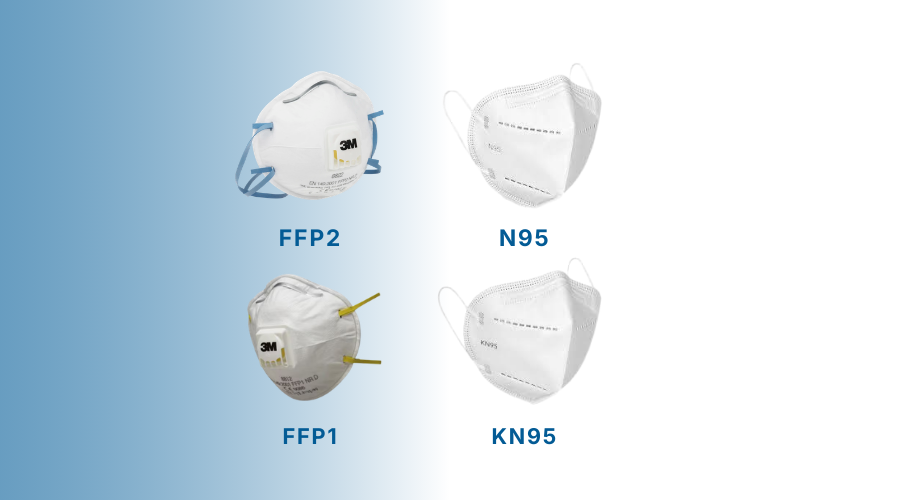
P2 and N95 masks look almost identical, and they filter out nearly the same amount of particles: 95% versus 94%. This chart highlights what’s the same and what isn’t between the P2 and N95 masks (courtesy of 3M).

On the metric that most people care about (filtration effectiveness), they’re nearly identical. In most circumstances, mask users will not care about a 1% difference in filtration. In fact, they’re so similar that the New South Wales government says P2 masks are “also called N95.”

P2 Standards Borrow More From Europe Than US
Yet there are some minor differences between the standards. For example, the US tests filtration at a flow rate of 85 liters per minute, whereas the EU and Korea test against a flow rate of 95 liters per minute.
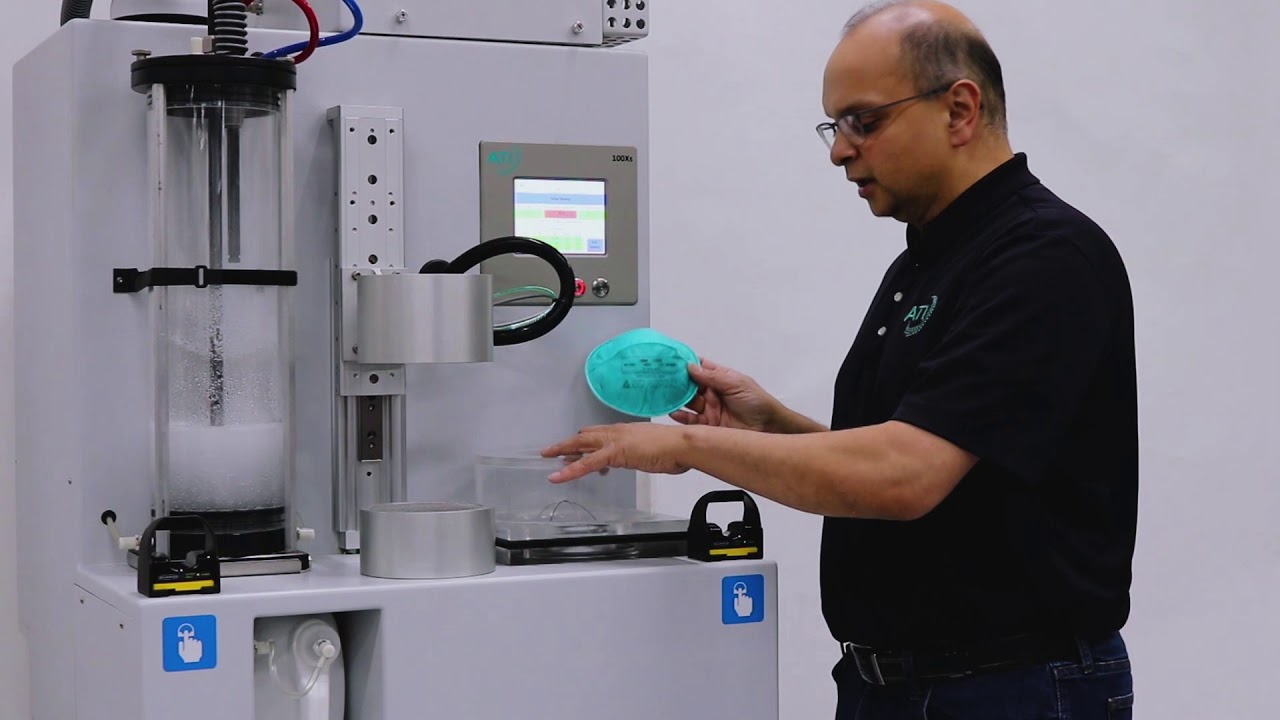
Another difference is that to get masks certified as “P2,” manufacturers must perform fit tests on real humans. N95 manufacturers do not need to do human fit tests.

Keep in mind that this doesn’t mean people shouldn’t do fit tests with N95 masks. In fact, the US agency that regulates workplace safety (OSHA) requires workers in certain industries to do yearly fit-tests. However, OSHA does not require manufacturers to do these tests in order to get the N95 certification.
Other Differences Between P2 and N95 Mask Ratings
Besides the 1% difference in filtration, there are some small differences in other factors.
- The standards require P2 masks to be somewhat easier to breathe out of (“exhalation resistance”).
- Australia requires manufacturers to test their masks for “CO2 clearance,” which prevents CO2 from building up inside the mask. In contrast, N95 masks don’t have this requirement.

Although CO2 can build up, people often have the mistaken intuition that their bodies will lack oxygen. Studies have found no reason to worry about blood oxygen levels. For example, one study found that, even during moderate exercise, women wearing N95 masks had no change in blood oxygen levels. Even pregnant women asked to exercise while wearing N95 masks had no reduction in blood oxygen.

Free Guide to Breathing Safe
Want to learn more about breathing clean air? Join thousands more and stay up to date on protecting your health.






Thank you for this excellent article. We are in Australia but it was wonderful to see such a thorough paper. Many thanks
These type of articles keeps the users interest in the website, and keep on sharing more. I enjoyed reading your article
It’s worth pointing out that the masks in some of those photos that possess valves should not be worn for the purpose of preventing spread of COVID-19 because they only protect the wearer from other people, but don’t protect other people from the wearer (which is the main point)