In the hustle and bustle of modern life, concerns about air quality often center around respiratory health and physical well-being. However, a growing body of research is shedding light on a less visible but equally significant aspect: the profound impact of air quality on mental health. This article delves into the complex relationship between air quality and mental well-being, backed by research from the BioAirNet program and Harvard University.

Polluted Air Can Mess Up Your Mind
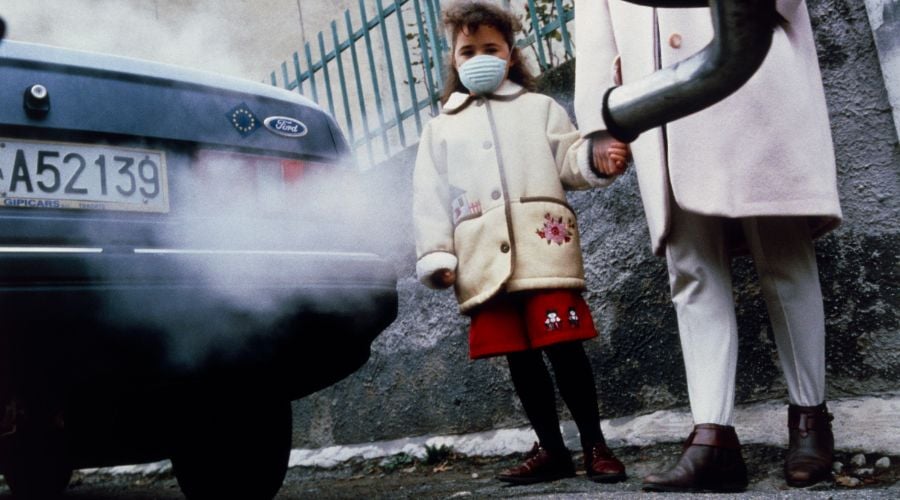
Breathing in dirty air isn’t just bad for your lungs; it might mess with your head too. Some studies say that living in places with lots of air pollution could increase the chances of dealing with mood problems like feeling sad or anxious, and even more serious things like losing touch with reality or developing memory issues. Additionally, there are warnings that children and adolescents, particularly during crucial stages of growth, might face exposure to air pollution, putting them at risk of experiencing severe mental health problems in the future.
Each 10 μg/m3 Rise in Air Pollutant Doubles the Odds of Depression
Research points out that being exposed to certain air pollutants, such as fine particulate matter (PM2.5) and nitrogen dioxide (NO2) for a long time, as well as shorter exposure to various pollutants like PM10, SO2 (Sulphur Dioxide), O3 (Ozone), and CO (Carbon Monoxide), may increase the risk of developing depression.
In places like Barcelona and Seoul, breathing in more polluted air has been tied to a notable rise in depression rates. Research suggests that for every 10 μg/m3 increase in a certain air pollutant, the chances of experiencing depression doubled. Similarly, in the United States, when the air quality got worse, there was a noticeable uptick in the likelihood of people feeling depressed.

Anxiety and Air Quality are Interconnected!
Breathing in dirty air can make us feel more anxious, and the reason behind it is linked to how our body reacts to pollution. The pollutants trigger inflammation in our bodies and mess with our brain chemicals, affecting our mood. Studies say that pollutants like PM2.5, PM10, Ozone, and NO2 play a major role in this.
Research also informs us that exposure to fine particulate air pollution was associated with increased anxiety symptoms, with higher levels observed in those living between 50 and 200 meters from major roads.
Our Cozy Indoors can also be a Culprit
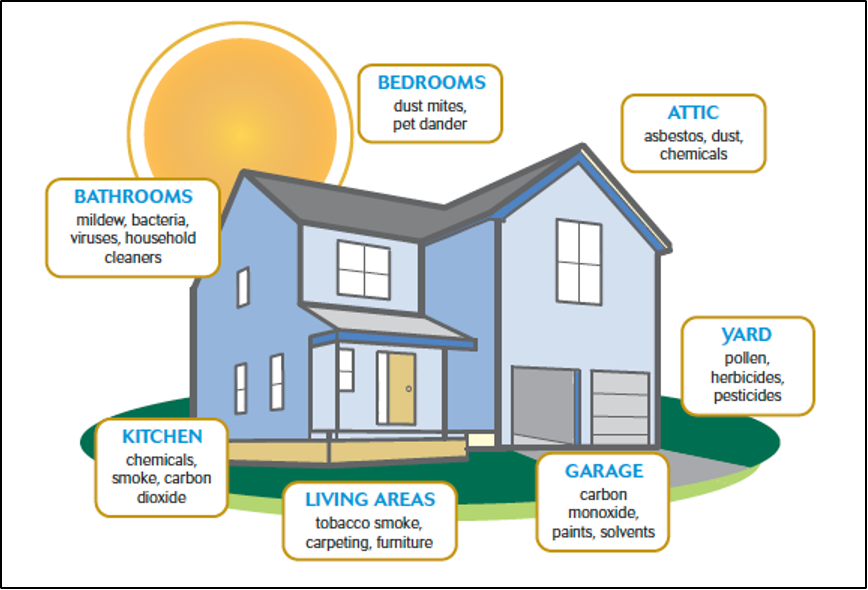
Sources of indoor air pollution (Source: World Economic Forum)
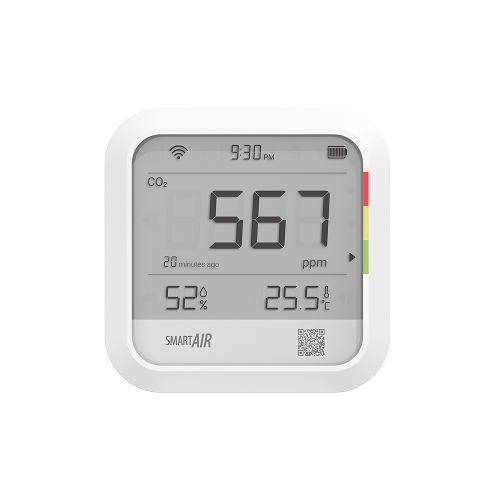
Yet, it’s not just the air outside that’s orchestrating this silent symphony. Our indoor environments, where we spend a significant chunk of our time, have their own cast of pollutants – particulate matter, nitrogen dioxide, carbon monoxide – creating a complex interplay with potential impacts on mental health. From poorly designed living spaces to energy-efficient buildings, the air we breathe indoors could be a significant player in the mental health drama.
Consider this: dampness, mold, and poor ventilation might be more than just annoyances. They could be co-conspirators in the tale of mental health struggles.
As we navigate the twists and turns of this narrative, one thing becomes clear – understanding and addressing the impact of air pollution on mental health requires a holistic view, from pregnancy through all stages of life.

Your Health is Very Important…
As our world becomes more urbanized, taking care of air quality becomes not just about physical health but is key to keeping our minds strong and resilient, regardless of our age. To promote mental well-being, it’s important to make sure the air we breathe is good for our minds and doesn’t harm them.
Free Guide to Breathing Safe
Want to learn more about breathing clean air? Join thousands more and stay up to date on protecting your health.