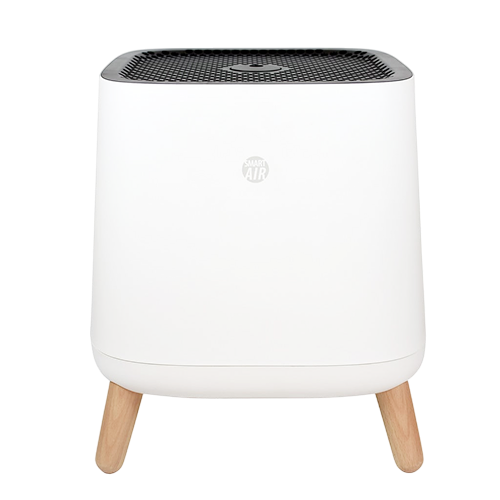
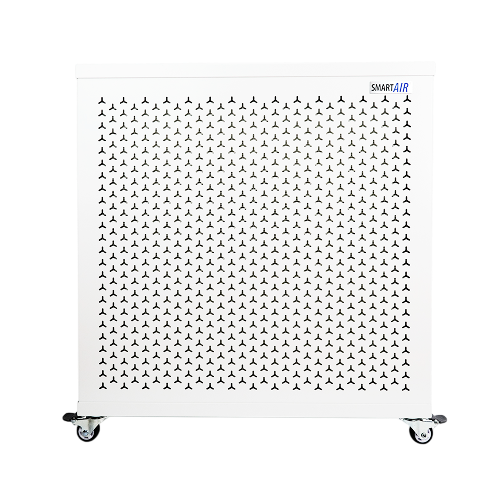
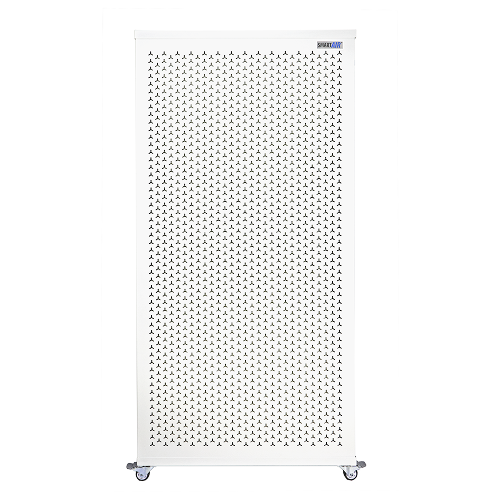
A study found that air purifiers significantly improved classroom air quality and helped reduce student absences in Milan, Italy,
The study followed more than 2,000 students across five primary schools, comparing classrooms with and without air purifiers. Researchers tracked indoor air pollution, attendance, and student health throughout the school year.
The results suggest that cleaner indoor air may help students stay healthier and spend more time in class.
What the Study Looked At
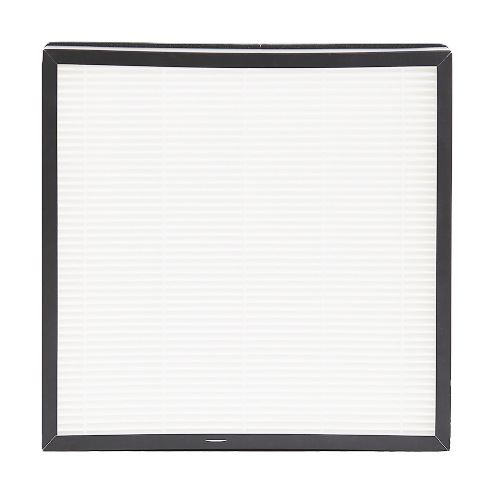
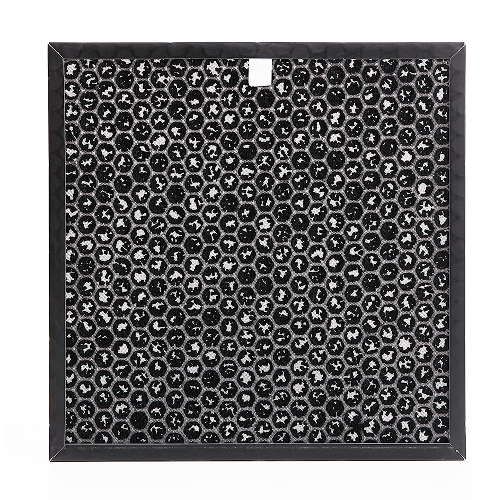
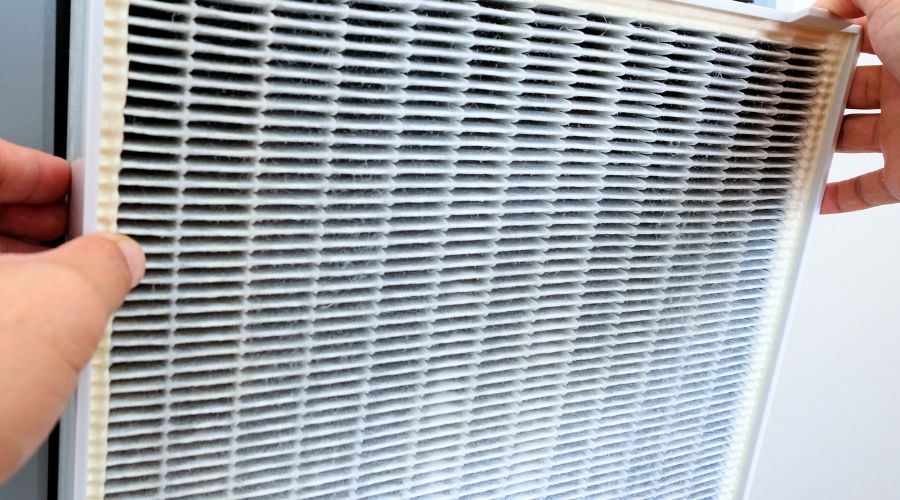
Researchers installed air purifiers in randomly selected classrooms across five primary schools in Milan, following 95 classrooms and 2,050 students over several months to compare indoor air quality and student attendance between classrooms with and without air purifiers.
Air Purifiers Reduced Indoor PM2.5 by 32%
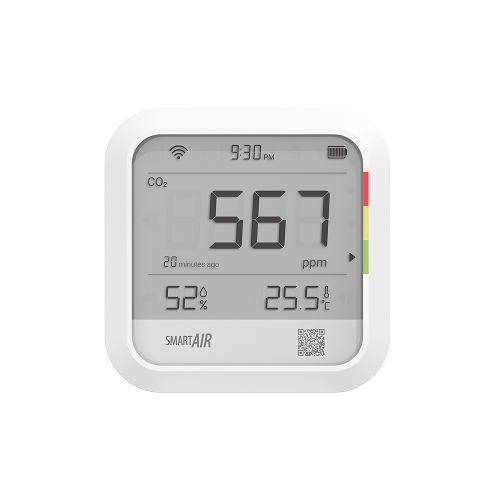
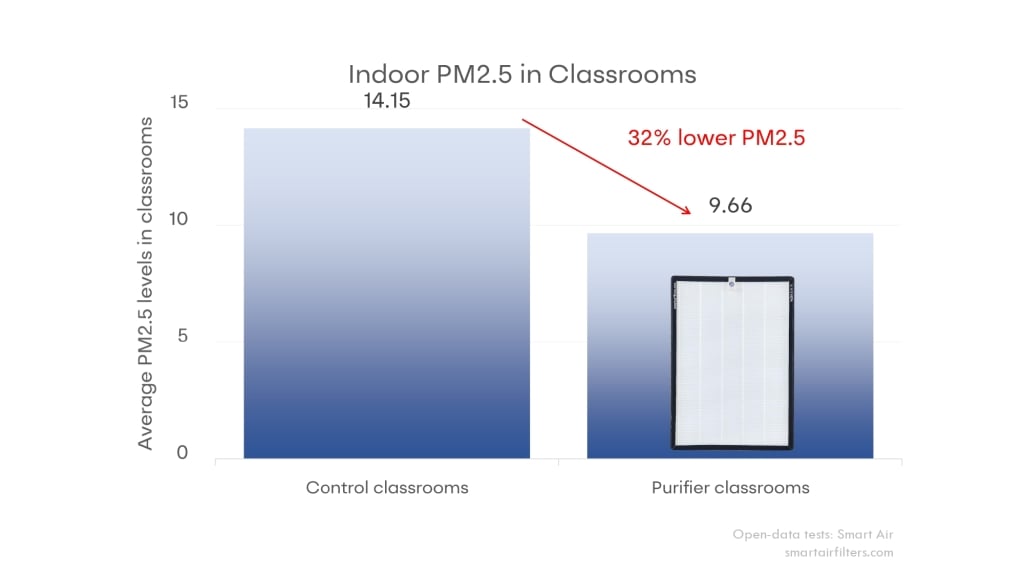
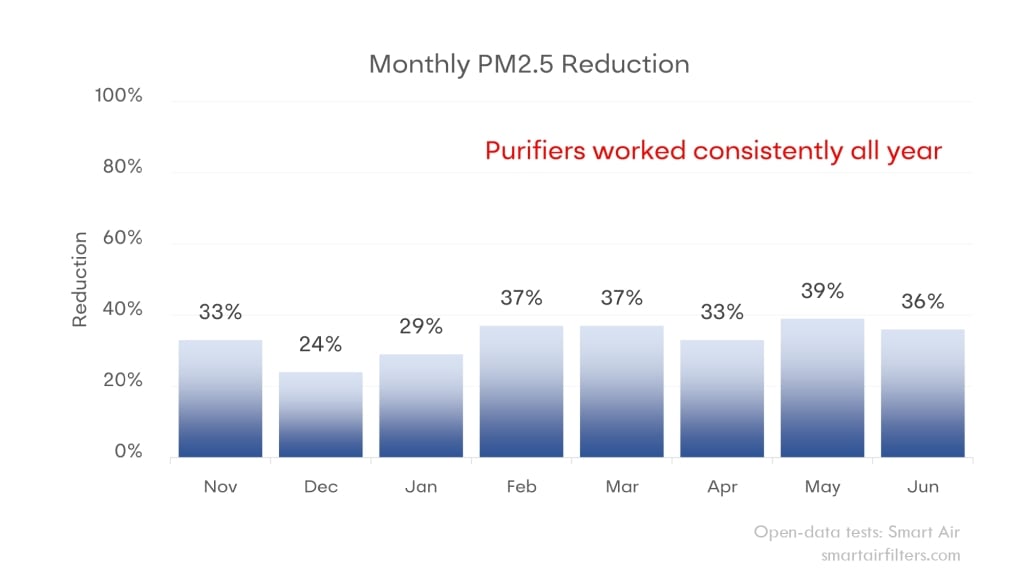
Classrooms with air purifiers had substantially lower PM2.5 concentrations than classrooms without them. Researchers found that air purifiers lowered indoor PM2.5 levels by approximately 32%. The reduction remained relatively consistent throughout the school year, including during winter months when outdoor pollution levels were higher.
Students Missed Fewer School Days
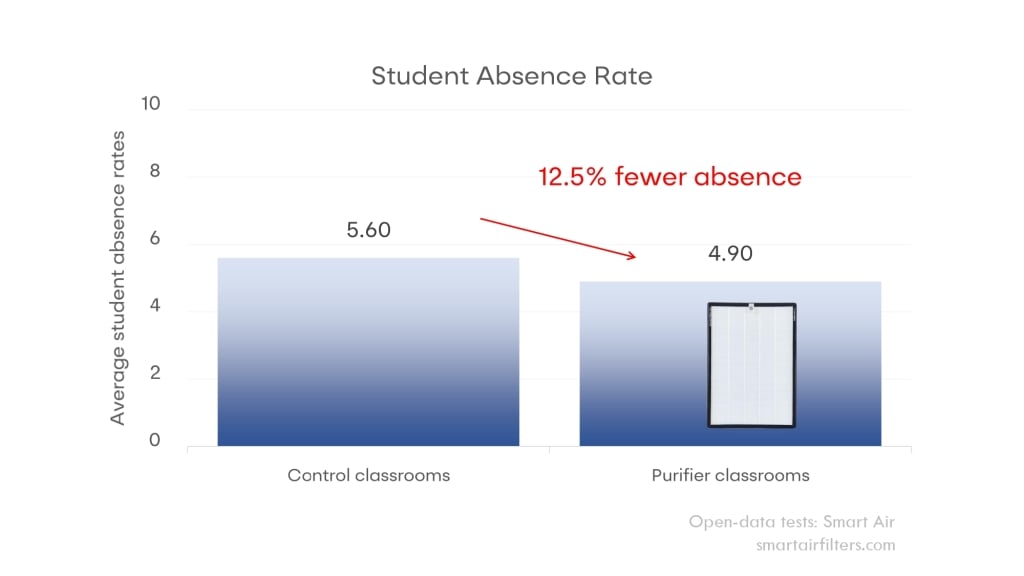
Cleaner air was also linked to improved attendance. Students in classrooms with air purifiers were absent less often than students in classrooms without purifiers.
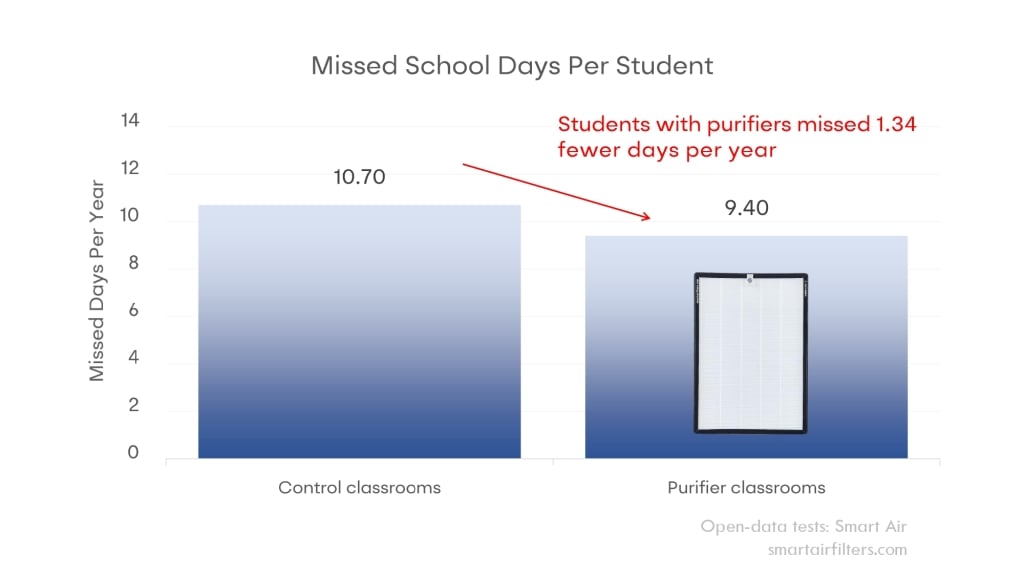
The study found that classrooms with air purifiers experienced a 12.5% reduction in student absenteeism. On average, students missed about 1.34 fewer school days per year.
Researchers also found stronger benefits among students who already had higher absence rates before the study began.
More Days Within WHO Air Quality Guidelines
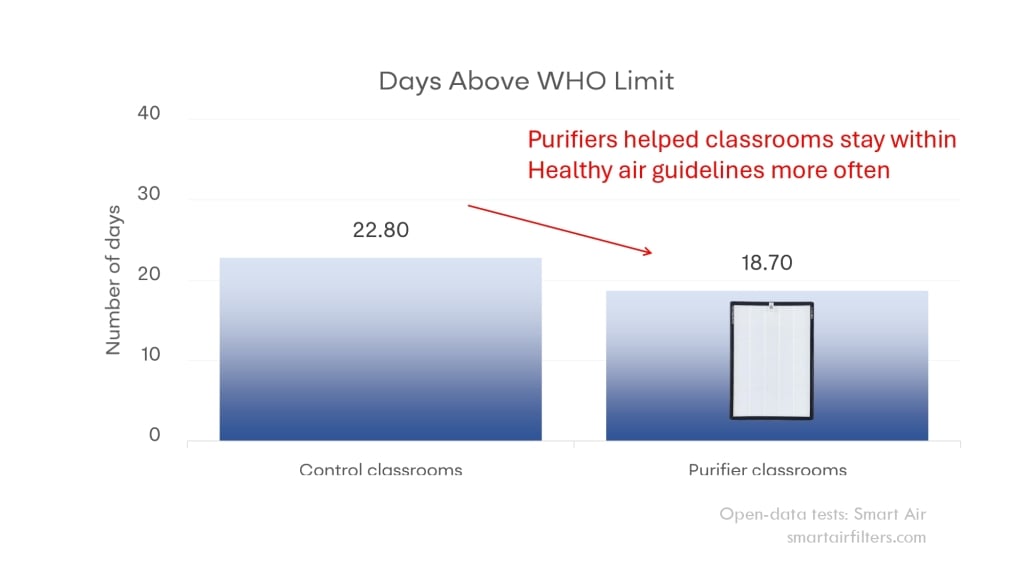
The study also looked at how often classrooms exceeded World Health Organization (WHO) PM2.5 guidelines. Classrooms with air purifiers stayed within recommended air quality limits more often.
Control classrooms exceeded WHO PM2.5 limits on 28.2% of school days. In classrooms with air purifiers, that number dropped to 18.7%.
Students Reported Fewer Respiratory Symptoms
In addition to attendance data, students in classrooms with air purifiers reported fewer symptoms such as runny noses, blocked noses, and coughing.
The researchers believe these health improvements likely contributed to the reduction in absences.
Air Purifier: A Practical and Cost-Effective Intervention
The researchers estimated that the intervention cost approximately €10.60 per avoided absence day. Compared to many educational or attendance interventions, the study finds that air purifiers were relatively cost-effective and easy to scale.
Although air purifiers should not replace broader efforts to reduce outdoor pollution, they may provide schools with a practical way to improve indoor air quality where students spend much of their day.
Free Guide to Breathing Safe
Want to learn more about breathing clean air? Join thousands more and stay up to date on protecting your health.