How Big Are Radon Particles?

How Big Are Radon Particles

Although radon starts as a gas, it can eventually decay into radioactive radon particles. So how big are these radon particles? It turns out, the size of radon particles can vary depending on what else is in your air.

Radon Particles: Two Sizes

Size #1: Radon Attached to Aerosol Particles (50-300 nanometers)

After decay, radon particles are so small they easily attach to larger aerosol particles. For example, scientists released radon in test chamber along with incense smoke.

Radon particle size

The incense particles averaged around 0.1 microns (100 nanometers), so the radioactive particles that had radon attached were also around 0.1 microns.

Radon particle size

Then they burned an oil candle, and that created smaller particles. Many of those particles were from 0.06 to 0.10 microns (60-100 nanometers). As a result, the radioactive particles were also smaller.

Radon particle size
Size #2: Unattached Radon Particles (.5-3 nanometers)

Radon particles that do not attach to aerosols are free radon atoms and far smaller, ranging in size from .5-3.0 nanometers.
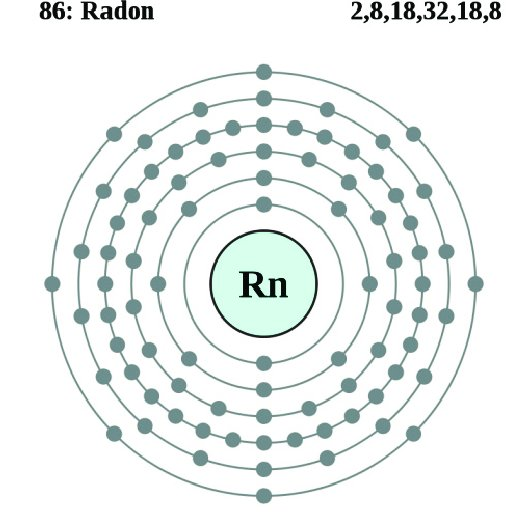
Radon atom
Radon Atom

Read More: Do HEPA Filters Remove Radon Particles?

Bottom Line
Do HEPA Filters Remove Radon Gas?
Radioactive radon particles vary in size depending on whether the particle has attached to an aerosol. Attached radon particles are larger in size ranging from 50-300 nanometers, while unattached radon particles range from .5-3 nanometers.
Smart Air

Free Guide to Breathing Safe

Want to learn more about breathing clean air? Join thousands more and stay up to date on protecting your health.
Subscribe
Notify of

5 Comments
Inline Feedbacks
View all comments
Cheryl
2024-04-09 8:05 pm

How do I know if the particles in my home are radon?

Radon Columbus Mitigation Expert
2023-05-09 2:36 pm

The blog offers a concise and informative overview of the size and behavior of radon particles, enhancing readers’ understanding of this important aspect of radon gas.

Omaha Radon Pros
2023-05-09 1:36 pm

This blog post offers valuable insights into the size and behavior of radon particles, helping readers better understand the potential risks associated with radon exposure and the measures that can be taken to mitigate them.

Who we are
Clean Air Social Enterprise
Smart Air is a certified B Corp on a global mission to make clean air accessible through science, education, and affordable air purification

Subscribe to our newsletter and be part of the clean air movement
The Sqair
Up to 36m² (387ft²)

A stylish, minimalist purifier that blends seamlessly into any modern home

SA600
Up to 60m² (645ft²)

Engineered with dual filters to deliver maximum air purification performance

The Sqair
Up to 36m² (387ft²)
CADR: 508 m³/h
New
SA600
Up to 60m² (645ft²)
CADR: 508 m³/h
Blast Mini Mk II
Up to 89m² (958ft²)
CADR: 743 m³/h
Blast Mk II
Up to 114m² (1,227ft²)
CADR: 950 m³/h

HEPA Filters

Remove PM2.5, PM10, dust, pollen, allergens, and viruses

Carbon Filters

Remove VOCs, smoke, formaldehyde, and odors

CO₂ Monitor

Measure CO₂, temperature, and relative humidity

HEPA Filters
Remove PM2.5, PM10, dust, pollen, allergens, and viruses
Carbon Filters
Remove VOCs, smoke, formaldehyde, and odors
Left Right
CO₂ Monitor
Measure CO₂, temperature, and relative humidity

Latest Articles

Smart Air low cost purifiers

Smart Air is a social enterprise and certified B Corp that offers simple, no-nonsense air purifiers and provides free education to protect people from the harms of air pollution.

Certified B-Corp air purifier company
Subscribe to Clean Air Newsletter

Be the first to know about air quality news, research, the latest clean air gadgets, and discounts. 🌎