Many companies sell air filters with a thin carbon layer. The motive is clear: advertise the ability of carbon to remove gas pollutants. But are these thin carbon layers truly effective? A new academic study finds these filters lose effectiveness after just minutes of use.

What Are 3-in-1 Filters?
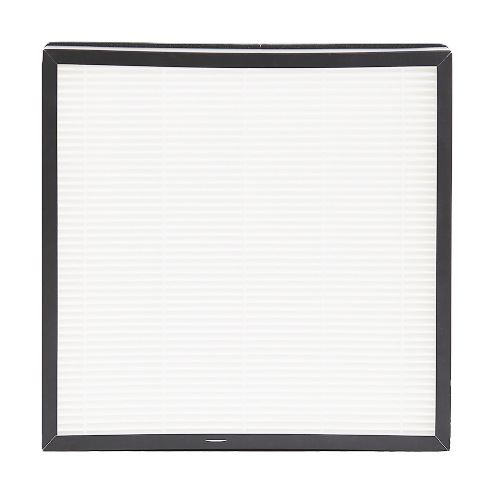
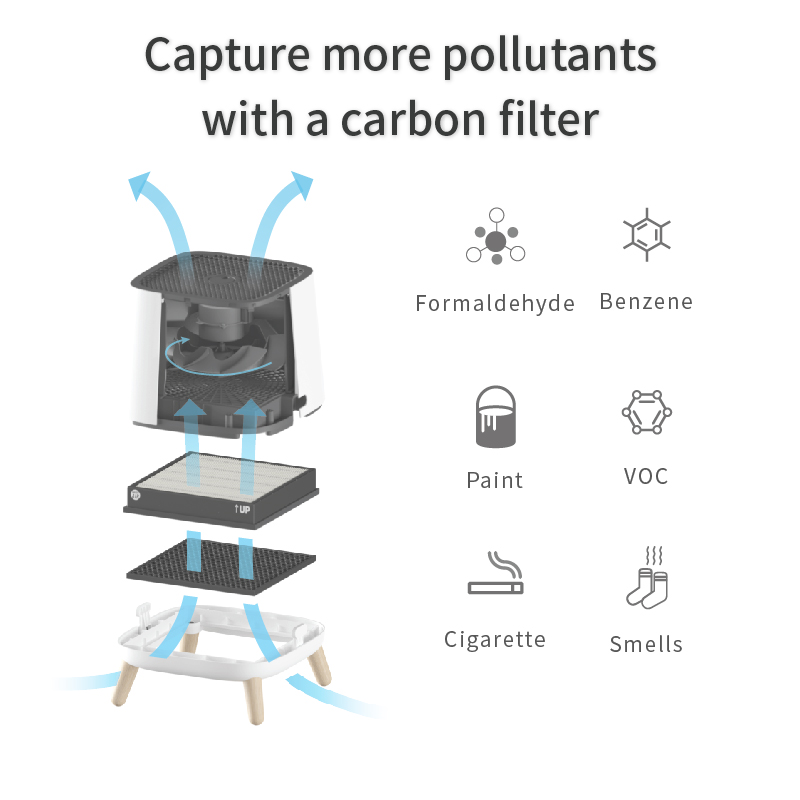
Air filter companies often advertise these thin carbon filters as “3-in-1 filters” or composite filters. They combine three types of filters: a pre-filter, a particle filter, and an activated carbon filter to capture gases.
Pre-filter: The pre-filter captures large particles such as hair, to prolong the life of the particle filter.
Particle filter: The particle filter captures tiny particles like viruses, allergens, and dust. In some cases, these are HEPA filters. In other cases, they’re lower grade particle filters.
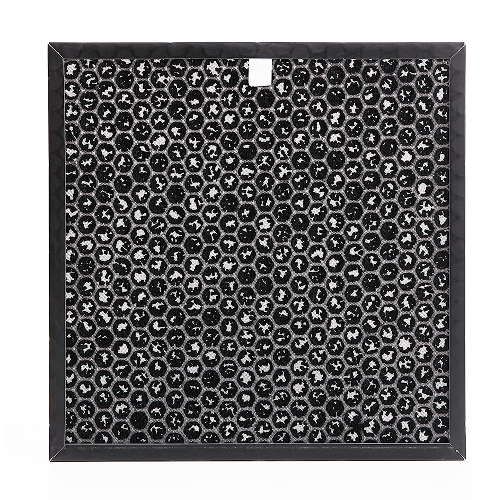
Carbon: Activated carbon filters absorb gases, such as ozone and odors.
Are Carbon Layers Just a Marketing Gimmick?
Purifier companies claim that these 3-in-1 filters are better than standalone filters because they capture more than just a HEPA filter. In some filters, the carbon is just little flecks of carbon put into the particle filter. The dark specs in this mask are tiny pieces of carbon.

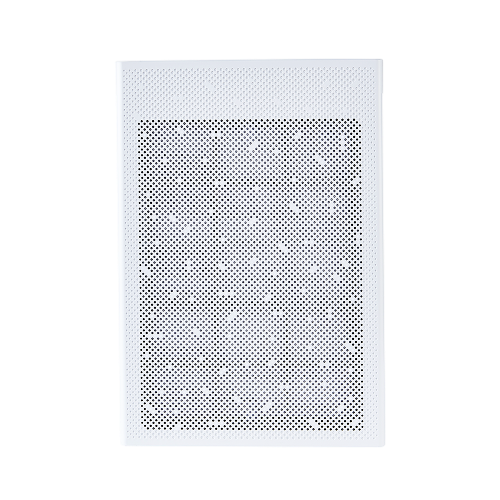
In some filters, the carbon is its own layer, but it is very thin. For example, this Xiaomi filter uses a thin carbon layer similar to the one in this picture.

But are thin carbon layers actually effective, or is it just a filter in name only?
Carbon Filters Put to the Test
Researchers tested whether car cabin air filters could remove two gas pollutants: n-butane and toluene. Toluene is a common chemical used in gasoline, paints, and inks. It causes health problems and birth defects.
The researchers tested 15 filters that all have a thin carbon layer.

When the filters were brand new, they captured anywhere from 10% to 80% of n-butane, so there was huge variation between brands.

But what was consistent across brands was that they all lost effectiveness quickly. After just 5 minutes, all the filters dropped in effectiveness. Most filters lost almost half of their effectiveness in this short amount of time.

After just five minutes, eight of the filters were capturing less than 30% of butane. Two filters dropped to 0% effectiveness.
The results were better for the toluene tests. The drop in effectiveness wasn’t as large. But all filters showed a decrease, and three filters lost 20% effectiveness in just five minutes.

This study demonstrates a fundamental problem with thin carbon filters. These thin carbon filters lose their effectiveness quickly. Some sources recommend changing car air filters after 12 months. So if carbon filters are losing effectiveness in just five minutes, this suggests that they will become useless after just a few hours or days.
Carbon Filters Clog Easily, Harming Particle Performance
Researchers suggested another downside of the carbon filters. The carbon layer will become clogged with particles over time. As it clogs up, it restricts air flow. In the tests, the researchers found that this increased air pressure in the filters reduces the ability of the particle filters to pass air through, resulting in less clean air.

What Are Better Options?
Combining several filters into the space of one filter leaves less space for each type of filter. That means the HEPA filter is smaller and therefore weaker. The carbon filter also has to be smaller to fit in that space, and that makes it weaker too.
By separating HEPA and carbon filtration into separate filters, each filter type can perform better.
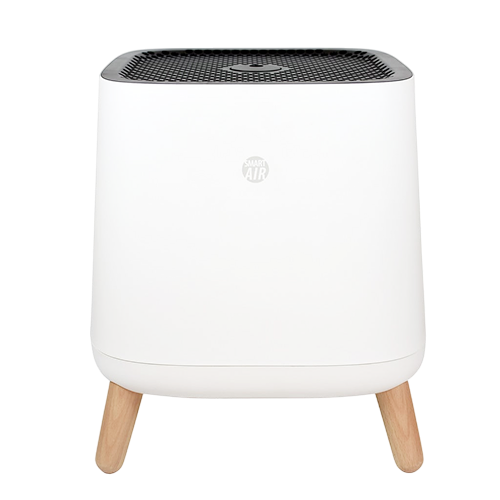
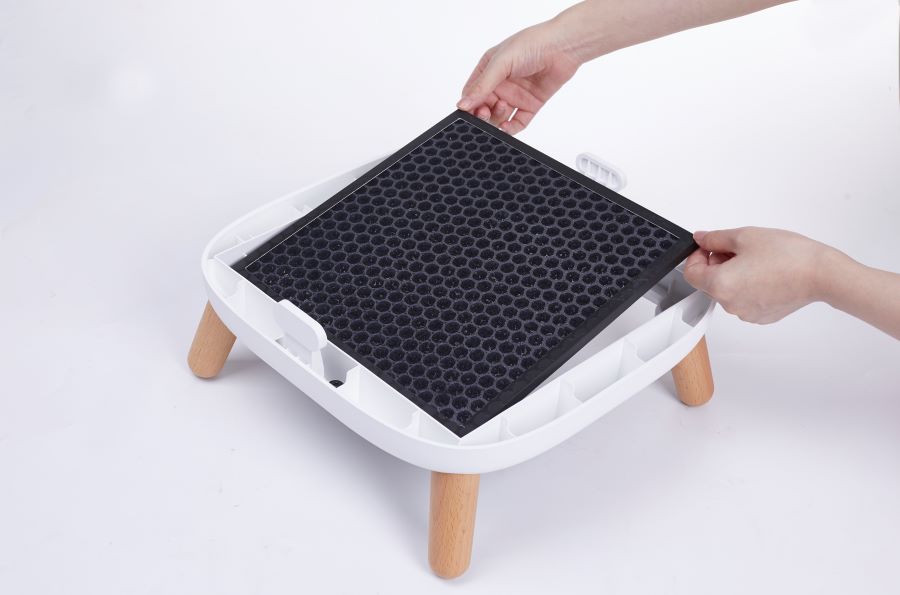
Look for purifiers that have a separate carbon filter. And look for actual pellets of activated carbon because they have more carbon and will remain effective for longer. We put actual pellets of carbon in our carbon filters for the Sqair and SA600.
Free Guide to Breathing Safe
Want to learn more about breathing clean air? Join thousands more and stay up to date on protecting your health.