In our 2023 report on the 25 most polluted cities, nine Indian cities were included. We’ve also explored potential factors contributing to air pollution in India. The most polluted cities in India like Delhi, Patna, Faridabad etc. are surrounded by large farming areas. Different agriculture related pollutants further worsen the air quality of these cities. Let’s dive in!

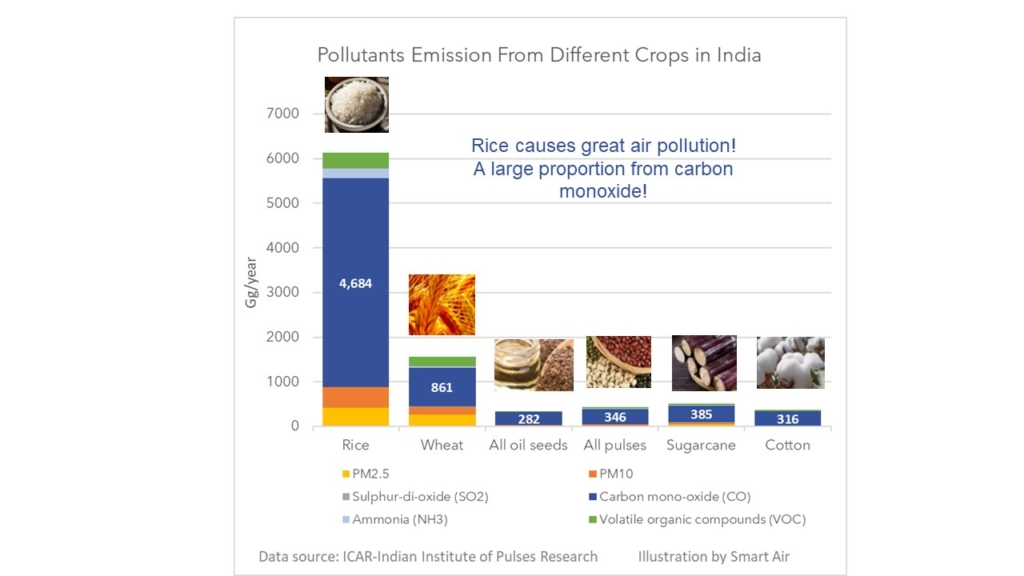
Crop Residue or Biomass Burning
India, as the world’s second-largest crop producer according to the Food and Agricultural Organization of the United Nations, generates approximately 500 million metric tonnes (MT) of crop residue each year which is enough to fill about 5.7 million football stadiums.
Around one-fifth are set on fire to burn. The burning of crop residue or biomass burning is a prevalent practice, usually happening after the wheat harvest in April-May (pre-monsoon) and the rice harvest in October-November (post-monsoon), mostly in the northwestern regions of the country.

Pesticides and Fertilizers
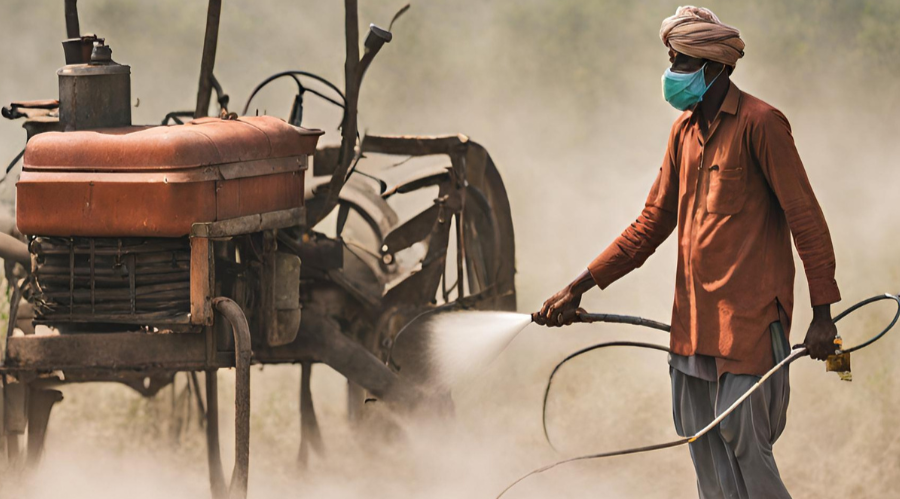
The excessive use of chemical fertilizers and pesticides in Indian agriculture is another source of pollution. India’s agricultural reliance on chemical pesticides is substantial. This overwhelming usage results in the release of significant volumes of volatile organic compounds (VOCs) and ammonia into the air.
When spraying pesticides, roughly 2% – 25% of the chemicals may disperse into the environment. This dispersion can extend from just a few yards to several hundred miles, causing severe air pollution.
Livestock Lead to High Methane Emission
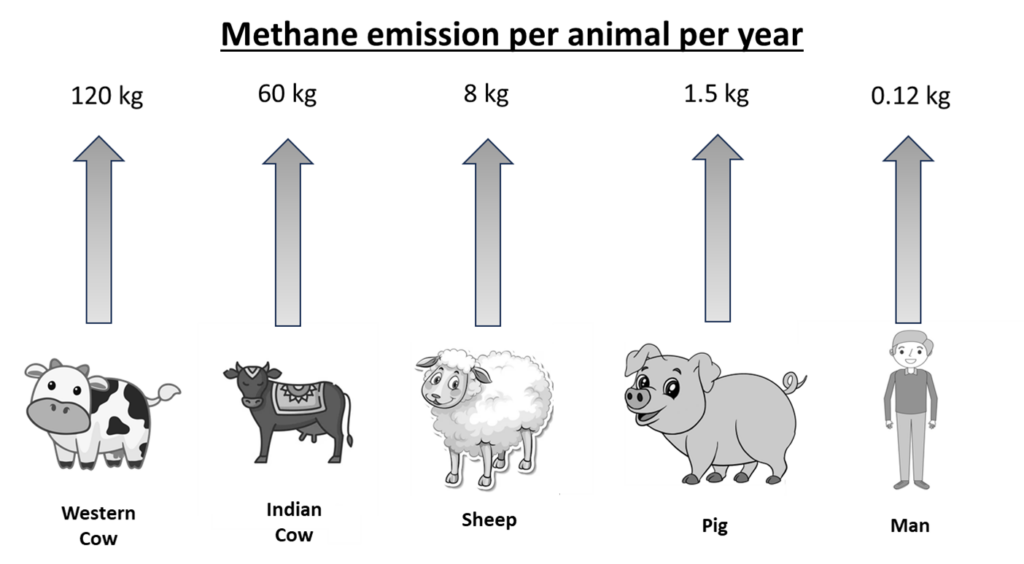
Ruminant livestock, primarily buffalo and cattle, dominate India’s livestock sector. These animals’ natural digestive processes lead to high methane emission called as Enteric Methane Emissions (EME). This substantial methane output, comprising 14% of India’s total methane emissions.
Because of this, Indian livestock are responsible for letting out more than 200 million tons of pollution each year. That’s like filling the skies with as much pollution as over 30 million airplanes emit in a year. This adds to the problem of air pollution in India.
Soil Dust
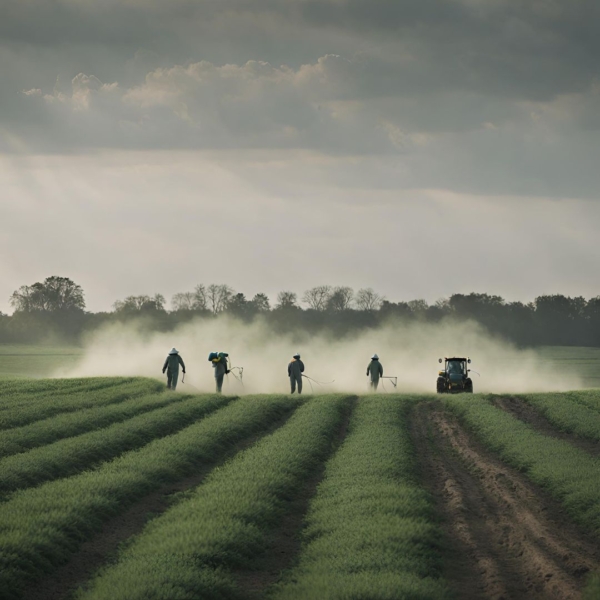
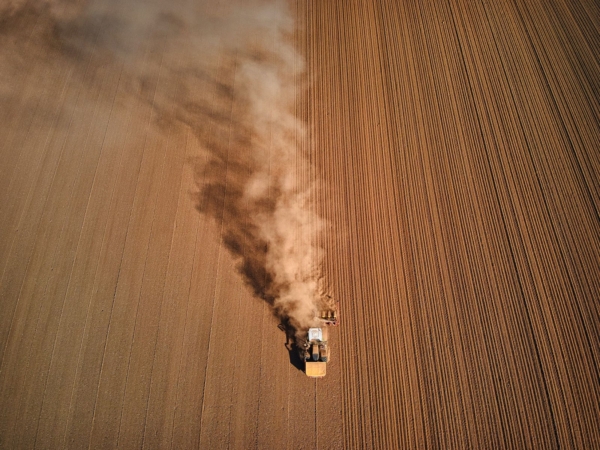
Farming is the major part of the lives of Indians. When farmers work on their fields, ploughing and harvesting, it stirs up a lot of dusty soil and floats up into the air.
The soil dust accounts for a significant portion of PM2.5 pollution, which has adverse effects on air quality and public health in the country.
What Can We Do?
Promoting sustainable farming practices, offering alternatives to crop residue burning, and improving livestock management are essential strategies, along with efficient fertilizer use.
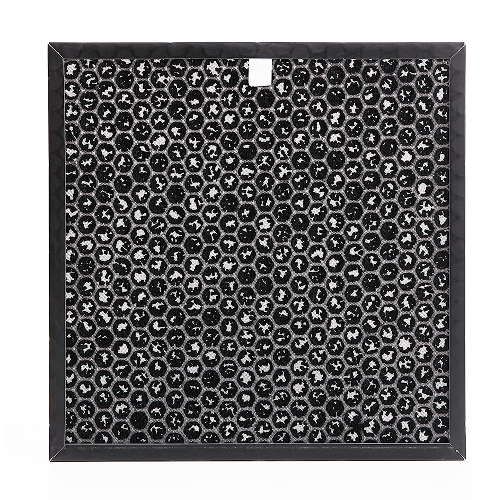
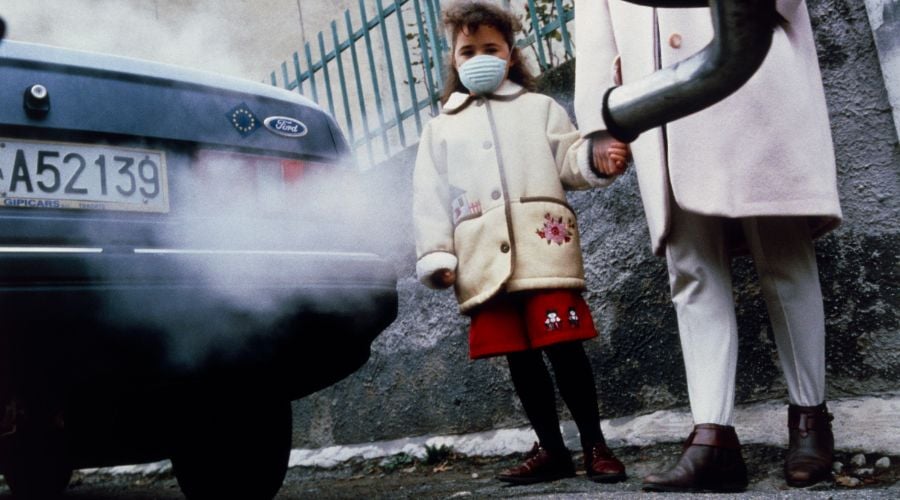
Additionally, investing in research and technology for low-emission farming methods is vital. To mitigate urban residents’ exposure to pollution, the use of suitable air purifiers and masks becomes increasingly important.

Free Guide to Breathing Safe
Want to learn more about breathing clean air? Join thousands more and stay up to date on protecting your health.