

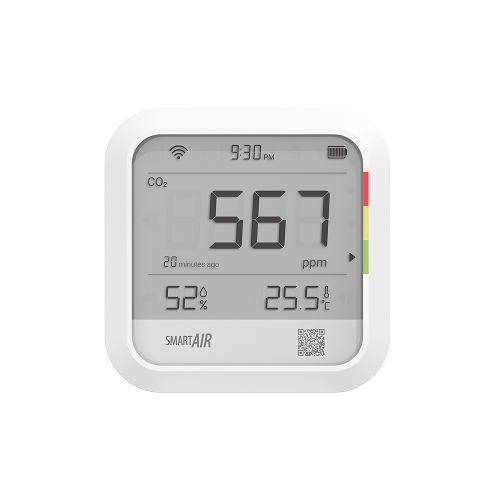
CO2 monitors are becoming a popular tool for COVID-19 mitigation indoors. But are CO2 levels actually a good indication of the risk of COVID-19 spread? In this article, we dive into why people are using CO2 monitors and how they can (and can not) help.

Why CO2 Monitors Are Used for Virus Transmission Prevention
CO2 levels are a good proxy for how well a space is ventilated. An area with poor ventilation that is filled with lots of people will likely have much higher CO2 levels than a space with better ventilation. In other words, lower CO2 levels indicate better ventilation.
In the chart below, the CO2 monitor detects high CO2 levels in the places you would expect.

Why is this so important? It turns that an environment with good ventilation significantly reduces the odds of COVID-19 spread.
The CDC confirmed this in their study of Georgia schools, showing that improved ventilation alone (such as opening windows) decreased COVID-19 spread by 30%. So by ensuring proper ventilation, CO2 monitors can help lower COVID spread.

What Level of CO2 Makes an Area “COVID Safe”?
Although there is no CO2 level that indicates an environment is “safe”, the closer an indoor environment can get to mimicking an outdoor environment the better. Outdoor CO2 levels are typically around 400 ppm.

Studies show that as indoor CO2 levels drop closer to outdoor levels, the risk of COVID-19 transmission drops proportionally.
For example, the study’s model showed if CO2 levels in a gym drop from 2,800 to 1,000 ppm (~2,400 above background levels to 600, 75% drop), the risk of COVID-19 transmission also drops by 75%. And if an influx of people caused library CO2 levels to jump from 800 to 1,600 (400 to 1,200 above background, 300% increase), COVID transmission risk triples.
This relationship between lower CO2 levels and lower COVID spread makes sense. CO2 levels typically become high due to humans exhaling CO2. Therefore, air with higher CO2 levels likely contains more air that was recently exhaled from a human.
Read more: The Dangers of High Carbon Dioxide (CO2) Levels
Below shows different CO2 levels and the amount of already exhaled air each level contains.


Why Lower CO2 Doesn’t Always Mean a Safer Environment
Although CO2 can help monitor ventilation, ventilation is just one tool for reducing COVID-19 spread.
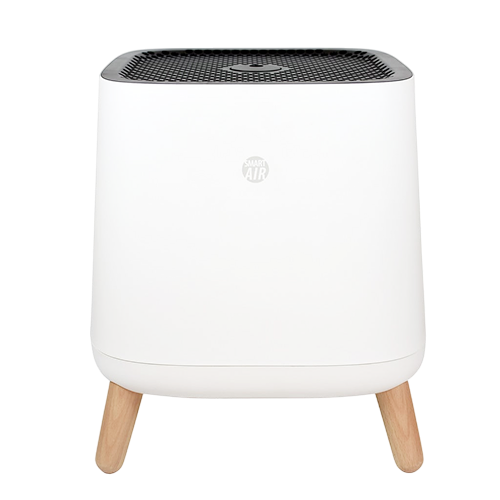
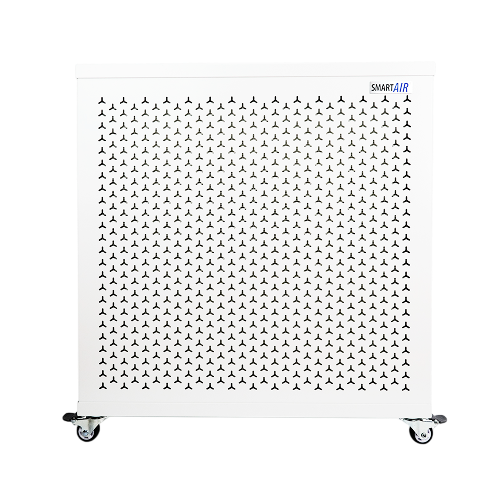
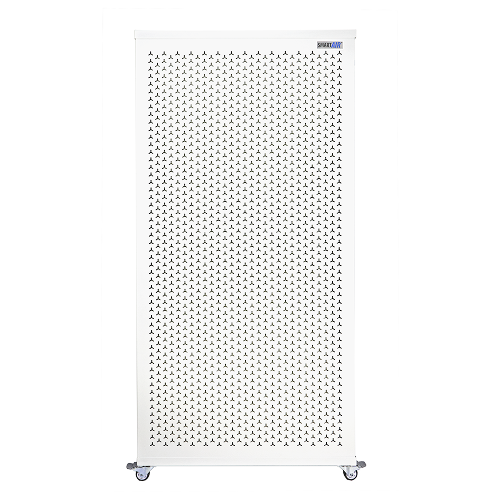
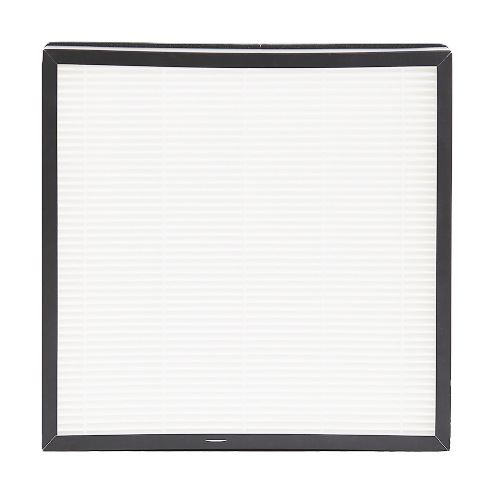
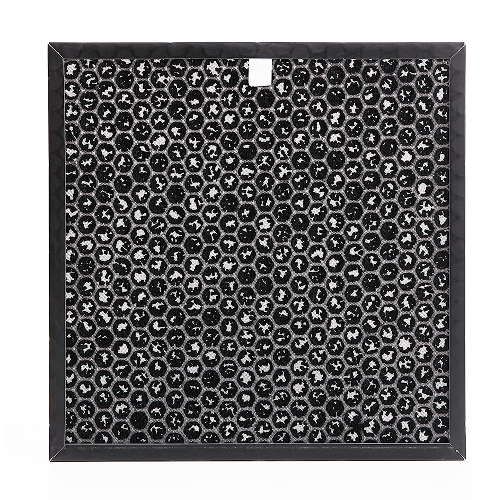
The other primary tool the CDC recommends to reduce COVID-19 spread indoors is filtration and the use of HEPA filters. HEPA filters remove 99.97% of COVID-19 particles in one pass. The same CDC study mentioned above at Georgia schools showed the use of HEPA filters reduced COVID transmission by 41%.

The use of HEPA filters can make an indoor environment much more “COVID safe”, but HEPA filters do not affect CO2 levels. Therefore an environment with high CO2 levels and worse ventilation may in fact be safer than an environment with better ventilation but no filtration used.
Of course, the best environment is one that uses filtration while also improving ventilation. The CDC study showed that schools that used both HEPA filters and improved ventilation strategies had 47% lower COVID-19 transmission rates, an even larger reduction than either strategy on its own.
Read More: How Accurate are CO2 Monitors?
Read More: Best Portable CO2 Monitors for Home and Office
Free Guide to Breathing Safe
Want to learn more about breathing clean air? Join thousands more and stay up to date on protecting your health.






Can someone clarify this statement from above: an environment with high CO2 levels and worse ventilation may in fact be safer than an environment with better ventilation but no filtration used.