Dust is everywhere. No matter how much you clean, it always finds a way to land on your furniture, floors, and shelves. While it may seem like just an annoying layer of dirt, dust can be much more than that. It can contain allergens, pollutants, and even toxic particles that contribute to allergies, respiratory issues, and other health concerns. So, do air purifiers help with dust? Let’s break it down and see what science has to say.
What is Dust and Where Does It Come From?
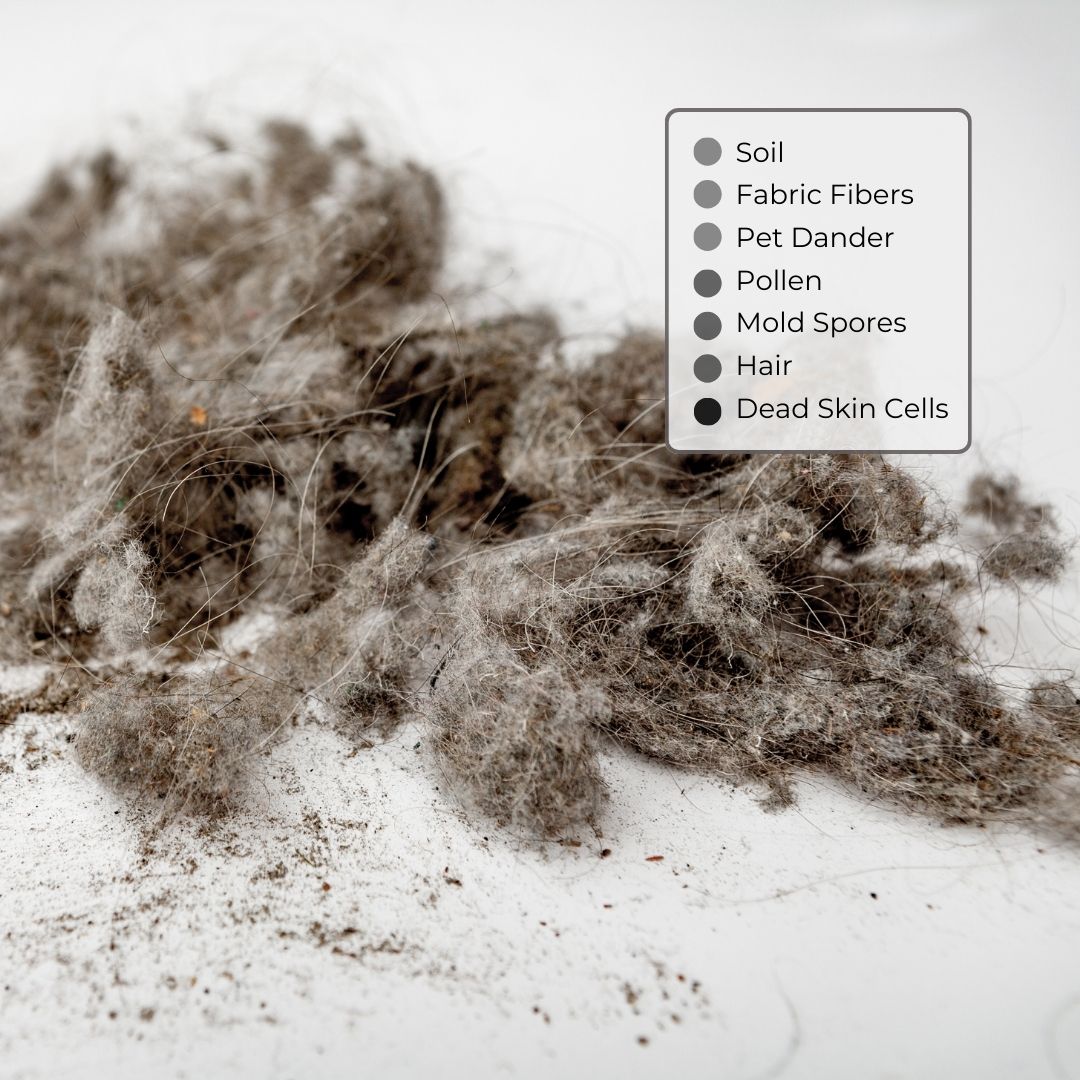
Dust isn’t just dirt. It’s a mix of all kinds of tiny particles, including soil, fabric fibers, pet dander, pollen, mold spores, hair, and even dead skin cells. You might think most dust comes from outside, but research shows that a huge chunk, about 60%, comes from inside your home. Your furniture sheds fibers, your pets shed fur, and even you shed dead skin cells. The remaining 40% is from the outside, carrying dirt, pollutants, and allergens.
If you’ve recently renovated your home, you probably have a lot of drywall and construction dust lingering. Homes near busy roads tend to accumulate more outdoor pollution, including heavy metals, while older homes may have more lead particles in their dust. So yes, dust can be surprisingly varied!
How Do Air Purifiers Work?
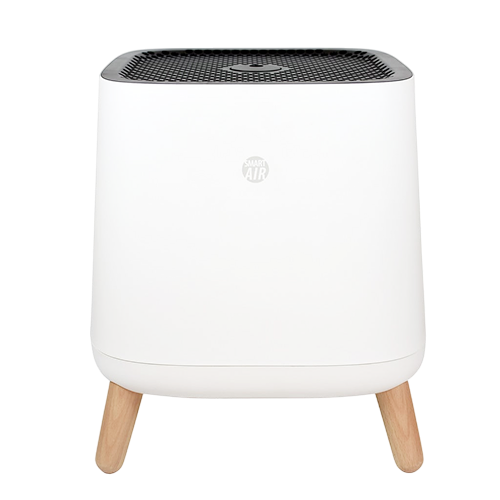
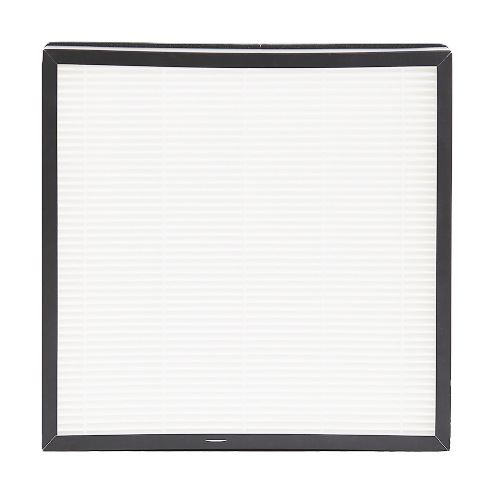
Air purifiers with HEPA filters are designed to clean the air by pulling it through a filtration system. It can trap at least 99.97% of particles as small as 0.3 microns. That means they can catch dust, pollen, pet dander, and other tiny irritants floating in the air.
Read more: What Does an Air Purifier Do and How Do Air Purifiers Work?
Do Air Purifiers Effectively Remove Dust?
Yes, but with some limitations. HEPA air purifiers are great at capturing airborne dust, preventing it from settling on surfaces. However, their efficiency depends on a few factors: how powerful the airflow is, how big the room is, and whether you keep up with filter maintenance. If an air purifier is too small for a space or has a clogged filter, its effectiveness drops significantly.

That said, no air purifier can eliminate dust completely. Once dust settles on surfaces, an air purifier can’t pick it up, it can only prevent more from floating around.
So, while an air purifier helps keep new dust from accumulating as quickly, you’ll still need to dust, vacuum, and wipe down surfaces regularly to keep your home truly clean.
Benefits of Using an Air Purifier for Dust Control
Having an air purifier running in your home can make a noticeable difference. It helps reduce airborne dust levels, meaning less of it will settle on furniture and floors. Cleaner air also makes breathing easier, especially for people with asthma or allergies. By trapping allergens like pollen and pet dander, air purifiers can help reduce sneezing, congestion, and other allergy symptoms.

How to Choose the Right Air Purifier for Dust Removal
If you want an air purifier that helps with dust, here’s what to look for:
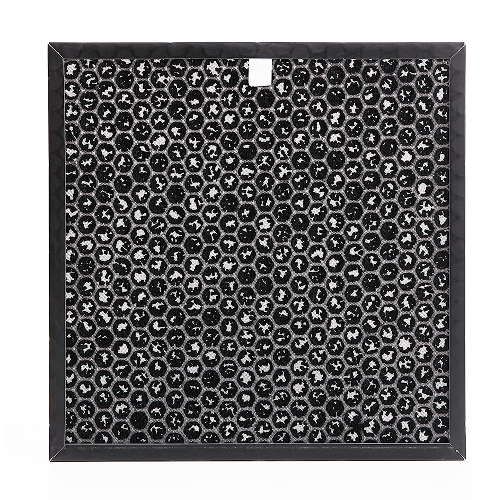
- HEPA Filter: For effective dust removal, only a HEPA filter and a pre-filter are required. A carbon filter is unnecessary, as it is designed to eliminate gaseous pollutants.
- CADR Rating: The Clean Air Delivery Rate (CADR) measures how fast the purifier cleans the air. The higher, the better.
- Right Size for Your Room: A purifier that’s too small won’t be effective.
- Regular Maintenance: Changing filters on time is crucial to keeping your purifier working well.
Read more: [Air Purifier Buying Guide] How to Choose an Air Purifier?
Yes, air purifiers can help with removing dust floating in the air. Keep the air purifier running, but don’t forget to vacuum, dust, and wipe things down to keep dust under control.
Free Guide to Breathing Safe
Want to learn more about breathing clean air? Join thousands more and stay up to date on protecting your health.