

Lots of companies will sell you formaldehyde sensors, but a simple test you can do at home will reveal they are fakes. Formaldehyde detectors routinely react to lots of common gases that are not formaldehyde, making the numbers impossible to interpret. Given that unfortunate fact, here’s what you can do to test formaldehyde in your home.
The Problem – Formaldehyde Build-Up at Home
Have you ever moved into a newly remodeled apartment and smelled that chemical, remodeling smell?

I’m very much not an expert in air pollution, but I am very much a dedicated nerd. And I’ve spent the last five years of my nerd energy researching and testing formaldehyde in China. This series shares the three most important things I’ve learned.
If you can smell it, you’ve got a problem. Don’t waste time and money testing.
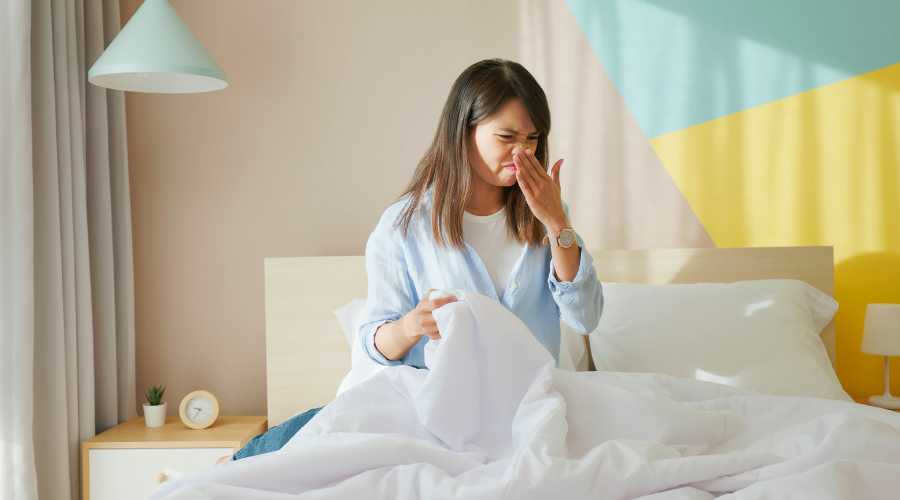
If you can smell that sort of chemical, paint, or cleaner smell, you have a VOC problem in your home.
Although I’ve seen people say that formaldehyde is colorless and odorless, the fact is it has a strong smell.
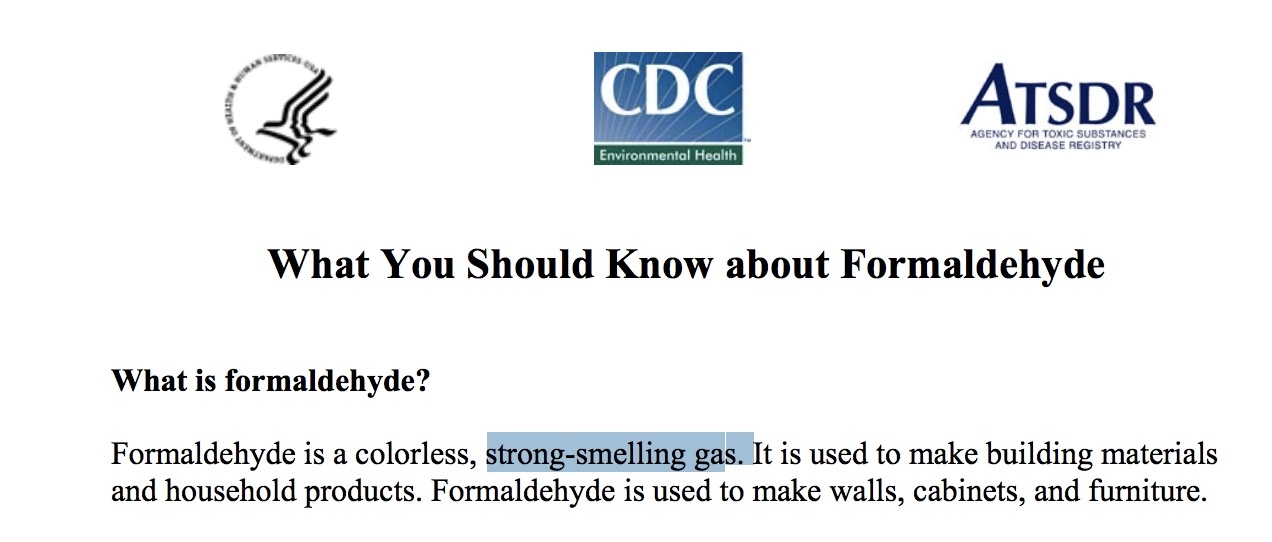
I know from my high school dissection activity. The CDC says so too.
But why would I say you shouldn’t bother testing it? I love doing tests! I test the air in my home all the time.
Plus, Taobao has a bunch of formaldehyde testing machines for under 100 RMB. So why not?

Formaldehyde Test
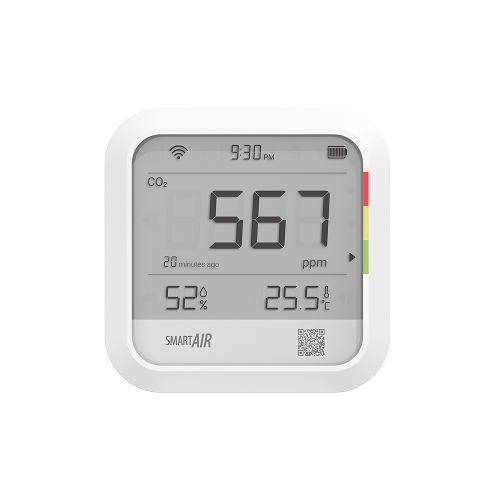
“Formaldehyde detectors” on Taobao react to lots of common gases, not just formaldehyde.
These “formaldehyde detectors” actually react to a large group of gases, including harmful and harmless gases.
If you have a tester, try a little experiment: eat an orange near the tester. The detector will probably send out an alarm. Formaldehyde! You can see me doing that exact test here.
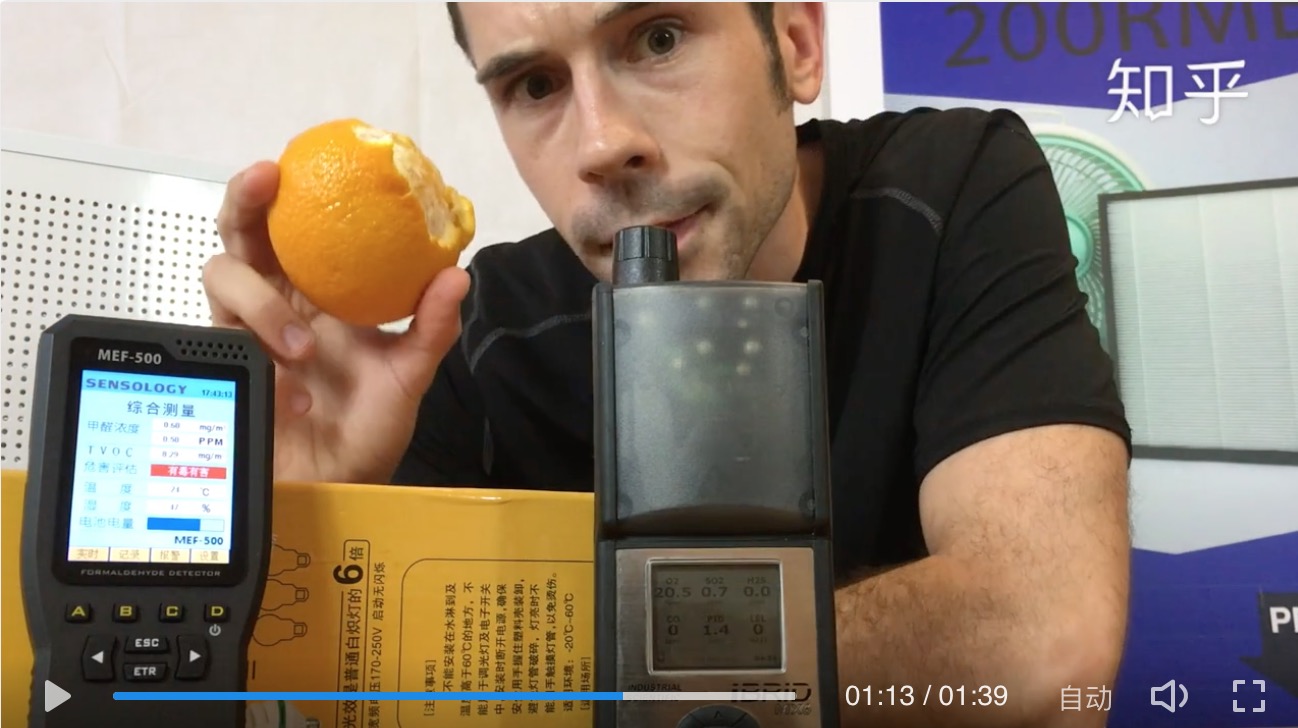
These formaldehyde detectors will react to lots of harmless things, like oranges, flowers, and peanut butter.

Last time I checked, oranges don’t have formaldehyde.

OK, so here’s your other option for testing: take air samples and send them to a lab for testing. That’s OK, but it takes a lot of time and money.
After buying a small army of testing machines, my recommendation is this: even though it sounds unscientific, our noses are pretty good detectors.
Scientists have done studies to figure out what levels of formaldehyde human noses can detect, and they found that humans can detect really low levels.
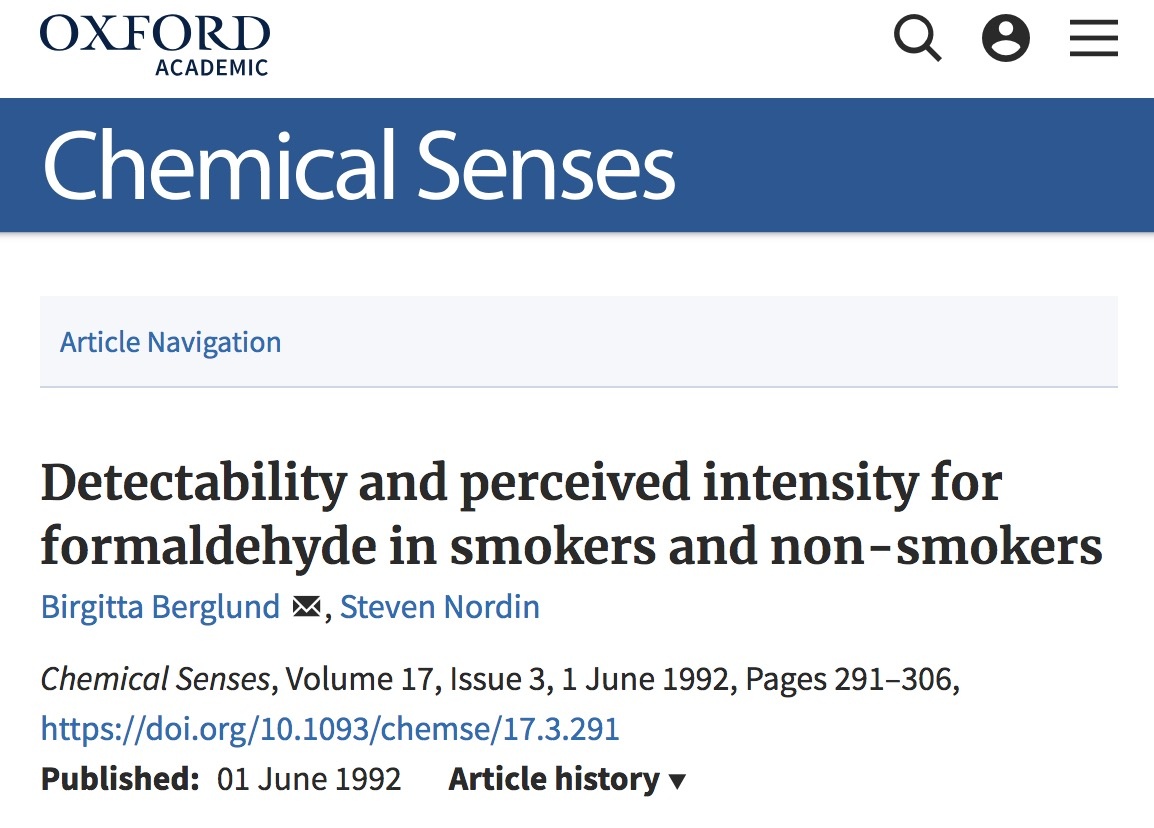
How low can our noses go? The US CDC says we should be worried about formaldehyde at 0.1 PPM (2). That’s precisely the level that normal people start to smell formaldehyde.

The US CDC says we should start worrying about formaldehyde at 0.1 PPM, precisely the level at which most humans can start smelling it.
As unscientific as it sounds, our noses are quite sensitive formaldehyde detectors. Unfortunately, commercially available “formaldehyde detectors” provide no insight into formaldehyde.
Read More: 3 Things You Need to Know About Formaldehyde
Part 1: Why formaldehyde testers are fake (and why it’s actually scientific to just use your nose)
Part 2: How long it takes for formaldehyde to off-gas from new and remodeled homes
Part 3: Three data-backed ways to reduce formaldehyde and other VOCs in your home
Free Guide to Breathing Safe
Want to learn more about breathing clean air? Join thousands more and stay up to date on protecting your health.







Regarding the orange, the limonene in it reacts with the ozone in the air and makes formaldehyde, so it would be expected to register wouldn’t it ..tho not at a dangerous level I suppose. Interesting idea to use your nose, I like it! The only thing is we become immune to smells and only really notice changes, so you’d need to leave your room/house for a while and return. Not really a problem tho
Thanks for the info, I’m trying to find a good formaldehyde sensor / detector, and am buying a few to test, much like you did I guess.
How about those chemical test kit for formaldehyde? Are they accurate?