While smoking remains the leading cause of lung cancer, research is now showing how air pollution is causing a surge in lung cancer cases, especially among non-smokers.
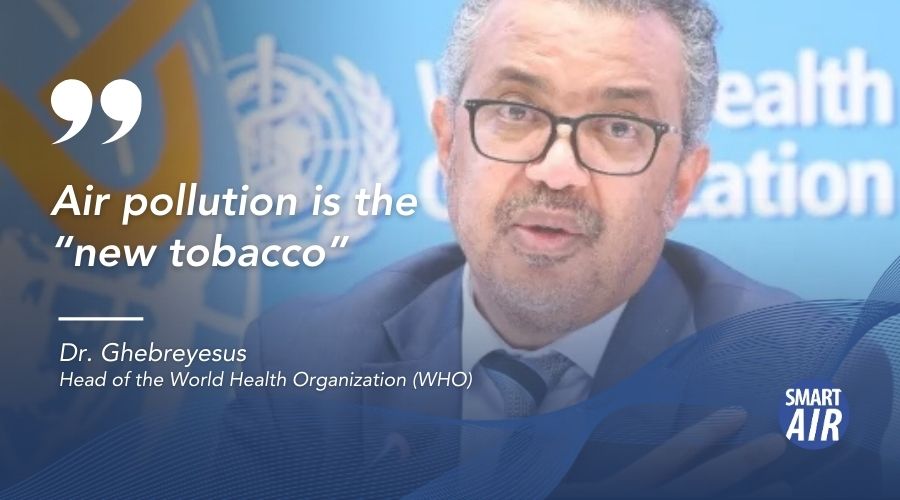
Air pollution is the “new tobacco” according to Dr. Tedros Ghebreyesus, Head of the World Health Organization (WHO). Every day, billions of people breathe in toxic air, and the consequences are becoming clear.
What Types of Air Pollutants Cause Lung Cancer?
One of the most harmful pollutants linked to lung cancer is PM2.5, particulate matter smaller than 2.5 micrometers in diameter. These microscopic particles are small enough to infiltrate the lungs and bloodstream, leading to significant health risks. Prolonged exposure to PM2.5 causes lung inflammation, which increases the likelihood of cancerous mutations in lung cells.

How Many Deaths Per Year Are Attributed to Air Pollution?
Globally, air pollution was responsible for approximately 300,000 lung cancer deaths in 2019. In the UK alone, 10% of lung cancer cases are linked to air pollution. This includes around 6,000 non-smokers who die from lung cancer annually.
To put this into perspective, it is nearly four times higher than the 1,600 individuals who died in car accidents in the UK in 2023. For non-smokers, air pollution is emerging as a new health risk.

Scientific Insights into How Air Pollution Causes Lung Cancer
Researchers at the Francis Crick Institute and University College London found how air pollution contributes to lung cancer. Their studies reveal that many people carry cancer-causing mutations in their lung cells, often accumulated over time. While these mutations usually remain inactive, exposure to PM2.5 can trigger inflammation, activating these mutated cells and significantly increasing the risk of cancer.
Over time, the combination of chronic inflammation and genetic mutations can lead to the development of tumors. As air pollution continues to impact billions of people, it has become a leading, yet often overlooked, cause of lung cancer, especially for non-smokers.

Air pollution, particularly PM2.5, triggers inflammation and genetic mutations in lung cells, leading to lung cancer over time, even in non-smokers.
Free Guide to Breathing Safe
Want to learn more about breathing clean air? Join thousands more and stay up to date on protecting your health.