
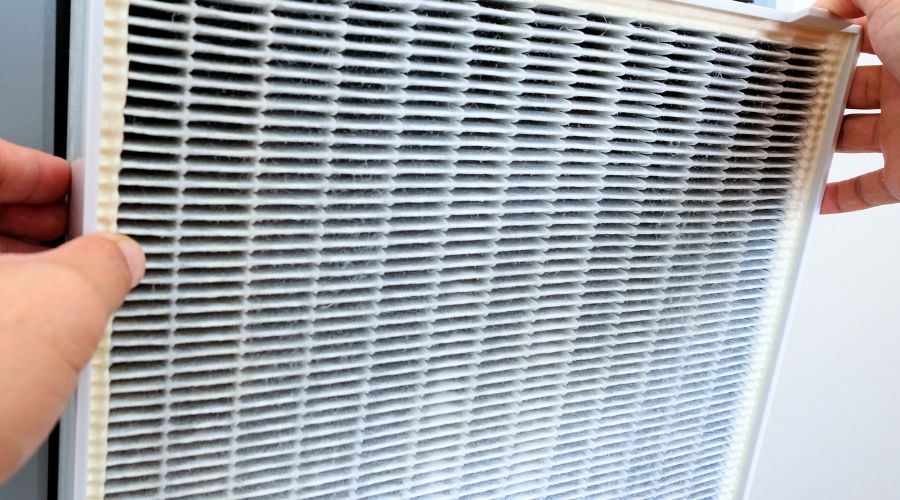
Can you clean a HEPA filter? If so, how should you wash or clean an air purifier filter?
These questions keep cropping up, as they’re just about the only remaining problem for HEPA filters.
HEPA filters are almost perfect: they are backed by tons of scientific tests; they’re pretty cheap; they use about as much energy as a lightbulb; and they even have documented health benefits. But replacing them as opposed to cleaning them isn’t ideal. It would be great if we could clean, wash, and reuse HEPA filters.
Some ‘Experts’ Say You Can Clean HEPA Filters
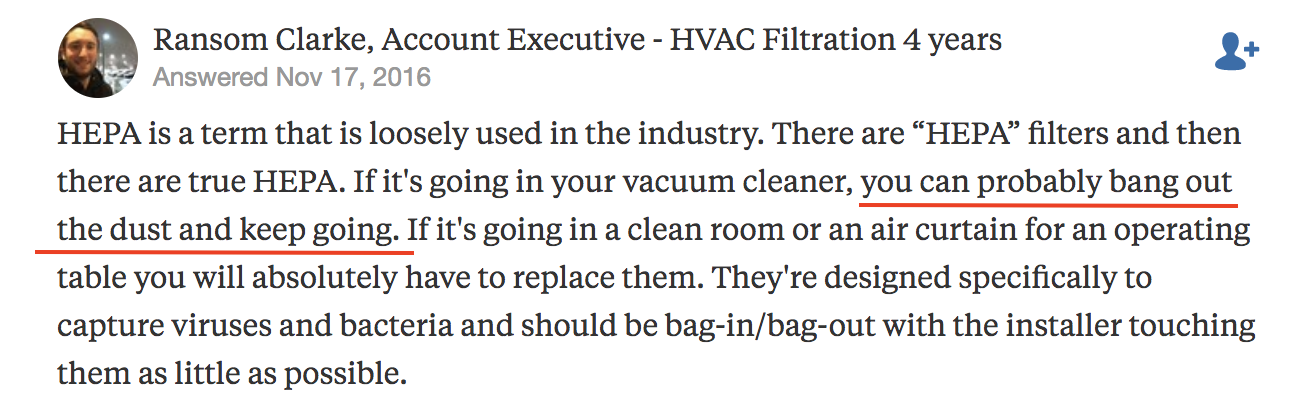
On the question-answer site Quora, I’ve seen industry insiders say you can clean HEPA filters by banging the HEPA filter to get the dust out:
Some people even say you can clean HEPA filters by vacuuming them:

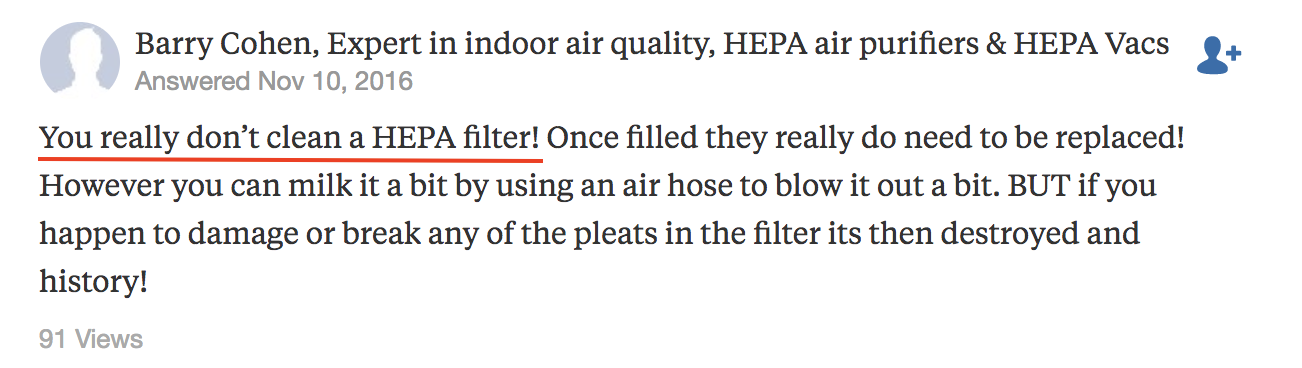
…or even by washing HEPA filters with water. Yet other experts say you can NEVER clean HEPA filters.
But one thing I haven’t seen is anyone actually testing the question and presenting the data. To get to the bottom of whether we should clean HEPA filters, and the best way to clean them, Smart Air engineer CK tested washing, cleaning, and vacuuming HEPA filters in the Smart Air lab.

When you search for “how to clean HEPA filter,” you will see two methods to clean HEPA filters: vacuuming and washing. Smart Air put both of these to the test.
Idea 1: Can you wash a HEPA filter?
Our nerd team at Smart Air washed 3 dirty HEPA filters a shower head (with water only) and then left them to dry for a day.

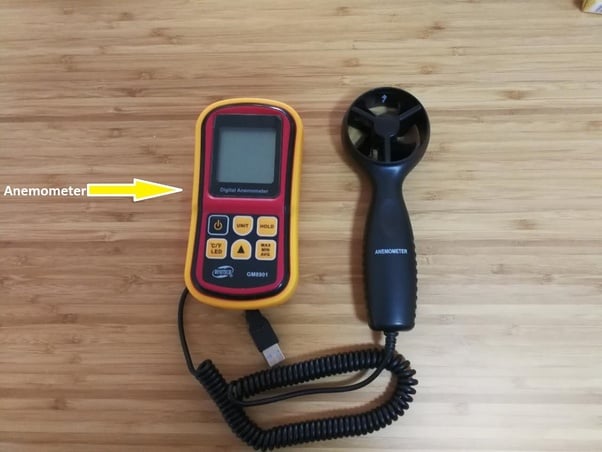
We used an anemometer to test the air speed coming out of the HEPA filter before and after washing.
Good news! Washing increased the amount of air passing through the HEPA filter.

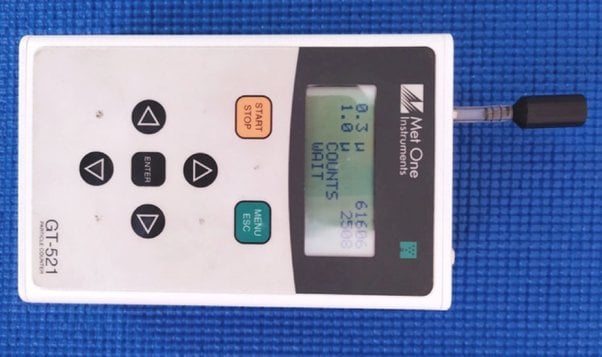
We also used a laser particle counter to test the number of 0.3-micron particles the HEPA captured.
And that test gave us the bad news. The particle capture of the HEPA filter went down a lot after washing.

The increased airflow was not nearly enough to outweigh the decrease in particle capture.
Idea 2: Can you vacuum a HEPA filter?
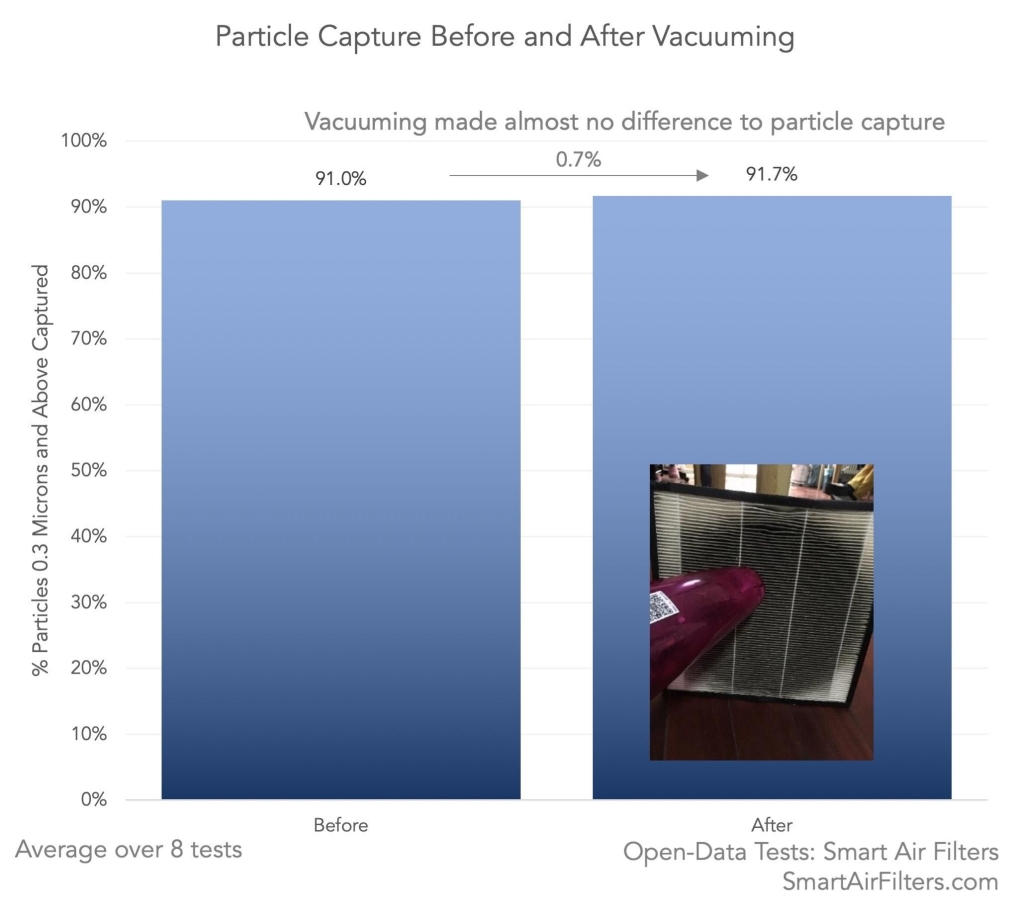
Next, we tried vacuuming dirty HEPA filters. We took 8 dirty filters, tested them, vacuumed them, and tested them again.

Vacuuming improved particle capture, but the difference was tiny—less than 1%.
Vacuuming improved airflow a little bit more, but still less than 10%.
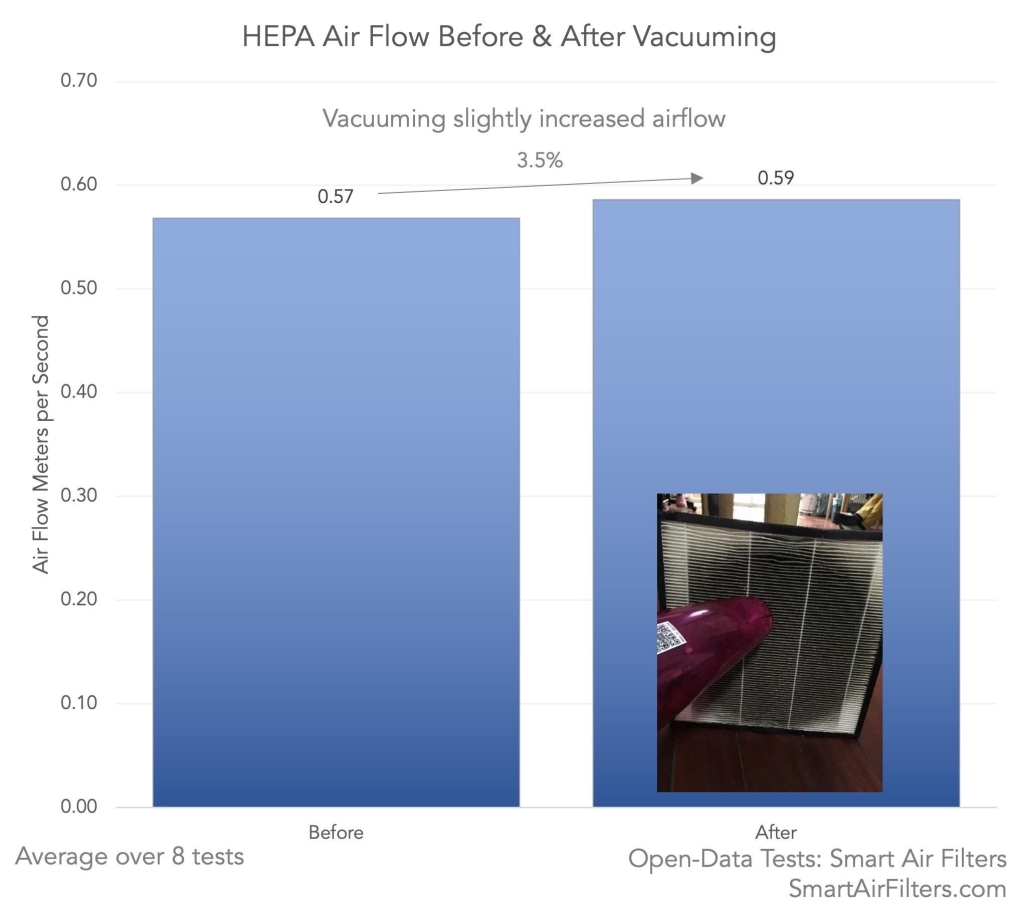
That is probably because vacuuming can remove some of the larger dust and hair caught on the surface of the filter.
It’s important to point out that this is the average of 8 filters, and the results varied a lot. In a few cases, vacuuming slightly harmed performance.
Read More: How to Know When to Change My HEPA Filter?
If your filter has a lot of large, obvious dust or pet hair, it’s probably worth vacuuming. If not, the benefit is probably close to zero.
Washing & Cleaning HEPA Filters: Open Data
You can learn more about the testing methods and view the original data in the supplemental data article.
Free Guide to Breathing Safe
Want to learn more about breathing clean air? Join thousands more and stay up to date on protecting your health.






yeah test it with pressurized shower head. who paid you? big air filter?
Jokes aside- i believe you should of tested just putting the filter in the bathtub and slowly moving it around. obviously if you were to use pressure on the filter it would get dmged 🤦♂️
I can see why people want to wash their HEPA filters. They are very expensive to replace. I would want a washable one,too.
I’d like to know how to disinfect a non-washable hepa filter of a vacuum to remove any musty “vacuum smell” from the filter, without adversely affecting it’s capture ability. It’s visibly clean because it was barely used and has a bag prefilter and microfiber prefilter but it sat for a long time and has a musty classsic vacuum smell. (The HAPA-certified vacuum itself is near new and spotless.) For now, I a putting it in the sun to see if that helps.)
That was a very poor suction vacuum to run these tests. A stronger vacuum may have better results.
Hi, did you try washing the HEPA with cold water using only back flow? I would have loved to see a test where you placed the filter horizontally and sprayed water on the clean side of the filter.