Seasonal allergy symptoms can be difficult to cope with. Symptoms include sneezing, a runny nose, and red, watery, and itchy eyes. Fortunately, studies show the use of HEPA filter air purifiers in the home can significantly reduce pollen and seasonal allergy symptoms.
Studies Show HEPA Air Purifiers Reduce Pollen and Seasonal Allergy Symptoms
One double-blind study tested 32 people with allergies (asthma or symptomatic perennial rhinitis). They randomly assigned them to get a real purifier or a fake purifier for 4 weeks. Half the participants got a real air purifier for 4 weeks, then a fake purifier for 4 weeks. The other half of participants got the fake purifier for 4 weeks, then the real purifier.
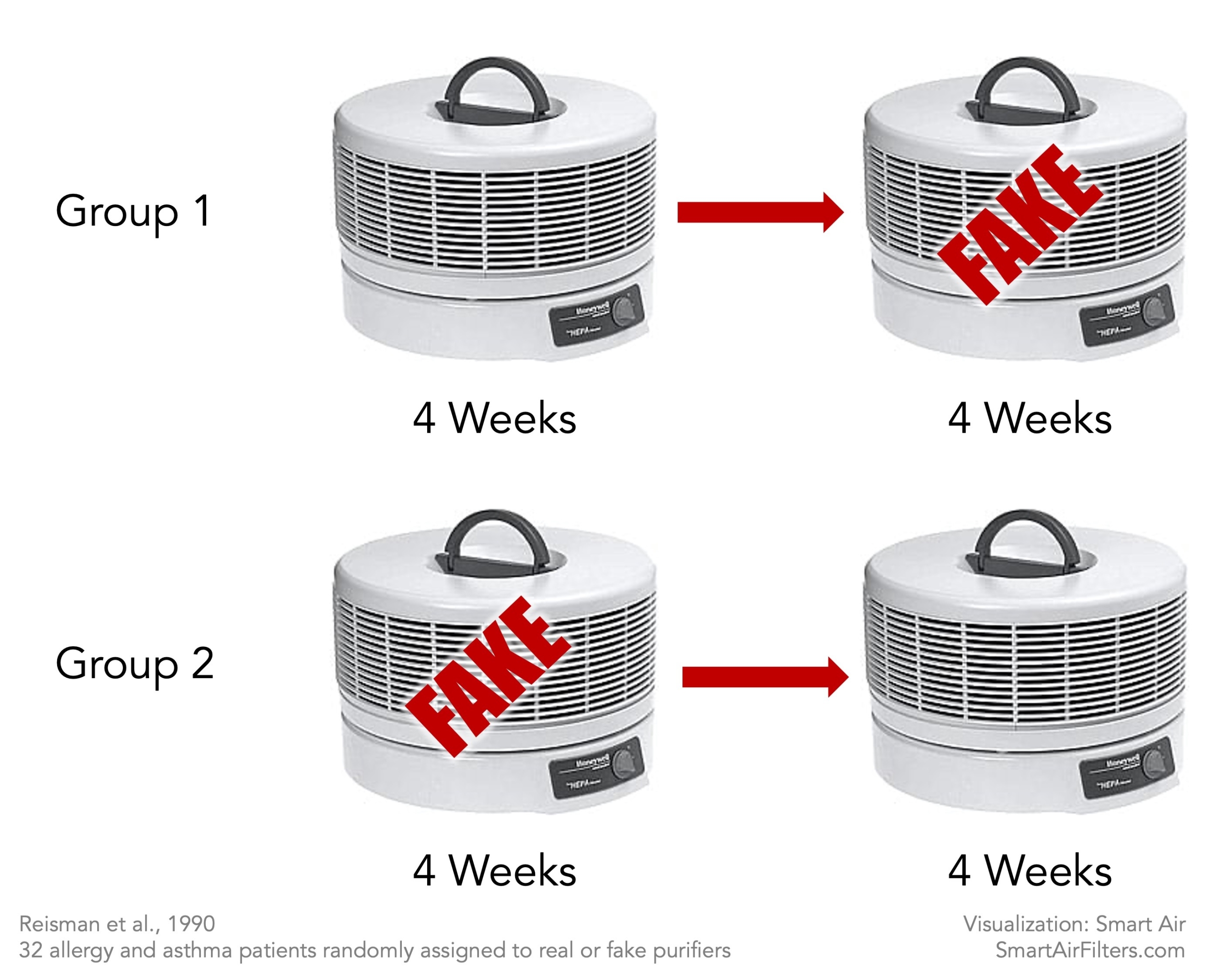
The real and fake purifiers were identical, but the fake purifier had no filter inside. The fake purifier is important because it controls for the placebo effect. So this isn’t testing people’s beliefs about purifiers.
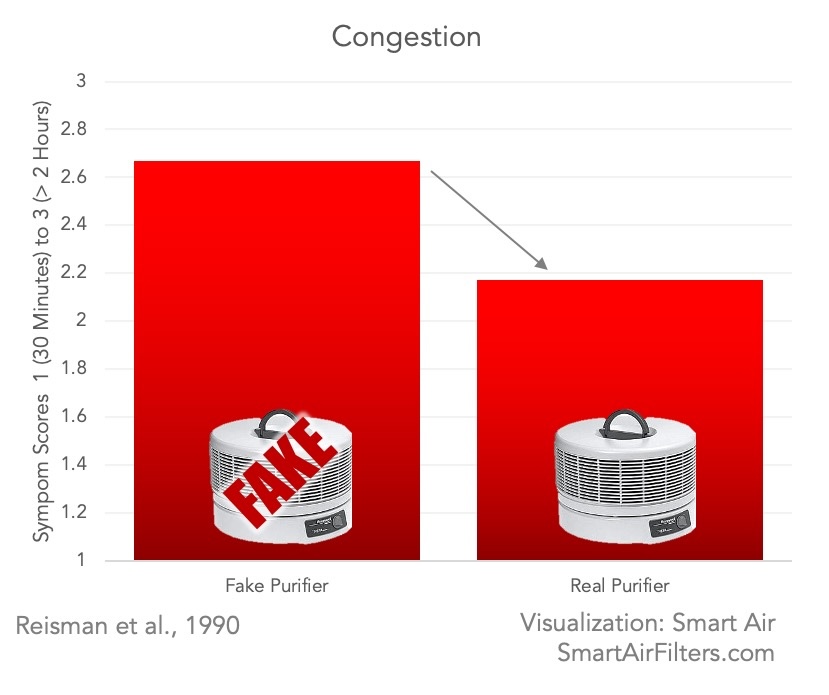
Participants reported their symptoms and medication use throughout the study. With the real purifier, some symptoms went down significantly, such as congestion.
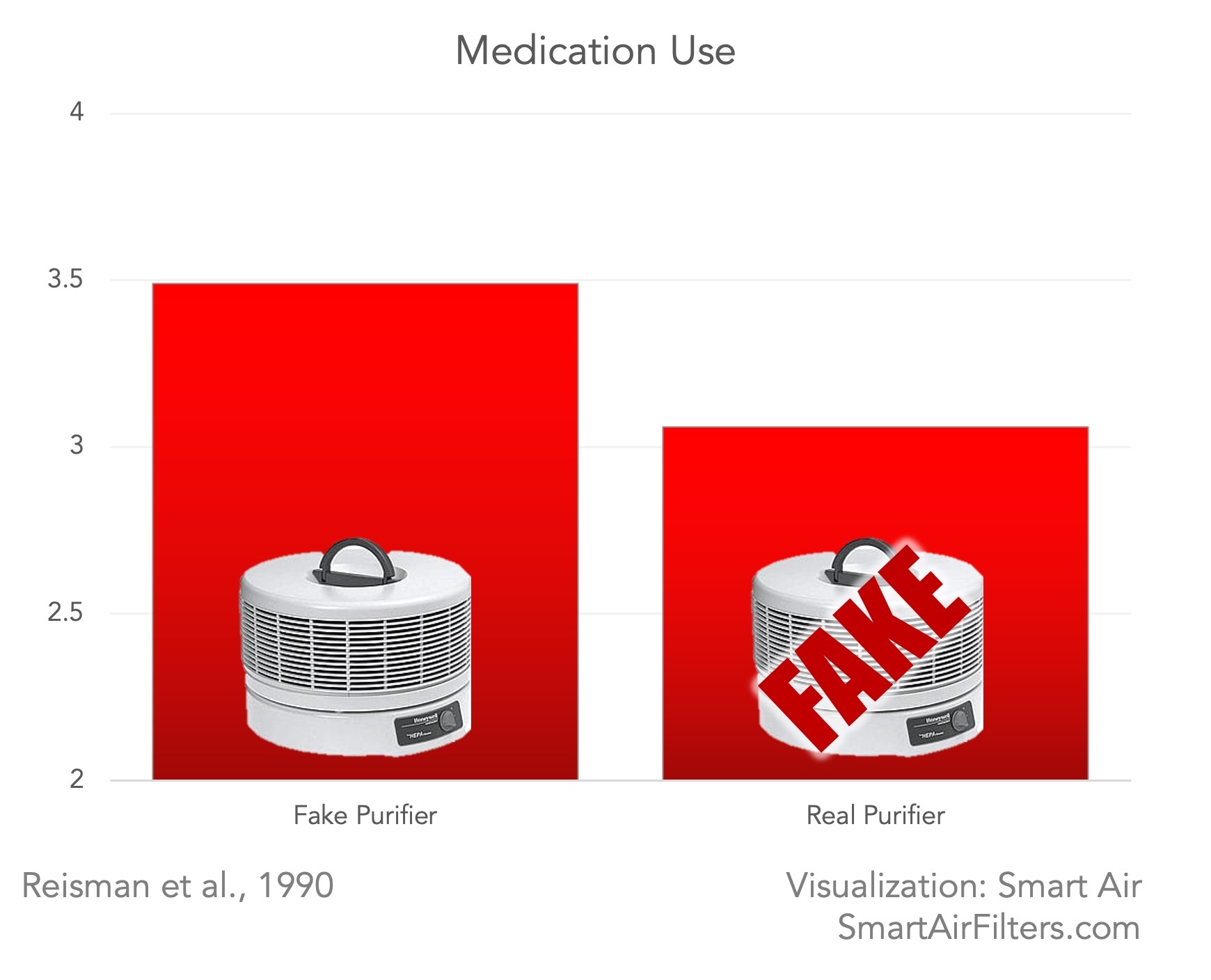
Participants also reported using less medication when the real purifier was in their home. Because participants didn’t know which purifier was real or fake, we can be sure this is not a placebo effect.
In another study, researchers found similar results in children with asthma. It’s important to remember that the symptoms didn’t go down to zero in most people. Air purifiers aren’t a magic bullet. But the change was statistically reliable.
Of course, one or two studies isn’t enough. Good science should be built on replicated findings. Fortunately, researchers have done just that by analyzing across multiple published studies (a meta-analysis). They found that purifiers using physical filters like HEPA filters do reduce allergy symptoms on average.
How Do HEPA Air Purifiers Reduce Pollen and Seasonal Allergy Symptoms?
Seasonal allergy symptoms come from exposure to particles in the air, such as pollens and mold spores. These particulates typically range in size from 10 to 200 microns for pollen and 4 to 20 microns for mold spores.
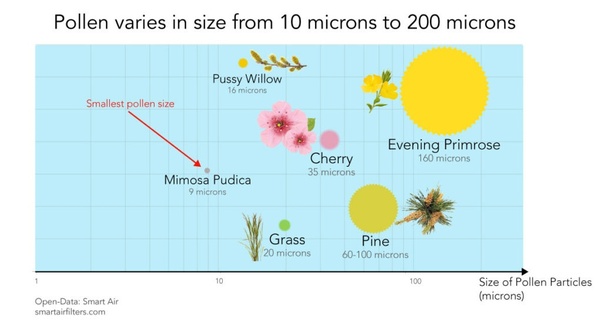
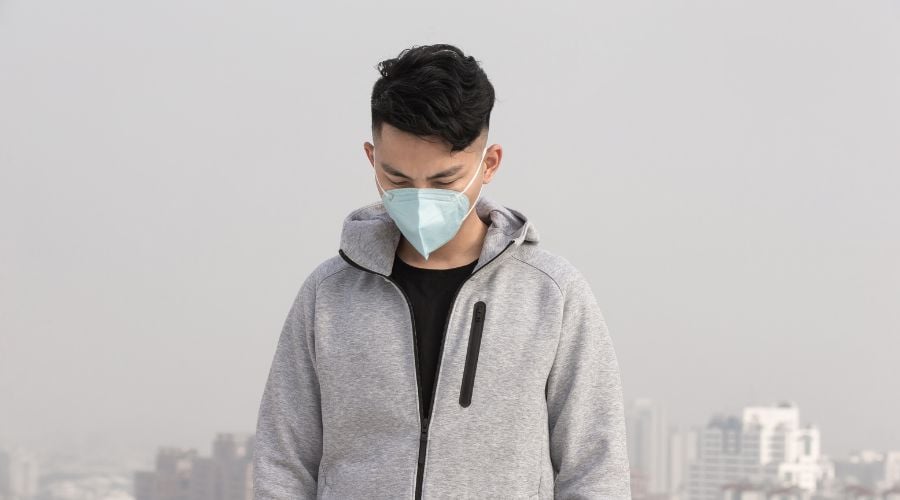
But pollen particles aren’t the only particles that matter for allergies. Researchers often talk about particles that are even smaller—under 2.5 microns in size, called “PM2.5.” Studies have found that these small particles also exacerbate allergy symptoms, in part by causing other damage in our bodies that makes allergies worse.

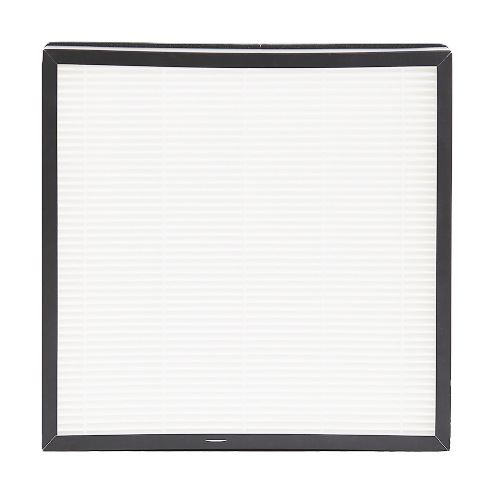
HEPA filters can capture over 99.97% of particles above (and below!) 0.3 microns. This includes pollen, mold spores, dust mites, PM2.5, and other allergens.
We can check that in these real-world allergy studies. For example, in the original air purifier and allergy study, they tested for small particles in people’s homes (down to 0.3 microns). They found that the HEPA air purifier reduced these particles by 73%. This makes sense for how air purifiers would reduce allergy symptoms.
How to Choose an Air Purifier for Allergy Relief
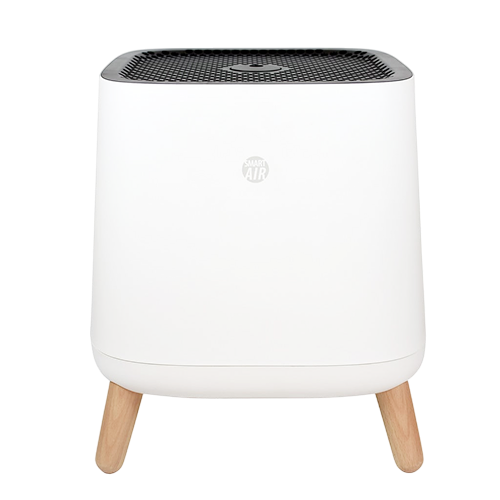
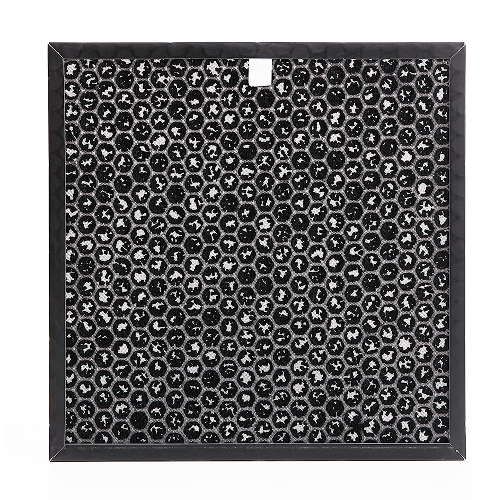
To find a HEPA air purifier for seasonal allergy relief, there are a few things to know. Ignore the marketing hype and avoid buying purifiers with add-ons such as ionizers and UV lights that can make your air worse. A HEPA filter is all that is needed for removing allergens from the air. There is also no correlation between an air purifier’s price and effectiveness.
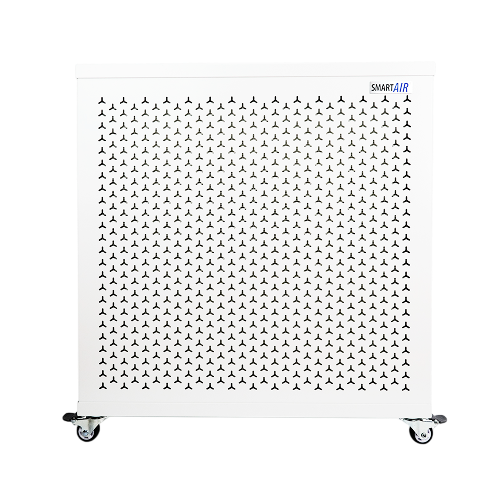
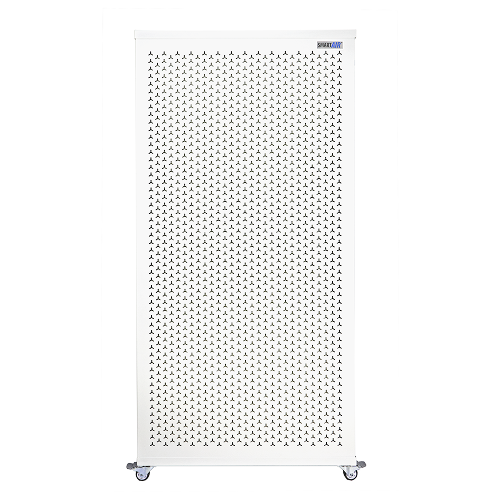
In addition, make sure the air purifier is strong enough for the room it will be used in.
Check out our four-step guide on how to choose the best purifier for more information on finding the best air purifier.
Free Guide to Breathing Safe
Want to learn more about breathing clean air? Join thousands more and stay up to date on protecting your health.