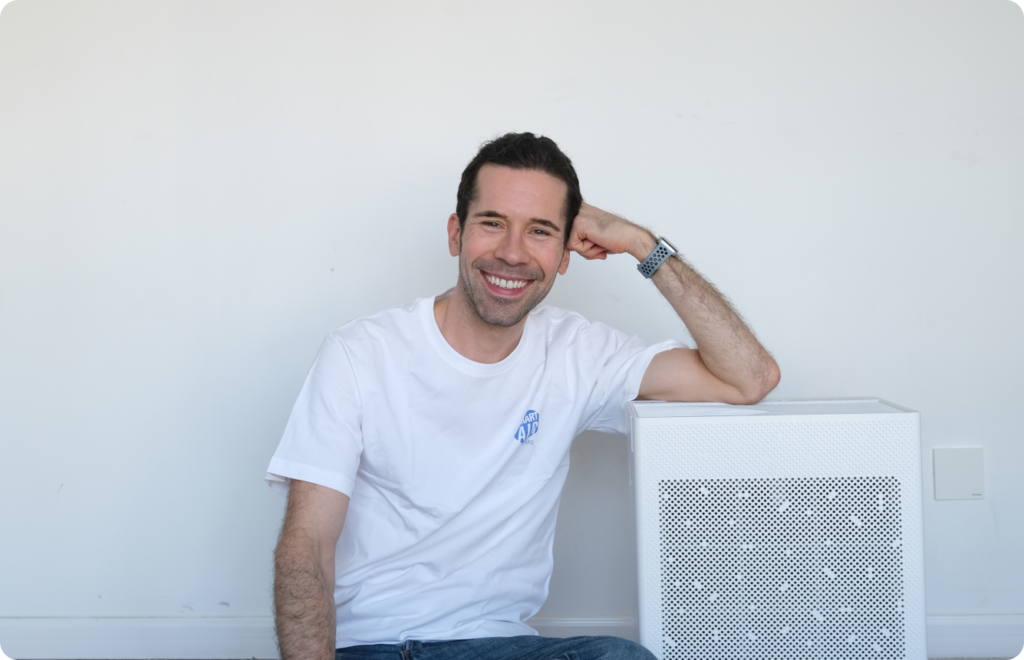
As the founder of an air purifier company, people often ask me about what I use in my own home. My recommendation is simple: go quiet, overpower it, and leave it on. Here’s what I use and why.
1. What’s Safe? Less Pollution is Always Better
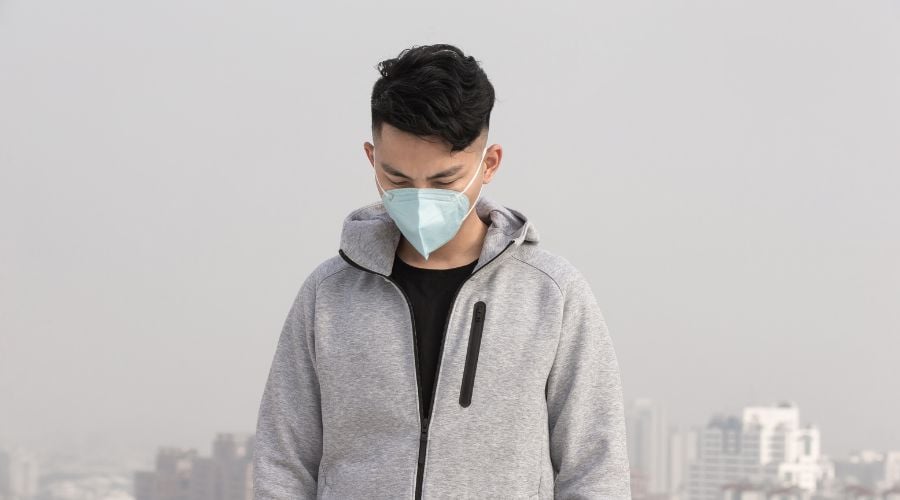
New studies are coming out every year, giving more fine-grained details about the health effects of air pollution. My reading of the evidence is that there’s no “safe” level of tiny particles in the air. The EPA keeps lowering the threshold for what’s considered safe, and for good reason.
Beyond outdoor air pollution, there’s a ton of junk that comes from inside too, microplastics from carpets, synthetic fibers from clothing, bed sheets, and even packaging. We don’t fully understand the long-term health effects of breathing in microplastics, but I’d rather be on the side of caution. My philosophy? Less pollution is always better. So my goal is zero.
2. Leave it On
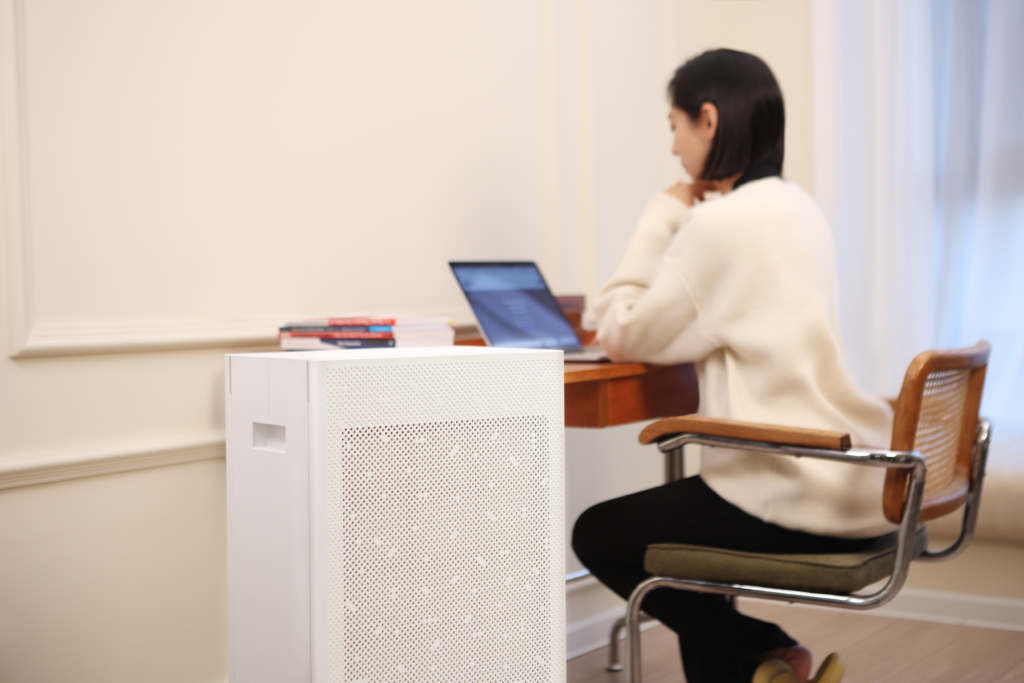
When I first started using air purifiers, I tried to be strategic. I turned them on and off based on the day’s conditions. But honestly, it was a hassle. I’d forget to turn it on or I’d second-guess whether I needed it. Some days, I’d turn it off before bed because the air pollution wasn’t bad. But then I’d wake up in the morning and discover that the air pollution had gotten worse while I was sleeping. Oops!
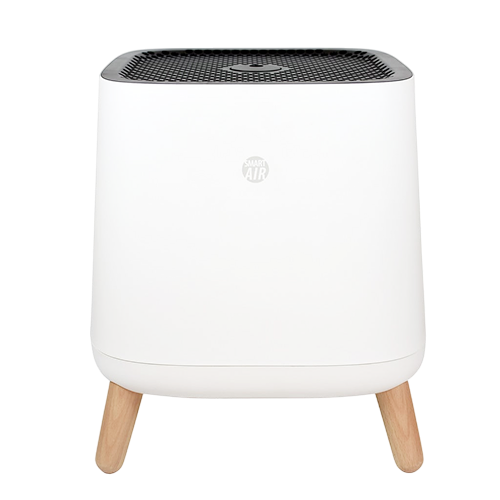
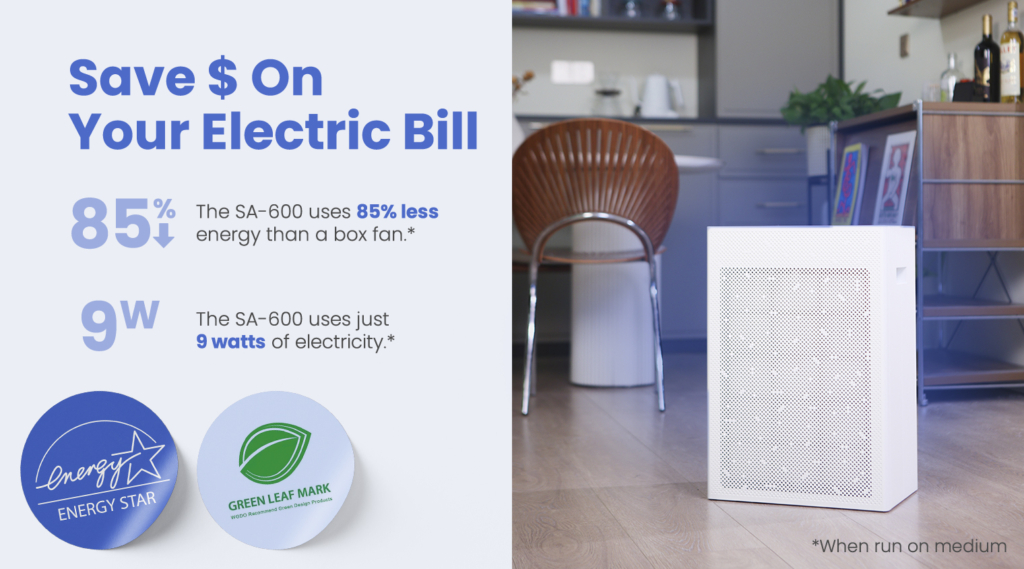
Eventually, I realized it’s just easier to keep it running all the time. With our SA600, for example, the middle speed uses just 9 watts of energy. That’s practically nothing. So now, I just leave it on, even when I’m at the office.
3. Go Low Noise
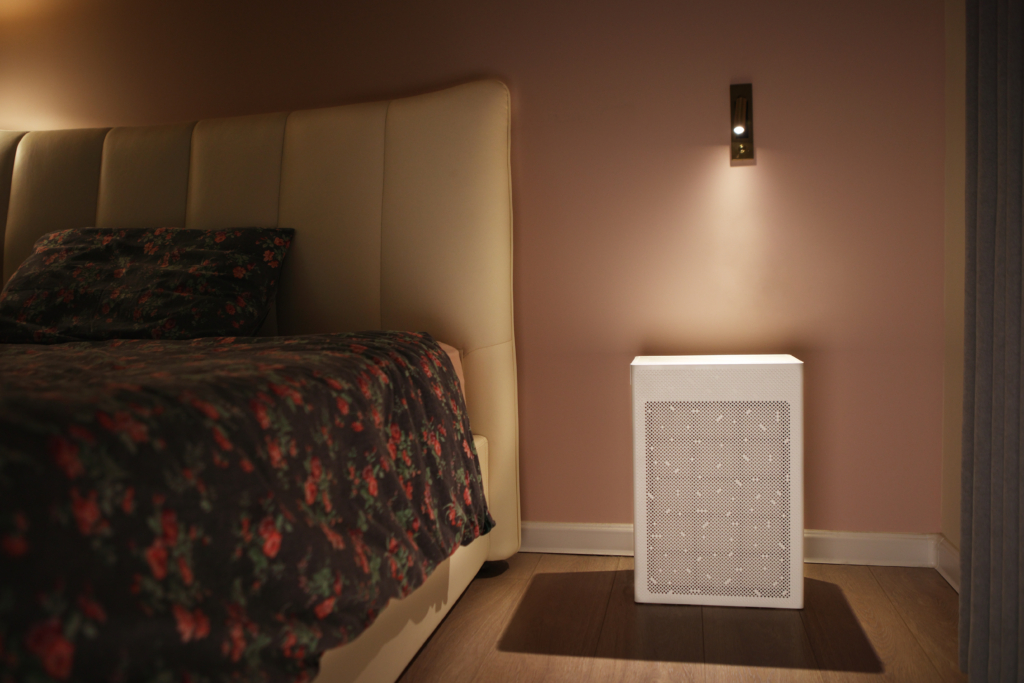
I used to use noisy purifiers and just suffer through the noise or use earplugs at night. But that’s not a good long-term solution. Noise is by far the biggest determinant of my use of air purifiers. I look for air purifiers that can deliver enough clean air (based on CADR) with a setting that has less than 50 decibels.
4. Overpower It
To get noise that low, you have to overpower it. Get a purifier that’s stronger than you need and run it on medium or low—whichever setting is strong enough and will get you into the 40-decibel range. To get noise that low (without sacrificing effectiveness), you need to use a big filter and a big fan. With all that power, you can run it on a medium or low speed to minimize noise and still retain effectiveness. That’s the recipe for low noise and high effectiveness. No more sacrificing sleep for clean air.
5. One is Usually Enough
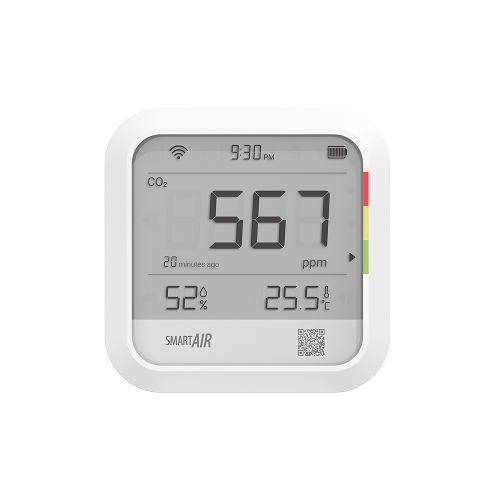
Some people think they need a purifier in every room, but I use a single purifier for everything. My apartment is 1,600 square feet (~150m2), and a single purifier in my living room is enough. It keeps the entire apartment at zero micrograms of tiny particles (PM2.5 ug/m3). One powerful purifier can do the job for most homes. You can buy any of the accurate-but-low-cost air quality monitors to make sure.
What I Use: My Top Picks
After years of testing and tweaking, here are the two purifiers I recommend to my friends and family:
SA600 Air Purifier
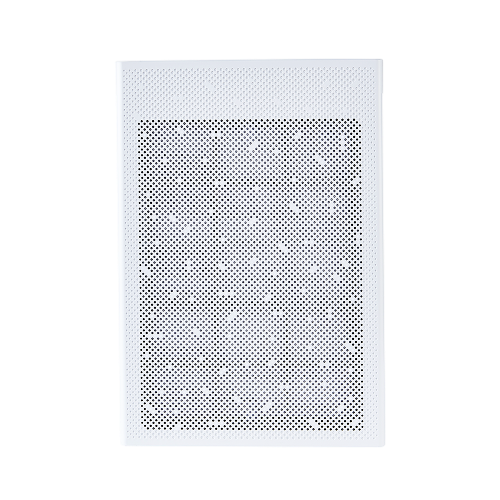
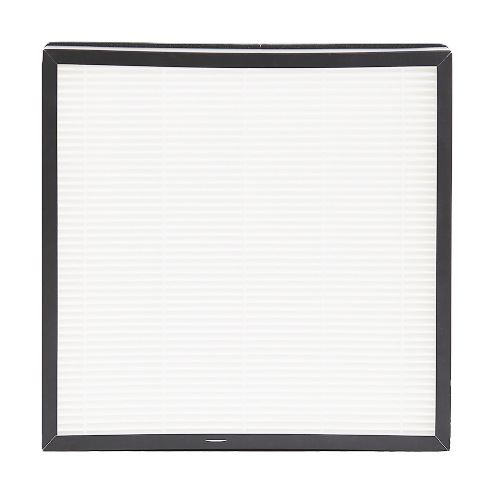
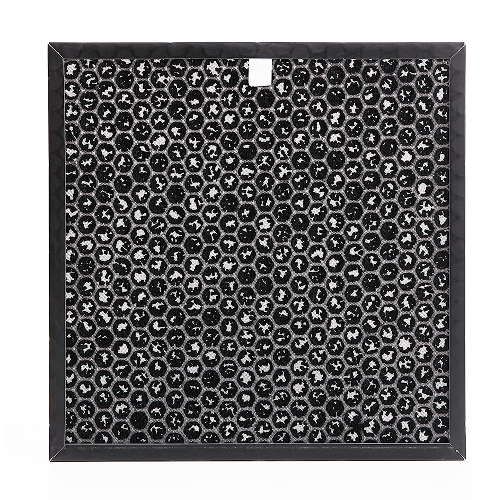
Our SA600 is a powerhouse with two HEPA filters. Using two filters helps keep it quiet while retaining power. It’s also wildly energy-efficient. I tell my friends and family to keep it on medium 24/7 and forget about it. On setting 4, it puts out 320 m3 of clean air per hour (188 CFM), with only 43 decibels of noise. it should be able to handle a one-bedroom or two-bedroom apartment. Larger homes might need two.

Blast Mini
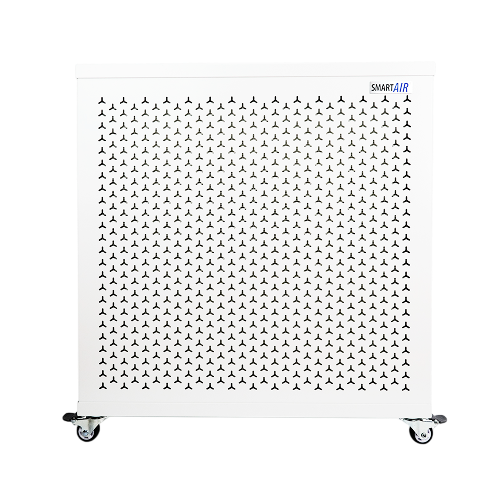
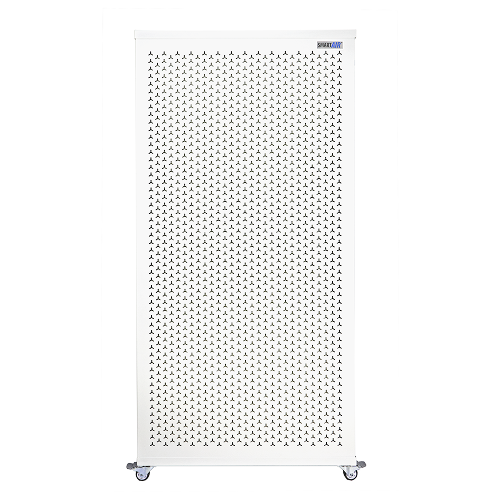
If you’re looking for something even more robust, the Blast Mini is the one. It’s more powerful, built with sturdy metal, and designed to last. It’s about double the price of the SA600, but it puts out 450 m3 of clean air per hour (265 CFM) on medium, with only 43 decibels. It’s a great long-term solution. The Blast Mini is what I use in my home.

Running an air purifier doesn’t have to be complicated. Keep it simple: choose a quiet, energy-efficient model, run it all the time, and let it do its job. For me, the SA600 and Blast Mini are the best options out there. They’re what I use, and they’re what I’d recommend to anyone looking to breathe cleaner air and minimize the hassle.
Free Guide to Breathing Safe
Want to learn more about breathing clean air? Join thousands more and stay up to date on protecting your health.