
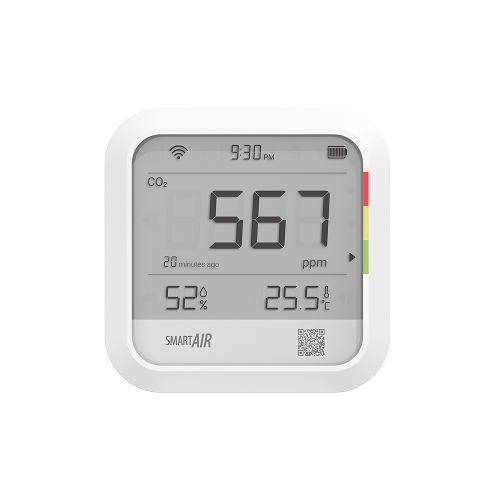
Invisible air pollutants harm indoor air quality, jeopardizing our health silently. This time, we focus on the three most common types of gaseous air pollutants: VOCs (Volatile Organic Compounds), Formaldehyde, NO₂ (Nitrogen Dioxide), and radon. Time to monitor your indoor air pollution!
VOCs (Volatile Organic Compounds)
Are you experiencing headaches and eye irritation in your recently renovated home? VOCs could be the blame!
VOCs are chemicals that readily evaporate at room temperature, releasing harmful gases into the air. Formaldehyde is a common VOC found indoors due to sources like furniture and construction materials. Long-term exposure to formaldehyde can cause respiratory irritation and, in severe cases, even nasopharyngeal cancer.

Over the past few decades, China produces and consumes one-third of the world’s formaldehyde. Wood product resins consume over 65% of China’s formaldehyde output, transforming wood products into the major source of indoor pollution in the country.

While it takes about two years for formaldehyde to naturally dissipate from new furniture, the best way is to avoid it. The EPA recommends using “exterior-grade” pressed-wood products that contain phenol resins which emit less formaldehyde and less exposure.

NO₂ (Nitrogen Dioxide)
Can you imagine the way you cook and affect indoor quality?
Gaseous NO₂ is a highly reactive that can be found indoors from sources such as gas stoves, kerosene heaters, and smoking. Exposure to NO₂ can irritate the respiratory system and reduce lung function. A study revealed that a mere 10μg/m³ increase in NO₂ concentration resulted in a significant 3.1% rise in child asthma symptoms.

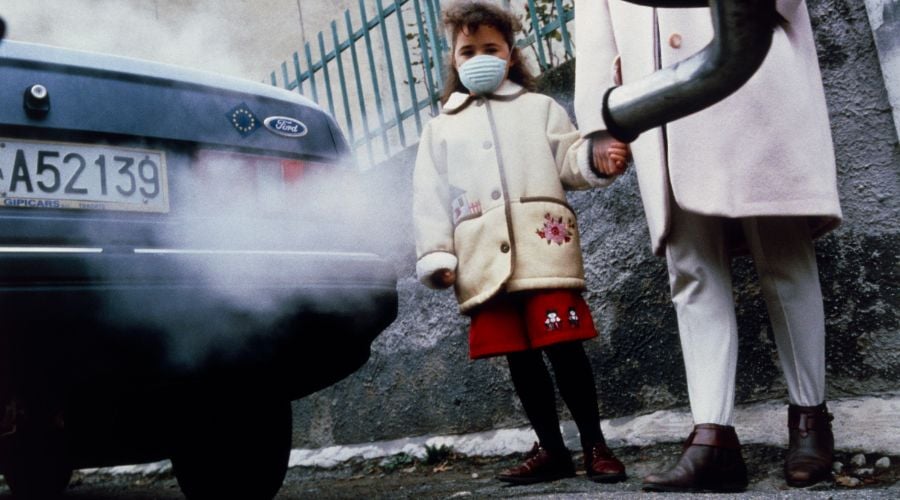
Countries like the United Kingdom and Germany have struggled with elevated NO₂ levels, primarily attributed to vehicle emissions.

Radon
Radon is a naturally occurring radioactive gas that can seep into homes through cracks in homes. It is odorless and tasteless, making it a silent threat to indoor air quality.

According to the WHO, radon exposure is estimated to cause 3-14% of lung cancer cases worldwide.

Radon: A Modifiable Lung Cancer Risk Factor
Read more: Top 3 Ways To Test Your Home For Radon
Countries with geological formations that contain higher concentrations of uranium and radium are more likely to have high radon levels naturally. These include the United States, Canada, and various countries in Europe.

The ENHIS recommends action radon levels between 200 Bq/m3 and 400 Bq/m3.

Zone 1 (Red – HIGH) (> 4 pCi/L)
Radon mitigation system needed.
Zone 2 (Orange – MEDIUM) (2 and 4 pCi/L)
Consider installing a radon mitigation system.
Zone 3 (Yellow – LOW) (< 2pCi/L)
Choosing an Air Purifier for Major Indoor Air Pollutants
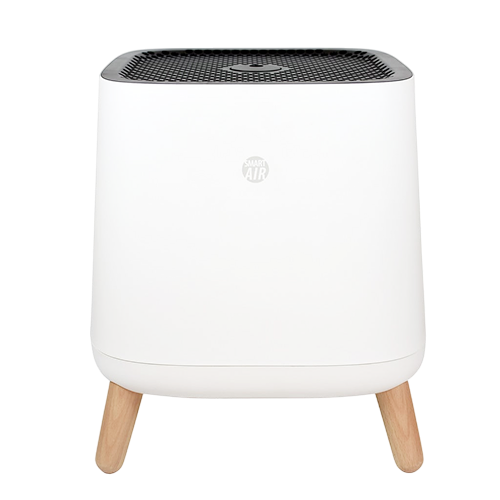
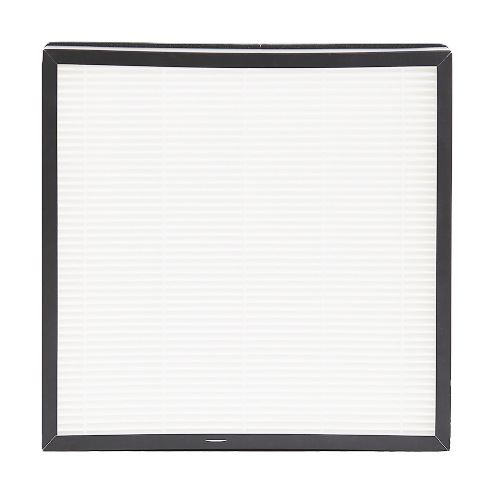
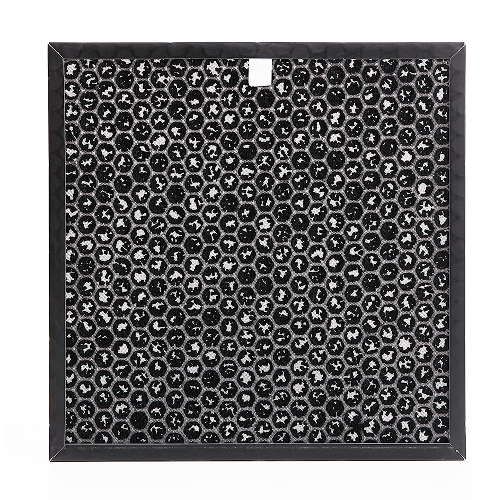
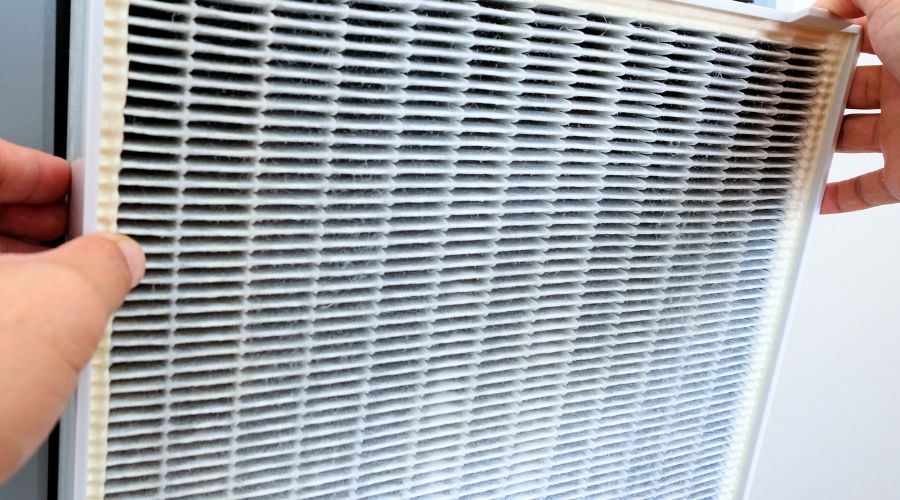
Look for purifiers equipped with HEPA filters and activated carbon filters to effectively remove VOCs, NO₂ and radon. To learn more about reducing indoor air pollutants, refer to the following resources:
Read more: Tips on reducing indoor NO₂ levels from cooking
Read more: The Best Way to Remove Formaldehyde and VOC Chemicals From Your Home
Read more: What is Radon and Do HEPA Filters Remove Radon?
Free Guide to Breathing Safe
Want to learn more about breathing clean air? Join thousands more and stay up to date on protecting your health.






Really enjoyed this article. It explains something important in a way that’s easy for anyone to understand.
Helpful article! Knowing about indoor gaseous pollutants makes it easier to keep our homes safe and healthy.
It’s a helpful guide for maintaining a healthier indoor environment!