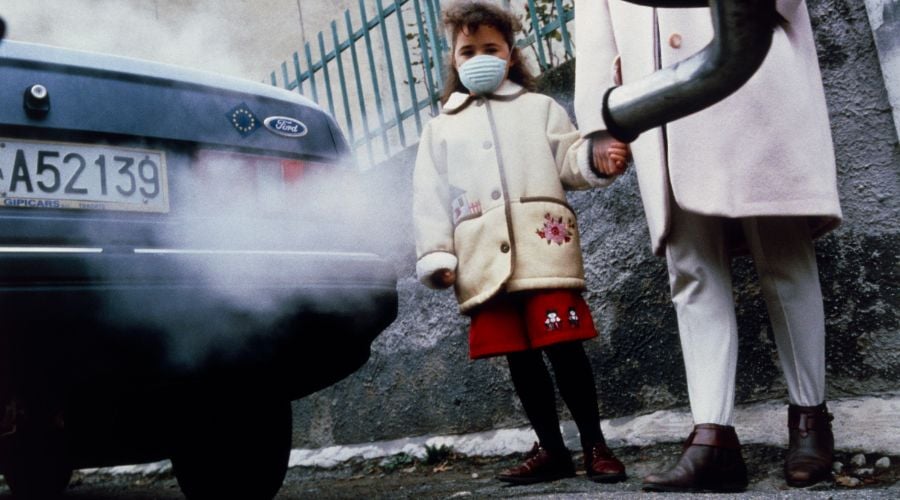
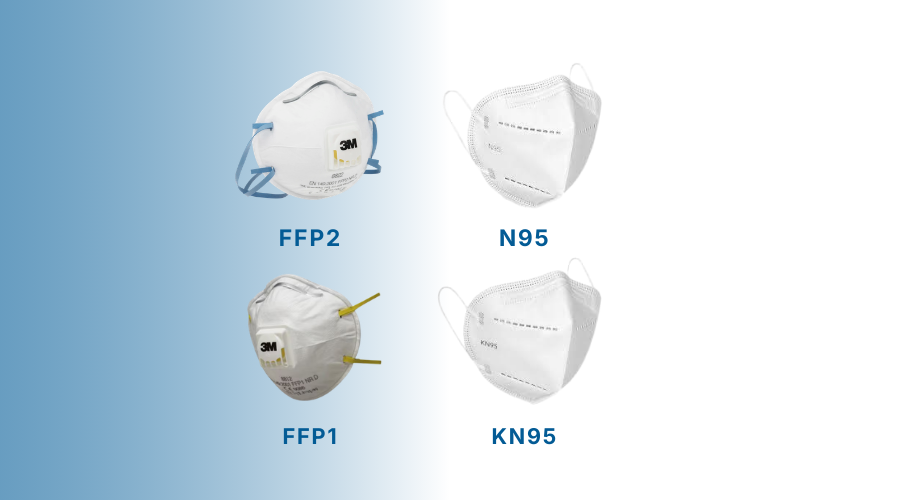
The health risks of air pollution are widely explored and publicized, but the relationship between cooking and indoor air quality is only just starting to gain momentum.
Our Kitchens are like Mini Laboratories
How we cook can generate a crazy level of pollutants. These pollutants can have a harmful effect on all parts of our body – especially children due to their underdeveloped immune systems.
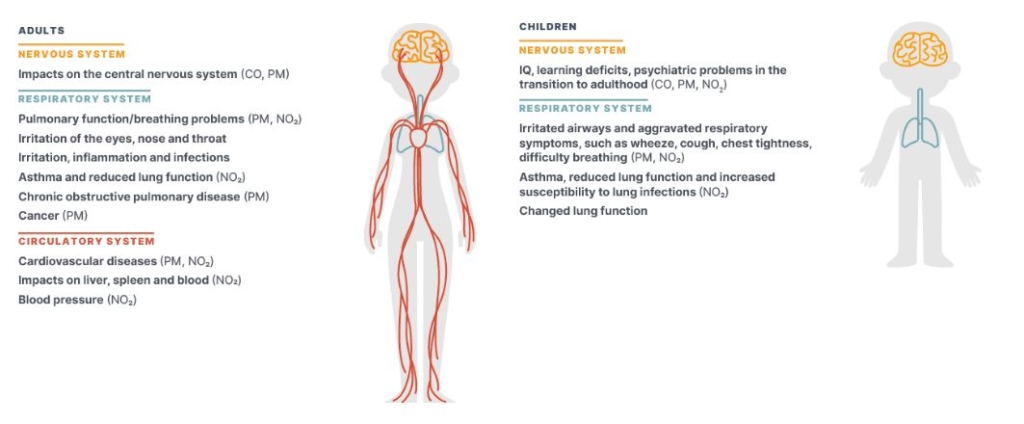
Source: CLASP report ‘The Public Health and Environmental Impacts of Cooking with Gas’
54% of UK Households Cook with Gas
That’s over 36 million people who may be inadvertently exposed to dangerous levels of air pollution.
A study by CLASP, found that cooking with gas and no ventilation emits levels of air pollution that exceed World Health Organisation air quality guidelines. In fact, a simulation of a UK kitchen found NO₂ levels in breach of the EU limits for around 15 hours a week. That’s more than 2 hours every day!
This study also estimated that 500,000+ children in the UK experienced asthma symptoms linked to cooking with gas, over the last 12 months. If you have a gas cooker, you might want to look at switching to electric or induction.
What’s Wrong with Gas?
Gas stoves and ovens emit carbon monoxide (CO), carbon dioxide (CO₂), and nitrogen dioxide (NO₂), which can linger for hours after the stove is switched off. Even when switched off, gas hobs leak methane.
UK boilers have set NO₂ emission limits with incentives to upgrade to more efficient and climate-friendly heat pumps, but no such policies exist for cooking appliances.
What about Particulate Pollution?
How we cook determines the level of particles generated in our kitchen, and this is the same for whether we use gas or electric.

We know that eating fried food is bad for us, but the preparation process actually creates the most pollutants, generating up to 50% of the total particles produced during cooking?
In a series of real-life tests and data-sharing, Devabhaktuni Srikrishna checked the particle count of various cooking methods, posting his results on Twitter. His results showed that burnt butter and toast maxed out his particle counters, producing more particles than a burning cigarette!
Monitoring your Air Makes Pollutants Visible
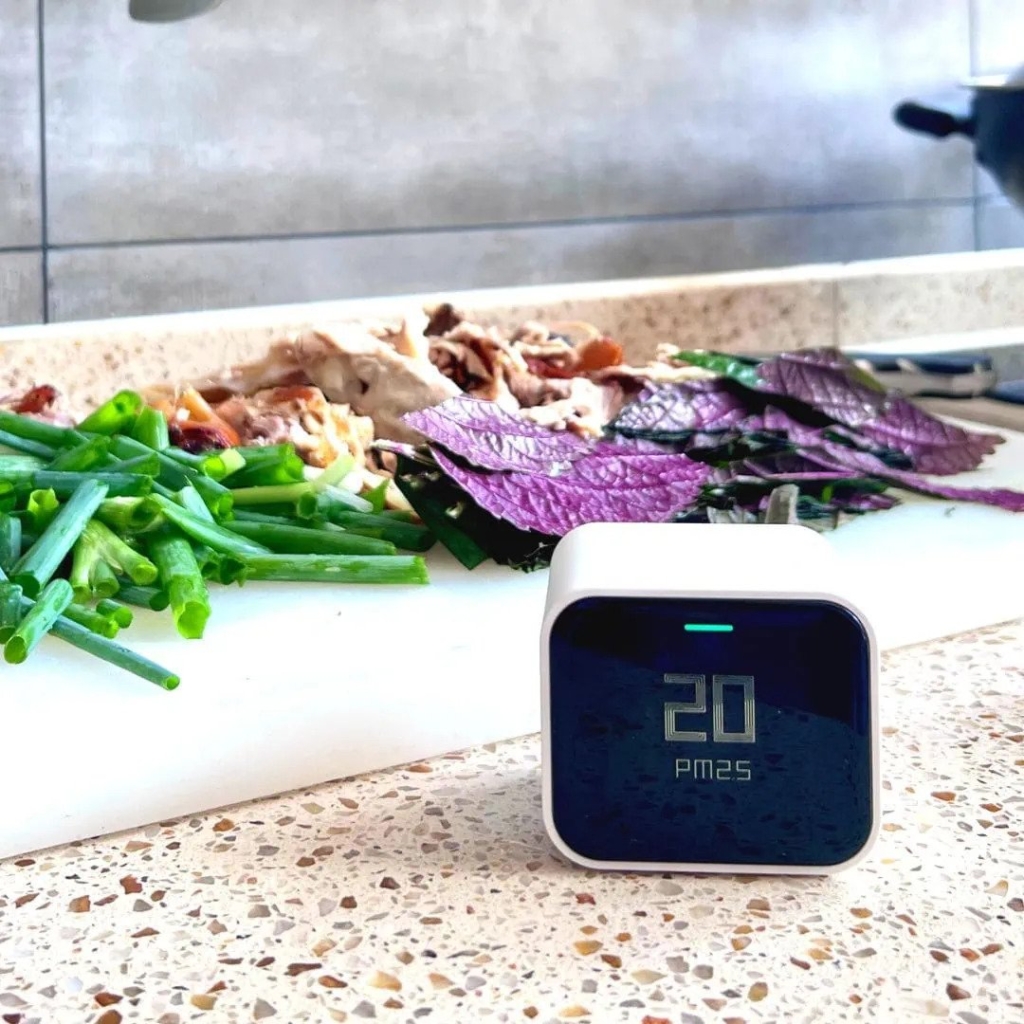
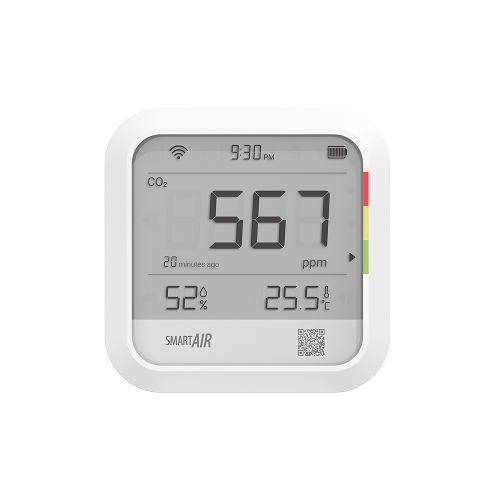
Monitoring PM2.5 levels lets you know when you need to act. It’s a lot easier to put good habits into practice when the effects are clearly displayed.

PM2.5 air quality monitors used to cost thousands of dollars. But in recent years, there has been an explosion in lower-cost options such as the Qingping (QP) air quality monitors, like the QP Pro and QP Lite. We tested these for accuracy with the local government PM2.5 monitor.
Recirculation (Ductless) Cooker Hoods are not Great at Capturing Gases or Particles

Source: The Public Health & Environmental Impacts of Cooking with Gas
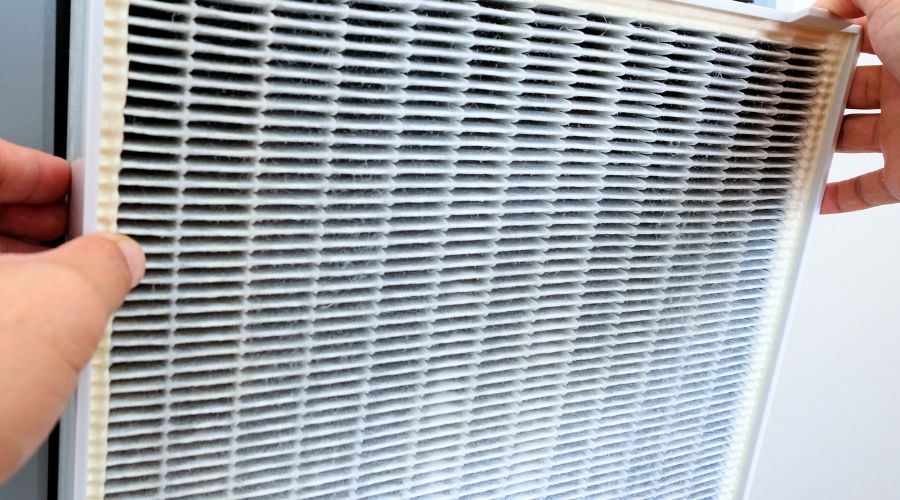
Recirculation hoods tend to be more popular in apartment blocks and where the hob sits on a kitchen island. Some also choose recirculation hoods because they contain a carbon filter. However, a study by TNO (The Netherlands Organisation for Applied Scientific Research) found that recirculation hoods with a new activated carbon filter can reduce NO₂ peak concentration by 67%, but efficiency rapidly decreases to a 19% efficiency in as little as 19 days! Most of us won’t change a recirculation carbon filter once, let alone frequently.
Another randomized study looked at intervention methods to reduce indoor NO₂ levels using the following approaches:
1) Replacing the gas stove with electric
2) Air purifier with HEPA and Carbon filters
3) Recirculating (unvented) hood/extractor.

Source: Home interventions are effective at decreasing indoor nitrogen dioxide concentrations PMID: 24329966
This graph shows that using air purifiers with HEPA and Carbon filters resulted in a 27% decrease in NO₂ levels. Switching from gas is a no-brainer but the surprising find is how ineffective a recirculation hood was at removing NO₂.
What Type of Air Purifier Do I Need?

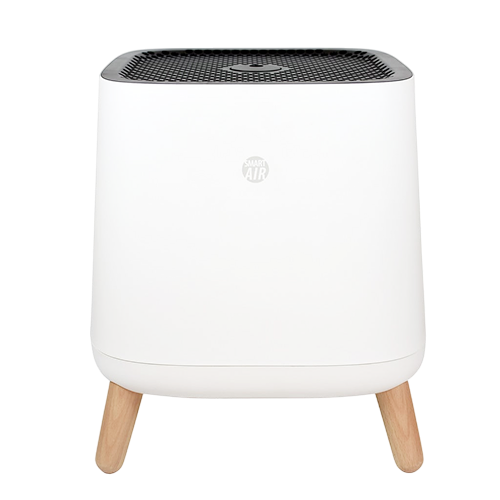
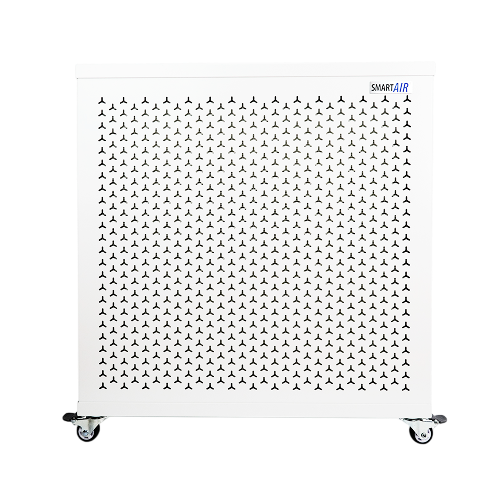
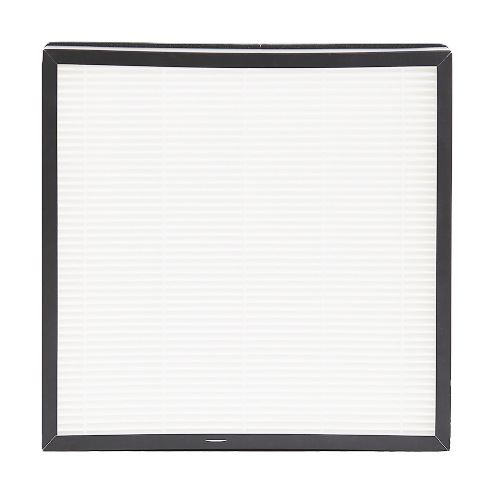
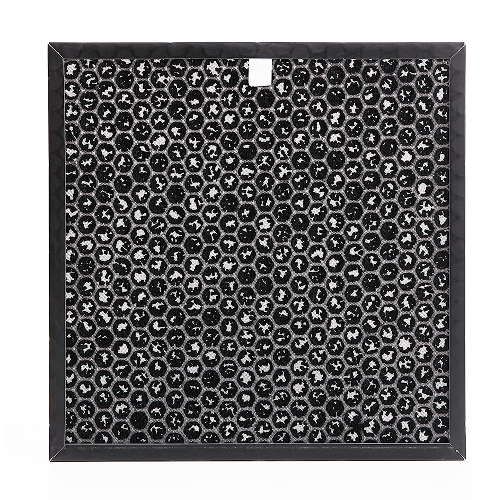
Fortunately, HEPA filters can remove over 99% of particles in the nanometer range. So a HEPA filter would capture nearly all particles generated from cooking and a Carbon filter will remove gases from the air, just remember to replace the carbon filter more frequently. Our air purifiers, Sqair, the SA600 or the Blast Mini, all come with both HEPA and Carbon filters.Tips to reduce cooking pollutants
The University of Surrey has great kitchen pollution guidance. Some tips include:
 | Switch to electric/induction |
 | Use a cooker hood that is vented outside, instead of one that recirculates air |
 | Turn on the cooker hood before cooking and leave it on for 10 minutes afterwards |
 | Open windows |
 | Run your air purifier to remove pollutants from cooking |
 | Change cooking methods – reduce frying by switching to other methods such as steaming or oven roasting, or by using an air fryer |
 | Simpler meals are quicker to cook, and reduces the number of particles released |
 | The use of pan lids saves energy (by heating up food quicker), and keeps particles contained within the pan. Even if left open a crack, it only creates a small stream |
 | Clean often, especially breadcrumbs which produce excessive particles |
Best way to reduce particles from cooking on both electric and gas hobs? Increase ventilation and filtration with an air purifier.
Choose an air purifier with both HEPA (particles) & Carbon (gases) filters such as the Sqair, the SA600 or the Blast Mini to reduce pollutants in your kitchen..
Free Guide to Breathing Safe
Want to learn more about breathing clean air? Join thousands more and stay up to date on protecting your health.