

On hot days, air conditioners can help lower the heat and keep the temperature comfortable. However, it’s often the case that running an air conditioner / AC unit can cause bad smells your room. What’s the reason for air conditioners making bad smells? Does cleaning an AC unit help with this?

Why is my AC Creating a Weird Smell?
If your home’s AC is set between 28-24°C and you detect a sour smell, similar to stale socks, it’s likely from volatile organic compounds (VOCs) produced by bacteria and molds inside the AC, released when the fan operates.

When we turn on the AC, the evaporator (heat exchanger) cools the air, causing water to condense, like a cold drink “sweating” right from the refrigerator. This water usually drains outside through pipes.
When the AC reaches the desired coolness and the compressor stops, the evaporator and fins return to room temperature. Some condensed water remains and the 20°C temperature is the ideal condition for bacteria and mold to grow. This explains why there’s no odor during cooling, but it emerges once you stop the AC.
Should I be Concerned if my AC Smells?

Like the air and surfaces around us, air conditioners have their share of bacteria and microorganisms. Our environment isn’t completely sterile, so there’s no need to be overly concerned.
AC usually have pre-filters in front of their evaporators that catch larger particles like dust and hair, preventing them from getting into core components. However, they’re not as effective with smaller microorganisms and particles, like tiny flakes of skin. Once these enter the AC, they become food for microorganisms. When you add in the right temperature and humidity, as mentioned earlier, bacteria and molds thrive.
Is the Bacteria Growth in AC Harmful to me?
A 2022 Japanese study on air conditioners found bacteria groups vary by household. It is influenced by location, ventilation, usage, and activities. It’s hard to definitively say if your AC has harmful microorganisms. Plus, research on their direct impact on human health is limited.

For most people, these AC tips can lower the risk of infections:
- Keep the AC around 26°C or higher; lower temperatures weaken the immune system. Big temperature differences with the outside can be tough for sensitive individuals.
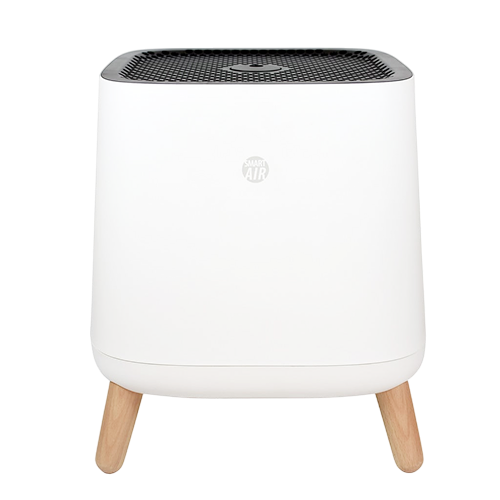
- Open doors or windows for fresh air. This lowers microorganism concentration and reduces CO2 levels. If it’s not possible, or air quality is poor, use an air purifier.
- Avoid direct AC airflow and maintain indoor humidity above 40%. Direct AC air tends to be excessively dry condition can make it easier for viruses to affect the respiratory system.
Should I Clean my AC?

Cleaning AC has limited long-term effects on eliminating bacteria. It’s still recommended to follow the manufacturer’s maintenance advice for optimal performance and longevity.
Consider cleaning the AC if you observe visible contamination, significant microorganisms in the airflow, or a decline in system performance. This is especially important for people who have compromised immune systems.
AC odors are typically due to bacteria and mold growth, emitting volatile organic compounds (VOCs).
Free Guide to Breathing Safe
Want to learn more about breathing clean air? Join thousands more and stay up to date on protecting your health.





Thank you for sharing why it happened. It will help us to fix the problem and make our home smell nice again. Regular cleaning and maintenance are crucial to have safe air at home. Keep on posting!