
A peer-reviewed study from the University of Texas finds that ionizers increase air pollution, creating formaldehyde, ozone, and particulate. This data contrasts sharply with claims from air purifier companies that market ionizers as magical machines. One company in China claims that their machine’s negative ions “remove PM2.5 particulate pollution and formaldehyde in just 30 seconds.”

What is an Ionizer?
Ionizer air purifiers are often marketed with a variety of names, such as “ion air purifiers”, “negative ion air purifiers”, “air ionizers,” and “bipolar needlepoint ionization”.
What Does an Ionizer Do?
Ionizers shoot out negative ions which cause the particles to stick to surfaces.
Study Finds Ionizers Create Formaldehyde
Researchers at the University of Texas put ionizer purifiers to the test. First, they put air fresheners (like the classic pine tree) in a closed chamber.

Then they turned on ionizer air purifiers and tracked levels of particle and gas pollutants. The results were alarming.

After running the ionizer in the chamber, formaldehyde actually increased by 8%.

How could this be?
Read more: What Are Ionizer Air Purifiers and Do They Work?
How Could Ionizers CREATE Air Pollution?
Ionizer air purifiers produce ozone. On its own, ozone is a harmful lung irritant. Not only is ozone harmful by itself, but it’s also highly reactive. Ozone often reacts with other substances in the air and creates new byproducts. One of those byproducts is formaldehyde and other VOCs.

It Gets Worse
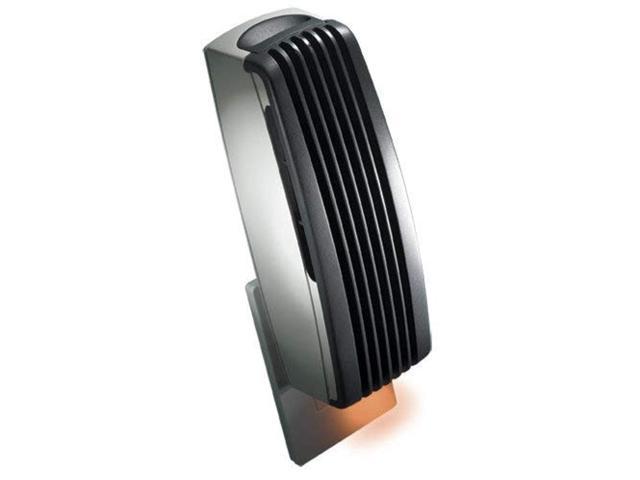
This may not even be the worst of it. Tests of the Sharper Image Ionic Breeze showed increases of over 50% in formaldehyde.
Ionizers Can Increase Ultra-Fine Particle Pollution (PM2.5)
Formaldehyde was not the only pollutant that reacted with the ionizer. The researchers found that ultra-fine particles increased by over 800% after the ionizer was turned on. Yikes!

In short, besides producing dangerous formaldehyde gases, ionizers can also create ultra-fine particles (such as PM2.5). This is ironic because people buy ionizers precisely to eliminate these dangerous particles.
How Ionizers Increase Air Pollution Particles
If some studies find that ionizers can decrease particles, how come this study found the ionizer-created particles? It has to do with the scents.
Fragrant compounds such as terpenes react with the ozone to create dangerous ultra-fine particles. These reactions can actually use ozone (a gas) to create particles (a solid).

Why Air Purifier Companies Use Ionizers in Purifiers
Most of the major air purifier companies use ionizers in their air purifiers, including Xiaomi, Blueair, Levoit, and many more. The reason is that it is a cheap way to get a boost in CADR (metric measuring the effectiveness of air purifiers) as a cheap ionizer can slightly improve the efficiency of the HEPA filter. Unfortunately, much of the time the user is unaware an ionizer is being used and unaware of the possible harmful effects.
HEPA Filters Produce No Ozone or Formaldehyde
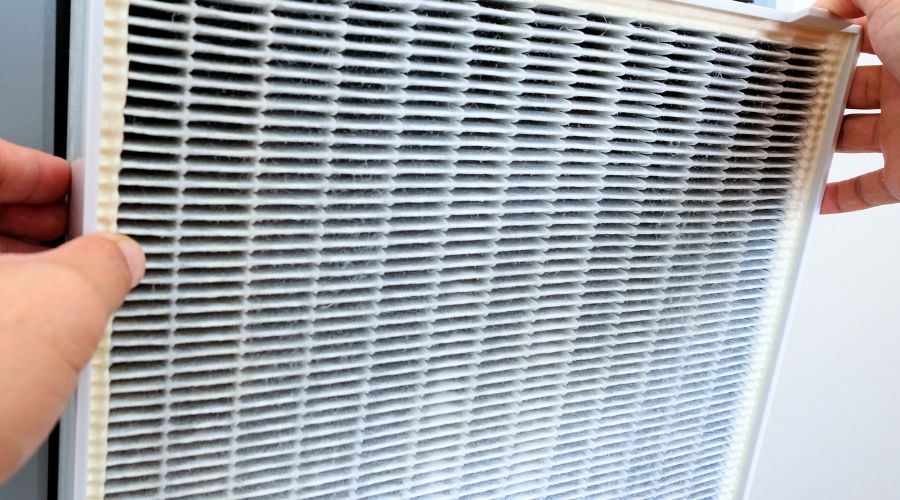
Boring old HEPA filters–invented 80 years ago with no marketing budget or gimmicks–do not emit any ozone. HEPA filters simply capture dangerous particles that are in our air, without increasing any indoor pollutants.

Free Guide to Breathing Safe
Want to learn more about breathing clean air? Join thousands more and stay up to date on protecting your health.
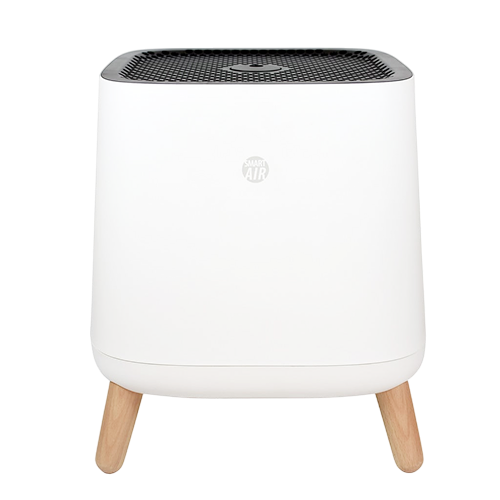
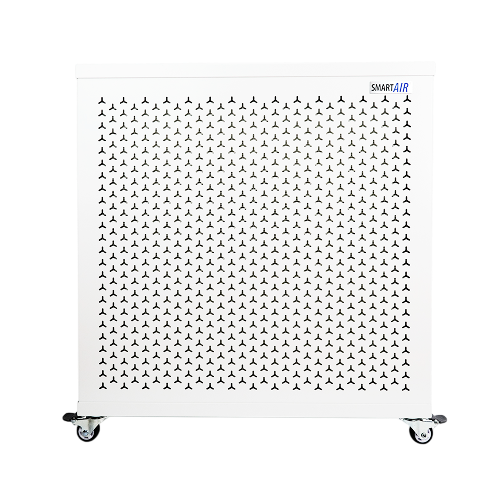
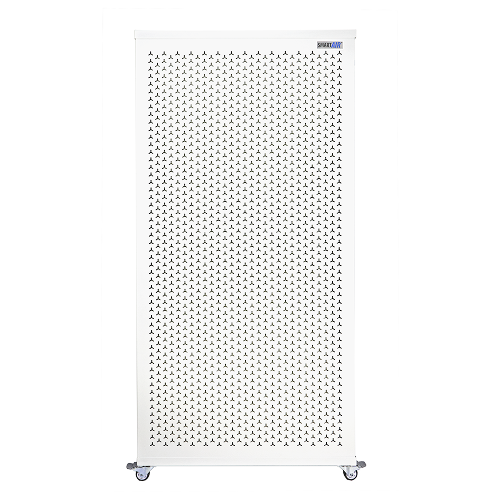
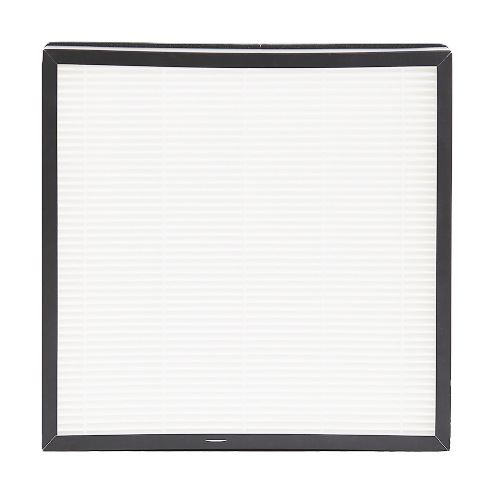
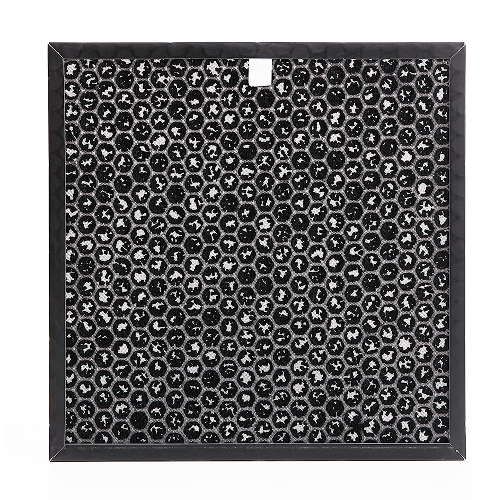
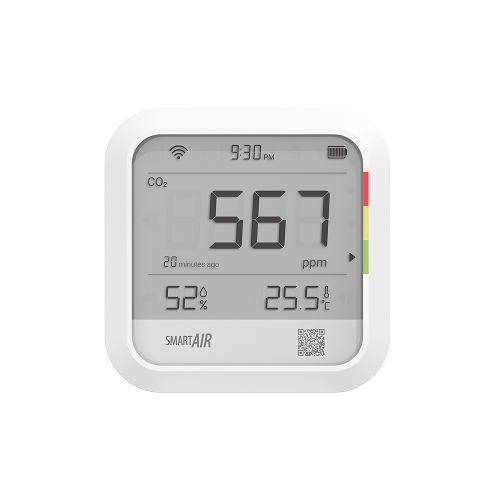






HEPA filters are made of glass fibre. And it releases glass fibres particles, especially when new. Could be from the filter, could be from production…