
Data compiled by the World Health Organization (WHO) shows that improving ventilation can lead to a decrease in virus transmission. As such, better ventilation indoors should be considered an important step in reducing the spread of viruses in offices and homes.
This article covers three simple steps to improve indoor ventilation and reduce the risk of dizziness and illness.
1. Open up Doors and Windows
Opening a door or a window is a simple way to improve indoor ventilation. Data shows that opening windows in a typical home can double ventilation rates. What’s more, scientists found that opening windows in old-fashioned style hospitals with large windows and high ceilings increased air changes almost 20 times.

Scientists in the US also tested how ventilation rates changed when opening the front door of a typical home. They found that opening the door 60 times in an hour also doubled the ventilation rate.
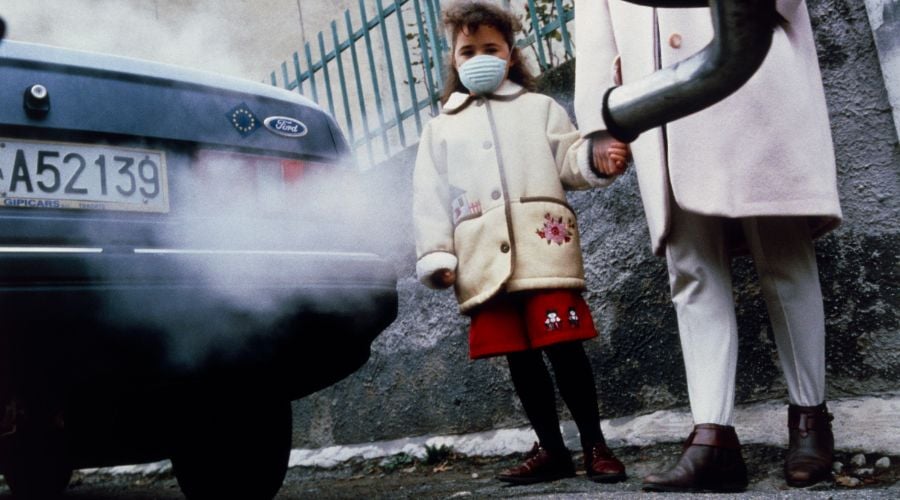
Opening a window or door is a simple solution, however, it does have several disadvantages. Opening windows makes it difficult to control the indoor temperature. In places where there are high levels of outdoor air pollution, it can also let this into the building. Finally, many offices have windows that cannot be opened.
Learn more: Can Opening Windows & Doors Reduce COVID-19 Transmission »
Effectiveness: for typical homes, opening a window can double ventilation rates (from 0.2 to 0.4 air changes per hour).
2. Turn On HVAC & Central Air Systems
If opening a window isn’t an option, then turning on the central air system or ‘HVAC’ could help improve indoor ventilation. HVAC systems typically take outdoor air and pump air into all the rooms inside the building.
They also suck out air through exhaust vents, which could help lower the concentration of viruses in the room, by sucking them out.
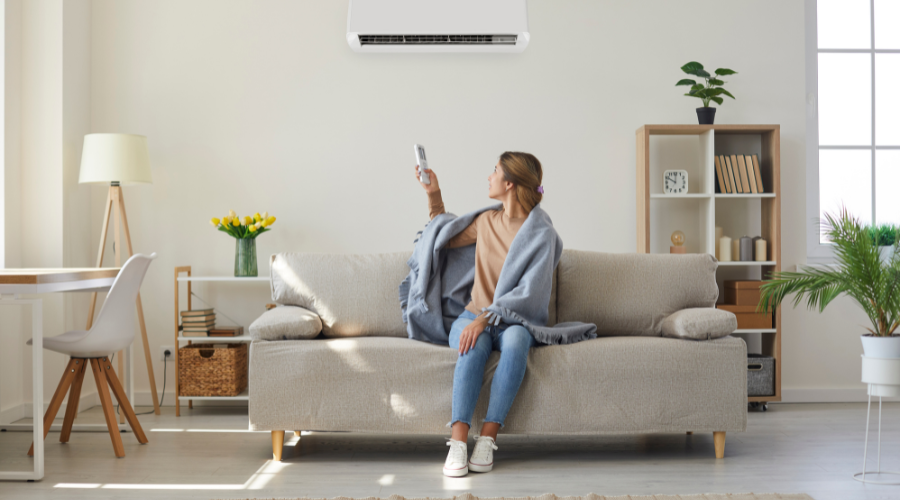
HVAC systems, however are complicated. There are reports that HVAC systems can spread viruses such as the coronavirus. This happens because they move airborne droplets from an infected person/area around the room or the building. ASHRAE, on the other hand, explains that proper use of ventilation can reduce the airborne concentration of SARS-CoV-2 and thus the risk of transmission through the air.
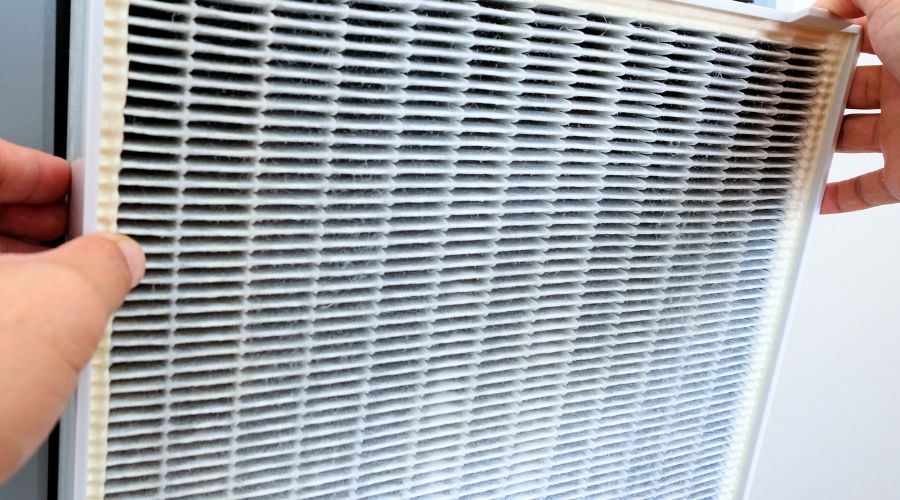
For HVAC systems that recirculate air, they should be fitted with air filters to reduce the chance of transmission.
Effectiveness: HVAC systems can typically provide up to 5 air changes per hour, greatly improving indoor ventilation. However, recirculation should be reduced/eliminated and central air systems should be fitted with filters to avoid the risk of further transmission.
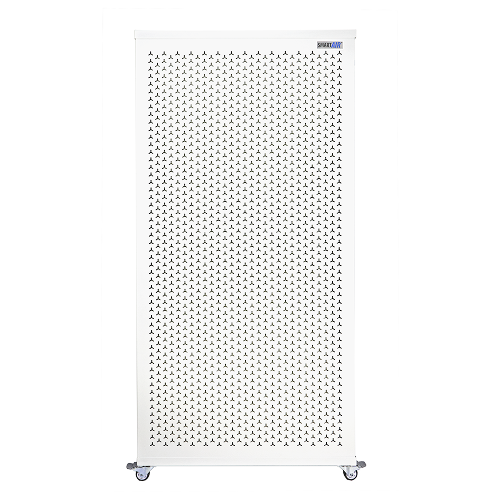
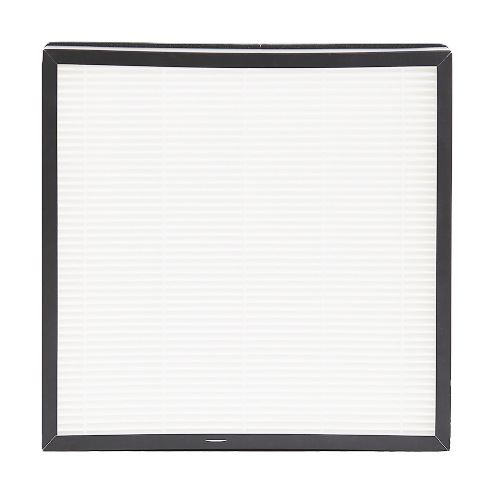
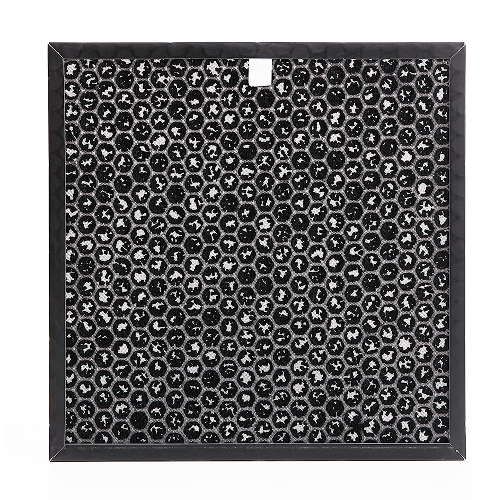
3. Install a HEPA Filter Air Purifier
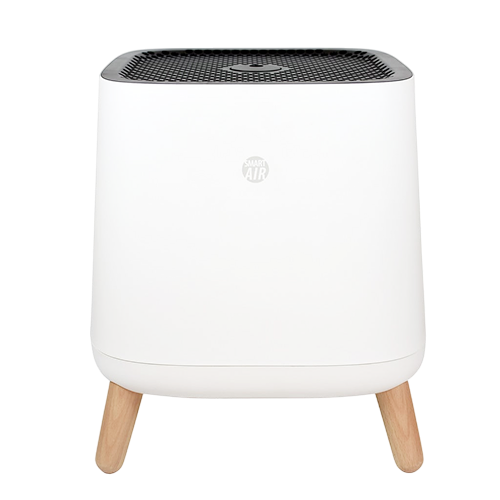
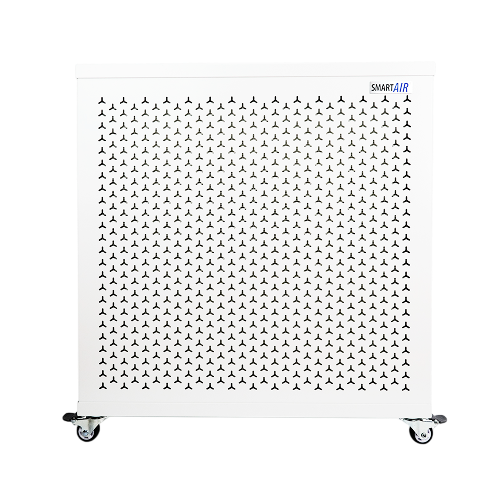
If there’s no central air system available, then put an air purifier is a third option to increase ventilation. While air purifiers do not directly ventilate a room replacing the air in the room, they can do something equivalent by removing viruses from the air. Air purifiers have what’s known as its equivalent air changes per hour.

Calculating the increase in ventilation given by any purifier (its ‘equivalent air changes per hour) is fairly simple. To calculate your air purifier’s air changes per hour, follow our air purifier air changes per hour guide. We also have a link to a handy Air changes per hour (ACH) calculator for air purifiers.

Free Guide to Breathing Safe
Want to learn more about breathing clean air? Join thousands more and stay up to date on protecting your health.






Great tips, thank you