

When we think about air pollution, we often picture smog-filled cities or industrial factories. But did you know that the very screens you use daily could be contributing to indoor air pollution? Recent research sheds light on how LCD (Liquid Crystal Display) screens, found in TVs, monitors, and laptops, might be silently affecting the air quality in homes and offices.
The science behind it
A recent study published in 2021 discovered that LCD screens emit volatile organic compounds (VOCs) and liquid crystal monomers (LCMs). These substances are released into the air from the chemicals used in manufacturing the screens. More than 30 different VOCs were identified, including substances that could impact health when inhaled over time.
Another report from the University of Toronto further highlighted this issue, but also revealing that emission rates of these compounds increase in humid environments. For instance, VOC emissions were found to be up to 2-3 times higher in high-humidity conditions compared to dry environments. This means that in offices or other workspaces with limited ventilation, the air quality could degrade faster, especially in regions with naturally high humidity.
How VOCs impact our health
VOCs are known to contribute to poor indoor air quality, which can lead to symptoms like headaches, dizziness, and respiratory issues. Prolonged exposure to certain VOCs may even have long-term health effects. According to the research, indoor VOC levels can be up to 10 times higher than outdoor levels, particularly in closed spaces with multiple devices. In offices where people often spend 8+ hours daily surrounded by multiple screens, poor air quality can also impact productivity and overall employee well-being. Is your employer doing everything they can to create a healthier and more comfortable workspace?
How your employer can improve your workspace
The good news is that you don’t need to replace all your screens. Instead, taking a few simple steps can help minimise the impact on indoor air quality in workplaces:
- Improve ventilation: Ensure the office has an efficient ventilation system that is regularly checked. Mechanical ventilation or HVAC systems with high-quality filters can reduce pollutant build-up. Consider increasing outdoor air exchange to dilute indoor pollutants. Proper ventilation can lower VOC levels by 30-50%.
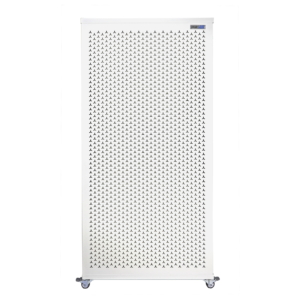
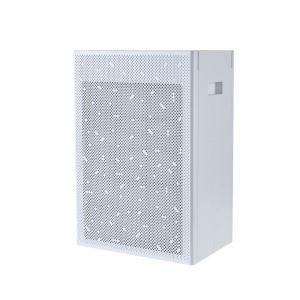
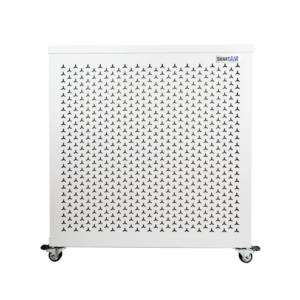
- Use portable air cleaners: In areas with natural ventilation, invest in portable air cleaners equipped with HEPA and activated carbon filters. These devices can effectively capture VOCs as well as particles, helping to provide cleaner air in office spaces. Position portable air cleaners in high-traffic areas or near workstations with multiple screens. Look for purifiers with carbon granules, rather than dusting or fabric, for optimal results.
- Monitor humidity: Check and maintain regular indoor humidity levels using dehumidifiers or humidifiers as necessary. The emission rates of VOCs and LCMs increased by a factor of up to 9 when indoor air humidity increased from 23 to 58%
- Cleaning practices: Use a damp microfibre cloth to clean around screens to prevent dust resuspension. Avoid chemical cleaners, as they may introduce additional VOCs into the air. Instead, opt for water-based or certified low-VOC cleaning products.
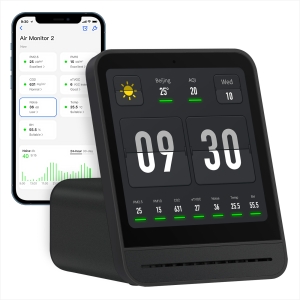
- Monitor air quality: Set up air quality monitors to track indoor air conditions across different parts of the office. These devices can provide real-time alerts about VOC levels, allowing facilities teams to take timely action. High VOC and humidity levels can indicate areas needing better ventilation or purification.
- Choose eco-friendly products: When purchasing or upgrading equipment, opt for screens and devices certified for low VOC emissions.
...but their hidden contribution to indoor air pollution shouldn't be overlooked. Poor air quality in workplaces not only impacts health but also reduces employee productivity and satisfaction.
By improving ventilation, using air purifiers and air quality monitors, following proper cleaning protocols, and being mindful of equipment choices, offices can create healthier work environments for everyone.
Cleaner air isn’t just about what’s outside; it’s about the spaces where we work, collaborate, and thrive.

