
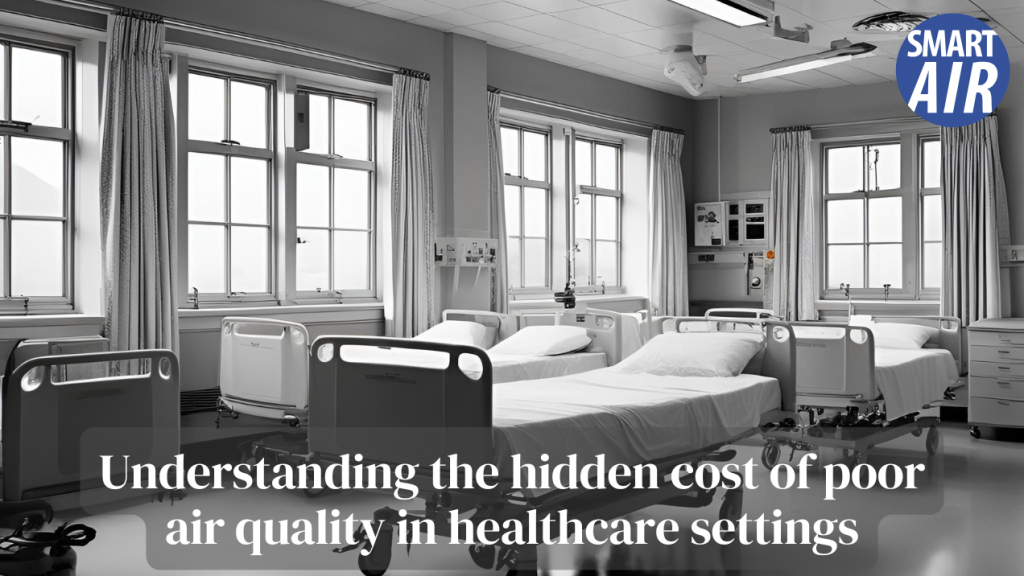
When we think of healthcare environments, we often focus on high-tech equipment, expert staff, and immaculate facilities. However, one critical aspect of patient recovery that’s frequently overlooked is indoor air quality (IAQ). Poor IAQ can affect both patient outcomes and staff wellbeing, leading to hidden costs that may not be immediately obvious. Paying attention to air quality is not just an option, it’s essential for a healthier environment and better care.
Patients can’t heal in polluted air
Airborne pollutants, pathogens, and fine particulate matter don’t just make the air unpleasant, they actively slow down recovery. Research indicates that poor IAQ in healthcare settings can lead to longer hospital stays, higher rates of post-operative complications, and an increased risk of hospital-acquired infections (HAIs). For instance, a study published in the Journal of Hospital Infection found that patients with HAIs had a median length of stay of 30 days, compared to 3 days for those without infections . Additionally, poor IAQ can exacerbate symptoms and delay recovery, particularly in vulnerable populations such as the elderly and immunocompromised patients.
Better staff health means better patient health
It’s not just patients at risk. Doctors, nurses, and support staff spend upwards of 12 hours a day in these environments. Continuous exposure to poor air quality can lead to fatigue, headaches, asthma flare-ups, and long-term respiratory problems. When your staff are unwell, it’s more than just a health concern, it’s a performance issue that can impact the quality of care and overall efficiency in your healthcare setting.
The domino effect of absenteeism
Sick staff means rota chaos, burnout among the rest of the team, and a ripple effect on patient care. A single absence can trigger a chain reaction that affects an entire ward’s efficiency. It's not just about filling a shift, it's about maintaining continuity of care. The worst part? Indoor air quality is often the invisible culprit. Without addressing it, absenteeism can become a costly, recurring cycle that harms both staff and patients.
The bottom line bites back
Poor air quality impacts healthcare budgets in ways you might not see right away. Think higher cleaning costs, more frequent HVAC maintenance due to dust and debris, and rising prescriptions for preventable respiratory issues. Add to that the costs of readmissions, longer stays, and compensation claims from hospital-acquired infections (HAIs). And here’s the kicker: all of these costs are avoidable with better air quality management.
Prevention isn’t just clean, it’s smart
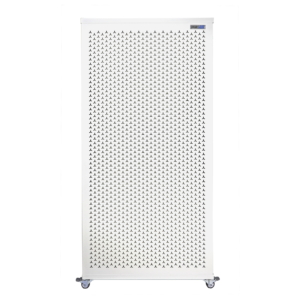
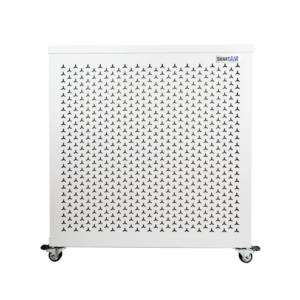
Investing in proper air filtration and monitoring isn’t just a luxury, it’s essential. It’s frontline defence. Portable HEPA filters, air quality monitors, and effective air exchange strategies all play a crucial role in creating safer healthcare environments. Clean air may not be flashy or headline-grabbing like robotic surgery or advanced scanners, but its impact is just as critical if not more so.
If you’re not actively managing the air in your hospital or clinic, you’re wasting money, harming staff wellbeing, and hindering patient recovery. It’s time to stop treating clean air as an afterthought and recognise it as the clinical necessity it truly is.
Want to talk about smart, evidence-backed solutions for cleaner air in your healthcare space? Get in touch with us at [email protected]

