
Most purifiers on the market come with a pre-filter. That would make one think that pre-filters must be a good thing, right?

However, most purifier companies also love to sell people 6-stage filtration, or no – 7-stage filtration! But the science behind purifiers is surprisingly simple. Two types of filters will protect you against virtually every type of air pollutant out there. But what about a pre-filter?
When we were designing the world’s most cost-effective purifier, we decided to put this question to the test. We ran over 1,000 hours of tests on air purifiers with and without pre-filters to test whether pre-filters would actually make air breathers better off. Here’s what we found.
What is a Pre-Filter?
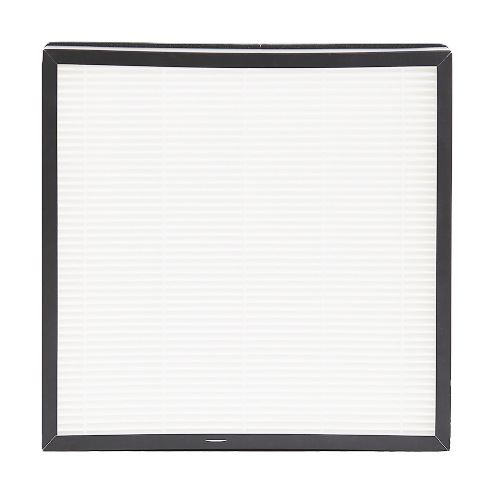
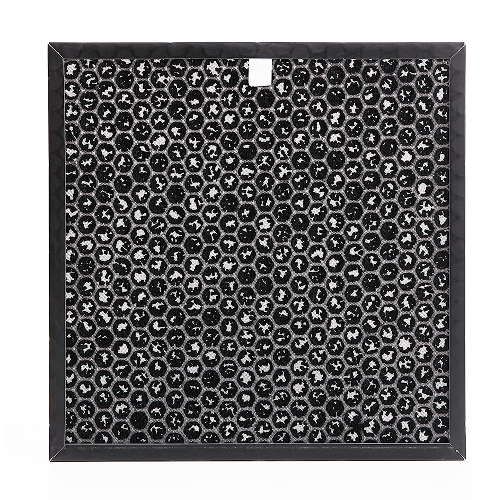
A pre-filter is the initial filtration layer in an air purifier or HVAC system. Its main purpose is to capture larger particles like dust and hair, preventing them from clogging the HEPA filter.
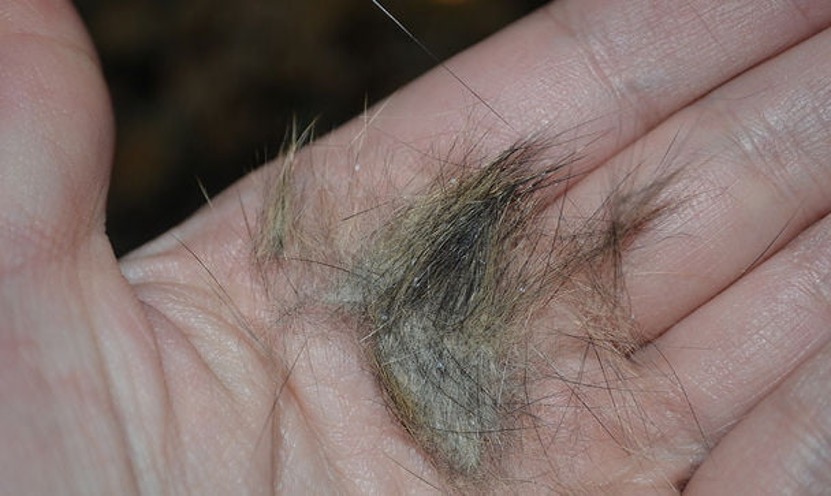
Of course, HEPA filters have no problem capturing these large particles, so the pre-filter will NOT increase the effectiveness of the purifier. Instead, the idea is that it should increase the lifespan. The great thing about pre-filters is they can be washed and cleaned periodically, unlike HEPA filters.
Pre-filters vs. HEPA filters
A typical pre-filter has an efficiency range of 20% to 70%, capturing particles sized between 3 and 10 microns, making it suitable for pet owners. In contrast, a HEPA filter can remove 99.97% of mold, bacteria, pollen, and dust from the air, filtering particles as small as 0.3 microns.
The Problem with Pre-Filters
Pre-filters have costs. Because they add an extra layer of resistance to your air purifier, they can reduce airflow and increase noise.
So we’ve got a potential benefit (lifespan) and a cost (air resistance). We can make theoretical arguments all day in favor of one or the other. The real way to answer this question is to put it to the test.
Air Purifier Pre-Filter Tests: With vs. Without
In our Smart Air lab in Beijing, clean air engineer Vitalii ran a series of effectiveness (CADR) tests on the Sqair with and without a pre-filter. In the test, we burn cigarettes in a closed room to produce PM2.5 pollution and track how long it takes the purifier to clean the air.
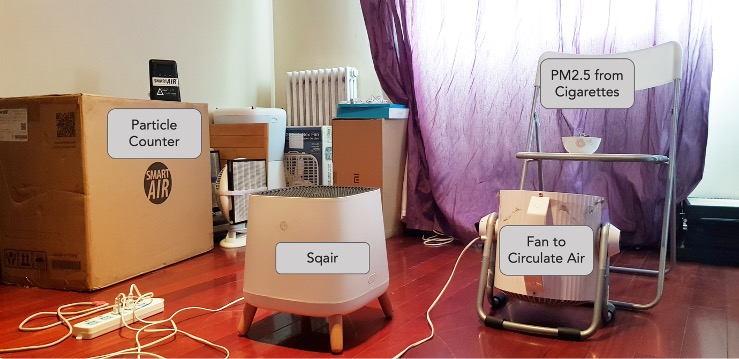
Averaging across multiple, here is how the pre-filter affected performance:

The results are pretty conclusive. Adding a pre-filter to The Sqair reduces effectiveness by 40%.
How Pre-Filters Affect HEPA Filter Lifespan
Hang on. The purpose of a pre-filter is to increase the lifespan of the HEPA filter, not to increase effectiveness. So what about lifespan?
To answer this question, we set up a new experiment. In this test, we ran 3 Sqair purifiers 24/7 over 2 months to test if a pre-filter really increases the lifespan of the HEPA.

We ran three machines:
- Nothing: Sqair without a pre-filter
- Ideal condition pre-filter: Sqair with a pre-filter that we replaced every week (like washing it every week, but better!)
- Realistic pre-filter: Sqair with a pre-filter we didn’t wash or replace (how we see most people use their air purifier)
We ran effectiveness (CADR) tests of all 3 Sqairs every 65 hours. Here’s what happened to their effectiveness over the 2 months.

The two Sqairs with a pre-filter had lower effectiveness at the start, but that’s to be expected from the earlier test. The real question is: does changing the pre-filter ever push performance above the “unprotected” Sqair?
Here’s the shocking result. Even after 1,000 hours, when effectiveness dropped 50% (which is when the HEPA should be replaced), the purifier without a pre-filter still outperformed the purifier with the frequently changed pre-filter.
Even if we compare the pre-filter that was changed constantly and the pre-filter that wasn’t changed, the difference in effectiveness was small. At the end of the test, the difference in effectiveness was less than 10%. This suggests that the benefit of cleaning the pre-filter is small.
Possible Exceptions For Using Pre-Filters?
There might be exceptions. Since dogs and cats shed lots of fur, pet owners might still benefit from using a pre-filter. We plan to run tests in a pet owner’s home to see whether the results are any different.

Also, large centrifugal fans like the fan in the Blast are stronger, meaning the pre-filter won’t affect airflow as much.
Free Guide to Breathing Safe
Want to learn more about breathing clean air? Join thousands more and stay up to date on protecting your health.






The information is correct, however a pre-filter located at the return grill also keeps the return duct from getting dusty. That is a benefit that should also be considered.
Thank you for these amazing articles! This website has become by far the best resource for air purification on the internet!
One more thought: is having three units operate side by side the best test?
It seems to me that the pre-filterless unit is benefiting the most by having two adjacent air purifiers keeping its intake air relative free of large particles.
IMO, you should be holding initial air flow constant. No one would expect a pre-filter to have a benefit without a cost (higher fan speeds). As for me, if I go sans pre-filter, the hepa gets covered by a cm-thick curtain of dust within a month. What’s really interesting to me is that your data suggest that with 24/7 use, a hepa filter should be replaced every 6 weeks. In real-life, most people tend to go at least 6 mos. between hepa changes. I wonder if the pre-filtered hepa starts to outperform the raw hepa at some point between two… Read more »