
AQI (air quality index) is a number that helps represent how bad air pollution is. However, it can get confusing as not all countries use the same AQI standard. In this article, we cover the differences between the US, China, and India AQI standards.
AQI Standards: US vs. China vs. India
The US, China, and India all use their own AQI standard for measuring air pollution. A major difference between each country’s AQI standard is the levels of PM2.5 each country deems as “safe”. The US has the strictest standard for air quality. For example, the US AQI standard considered PM2.5 levels of 55 micrograms to be “unhealthy”. At the same time, China and India consider PM2.5 levels of 35 micrograms as “good” and “satisfactory”. Let’s further explore each AQI standard.
US AQI
US AQI is the strictest of the three standards. Like the Chinese standard, it focuses just on PM2.5 concentration. The AQI standard considers any PM2.5 levels under 9 micrograms as “good”. This is a big difference from the Chinese standard, which considers levels up to 75 micrograms (over 6 times!) as good.

China AQI
The China AQI standard is far less strict than the US standard for PM2.5 concentrations under 150 micrograms. For example, PM2.5 levels of 75 micrograms are considered “good” under the Chinese standard, even though these levels or 15 times higher than the WHO recommended limit. 75 micrograms is considered unhealthy under the US AQI standard. However, once concentrations exceed 150 (AQI 200), the Chinese AQI standard gives equal readings to the US AQI.

| AQI Value | Description | PM2.5 concentration (ug/m3) |
| 0-50 | Excellent | 0-35 |
| 51-100 | Good | 35-75 |
| 101-150 | Lightly Polluted | 75-115 |
| 151-200 | Moderately Polluted | 115-150 |
| 201-300 | Heavily Polluted | 150-250 |
| 300-500 | Severely Polluted | 250-500 |
India’s National Air Quality Index (NAQI)
India Air Quality Index (NAQI) has six AQI categories, namely good, satisfactory, moderately polluted, poor, very poor, and severe. Similar to the Chinese AQI standard, the Indian AQI standard is more lenient compared to US AQI. Even levels 6 times higher than the WHO recommended limit are considered in the best “Good” category.

Why I’ve Stopped Using AQI
As you can see, there are many many different AQI standards around the world. That can make AQI numbers really confusing. Oftentimes apps report AQIs without making it clear what scale they’re using.
For these reasons, the more I’ve gotten into the nerdery of air quality (such as analyzing what time of day is PM2.5 the lowest), the more I start to ignore AQI and just pay attention to the direct measure -micrograms. Micrograms don’t have ever-changing conversion formulas, and they don’t depend on your government’s scale.
Read More: What Level of PM2.5 is Actually Safe?
How I Keep My Home’s PM2.5 Levels Consistently at 0
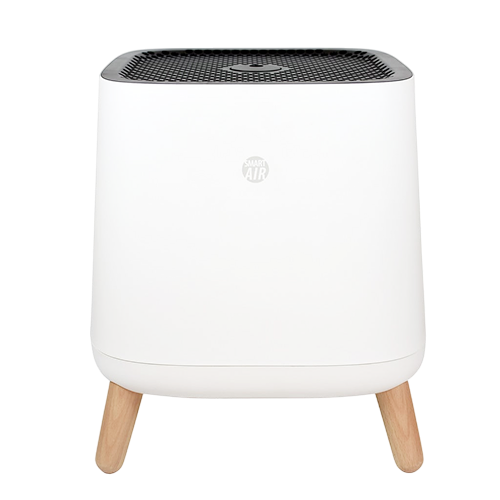
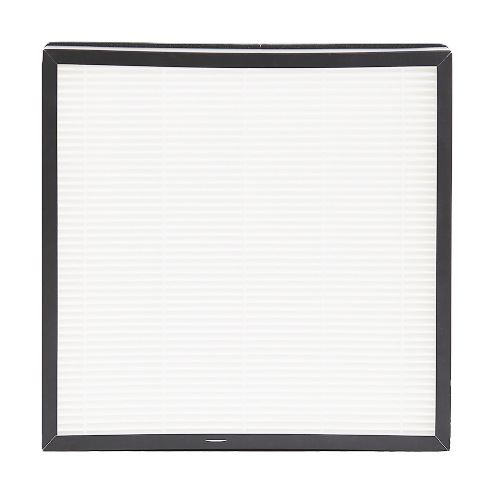
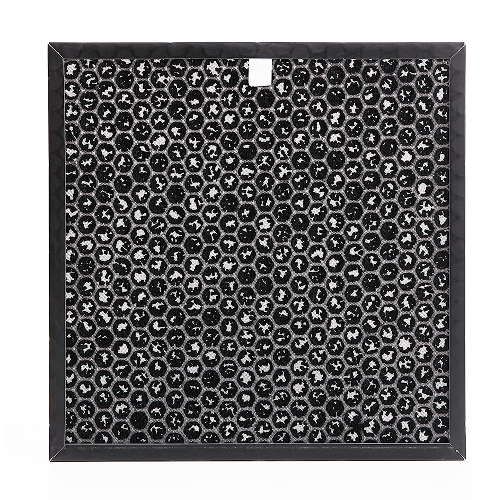
Every home has PM2.5, but fortunately, with a strong enough HEPA air purifier you can reduce those levels to 0. The benefits of using a HEPA air purifier at home are incredible. That’s where Smart Air comes in. Smart Air is a certified B Corp committed to combating the myths big companies use to inflate the price of clean air.
Read More: 4 Steps to Buying an Air Purifier

Smart Air provides empirically backed, no-nonsense purifiers and masks, that remove the same particles as the big companies for a fraction of the cost. Only corporations benefit when clean air is a luxury.
For protection against air pollution, check out the Sqair!

Free Guide to Breathing Safe
Want to learn more about breathing clean air? Join thousands more and stay up to date on protecting your health.







Hi, you mentioned that you have 0 pm2.5 at home.
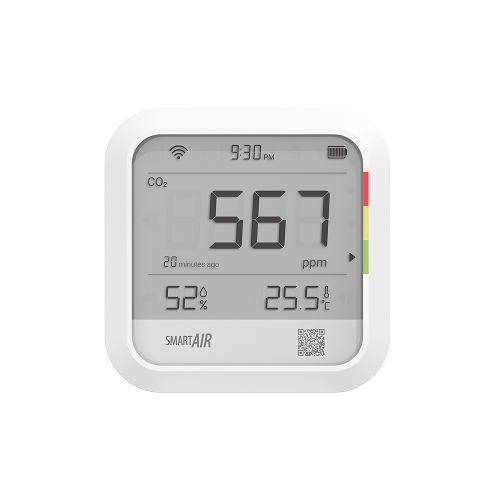
How do you manage ventilation to keep CO2 levels low?