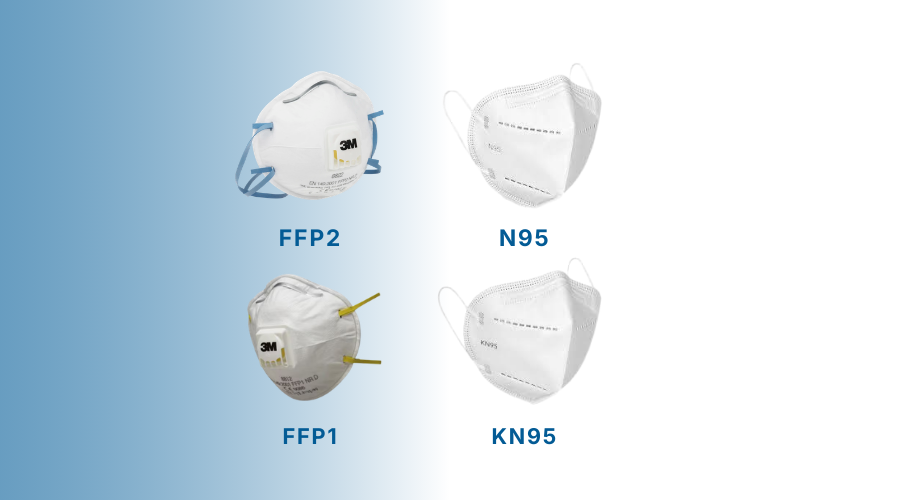
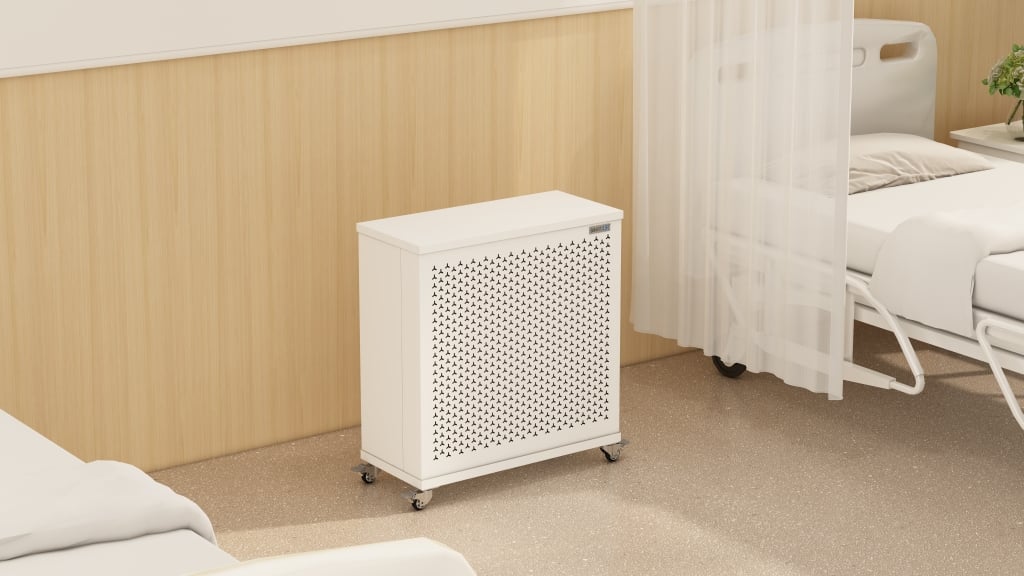
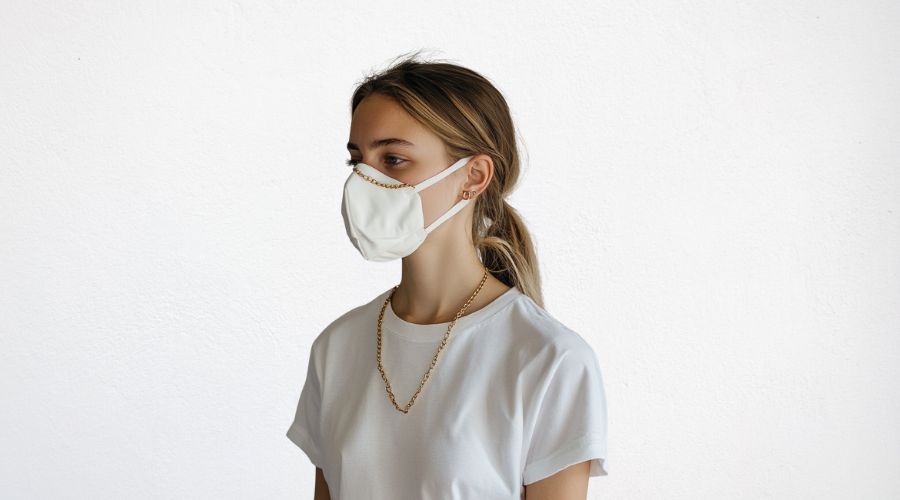
If you can smell an odor while you’re wearing an N95 mask, does that mean the mask isn’t fitting well? Many people experience this when they notice they can still smell cigarette smoke, even though they’re wearing a mask. Thus, can we use smells as an indicator of getting a proper seal with respirators?
The answer is it depends on what kind of smell it is. There are two kinds of smells in the world. To make things concrete, let’s talk about farts.

Smells Type 1: Gases
Many smells come from gases. Farts are a great example. Many farts are smelly because of hydrogen sulfide. Hydrogen sulfide is a gas.
Surgical and N95 masks don’t capture gases. That means you’ll still smell odors like farts, even if you are wearing a perfectly fitted N95 or even an N100 mask.
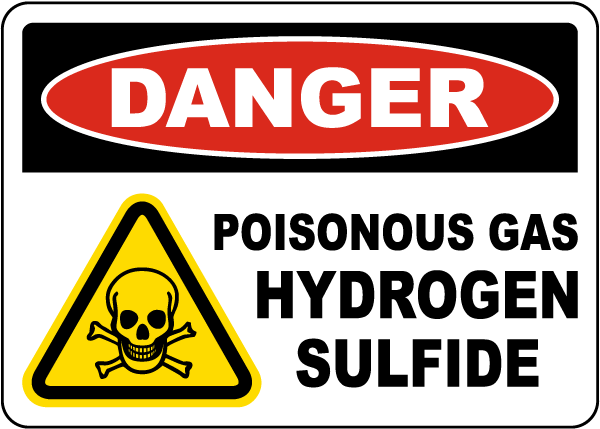
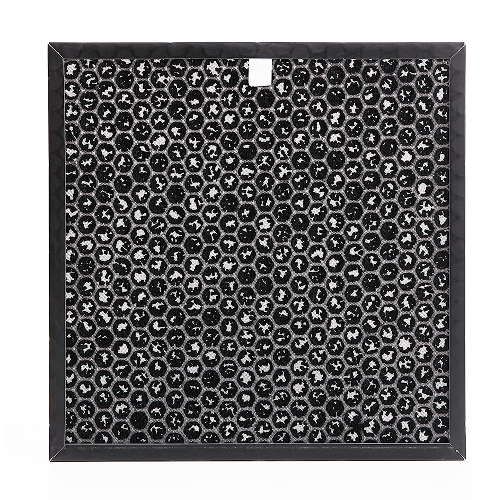
So what should you do if you want to avoid smelling odors that come from gases? If you want to capture gases, you need an activated carbon filter. Activated carbon works differently from N95 mask materials. Instead of a fabric mesh, activated carbon usually comes in pellets, like this.
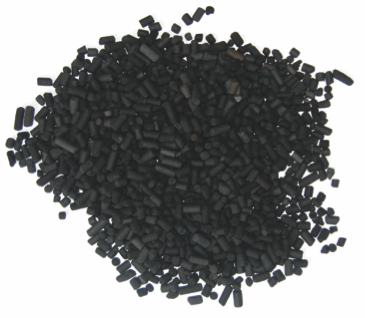
The fact that it comes in pellets means that it is hard to make carbon masks. Some companies put little bits of carbon in masks, like this Respro mask.

However, researchers have found that just adding a little bit of carbon to a filter like that isn’t very effective. For example, tests of carbon-impregnated car cabin air filters found that they can lose more than half of their effectiveness in just five minutes.
To get enough carbon to actually be effective, you’ll need more carbon. One solution is to put canisters full of activated carbon on masks. That means wearing a scary-looking gas mask like this.

Smell Type 2: Particles
But not all smells are gases. Some smells are particles. If you’ve ever poured cinnamon or pepper out of a jar and smelled it, you probably smelled particles.

Hospital Methods for N95 Mask Fit Test
Testing companies use particles to test whether masks fit right. For example, some healthcare workers like doctors have to fit test their N95 masks every year, and many use this method. They put on their N95 mask, and a tester sprays a bitter-smelling solution called “Bitrex” or a sweet-smelling solution called “saccharin.”

The tester sprays the solution near the doctor wearing the mask. If the doctor can smell the bitter or sweet smell, it means their mask isn’t fitting well.

More Precise Test: Quantitative Fit Test
The smell test is easier than a quantitative fit test, which actually counts the number of particles in the air outside and inside the mask. Quantitative fit tests give a more precise estimate of effectiveness than smell tests, but they require more equipment, and they have to destroy the mask as a part of the testing process. Because these smell tests only give a subjective “yes, I smelled it” or “no, I didn’t smell it” answer, people call them “qualitative fit tests,” not “quantitative.”

Of course, even with a well-fitting N95 mask, a small percentage of particles will still get through the mask filter fibers. However, the number of particles is so much lower that smells from particles should be non-detectable.
Free Guide to Breathing Safe
Want to learn more about breathing clean air? Join thousands more and stay up to date on protecting your health.