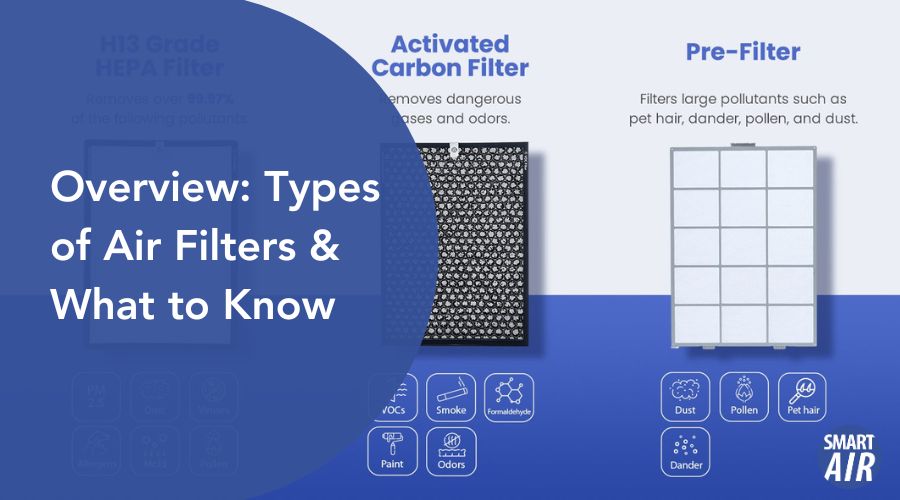
Multiple types of air filters and technologies exist to clean and filter the air we breathe. But what type of filter should you use to filter viruses and pollen? Or how about nasty smells and other gases like NOx or SOx? This article shows you what you need to know.

What Are 3 Different Types of Air Filters?
1. HEPA Filters
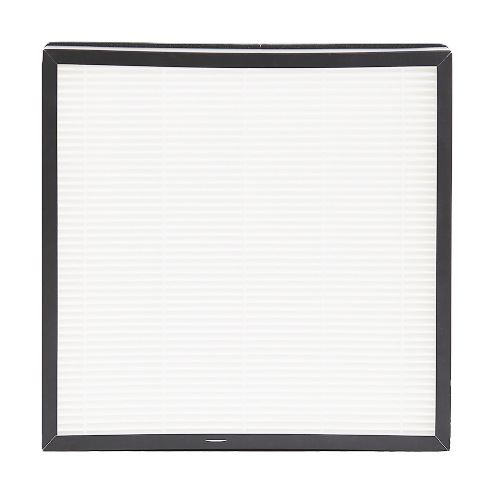
HEPA filters are the most effective solution for capturing particles. “HEPA” sounds fancy, but it’s just a standard that means the filter catches 99.95% of particles .3 micrometers and above (they also get particles smaller than .3 micrometers–the .3 designation is based on the overlapping point of different types of filtering). That covers a lot of particulate pollution–the most-often cited figures are for 2.5 micrometers.

HEPA filters aren’t rocket science. They work pretty simply: particles get stuck in the synthetic fibers (using a few types of physical filtering processes). In fact, if you have a vacuum cleaner, it probably has a HEPA filter in it. You can get one for about $10.
Contrast that with the major purifier companies like IQ Air and Blue, which have proprietary HEPA filters with names like “HyperHEPA” that cost $200. These may have benefits like a longer lifetime, but direct comparison tests show the super expensive machines capturing no more particulate than the non-proprietary HEPA (1), even measuring down to .01 microns (2).
Conclusion: HEPA filters are great for capturing particulate pollution like viruses, pollen, dust, bacteria and more. If your concern is particulate air pollution, a HEPA filter is really all you need. And for that, you don’t need spend 8,000 RMB. You can make your own for 166 RMB.
Learn more: What are HEPA filters and how do they work »
2. Activated Carbon Filters
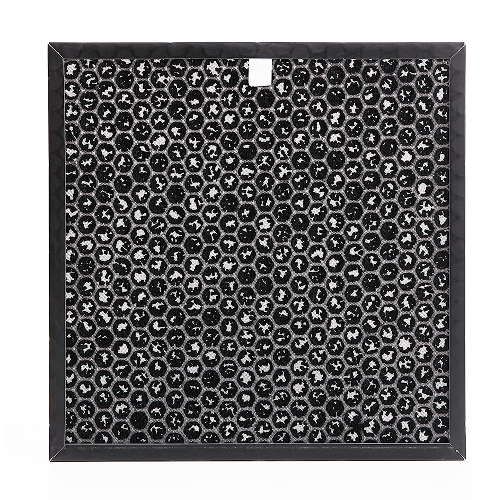
Activated carbon filters use charcoal screens to catch (adsorb) certain types of chemicals and organic matter that interact with carbon. For example, carbon will capture things like formaldehyde and other volatile organic compounds. But carbon will NOT capture particulate in general (see the extra test at the end of this article).
Learn more: Does activated carbon really work in filters »
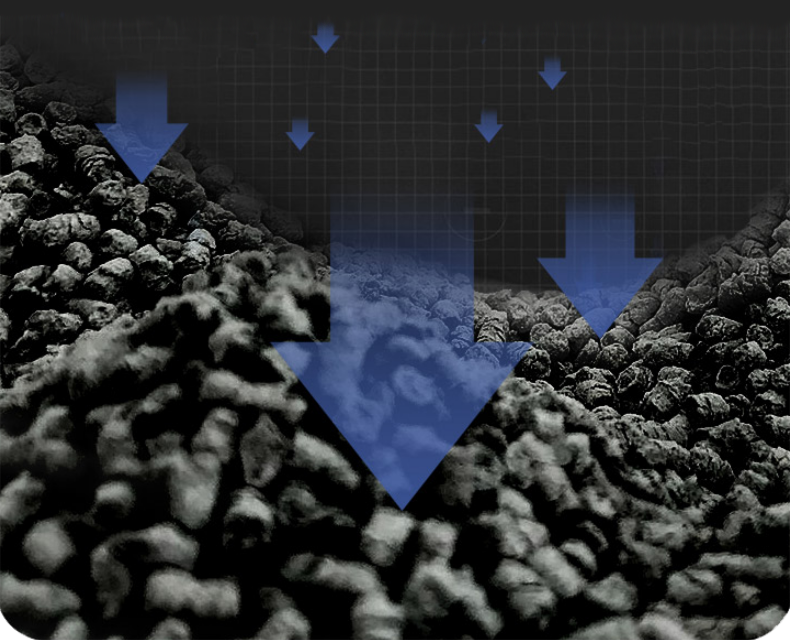
Conclusion: Carbon filters can capture hazardous gases. They cannot capture particulate pollution like PM2.5 and pollen or pet allergens.
3. UV Light Filters
UV light filters are designed to kill bacteria and viruses. They work by shining a UV light (typically UV-C) on bacteria and viruses to kill or deactivate them. With that said, most UV-C lights take several seconds to kill viruses and bacteria, so may not be very effective in air purifiers because the air passes too quickly through the UV light. It’s also worth noting that UV light filters do not actually trap the pollution, only shining on it as it passes by, so they cannot help with other types of pollutants like pollen, dust, formaldehyde, and other gases.

Learn more about UV Light air purifiers »
Conclusion: UV light filters can kill bacteria and viruses but are limited in air purifiers due to short exposure time.
4. Pre-Filter
A pre-filter in an air purifier is like the first layer of protection. It catches the big stuff like dust, pet hair, dander, and pollen before it reaches the main filter. Think of it as the air purifier’s way of staying efficient and keeping the more advanced filters, like HEPA or carbon filters, from wearing out too quickly. Plus, they’re usually washable or easy to replace, making them super handy for keeping things running smoothly.
Free Guide to Breathing Safe
Want to learn more about breathing clean air? Join thousands more and stay up to date on protecting your health.