
Renovations can often lead to increased formaldehyde and VOC levels in recently renovated homes and offices. This often leads to what is called ‘Sick Building Syndrome’, causing headaches when in these spaces. Whilst carbon filters prove highly effective in eliminating formaldehyde from the air, they don’t remove formaldehyde and other VOCs from the dangerous materials themselves – just the air.
Fortunately, performing an indoor ‘cookout’ is a proven and effective way to increase the speed at which formaldehyde and other VOCs can be removed. This is especially useful after new furniture has been purchased, or after a recent home or office renovation. If you are experiencing high formaldehyde levels or sick building syndrome, this article will show you how to solve the problem and backed up by real-world data.

What is a Formaldehyde Cookout & How Well Does it Remove Formaldehyde?
Formaldehyde cookouts remove formaldehyde because formaldehyde is more volatile under higher temperatures and humid conditions. Therefore, heating up a room that has high-formaldehyde materials such as plywood, paints, carpets, and furniture can help reduce formaldehyde levels. Once the formaldehyde is in the room’s air, it can be more easily removed by ventilating out the space.
Learn more: 5 Steps to Running a Formaldehyde Cookout
Formaldehyde Cookout Lowered Formaldehyde by 67% Within Hours
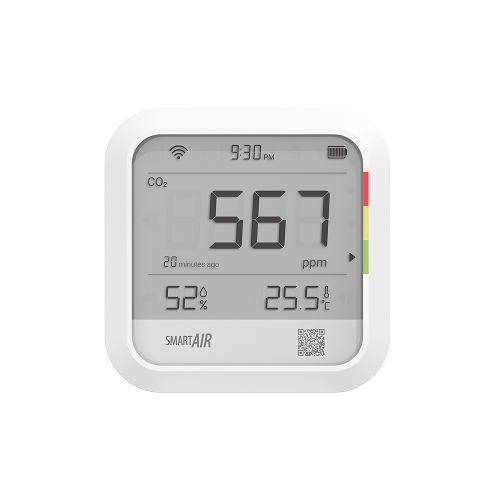
Smart Air performed a series of formaldehyde cookouts in its newly renovated Beijing office to remove formaldehyde before moving in. We used a portable heater to increase the indoor temperature, and used formaldehyde (VOC) detectors to measure the formaldehyde levels.

The indoor temperature increased 3 degrees Celsius throughout the cookout, from 25 degrees to 28 degrees.
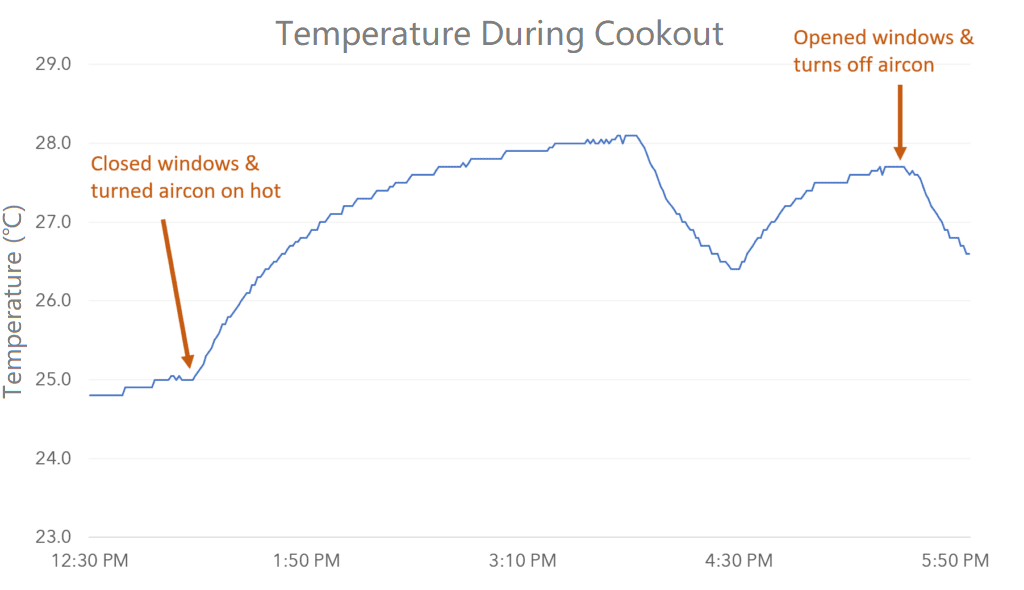
Before the cookout, ambient formaldehyde in the office were approximately 0.3 PPM. We then closed the windows and turned up the temperature. As a result, formaldehyde rose as formaldehyde began to off-gas faster from the wooden furniture in our office.
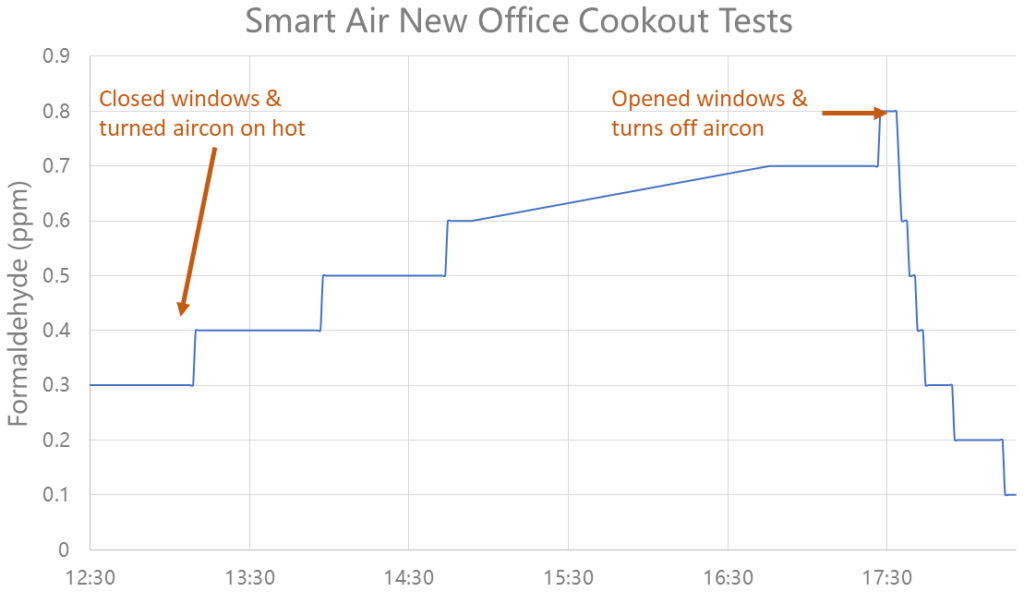
Formaldehyde peaked at 0.8 PPM, until the windows were opened, and the aircon was turned off. Thereafter, formaldehyde levels declined rapidly to 0.1 PPM, which is a third of original ambient formaldehyde levels before the cookout.

Smart Air’s experiment showed the effectiveness of ‘cookouts’ as a tool to remove formaldehyde and reduce sick building syndrome. Turning on the heat for a couple of hours can reduce formaldehyde levels drastically. Our cookout caused ambient formaldehyde levels to reduce 67% from 0.30 to 0.10 PPM. Interested in running your own formaldehyde cookout? Check out our step-by-step guide to running a formaldehyde cookout.

Looking to remove formaldehyde and solve sick building syndrome?
Smart Air offers formaldehyde removal services to suit all needs.
Remove Formaldehyde With Carbon Filters
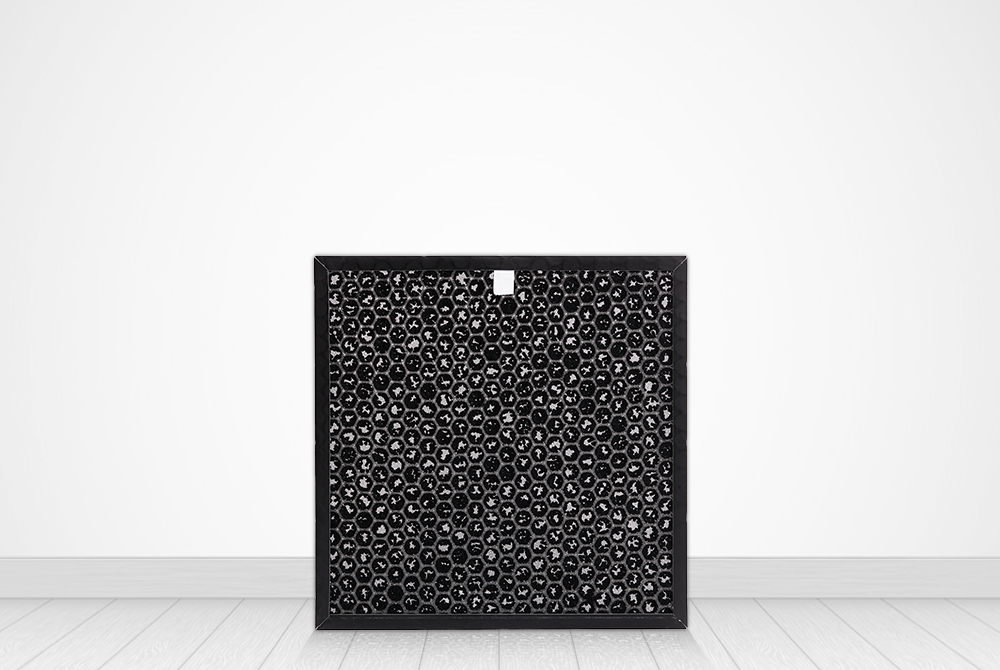
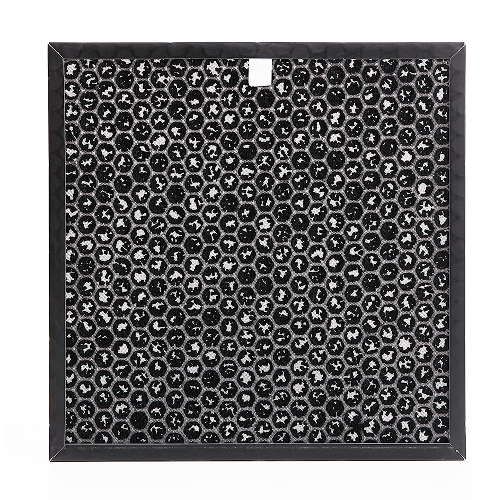
Although a cookout can remove significant amounts of formaldehyde, levels can still remain dangerous even after a large reduction. If running the cookout tests over and over is not realistic, use an air purifier with a carbon filter for further protection. We at Smart Air ran tests on carbon filters to show their effectiveness in removing formaldehyde from the air.
Cookouts Are Harmful When People Are in The Room
Although the benefits of cookouts are evident, they are harmful if people are in the room. Specifically, the greater formaldehyde levels generated during the cookout can impact the health of those in close proximity. Thus, when conducting cookouts, ensure that the room is vacated.
Conversely, if vacating the room is not an option, use a carbon filter instead.
BONUS: Want Smart Air Professionals to Help You?

Smart Air can help you with formaldehyde removal and air quality testing. Smart Air is a certified B Corp started by University of Chicago Professor Thomas Talhelm to combat the myths big companies use to inflate the price of clean air.
Free Guide to Breathing Safe
Want to learn more about breathing clean air? Join thousands more and stay up to date on protecting your health.









I built a walkin cooler ( 800 CF) in my commercial kitchen, putting the panels together and sealing them with Lexell caulking, later to find out it has 391 grams of VOC’s per lter of material. When i finished it and closed the door, the smell and was intolerable due to the Toluene present in the Lexell. I decided to cook it out and after several months of cooking it at 95 degeres F along with an exhaust fan ducted to outside the building, I still have some smell, maybe 10% of the original, even after sealing all of the… Read more »
This is a flawed test – windows closed vs open could have found the same thing. Please do it again with a control.
so if i do that cookout, how many months did i saved if i just ventilated the room?
if i do 1 hour cookout with a fan, will it save me the 3 months?
thanks!