
Mould needs organic materials (wood, drywall etc) to feed on, and moisture. Unless you have a leak, the way we live today can result in high levels of condensation and preventable mould. In this blog, we'll provide you with seven essential tips and three tools to help you maintain a healthy and comfortable living environment.

- Ventilation is key: Adequate ventilation is your first line of defence against condensation and mould growth. Make sure to:
- Regularly open windows to let fresh air circulate through your home, even if for just 15 mins every morning in the colder months
- Use extractor fans in high-moisture areas like bathrooms and kitchens
- Avoid blocking air vents or ducts
- Open trickle vents if you have them
- Keep doors closed while rooms are steamy (bathroom and kitchen) but all other times, keep doors open to maintain a steady airflow
- Maintain a comfortable temperature: Consistent heating can prevent condensation. Try these heating tips:
- Keep your home reasonably warm, especially during colder seasons
- Use thermostatic radiator valves to control room temperatures
- Invest in insulation to retain heat and reduce the risk of damp
- Deal with issues promptly: If you notice any signs of damp, mould, or condensation, don't delay. Early action can prevent problems from escalating. If you rent, report this to your landlord immediately
- Regular cleaning: A clean home is less susceptible to mould growth. Make sure to:
- Regularly clean and disinfect surfaces, especially in bathrooms and kitchens
- Vacuum often as up to 80% of mould grows on dust. Using a vacuum cleaner with a sealed HEPA and a bag will capture more dust than other types
- Keep furniture and curtains away from walls and windows to prevent moisture build-up and allow for good airflow
- Try not to overfill cupboards. If you notice a musty smell when you open the door, it is too full (placing wardrobes against internal walls will be warmer than against external walls)
- Monitor your temperature and humidity levels: Many species of mould can grow if the humidity stays high for long enough.
- Aim to keep relative humidity between 40-60%
- Ideal room temperatures are 19-22 degrees for living spaces and 16-20 degrees for bedrooms
- If you are away from home in the colder months, try not to let the temperature drop lower than 15 degrees
- If you don’t have heating in every room, always keep the doors of unheated rooms open to allow some of the heat into them
- Reduce moisture in your home:
- Use lids on saucepans
- Keep the kitchen door shut / open windows / use extractor fan when cooking
- Boil water in your kettle rather than a saucepan and only boil what you need to reduce steam
- dry clothes outside when possible but when indoors, try to:
- ensure your tumble drier is vented to the outside
- avoid drying clothes on radiators
- if hanging out wet clothes indoors, choose a ventilated room such as the bathroom with the door closed, the extractor fan on and the window slightly open
- open the window in the bathroom and use the extractor until all the steam has gone
- don't leave water standing e.g. in a kitchen sink or bath
- mop up any spillages or condensed water before it evaporates into the air
- some surfaces only need to be damp for 24 hours before mould starts to grow
- remove condensation from windows with a dry cloth or, if this is a real problem in your home, a window vac that sucks in the moisture
- Let in natural light: Mould loves dark, indoor spaces indoors to grow so open the curtains during the day to let natural light in
Tools to help you prevent mould and mildew
1. Air quality monitors
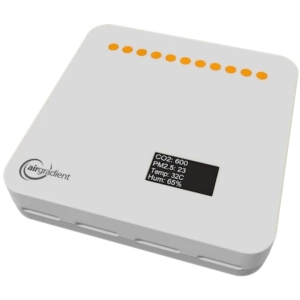
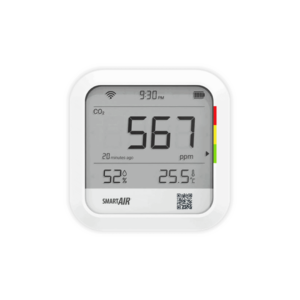
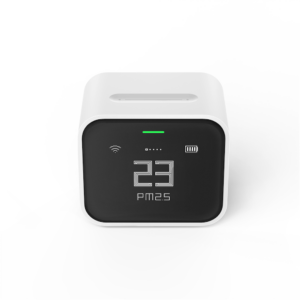
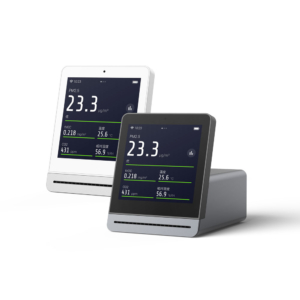
Use an air monitor to check your humidity and temperature levels. The CO2, QP Lite and QP Pro air quality monitors all have temperature and humidity sensors as standard. With the phone app, you can set alerts on any sensor to let you know when levels are too high/low


2. Air purifiers
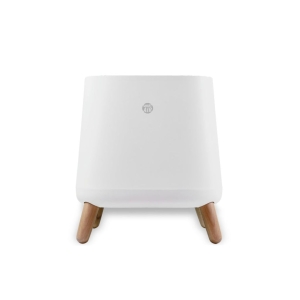
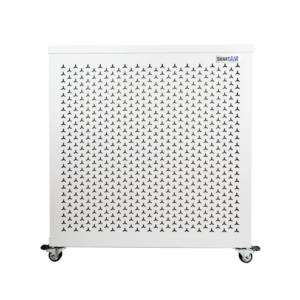
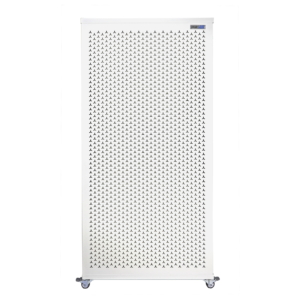
Mould spores are in the air outside, entering our homes through windows, doors, air ducts, etc and can even be brought indoors by us. Mould forms when tiny spores floating in the air land on a damp surface. These particles are so small they cannot be seen with the naked eye. Air purifiers with HEPA filters can capture these spores in the air before they land on a damp surface and start to grow.
To find a HEPA air purifier for mould spore removal, there are a few things to know. Ignore the marketing hype and avoid buying purifiers with add-ons such as ionisers and UV lights that can make your air worse. A HEPA filter is all that is needed for removing mould spores and other allergens from the air. There is also no correlation between an air purifier’s price and effectiveness. You simply need to just make sure the air purifier is strong enough for the room it will be used in.
3. Dehumidifiers
The tips above will help you reduce moisture in your home. As an optional step, you might choose to also invest in a dehumidifier which will mechanically remove moisture from the air within that room. Most dehumidifiers have a built in humidistat but be mindful that this will capture the relative humidity in that particular part of the room. It may be more useful for you to have an independent air quality monitor in the coldest part of the room rather than relying on a built-in sensor that will only monitor the space where you happen to a socket.
Tools and tips are great at preventing mould, but what if you already have mould?
The tools listed above will reduce airborne mould but cannot remove surface mould. If the source of the mould is a leak, this will need to be fixed first. If the mould is widespread and is impacting your health, you may need to call in a mould specialist as they will have tools such as air scrubbers (different to air purifiers as these create negative pressure environments to remove the mould spores).
To clear mould from surfaces, it is often recommended to use a bleach based product but if the surface is non-porous, bleach (and natural alternatives) will only remove the top level mould and not kill the roots which could result in a return of mould. If the surface is non-porous, we recommend trying non-chemical alternatives such as vinegar, tea-tree, baking soda or grapefruit seed extract.
After clearing the surface of mould, you may need to turn up the heating or use oscillating fans to dry the damp surface. Once dry, use the tips and tools above to prevent damp from returning.
For more tips and details on how to use natural alternatives, Ashfield Council has a great resource page aimed at tenants. Some of this content was sourced from this page.

