
As the temperatures dip, most of us spend more time indoors, cosying up to stay warm. But did you know that indoor air quality often worsens during colder months? With windows shut tight to keep out the cold, indoor pollutants can quickly build up, leading to air that may be up to five times more polluted than what’s outside!
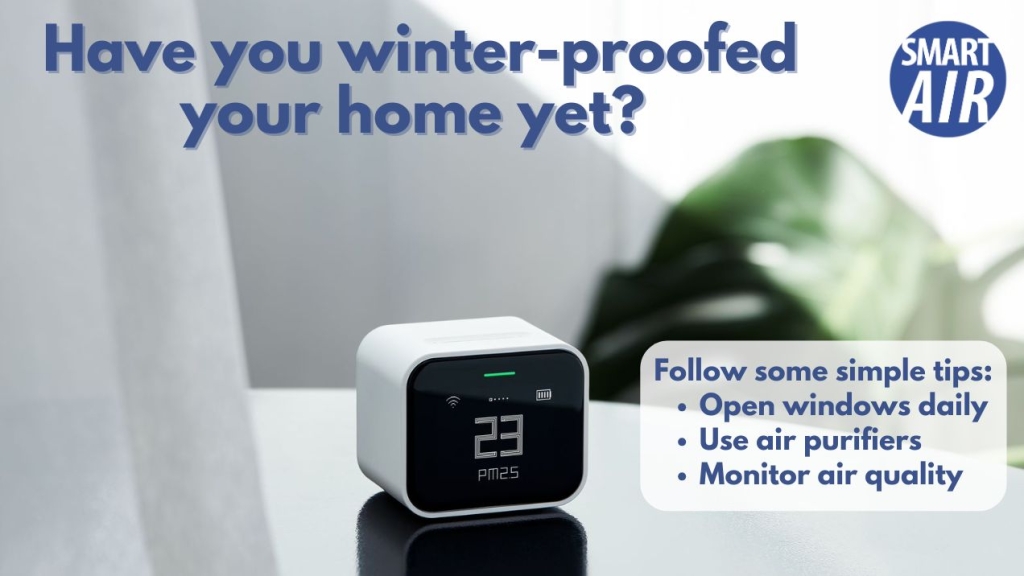
In this blog, we’ll share some practical tips to maintain clean air in your home during the winter.
1. Regularly ventilate, even on cold days
When it's cold outside, it's tempting to keep everything tightly sealed, but without ventilation, indoor air can get stale. Dust, mould spores, CO₂, and harmful VOCs build up, affecting air quality. Instead of keeping the windows cracked open for long periods, try opening them wide for just 2-3 minutes two or three times a day. This allows the air to exchange quickly, pushing out the stale air without cooling down the walls and floors. Once you close the windows, you’ll only need to warm up the indoor air again, keeping things comfortable and fresh even in the winter.

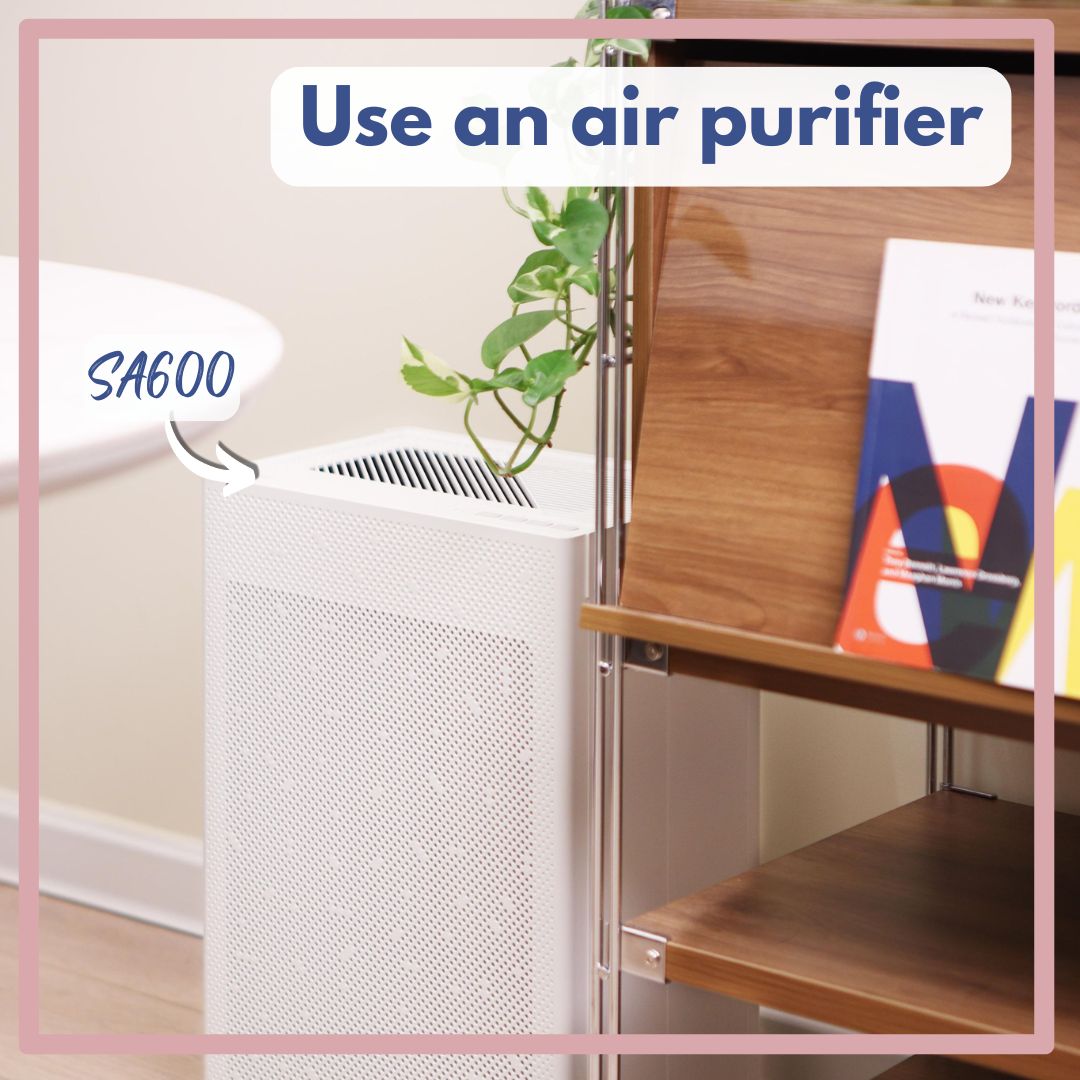
2. Use an air purifier to capture harmful pollutants
With doors and windows often closed, winter is an ideal time to use an air purifier. Air purifiers with HEPA filters are particularly effective at trapping fine particles, allergens, and even some viruses. HEPA filters can capture small particles, remove pollen, dust mites, pet dander, and smoke particles from the air. Having an air purifier running during winter not only improves your indoor air quality but can also ease symptoms for anyone in the home with respiratory conditions, such as asthma or allergies
3. Monitor your indoor air quality
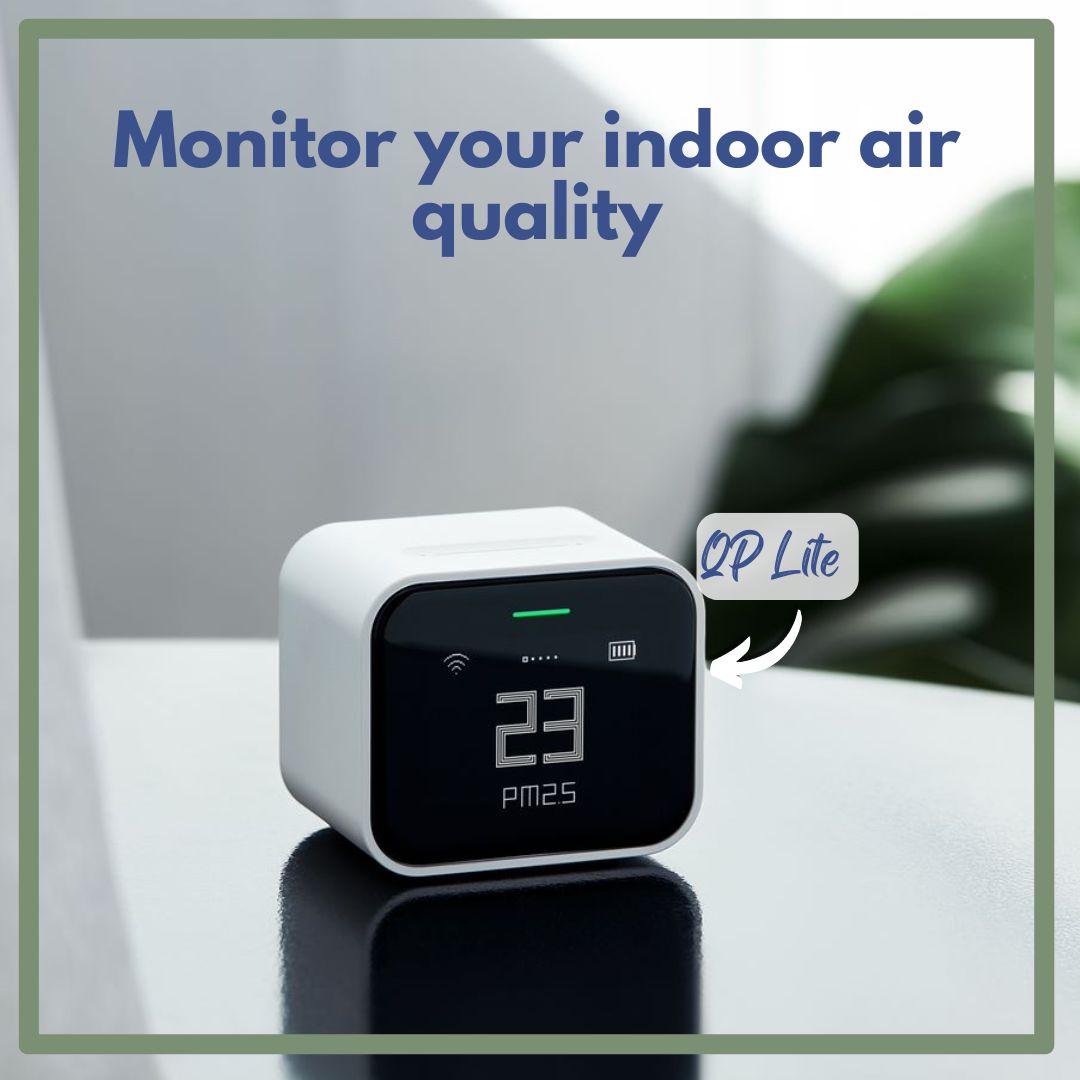
While it’s easy to assume the air is clean, indoor air pollution is often invisible. Activities like cooking release pollutants, including particles and VOCs, into the air. Our blog on how pollutants are created in the kitchen delves into the risks associated with everyday cooking.
Additionally, when multiple people are in the same space, CO₂ levels can quickly rise, impacting air quality and potentially leading to stuffiness or fatigue. Air quality monitors can detect particles, VOCs, and CO₂ levels, giving you real-time insights into your indoor air. Smart Air UK’s air quality monitors can help you identify peak pollution times, such as after cooking or during gatherings, so you can ventilate more efficiently and use your air purifier at the most effective times.
4. Choose cleaning products wisely
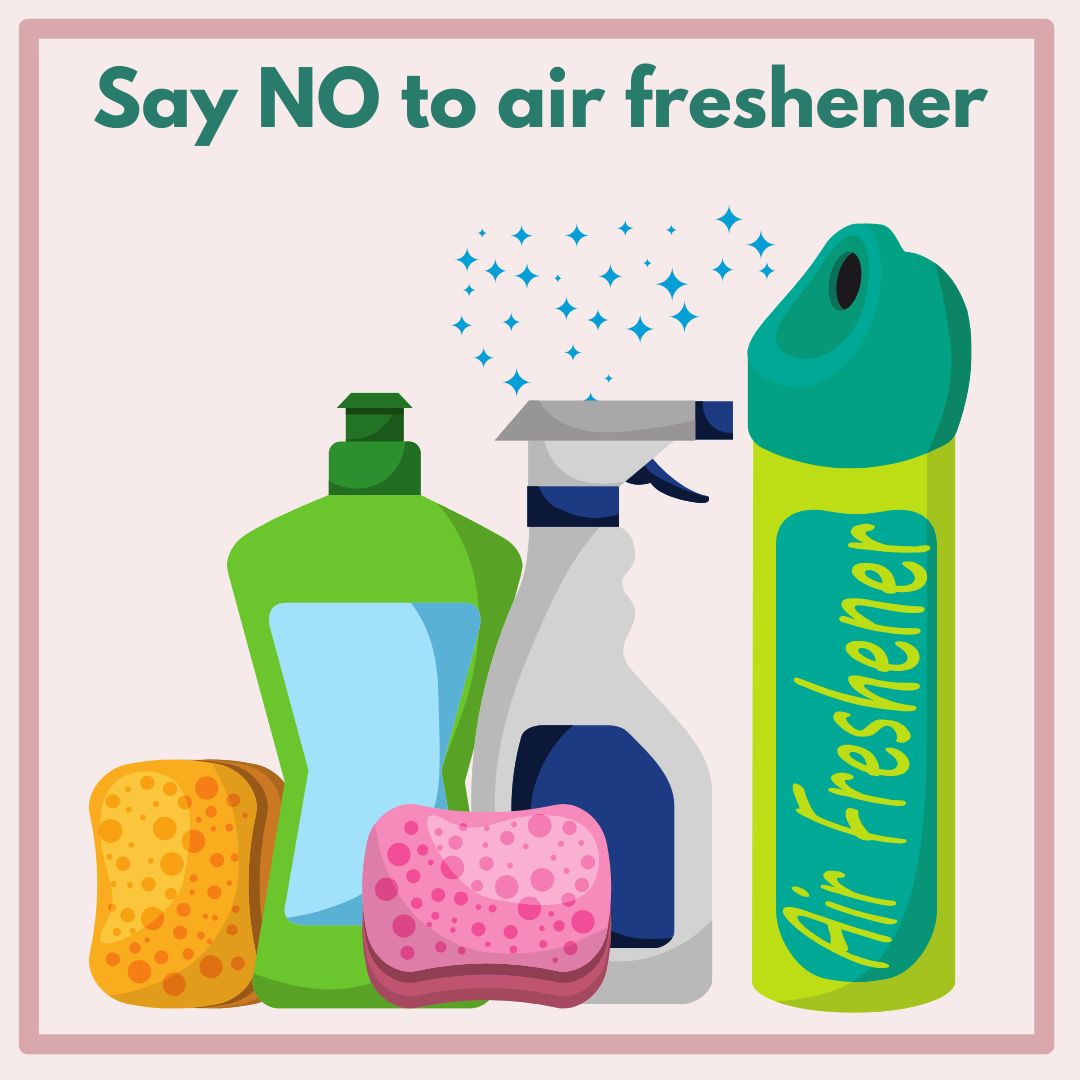
In winter, when windows stay shut and rooms can get that musty smell, it’s tempting to reach for air fresheners. But did you know that air fresheners, and cleaning products, can release VOCs that linger in your indoor air? Instead of masking smells with more chemicals, try cracking a window if you can, popping on a mask, and using an air purifier to keep your space fresh and clean—without the hidden risks.
Cleaning products can release VOCs, which can linger in the air, especially in winter when ventilation is limited. When you do need to use stronger chemicals, open a window if possible, mask up and run an air purifier to help capture lingering particles and odours.
5. Manage humidity levels
Winter air is colder, which tends to dry up and can irritate respiratory passages. While too little humidity isn’t ideal, excess humidity leads to formation of mould and dust mites, both of which can aggravate allergies and asthma. Try to keep indoor humidity levels between 40-60%. If your home’s air gets too dry, consider using a humidifier. An air purifier can also be particularly useful for homes that struggle with excess moisture, as it can trap airborne spores and other particles that thrive in humid environments.
6. Reduce indoor pollutants
Daily activities such as cooking, burning candles, or using fireplaces can release fine particles and VOCs. When cooking, use an extractor fan or open a window to minimise the amount of smoke and grease particles that linger in the air. And while a fireplace adds warmth and charm, it also emits smoke and particles that can affect indoor air quality. Running an air purifier nearby can help mitigate this.
7. Keep an eye on dust and pet dander
Dust and pet dander tend to accumulate quickly when the house is shut tight against the cold. Regular dusting, vacuuming with a HEPA filter, and washing pet bedding can help reduce these allergens. For households with pets, an air purifier can be a game-changer, keeping dander levels down and reducing the need for constant cleaning.

Why Choose Smart Air?
Smart Air’s air purifiers and air quality monitors are designed to help you maintain a healthier home environment. Our purifiers use simply HEPA filters to remove airborne contaminants effectively, while our air quality monitors give you valuable insights into your indoor air, so you know exactly when to ventilate or run the air purifier. By investing in our products, you’re taking a proactive step toward healthier indoor air, reducing pollutants, and creating a more comfortable home for everyone.
By ventilating regularly, using quality air purification and monitoring systems, and reducing indoor pollutants, you can create a cleaner, healthier home environment—even with the windows shut. Embrace a fresher winter season with Smart Air UK’s air purifiers and monitors, and breathe easier all season long.

