
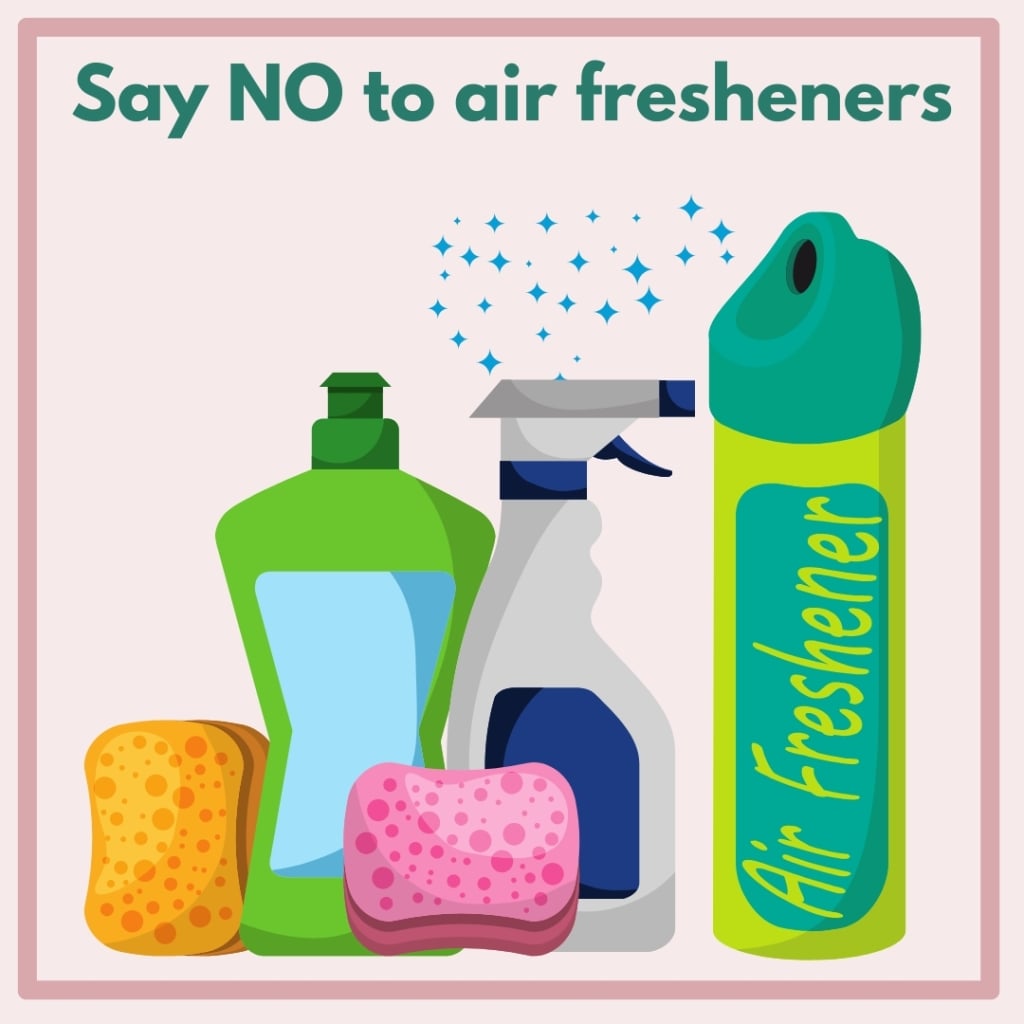
We use air fresheners to mask or remove unpleasant odours but did you know that using air fresheners can lead to poor indoor air quality?
- Air fresheners often emit volatile organic compounds (VOCs) like formaldehyde, acetaldehyde, benzene, toluene, ethylbenzene, and xylenes.
- These VOCs can cause eyes, nose, and throat irritation, as well as cause headaches and nausea.
- VOCs can interact with naturally-occurring indoor air compounds, such as ozone, to create secondary harmful compounds such as formaldehyde.
Health risks from air fresheners
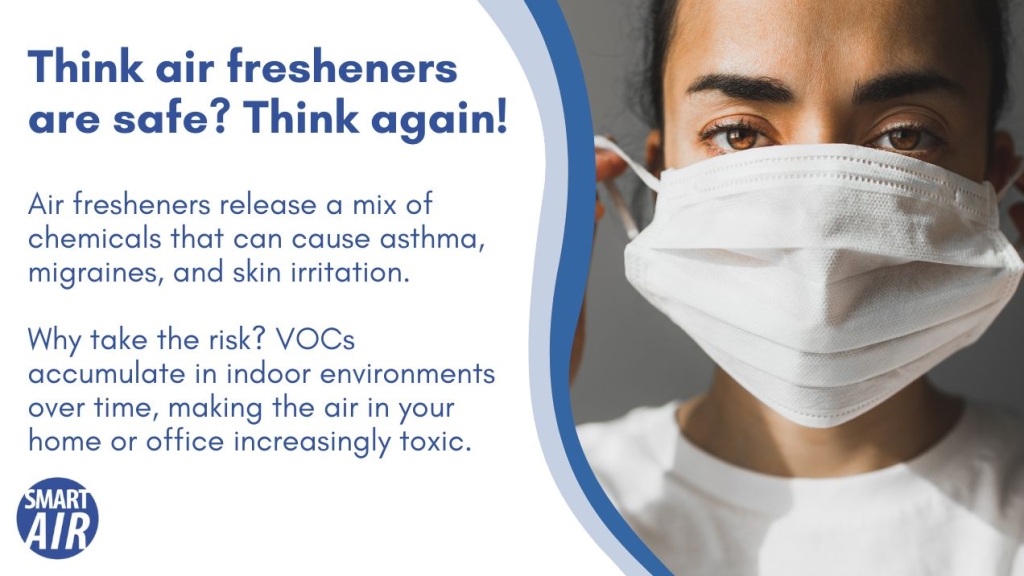
Air fresheners release a mix of chemicals that can cause asthma, migraines, and skin irritation. Those most at risk include children, the elderly, and people with respiratory issues. Why take the risk? VOCs accumulate in indoor environments over time, making the air in your home or office increasingly toxic.
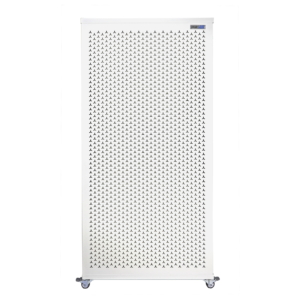
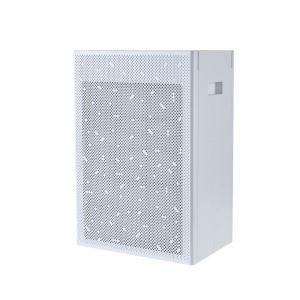
Invest in Clean Air with Smart Air’s range of clean air tools.
UK regulations on air fresheners
In the UK, chemicals in products like air fresheners are regulated by the REACH legislation, which requires manufacturers to disclose hazards and limit harmful substances. However, enforcement is often weak, and many air freshener ingredients remain undisclosed. Even "green" or "natural" products may still release harmful chemicals.
Don’t be misled by labels. Choose air purifiers to filter the air and remove odours.
Are you unknowingly polluting your indoor air? Contact us to learn about clean air solutions today.
Air fresheners may offer short-term comfort, but they pose long-term health risks. While UK regulations provide some protection, transparency and enforcement remain issues. Take control of your indoor air quality needs today! Choose natural ventilation, indoor plants and air purifiers to keep your indoor spaces clean and safe.

