Whether you are clinically vulnerable, Covid aware/cautious, or just someone who recognises the value of clean air in indoor spaces, you are most likely aware that healthcare settings often lack proper ventilation and filtration options. This can be due to many reasons, namely:
- Lack of awareness of CO2 and PM levels
- Inability to open windows or doors due to patient confidentiality
- Air purifiers might be present but are switched off due to excessive noise
If you are a patient of a GP practice that doesn't use air filtration, we’d like to help you get in touch with them and advocate for cleaner air. Whether you are looking for an email template, some more research sources to back up your claims, or information on how quiet our units are, we hope you’ll be able to find all that you need.
We created an email template which includes links to further information. Do feel free to adapt and take what you want from this, it is just a starting point. If you have any success or feedback, do share this with us.
We also have a page targeting GPs if you want to create your own letter:

It's not just GP surgeries, we have pages for all areas of healthcare including Dentists, Vets, Hospitals etc. If you are looking for evidence, we have some on this blog: https://smartairfilters.com/uk/blog/purifier-evidence/
Email template for GP surgeries
Hi there,
I am a patient registered with your practice and I’m getting in touch with you to advocate for 'filtered' air in your surgery. Why?
We spend the majority of our time indoors, breathing in air that can be up to 5 times more polluted than the air outdoors.
Cleaner/filtered indoor air is essential for our health and wellbeing, offering relief to asthma and allergies sufferers and reducing disease transmission which can be especially high in surgeries. It's not just waiting areas, this is equally important in clinical rooms with windows closed and limited airflow.
Ventilation alone will not lower the infection burden
Although you may think your practice is already ventilated, airborne pathogens can linger in the air for hours after the infected person has left the room. This hospital-based research stated that the ventilation system delivered 6 air changes an hour (ACH) without testing it. This is unlikely to be accurate because after 4 hours, 99.99999% of particles should have been removed.
Without fresh or filtered air, the 'rebreathing' factor in a room can be high, resulting in staff and patients breathing air exhaled from someone else. This chart shows high levels of CO2 in an empty classroom (doors and windows closed) for hours after the last class, in fact it only went down when the outside door was opened.
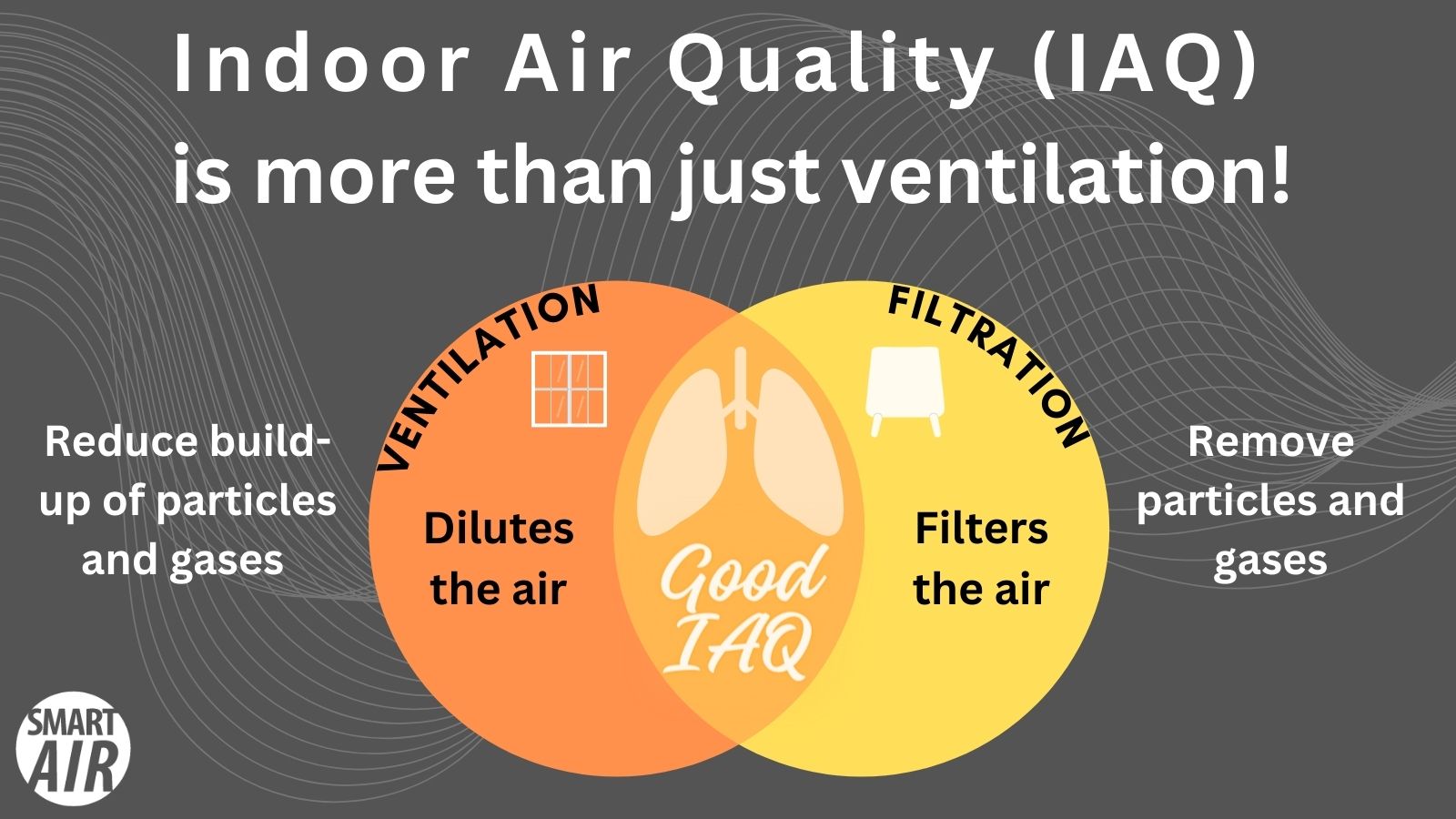
Given that ventilation systems can only dilute the air and not remove particles (including pathogens), combining it with air purifiers to filter the air is the best solution for infection prevention and control.

Cleaner, filtered, air in a medical setting will be welcomed by staff and patients, especially those who are hesitant to access (or work in) healthcare due to a risk of picking up a virus in an enclosed indoor setting.
Since I am aware that noise and price may be reasons why GPs will say no to air purifiers, I’d like to recommend the brand Smart Air UK (www.smartair.uk). They are a social enterprise and the only certified B-Corporation dedicated to protecting people from the harms of indoor air pollution. Their powerful, yet affordable, units are amongst the quietest commercial air cleaners in the market and noise must be considered as we hear too many stories about them being switched off or turned down - turning down will, of course, deliver less filtered air.
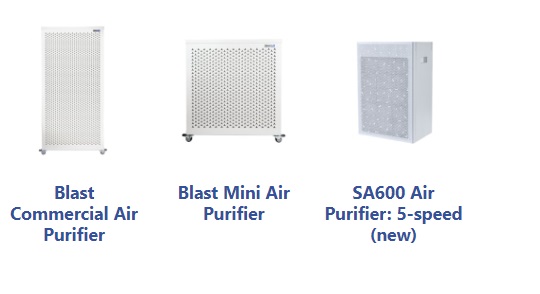
A GP practice near Manchester recently installed 24 of Smart Air's Blast Mini air cleaners across the entire surgery at a cost of only 40p per patient! Looking at a typical consulting room size of 12m², GPs (and patients) in this practice are benefiting from 15.6 air changes an hour on top of what is being delivered by the ventilation system. This calculation is based on running at speed 2 at noise levels of just 43dBA.
Independent review site, HouseFresh, recently wrote that Smart Air’s Blast Mini outperformed all 73 air cleaners tested!
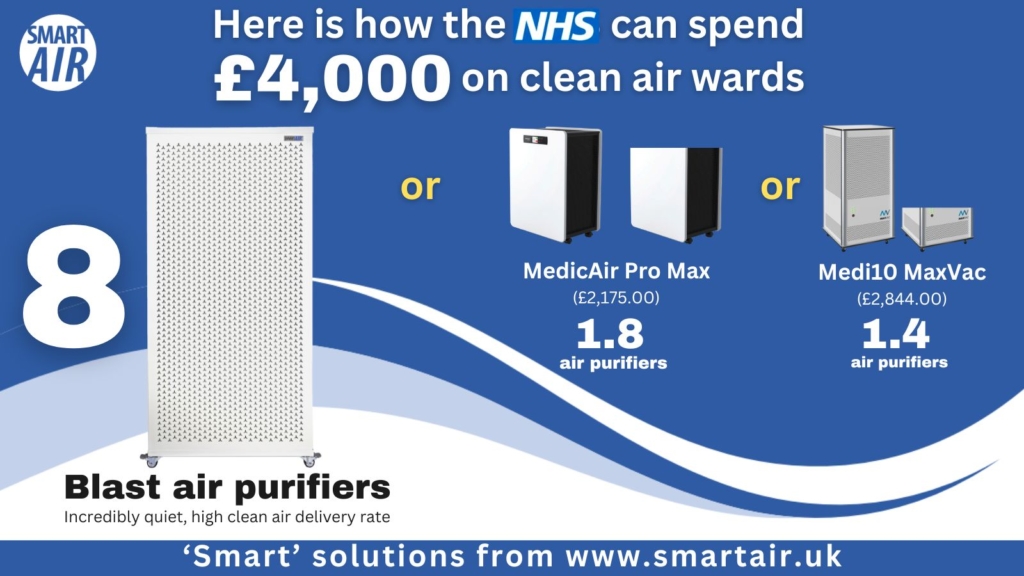
You can calculate the 'per patient' cost for your practice by dividing the cost of purchasing portable air cleaners for all rooms, by the number of registered patients in your practice. Or you get in touch with Smart Air UK as they can help you work the best solution for you.
As a final thought, I would love my GP practice to be a clean air hub. To me, this means not just to communicating with patients the health impacts of poor air quality, but to lead by example with cleaner, filtered air and making the surgery an inclusive space for all.
Thank you for taking the time to read my concerns, have a wonderful day.