In 2023, a study looked data on air quality, including allergen types, in the Paris region and at the Olympic venues in preparation for the 2024 Olympic and Paralympic Games. The desired result was to help participants take appropriate preventive measures to protect their health and optimise their performance. The focus was on outdoor air quality.
Fast forward to July 2024, four years into the pandemic with infection rates at high levels. It's hardly surprising that despite rigorous safety measures, the Paris 2024 Olympics are seeing a notable infection rate among participants. Let's break down why this is happening and what can be done to prevent it.
Why are infection rates high at the Olympics?
- High density: Thousands of athletes and staff are in close proximity, making it easier for the virus to spread.
- International travel: Participants from around the world bring various COVID-19 strains with them.
- Indoor events: Some competitions are held indoors, where the virus spreads more easily.
Why are athletes more susceptible?
Intense training: Athletes undergo heavy physical exertion, which can weaken the immune system. This "open window" of immune suppression happens right after intense exercise, making them more vulnerable to infections like upper respiratory tract infections (URTIs).
Mental stress: The pressure to perform well adds mental stress and anxiety, further suppressing the immune function.
Close contact: Athletes often stay in shared living quarters and train in crowded venues, increasing the risk of viral transmission.
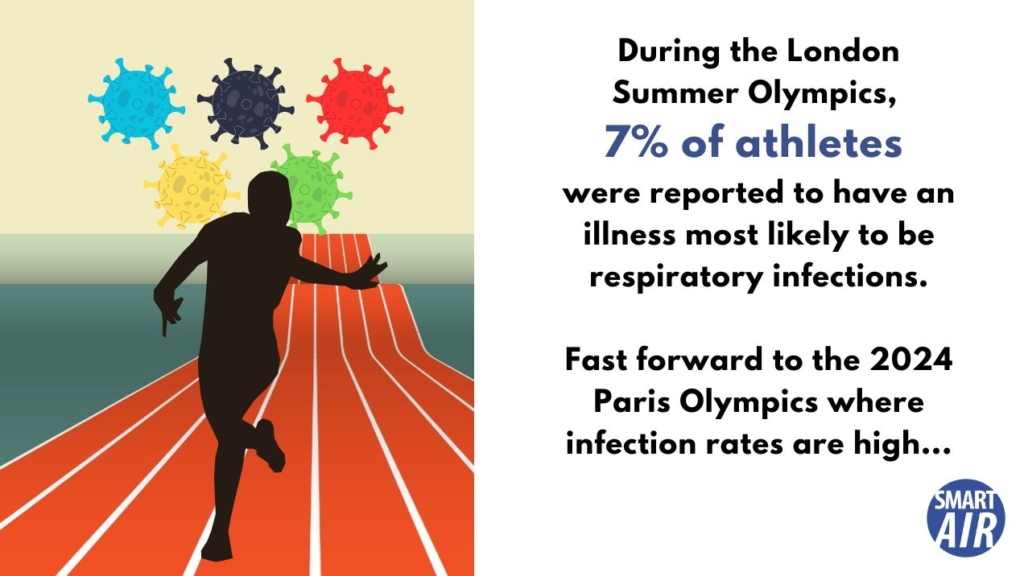
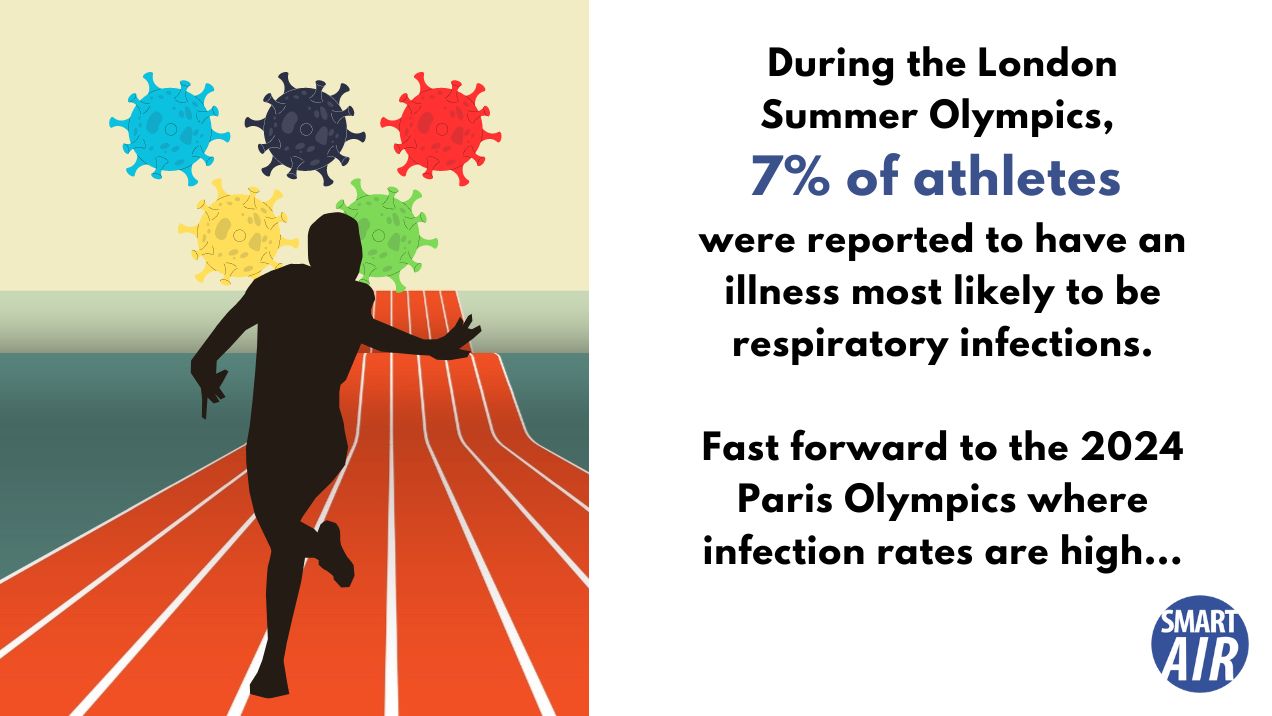
It is worth noting that at the London Summer Olympics, 7% of athletes reported respiratory illnesses and this was pre-pandemic!
Prevention measures
To reduce the risk of infections, several strategies can be implemented:
- Vaccination: Ensure high vaccination rates among participants.
- Testing: Conduct frequent tests to quickly identify and isolate cases.
- Masks and Bubbles: Wear masks when not competing and stay in delegation bubbles to minimise contact
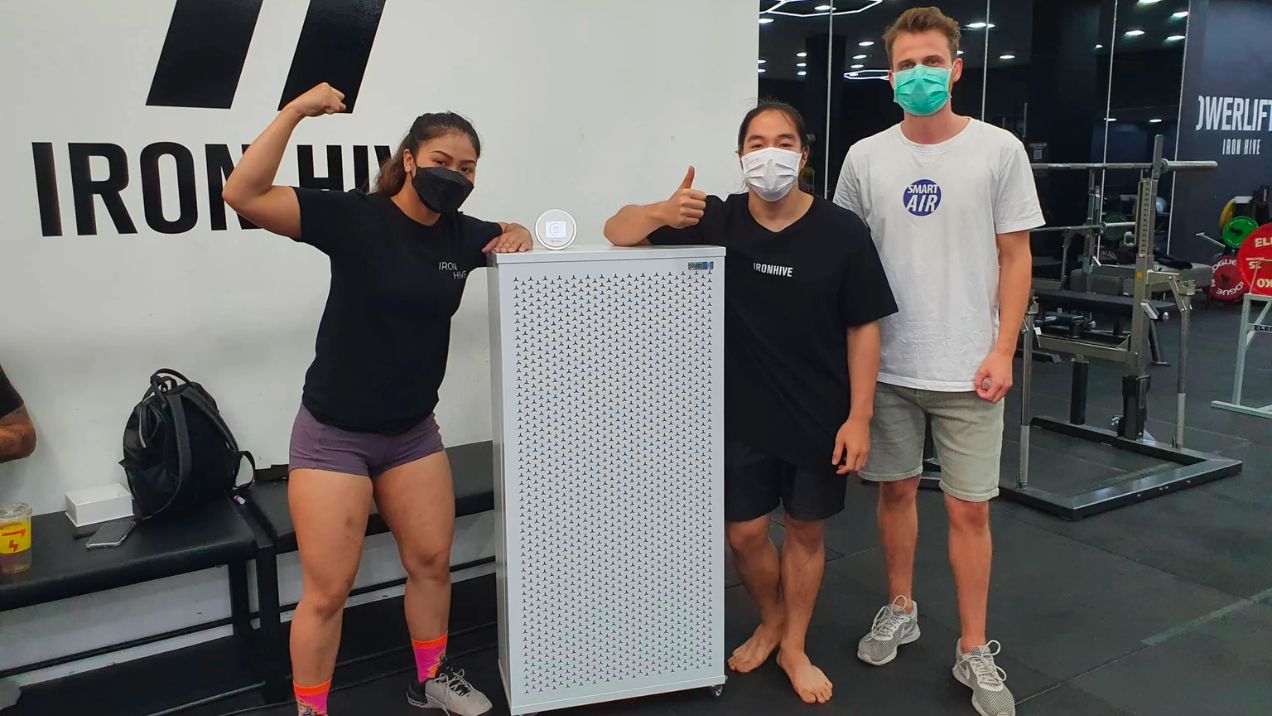
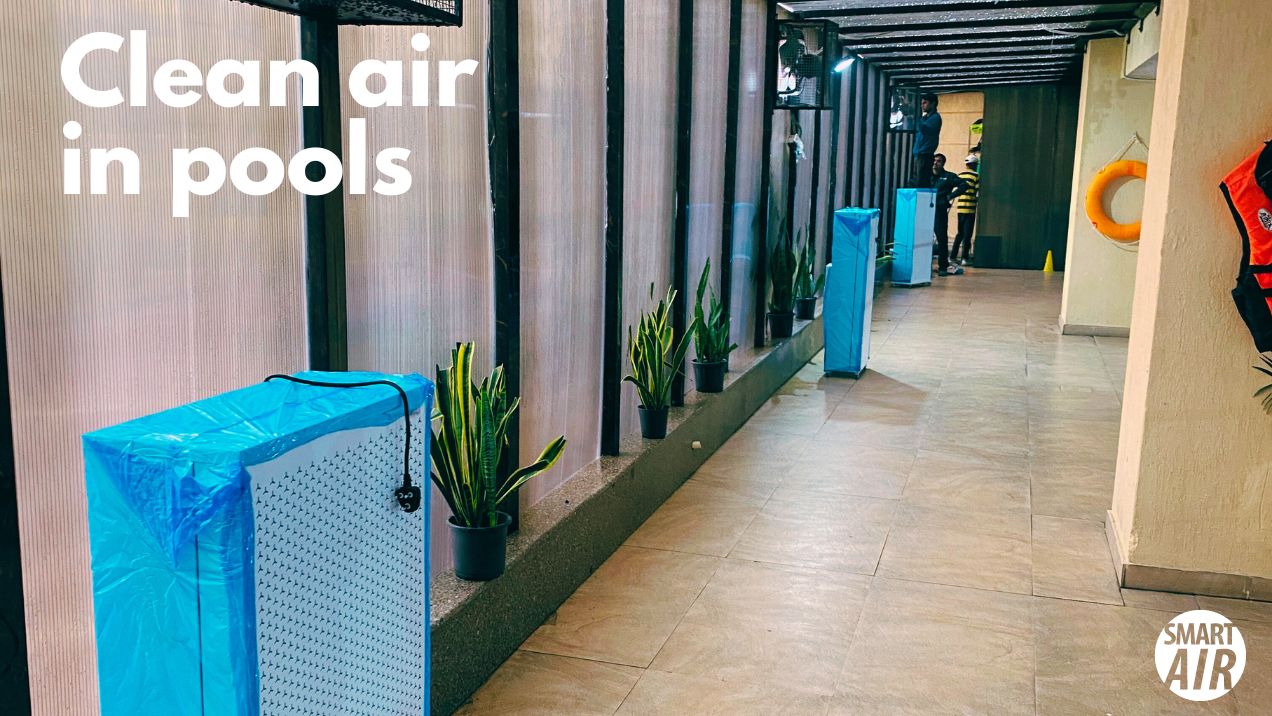
- Air purification: Use air filtration systems to enhance mechanical ventilation and air mixing, and to reduce airborne virus spread.
The case for air purifiers
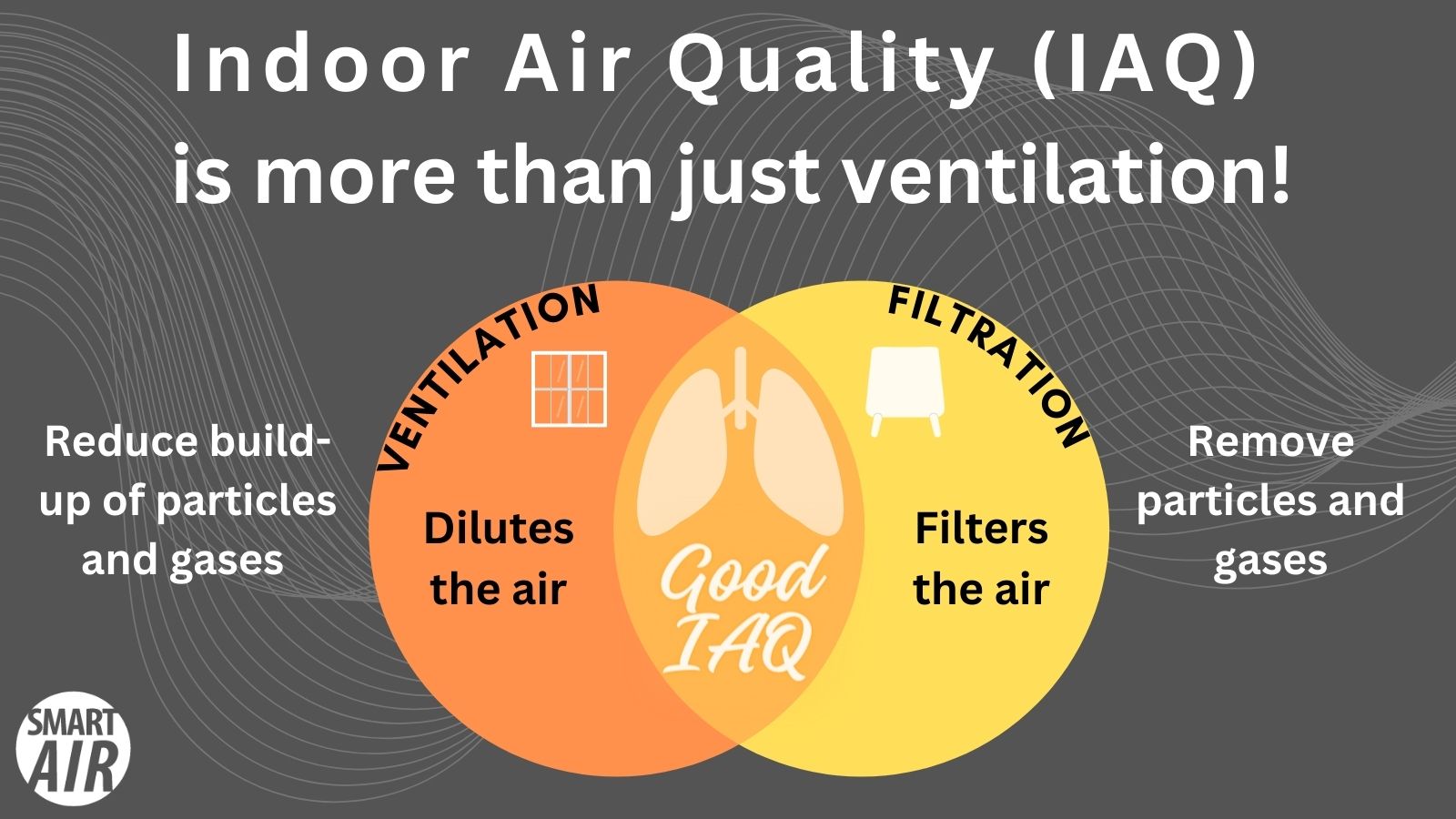
Mechanical ventilation alone is not enough to lower the infection load. Ventilation dilutes airborne particles (including viruses) but it doesn't remove it. Where ceilings are high, there might not be enough air mixing at breathing levels. Studies show that combining ventilation and filtration is the best solution for improving indoor air quality.
- Living quarters should have air purifiers protecting athletes in high density living quarters
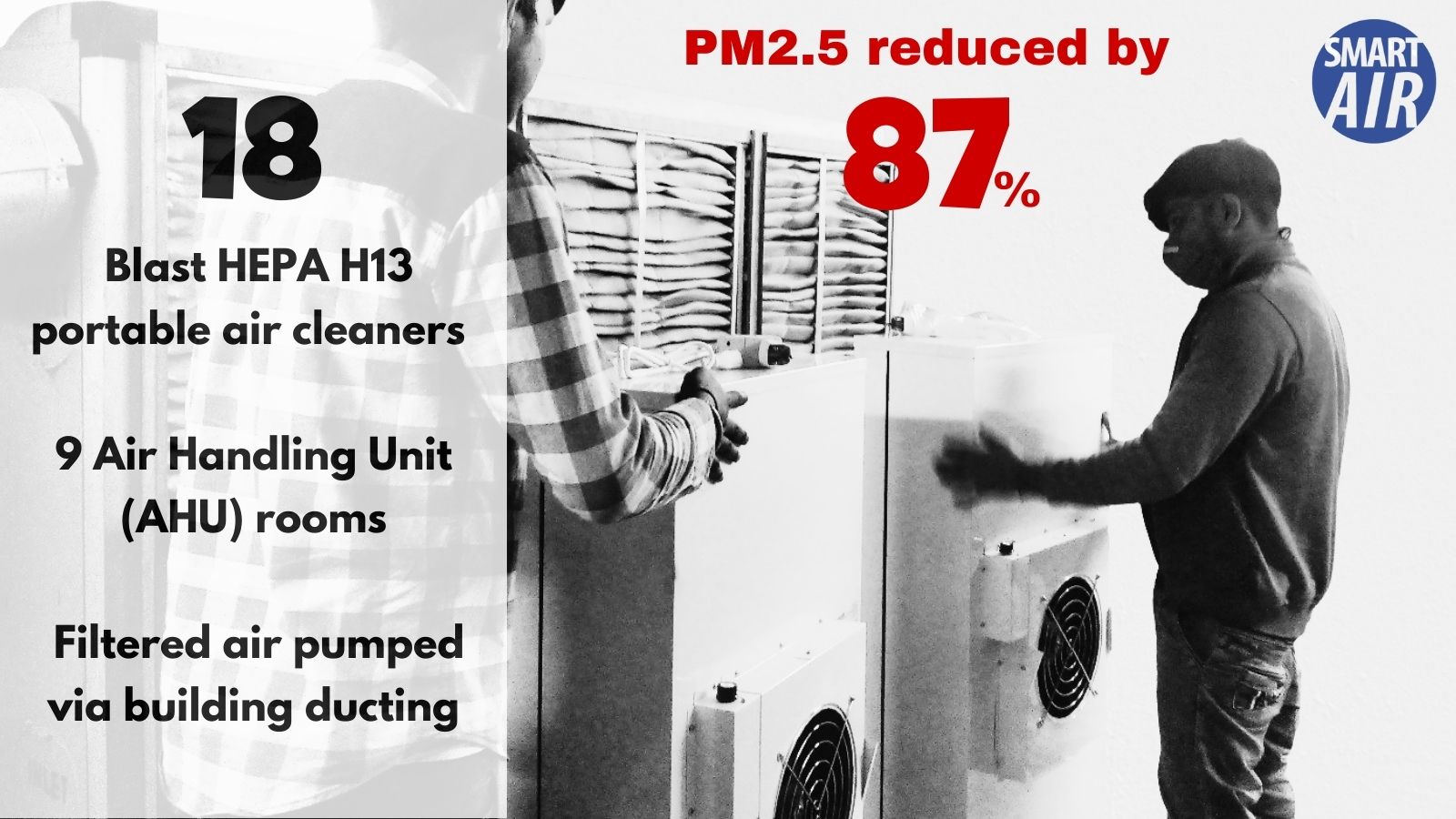
- Air purifiers can be installed in ventilation rooms with Air Handling Units. This can ensure that filtered air is being pushed through the building ducts
- Rather than use fans for air-mixing, mounting powerful air purifiers on the wall can provide the double benefit of airflow and filtered air
The combination of intense physical activity, psychological stress, and high exposure to potential pathogens makes athletes particularly susceptible to infections like COVID-19 during major sporting events. This is a concern without even factoring high community infection rates.
Sporting venues and major events committees are absolutely right to look at outdoor air quality but we need to put equal emphasis on indoor air quality to keep infection rates under control and ensure the safety of everyone involved.