Sports facilities provide essential spaces for physical activity, training, and competition. Ensuring these environments are healthy and comfortable is critical for the well-being and performance of athletes, staff, and spectators. This blog explores the importance of indoor air quality (IAQ) in sports facilities, the challenges faced, and how air purifiers can contribute to a healthier atmosphere.
Understanding the unique environment in sports centres
- High occupancy and activity levels: Sports facilities often host large groups of people and high-intensity activities, leading to increased emissions of CO2, VOCs, and particulate matter (PM). Poor IAQ can lead to respiratory issues, allergic reactions, and reduced athletic performance
- Use of cleaning and disinfectant chemicals: The frequent use of cleaning and disinfectant chemicals can introduce VOCs into the air, impacting IAQ.
- Ventilation requirements: Many sports facilities rely on outdated or insufficient ventilation systems. Mechanical ventilation often shows increased concentrations of PM10, while natural ventilation can lead to higher bacterial levels due to inadequate air exchange.
- Humidity control: Activities such as swimming, showers, and intense workouts can increase indoor humidity, promoting the growth of mould and mildew.
To address these challenges, several strategies can be employed:
- Effective ventilation systems: Ventilation systems should be designed to handle high occupancy and activity levels, ensuring a continuous supply of fresh air.
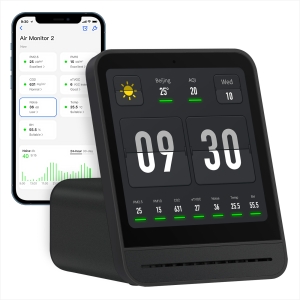
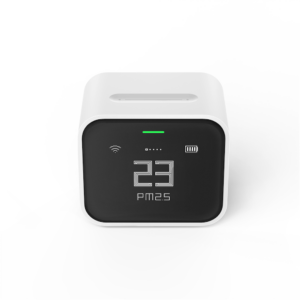
- Regular monitoring and maintenance: Regular monitoring of air quality and maintaining HVAC systems is crucial to ensure they operate effectively. This includes checking for CO2 levels, humidity, and the presence of VOCs and particulate matter.
- Use of low-emission materials: Selecting low-emission building materials, furnishings, and cleaning products can help reduce the introduction of VOCs into the indoor environment.
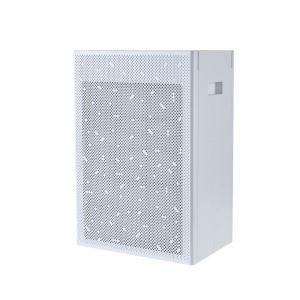
- Air purifiers: The use of air purifiers with HEPA and activated carbon filters, can significantly improve IAQ. Air purifiers can capture a wide range of pollutants, including VOCs, PM2.5, and microbial contaminants, thus enhancing the overall air quality within sports facilities.
You can read more about this in (A review on indoor environmental quality in sports facilities: Indoor air quality and ventilation during a pandemic).
HEPA filtration can reduce indoor particle concentration substantially
- 18 Blast units set up in 9 Air Handling Unit (AHU) rooms to deliver filtered air across the building via ducting resulted in 87% particle reduction
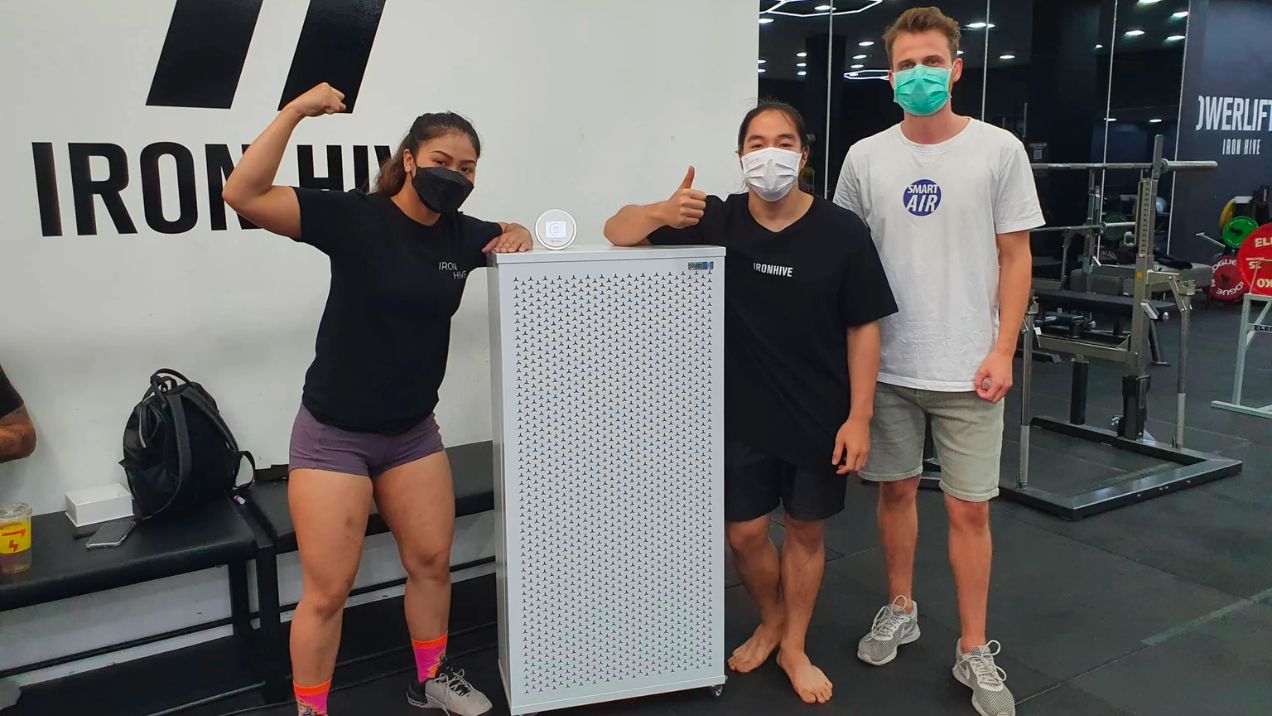
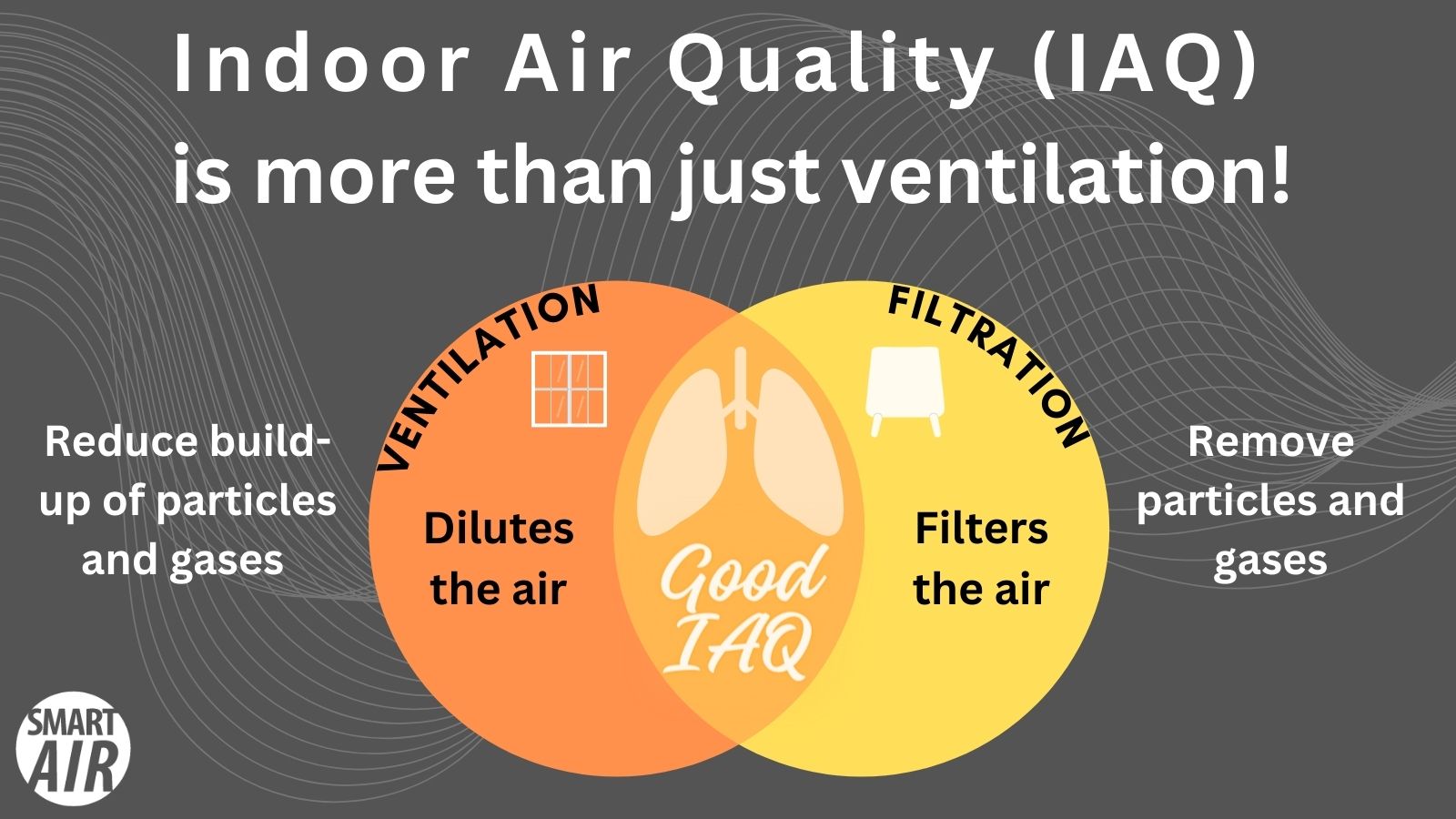
- Combining ventilation and filtration in a gym can reduce particle concentration to 80-90%
- Choosing Smart Air can lead to cost savings of more than 75%
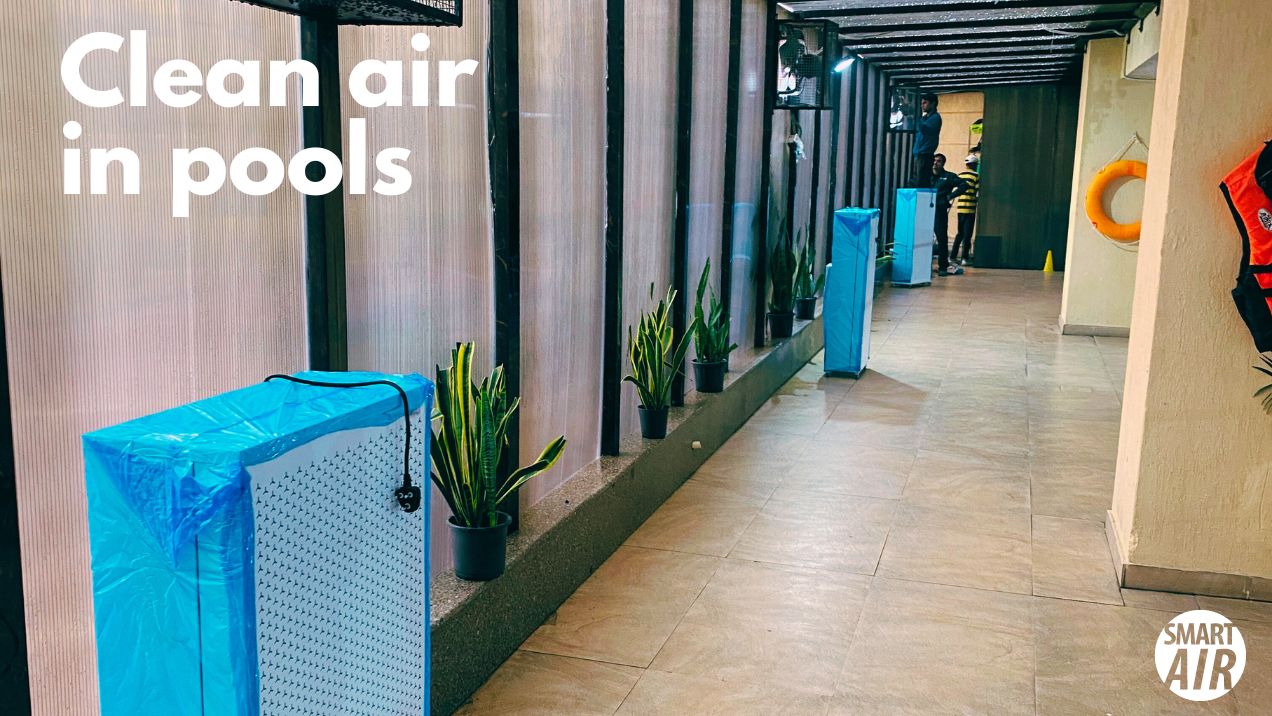
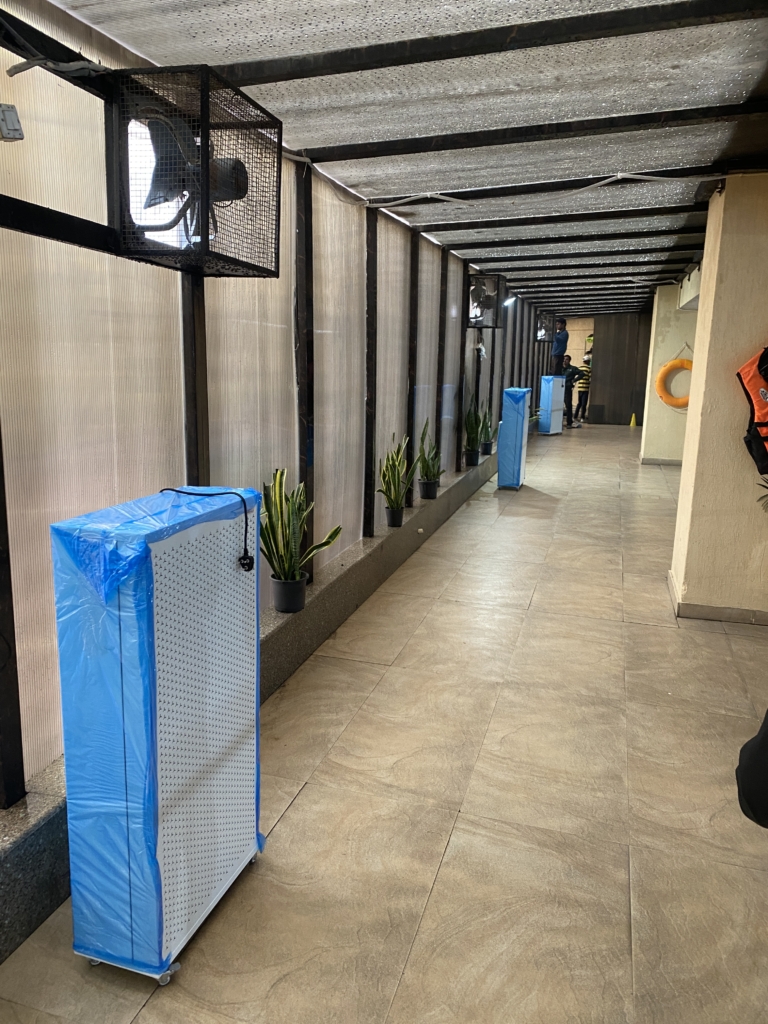
- High performance air purifiers reduces particles in swimming pools (see case study)
Case study: School swimming pool
Smart Air India carried out an air quality audit, taking into consideration the humidity control exhaust fans. Here's the low-down:
- Total area of 5000 sq ft
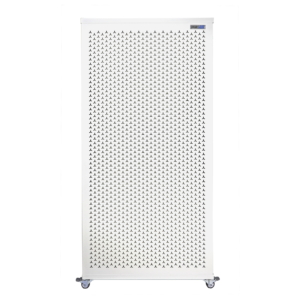
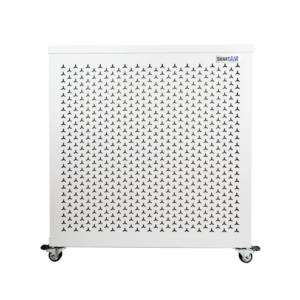
- 5 Blast portable air cleaners were deployed
- PM 2.5 before: 230-250
- PM 2.5 after 30 minutes: 60-70
By installing air cleaners ...
73% reduction in particle pollution after 30 mins
Clean air tools for sports and leisure centres
Clean air in swimming pools is vital for the health and well-being of swimmers and staff. Despite the challenges posed by chlorinated chemicals, high humidity, and microbial pollutants, effective solutions are available. Combining ventilation and filtration with proper water quality management can create a safer and more enjoyable swimming experience.