To provide the best experiences, we use technologies like cookies to store and/or access device information. Consenting to these technologies will allow us to process data such as browsing behavior or unique IDs on this site. Not consenting or withdrawing consent, may adversely affect certain features and functions.
The technical storage or access is strictly necessary for the legitimate purpose of enabling the use of a specific service explicitly requested by the subscriber or user, or for the sole purpose of carrying out the transmission of a communication over an electronic communications network.
The technical storage or access is necessary for the legitimate purpose of storing preferences that are not requested by the subscriber or user.
The technical storage or access that is used exclusively for statistical purposes.
The technical storage or access that is used exclusively for anonymous statistical purposes. Without a subpoena, voluntary compliance on the part of your Internet Service Provider, or additional records from a third party, information stored or retrieved for this purpose alone cannot usually be used to identify you.
The technical storage or access is required to create user profiles to send advertising, or to track the user on a website or across several websites for similar marketing purposes.






You are selling masks, so misleading claims would benefit your sales. Please understand your claims are taken with a grain of salt. Anyone with a modicum of sense would seek an independant source to validate this. Respirator masks of the highest level are the only masks that offer consistent noticeable protection against viruses is the consistent message given by research outside of mask vendors and government agencies
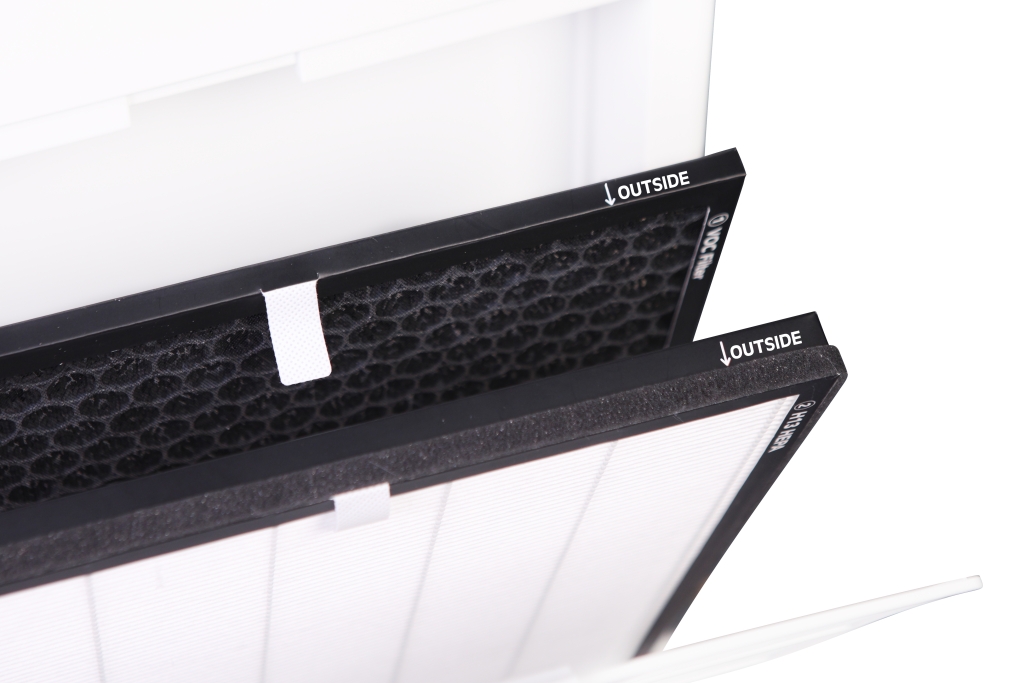
It looks like somebody got a decimal wrong on here! The Most Penetrating Particle Size is 0.3 microns, not 3.0 microns!
https://www.epa.gov/indoor-air-quality-iaq/what-hepa-filter
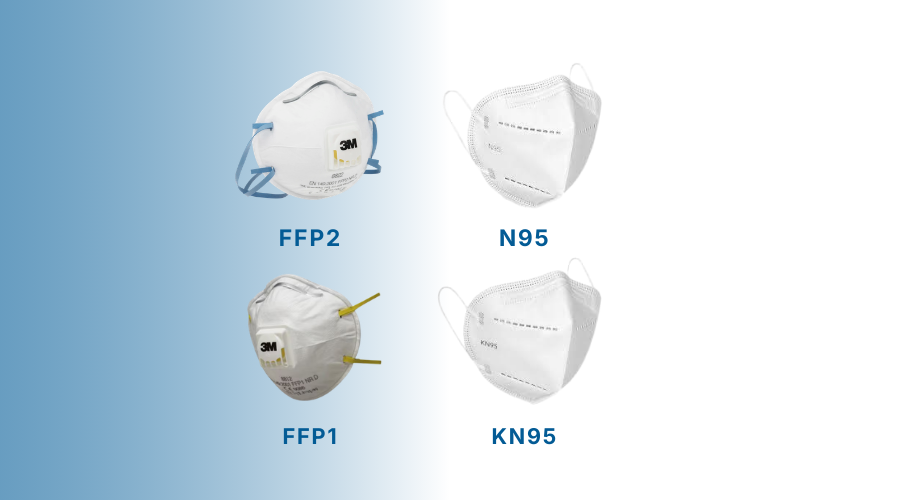
Filtration Efficiency: This refers to a mask’s ability to filter out particles, typically measured as a percentage. The higher the filtration efficiency, the better the mask is at trapping particles. Commonly used metrics include Particle Filtration Efficiency (PFE), Bacterial Filtration Efficiency (BFE), and Viral Filtration Efficiency (VFE). Higher-rated masks generally have higher filtration efficiency.
The effectiveness of different masks at preventing the spread of respiratory droplets and reducing the risk of exposure to the SARS-CoV-2 virus, which causes COVID-19, can vary based on the mask’s material, design, and fit.
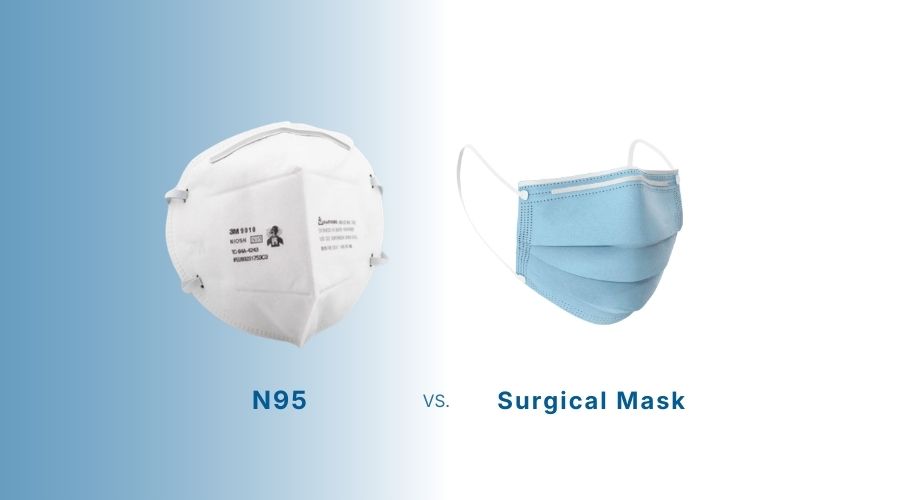
One commonly used rating system is the N95 rating, which is used by the National Institute for Occupational Safety and Health (NIOSH) in the United States. N95 masks are designed to filter out at least 95% of airborne particles, including those that are too small to be seen by the naked eye. They are considered to be highly effective in preventing the spread of respiratory viruses such as COVID-19.