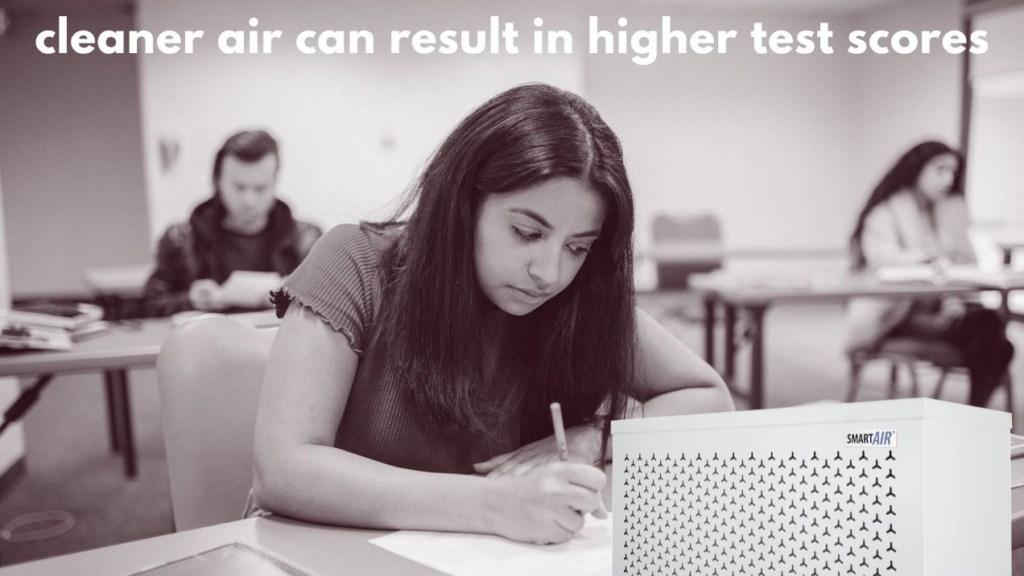
The word “inclusion” is used a lot but in a school or public setting, it is essential that we understand fully what being inclusive truly means. Ensuring good air quality indoors in educational settings is not just a passing trend or a luxury; it is a crucial aspect of creating inclusive and safe environments for all students.

Addressing common misconceptions
A common argument against investing in better air quality in schools is the notion that children are inevitably exposed to viruses and germs within the community making it difficult to pin-point where they pick it up from. This perspective can lead schools to prioritise other investments over air quality improvements.
However, this premise is flawed for two main reasons.
1. Reducing infections and enhancing recovery
- While achieving zero viral infections might be an ideal goal, especially when talking about Covid-19, the primary objective should be to reduce the number of infections and the viral load. When infection levels are high, the spread across the school can last a long time leading to prolonged absences as it works its way across each class. Each infection carries the risks of re-infections and risks of longer recovery times.
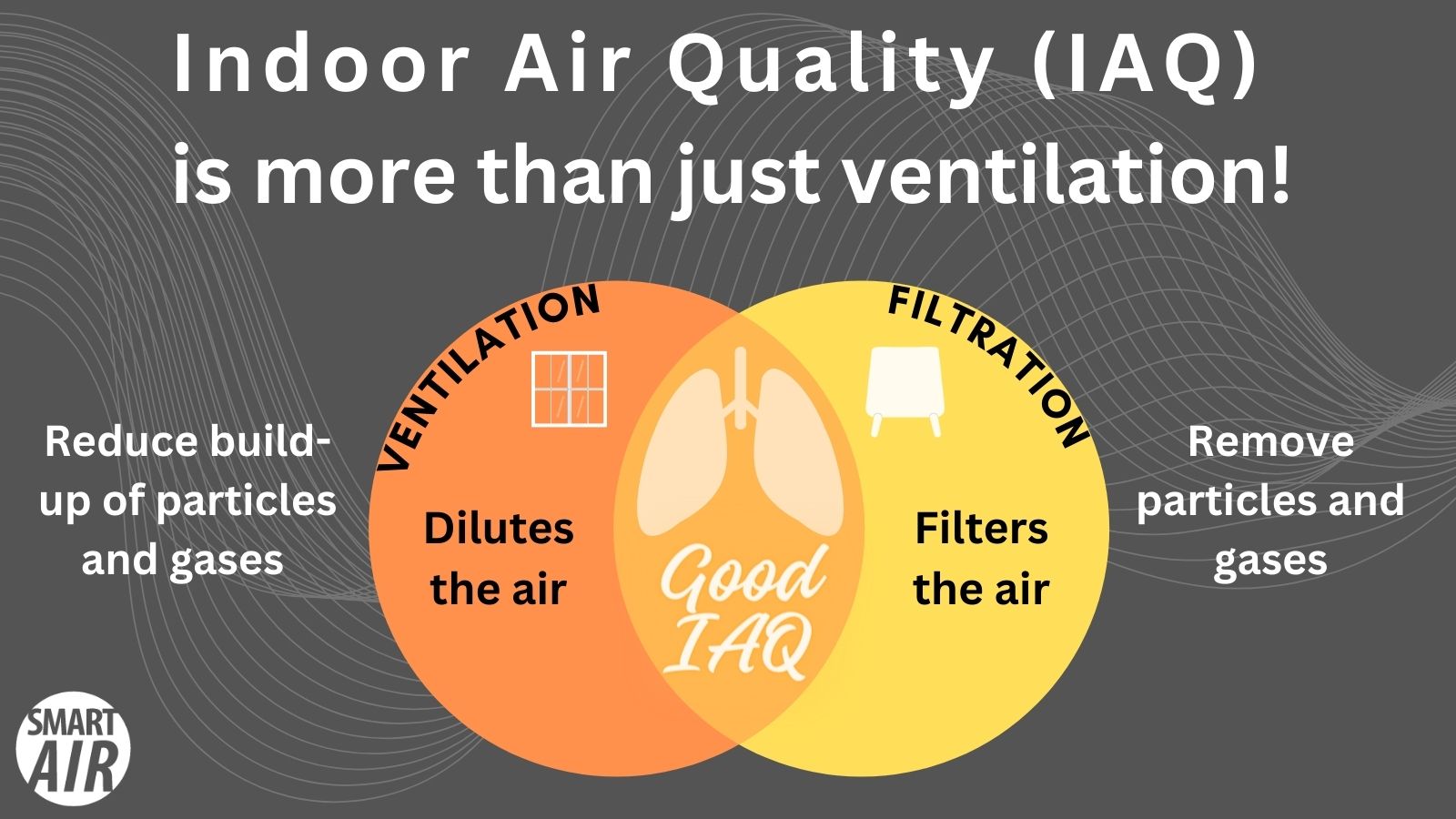
- There is substantial evidence supporting the effectiveness of HEPA filters combined with natural ventilation in achieving these outcomes and in significantly reducing airborne transmission risks in indoor environments. Lowering particles not only reduces absences from viruses, it also reduces allergens providing a safer environment for asthma and hay-fever sufferers.
2. The mandatory nature of school attendance
- Unlike extracurricular activities, attending school is mandatory for children. This means that while some children may avoid other environments where they might be exposed to viruses, they cannot avoid attending school. For clinically vulnerable children or those living in households with vulnerable individuals, this mandatory attendance poses a significant risk. Therefore, it becomes imperative to make the school environment as safe as possible to protect these children and ensure their inclusion.
Ensuring a truly inclusive environment
To create a genuinely inclusive environment, schools must prioritise clean air. This goes beyond merely following trends or adding costly enhancements; it is about ensuring that every child, regardless of their health status, can attend school without undue risk. Children go to school to learn, not to fall ill. When schools invest in high-quality air filtration and proper ventilation, they are not only improving air quality but also taking a crucial step toward inclusivity. It is a small investment that demonstrates a commitment to the health and well-being of all students (and teachers), ensuring that everyone has the opportunity to learn and thrive in a safe environment.
Practical steps for schools
Schools can take several practical steps to improve indoor air quality:
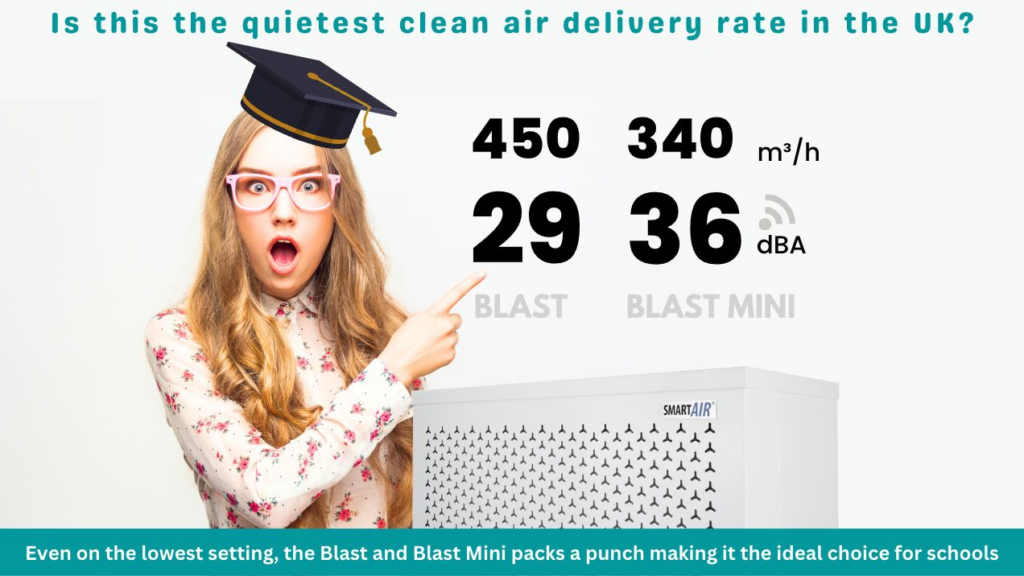
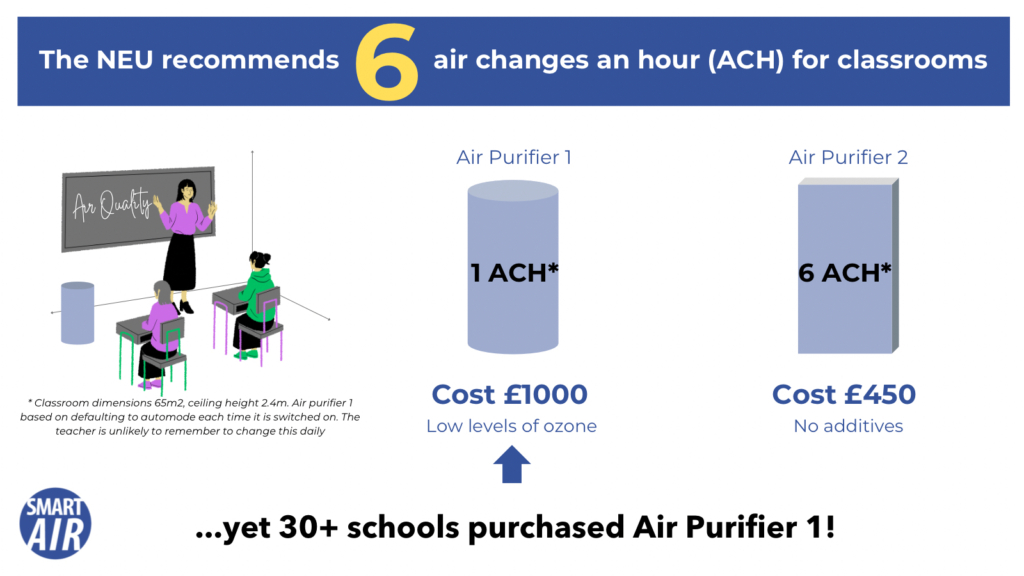
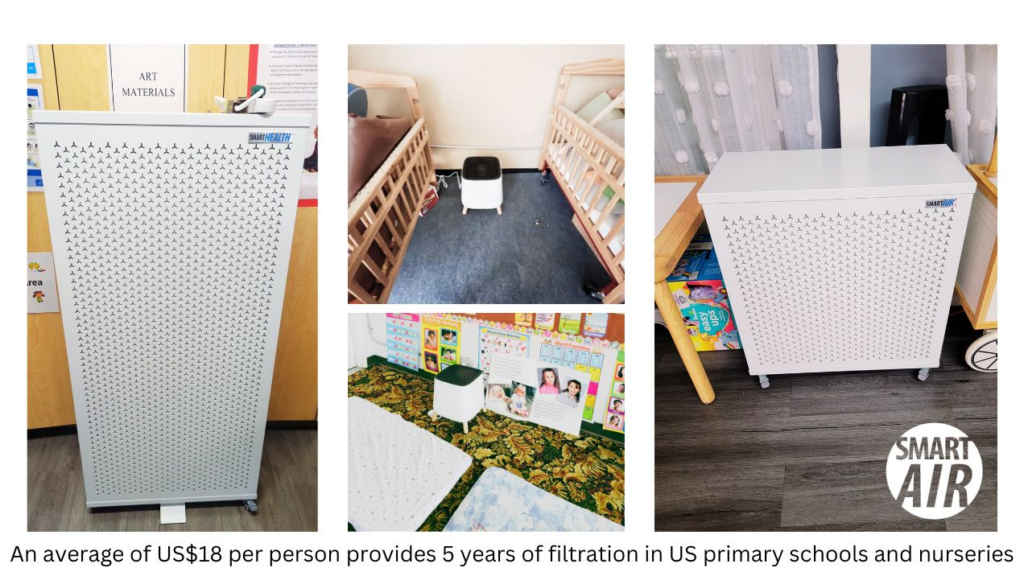
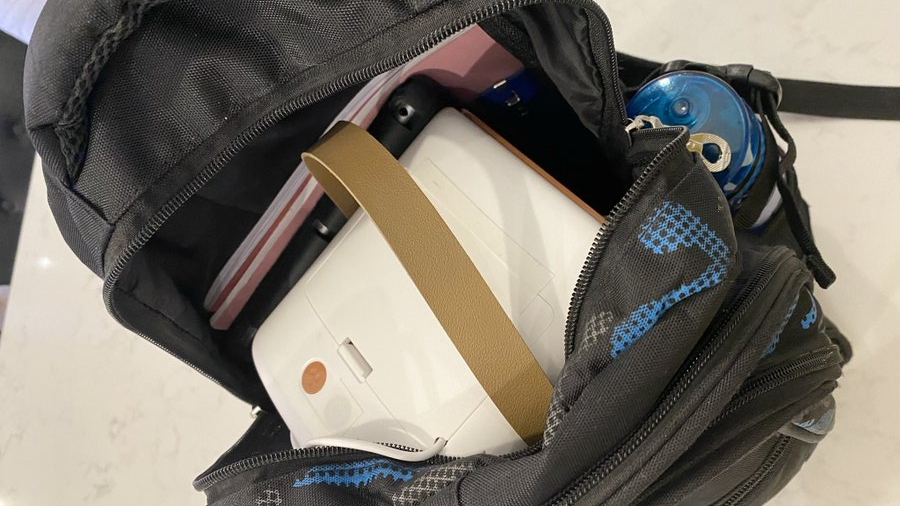
- Install HEPA air cleaners: High-efficiency particulate air (HEPA) filters can trap airborne particles, including viruses, thereby reducing the risk of airborne transmission. Schools, depending on classroom size, would benefit from units such as the SA600, the Blast mini or the Blast, which are quiet but powerful units that will not disrupt daily activities.
- Enhance natural ventilation: Ensuring that classrooms are well-ventilated with fresh air can significantly lower the concentration of airborne contaminants.
- Regular monitoring: Using air quality monitors to keep track of CO2 levels and particulate matter can help maintain optimal air quality.
-
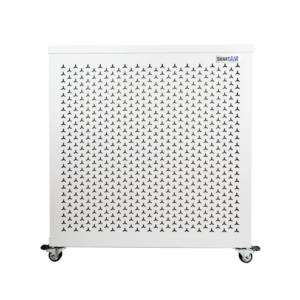 Blast Mini Air Purifier
 -
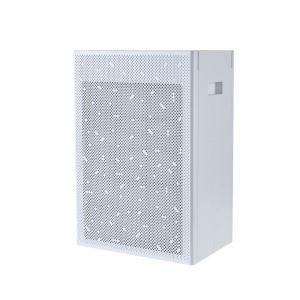 SA600 Air Purifier: 5-speed£252.00 Price excl. VAT: £210.00
...it is a fundamental component of an inclusive educational environment. By prioritising air quality, schools can protect vulnerable students, reduce the spread of infections, and create a safe and welcoming space for all.
This commitment to clean air reflects a broader commitment to inclusivity, health, and well-being, ensuring that every child has the opportunity to succeed. 🎓🏫💨