
Living in a damp climate often means battling with unwanted guests in our homes – mould. Especially when heating is only used very sparingly to lower the overall cost of bills.
Since 2020, my understanding of air pollutants, viruses, and mould has increased considerably and, though I am no expert by training, I like to think that some of the new habits I’ve picked up in the past four years have improved my quality of life and that of my household.
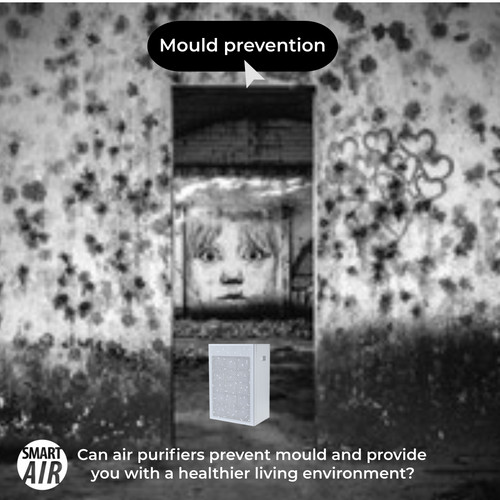
Recently, I tested Smart Air UK’s Mould Calculator. After a couple rounds of testing to make sure the results I was reading were right, I got confirmation that new habits and clean air tools improved a dampness (and potentially mould) situation in my own flat that had gotten worse throughout 2022 and part of 2023.
The calculator analysed data collected from my air quality monitor since August 2023, and the results showed that I had a current low risk of mould, while the past few months had been more high risk, as well as the yearly average for the future (should I not keep correcting some of the habits I had).
Overall, I found the mould calculator quite helpful, and if you want to give it a try, you can access it here: Mould Calculator Excel File.
Identifying the culprit
So, what caused dampness and mould in the bedroom area? To put it simply, a lack of proper ventilation (due to an extreme fear of bugs) and not keeping the heating on enough during the winter months.
It did not take too long to find dampness in the bedroom and signs of mould inside my desk drawers.
Upon realising this and armed with new knowledge, I set out to address those issues methodically.
A short term solution
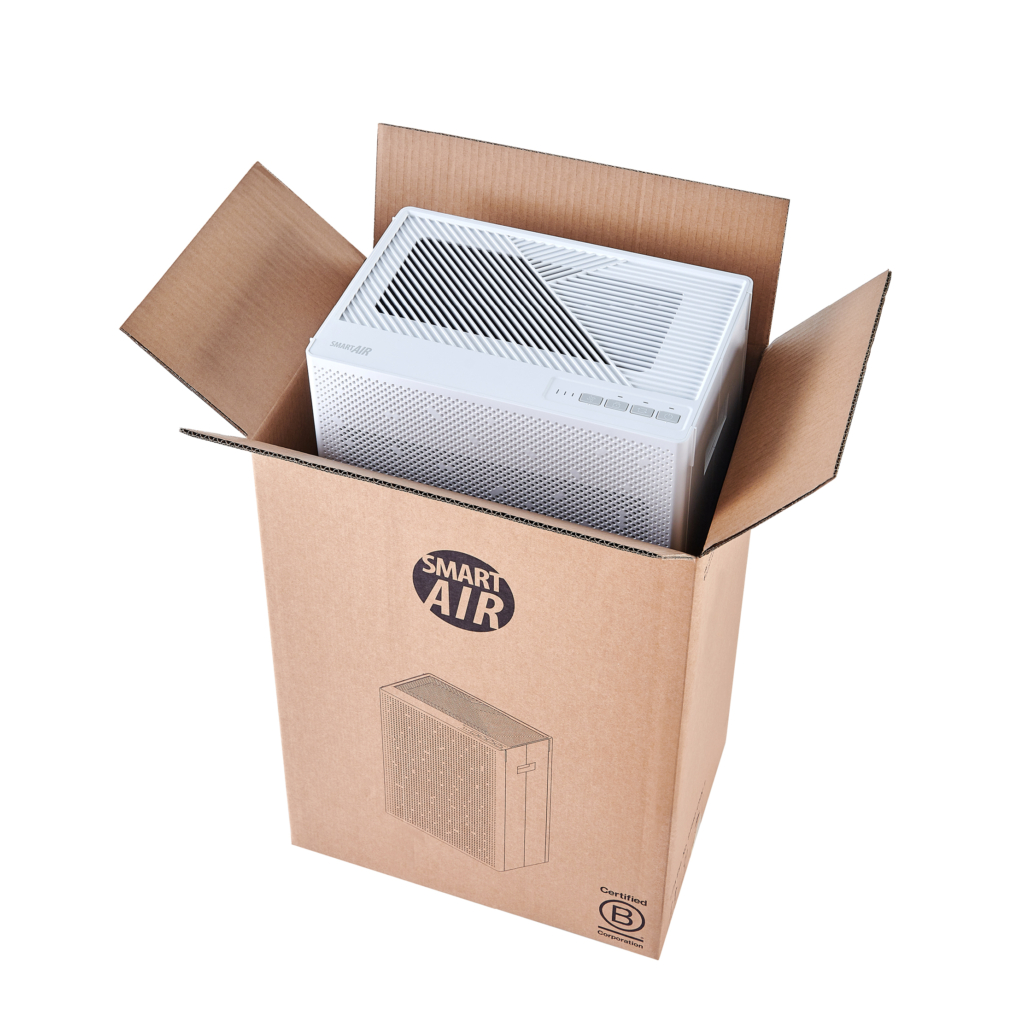
I immediately equipped myself with tools I had at my disposal for cleaning out the critical areas: Mask, gloves, bleach, and my trusted SA600 HEPA air purifier.
View the SA600It took a whole afternoon to scrub out all the affected surfaces, window corners, and to let the room air out after the deep cleaning with both the window open and the SA600 running. At the end, the room looked and felt much cleaner and safer to sleep in.
A more permanent solution - Enhancing Ventilation
Improving air circulation soon emerged as a key strategy as a long term solution to keep my room dry and clean. I made a conscious effort to ventilate my bedroom more frequently, allowing fresh air to flow and combat the stagnant conditions that mould thrives in. Keeping the small flap above my window open and making an effort to keep heating on slightly more consistently proved to be a game-changer in maintaining better humidity levels.
Banishing moisture with HEPA air filters
While I only used to keep HEPA air purifiers on against potential Covid-19 exposure indoors, I started to use my SA600 more regularly to regulate air quality. This was an easy decision to make, as power consumption on speed one and two is minimal. Seeing the results from the calculator, I can only assume that the filters inside the SA600 proved invaluable in trapping mould spores as well as other pollutants, creating an environment less hospitable to mould.
Smart Air UK's mould calculator: A guide to success
Throughout this journey, Smart Air UK's Mould Calculator became my trusted companion. Regular assessments helped track the progress of my efforts and provided invaluable insights into the efficacy of the implemented changes. Witnessing the risk percentage drop from high to low was a testament to the effectiveness of the strategies employed.
The Results
Today, with the help of my trusted QP lite, I am committed to keep track of humidity levels and temperature to ensure my efforts against mould and dampness are still effective. My room is a much more welcoming environment and I am quite satisfied with the progress of the past few months.
Further reading
If you want to learn more about mould, particle pollution and how to eradicate it from your home, check out these articles from Smart Air’s Clean Air blog:
- 7 essential tips and 3 tools to prevent condensation-based mould
- Cooking up a storm! The pollutions we create in our kitchen

