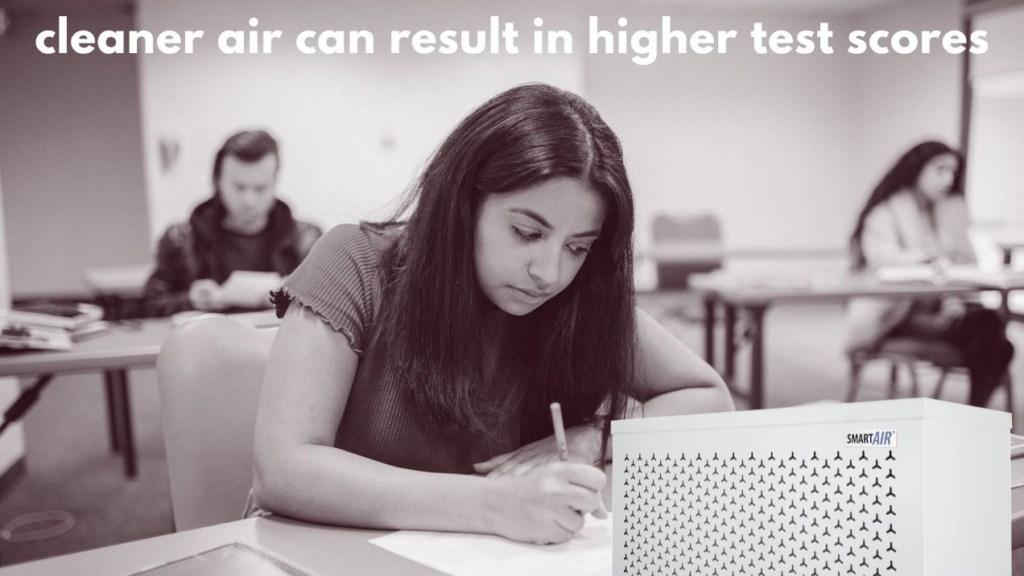
Here's why schools need to carefully consider their choice of portable air cleaners
- School is where students spend 30% of their time - 70% of which is inside the classroom
- Schools are too busy for details, they are likely to select with minimal research
- A very large number of air purifiers have UV or ionisers, this is not always in the marketing material. These emit ozone, which can alter the air chemistry in a room resulting in secondary pollutants
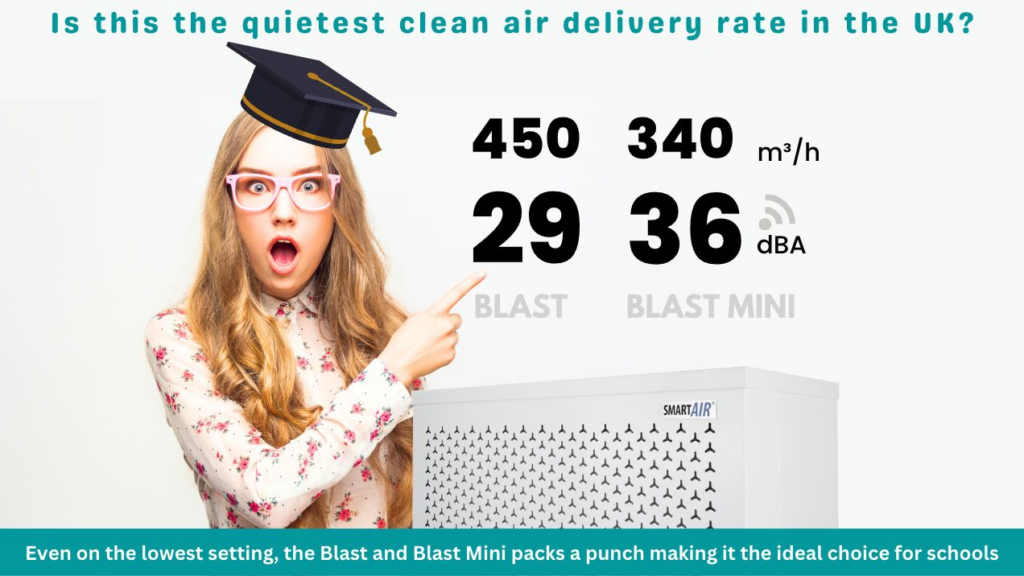
- Air purifiers tend to be sold on the basis of the clean air it produces on top speed - which is usually too noisy. Turning it down means you are no longer cleaning the air at the same rate you were promised
Ensuring a safe and healthy environment for students and staff should be your priority. With a variety of options in the market, it's so important to pick an air purifier that ticks all the boxes without breaking the bank.
We were delighted to learn that a UK county council installed air purifiers in more than 30 primary schools and that there are plans to roll out to even more schools. While we are really fond of our own products, we are staunch advocates of good indoor air quality so we celebrate all successes, especially when it comes to schools.
We hope that this investment in filtration will be replicated by other county councils so we have taken the opportunity to review their selected air purifiers to see how well it performs in classrooms.


The first thing that hits us is the price, more on this later, but the great news is that it delivers a powerful 800m³/hr of clean air. We did a deep dive into the specifications available upfront online, as well as delving through multiple documents that we know most people won’t read. Here’s our findings.
Clean Air Delivery Rate (CADR) and Auto mode
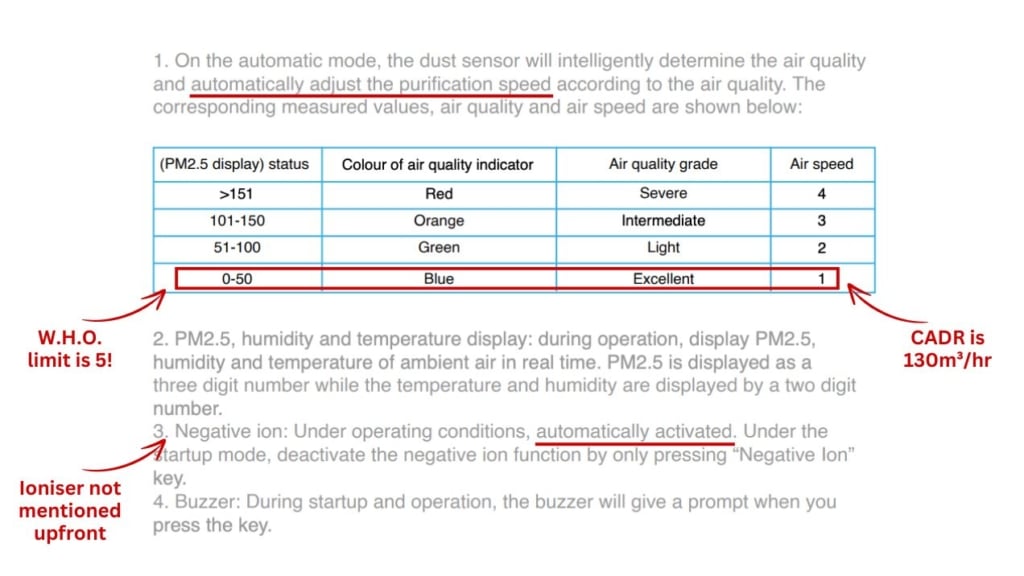
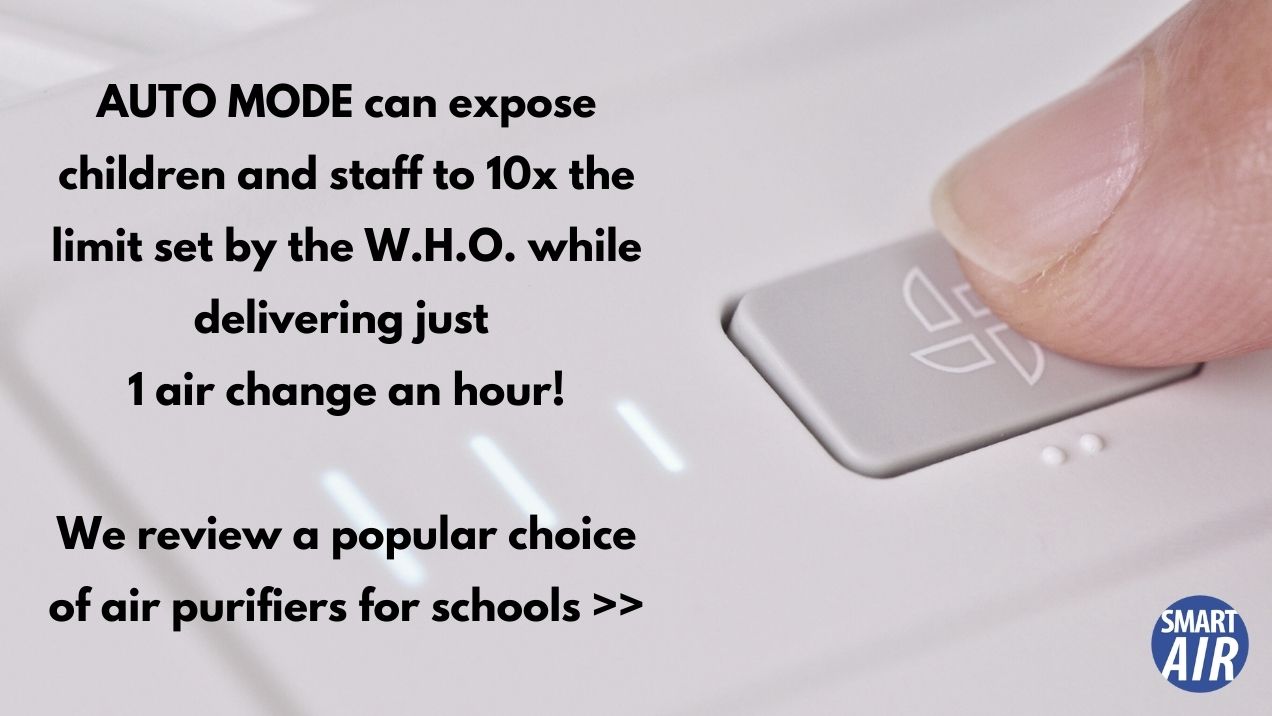
The M8 air purifier boasts a CADR range of 130-800 m³/hr which is impressive until you read in documents that the default is 'auto mode' each time it is the unit is turned on. Although auto mode sounds like a great option for busy teachers, here is the wake up call.
Yes, you read that right...
- Up to 50µg/m³ is considered ‘excellent’ (yet the World Health Organisation’s guideline for PM2.5 is just 5µg/m³)
- On auto mode, this purifier will decrease to speed 1 even when pollutant levels are up to 10x above WHO limit
- Speed 1 delivers 130 m³/hr (that's just 16% of the clean air rate at top speed)
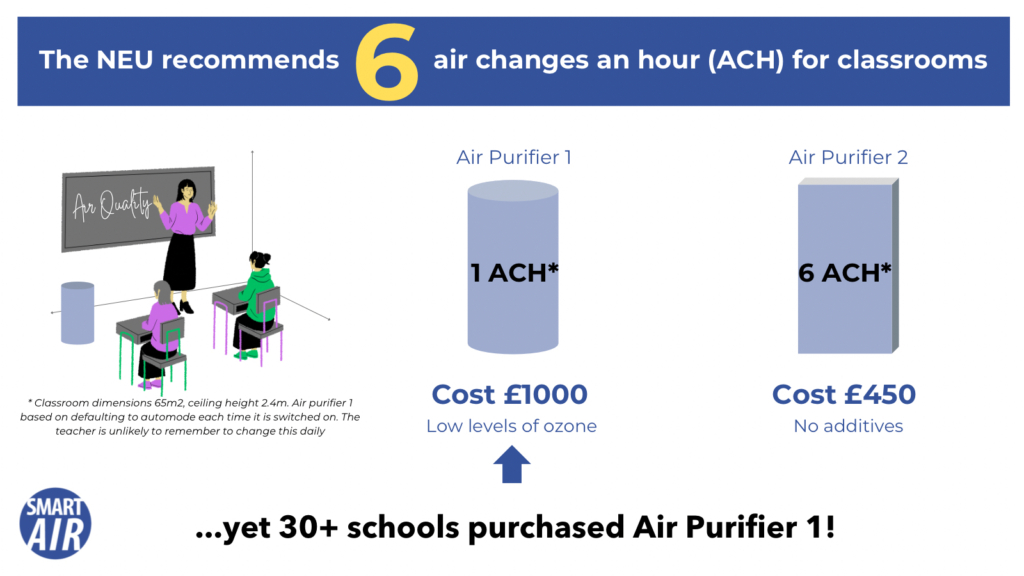
- 130 m³/hr in an average UK classroom size delivers just one Air Change per Hour (ACH) - the National Education Union (NEU) recommends 6 air changes an hour for classrooms
- Ionisers switched on every time on auto mode, you have to remember to switch it off daily
And remember that every time the unit is switched off at the end of the day, it will revert back to auto mode in the morning. Particle counts aren't as high in the UK as they are in some countries, which means that this air purifier could be continuously run at its lowest speed unless manually changed daily.

69% of teachers turn air purifiers down or off due to noise levels
This was a key finding in a survey of 750 US teachers with air purifiers in their classroom. The M8 air purifier operates at a noise level range from 15-69 dBA.
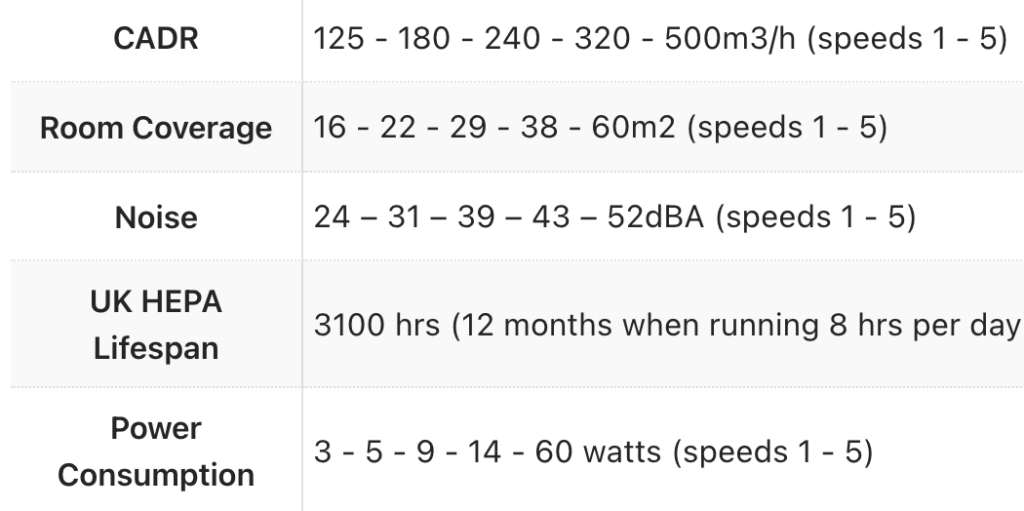
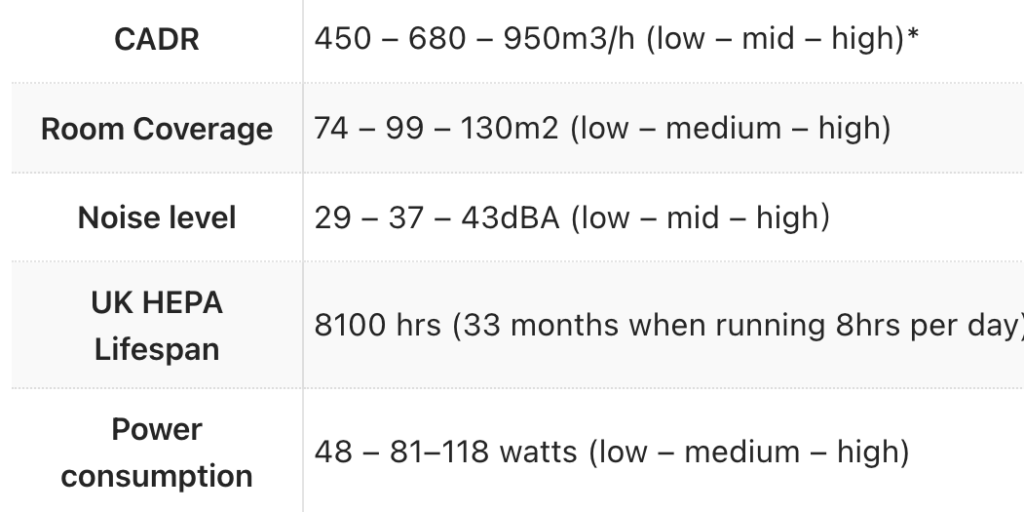
While 69dBA is incredibly high (the Blast top noise level is 43dBA), if the unit is consistently on auto mode, it seems like a super quiet unit but remember that 15dBA is only delivering 130 m³/hr or 1 air change an hour in an average UK classroom.
It is recommended that schools should be looking at air purifiers that run consistently at levels below 50dBA (ideally 40dBA), delivering 6 air changes an hour.
The two units we recommend for schools deliver higher clean air delivery rates at low noise levels and no auto mode.
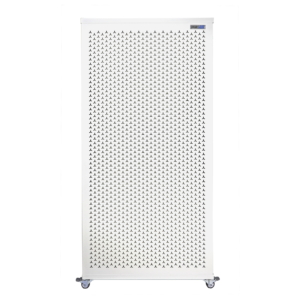
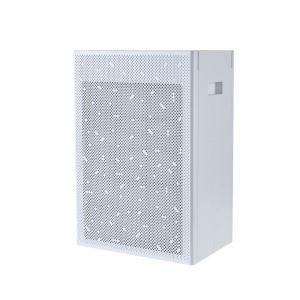
HEPA filtration has been around for 80+ years and is unpatented technology
The M8 and the Smart Air products come with HEPA H13 filters and carbon filters to remove 99.95% of airborne particles, odours and VOCs. However, the M8 includes additional features like the UV–C light (upfront marketing) and ionisers (found in documentation), which can raise concerns.
As far as we are aware, there are no peer-reviewed independent studies on the effectiveness of these products inside air purifiers. Yet we know that both can produce ozone. HEPA filters will do all of the work and if anyone is selling the added potential benefit of ‘killing viruses’ on filters where they can't survive for long anyway, we recommend you ask to see the independent research report that's been peer-reviewed.
In the US, the Environmental Protection Agency (EPA) recommends against purchasing air purifiers that emit ozone, which includes those that contain UV lights. We couldn’t agree more. Smart Air believes in no nonsense air filtration system, our air purifiers are Simply HEPA with no ozone.
Price should not be the main factor
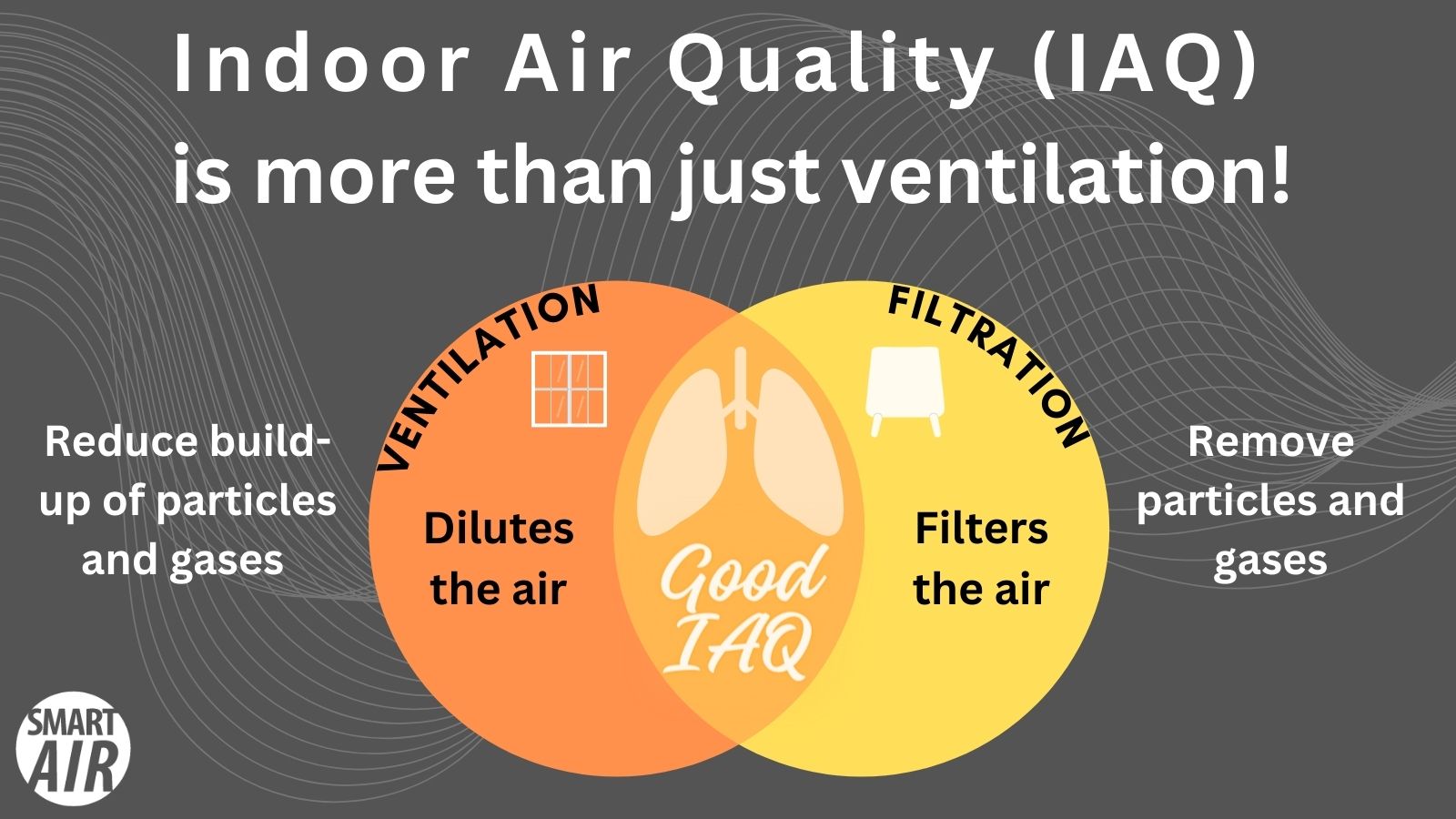
Choosing an air purifier should be based on the following:
- Air changes per hour (ACH)
- Noise
- Price - upfront and ongoing costs (running and filter replacement)
- Energy usage
We believe we need to shift the focus away from Clean Air Delivery Rate (CADR) to ACH and Noise so it is clearer for schools to see what they are getting. We see a range of school purchases from low-cost domestic purifiers to expensive bells and whistle commercial devices. Be aware that unless you factor in the right amount of clean air for your size space, at the noise levels you can teach at, any money you pay could be money down the drain.
The distance from the wall is sometimes only found in user manuals
Another significant drawback for classrooms is space and we have found that the M8 requires a 1-metre clearance around the device for optimal air circulation. This means to get the top level CADR, the device must be at least 1m away from the wall, which is particularly challenging in crowded classrooms, where space is often limited. For comparison, the Blast must be sited 15cm away from the wall for optimal air circulation.
The M8 is a high-end air purifier which delivers exceptional performance but unfortunately not at noise levels conducive to continuous teaching. If you have this unit in your classroom, we recommend switching off auto mode daily and asking your supplier what the CADR levels are on speeds 2 and 3, which we were unable to find.
For £999 exclusive of VAT, you can actually purchase 2x Blasts or 5x SA600s for the same price, bringing clean air to more classrooms across the school.
When choosing an air purifier for schools, noise and CADR correctly sized for your room should be your primary considerations. Not all information is upfront, ask the questions directly before purchasing - does your air purifier contain UV or ionisers? What is the noise levels on all speeds? What is the CADR on all speeds?